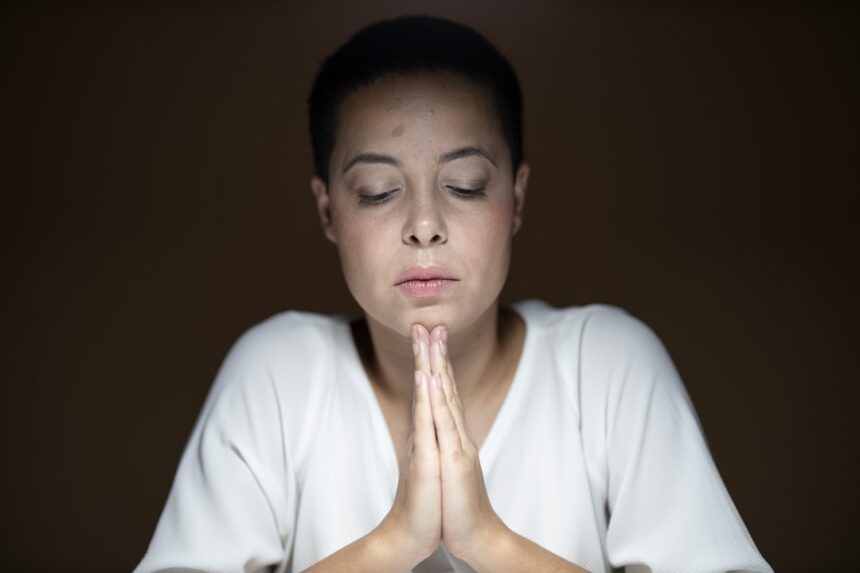
Reality is a multifaceted concept that encompasses the world around you, shaped by your perceptions, experiences, and beliefs. It is the lens through which you interpret events, interactions, and emotions. Your understanding of reality is influenced by various factors, including cultural background, personal experiences, and societal norms.
As you navigate through life, you may find that your perception of reality can shift, leading to moments of clarity or confusion. This fluidity can be both liberating and daunting, as it challenges you to question what is true and what is merely a construct of your mind. In essence, reality is not a fixed entity; it is a dynamic interplay between the external world and your internal thoughts.
You may often find yourself grappling with the disparity between your idealized version of reality and the harsh truths that life presents. This struggle can lead to feelings of disillusionment or dissatisfaction. However, understanding that reality is subjective allows you to explore different perspectives and potentially reshape your experience.
By acknowledging the complexity of reality, you open yourself up to new possibilities and insights that can enrich your life.
Key Takeaways
- Spirituality can serve as both a means to escape and cope with reality, offering peace and solace.
- Mindfulness and meditation are key techniques that help balance spiritual escapism with present-moment awareness.
- Maintaining a healthy balance between spirituality and reality is crucial to avoid potential dangers of excessive escapism.
- Integrating spiritual practices into daily life promotes a more grounded and balanced approach to facing reality.
- Understanding the connection between spirituality and escapism helps in using spirituality constructively rather than as avoidance.
The role of spirituality in escaping reality
Spirituality often serves as a refuge for those seeking solace from the challenges of everyday life. It provides a framework through which you can explore deeper meanings and connections beyond the mundane aspects of existence. In times of distress or confusion, turning to spiritual practices can offer a sense of comfort and understanding that transcends the limitations of your immediate reality.
This escape into spirituality allows you to tap into a reservoir of inner strength and wisdom, guiding you through turbulent times. Moreover, spirituality encourages you to look beyond the surface of your experiences. It invites you to explore questions about purpose, existence, and the interconnectedness of all beings.
By engaging with spiritual concepts, you may find that your perception of reality expands, allowing you to see beyond the struggles and challenges that often dominate your thoughts. This shift in perspective can be incredibly liberating, as it enables you to cultivate a sense of peace and acceptance in the face of life’s uncertainties.
Techniques for using spirituality to escape reality
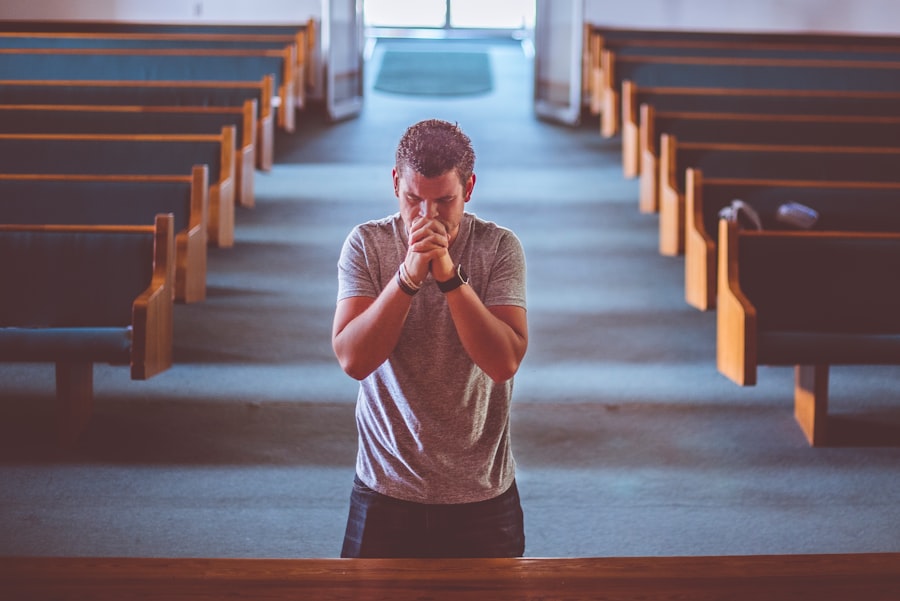
There are numerous techniques you can employ to harness spirituality as a means of escaping the confines of your current reality. One effective method is through prayer or affirmation, where you express your hopes, desires, and gratitude to a higher power or the universe. This practice not only fosters a sense of connection but also helps you focus on positive outcomes rather than dwelling on negative experiences.
By regularly engaging in this practice, you can create a mental space that nurtures optimism and resilience. Another powerful technique is visualization, where you imagine yourself in a serene environment or achieving your goals. This mental exercise allows you to temporarily step away from the stresses of daily life and immerse yourself in a more peaceful state of being.
You might visualize yourself walking through a tranquil forest or standing atop a mountain, feeling the weight of your worries lift as you embrace the beauty around you. Such practices can serve as a form of escapism while simultaneously grounding you in your spiritual journey.
The importance of mindfulness in escaping reality
| Metric | Description | Impact on Escaping Reality | Example Data |
|---|---|---|---|
| Stress Reduction | Decrease in cortisol levels and perceived stress | Helps individuals detach from overwhelming external pressures | 30% reduction in cortisol after 8 weeks of mindfulness practice |
| Improved Focus | Enhanced attention span and concentration | Allows better control over wandering thoughts and mental escape | Increase in sustained attention by 20% after mindfulness training |
| Emotional Regulation | Ability to manage and respond to emotional experiences | Facilitates healthier detachment from negative emotions | 40% improvement in emotional regulation scores |
| Reduction in Anxiety | Lower levels of anxiety symptoms | Reduces the need to escape reality through avoidance behaviors | 25% decrease in anxiety symptoms after mindfulness intervention |
| Increased Present Moment Awareness | Heightened awareness of current experiences | Promotes acceptance of reality rather than avoidance | Significant increase in mindfulness questionnaire scores |
Mindfulness plays a crucial role in navigating the delicate balance between spirituality and reality. By cultivating mindfulness, you learn to be present in each moment, allowing you to fully experience life without becoming overwhelmed by past regrets or future anxieties. This practice encourages you to observe your thoughts and feelings without judgment, creating space for acceptance and understanding.
As you become more attuned to your inner landscape, you may find that your perception of reality shifts, enabling you to respond to challenges with greater clarity and composure.
For instance, when meditating or engaging in prayer, being mindful allows you to connect more deeply with your intentions and emotions.
You may discover that by focusing on the present moment, you can release the burdens of your past and future concerns. This newfound awareness can lead to profound insights and a greater sense of peace, ultimately enriching your spiritual journey.
Exploring the connection between spirituality and escapism
The relationship between spirituality and escapism is complex and multifaceted. On one hand, spirituality offers a means of transcending the limitations of everyday life, providing an avenue for exploration beyond the physical realm. On the other hand, escapism can sometimes lead to avoidance or denial of reality, which may hinder personal growth and healing.
It is essential to recognize this duality as you navigate your spiritual path. As you delve deeper into spirituality, you may find that it serves as both an escape from reality and a tool for confronting it. Engaging with spiritual practices can help you process difficult emotions and experiences while simultaneously offering a sense of relief from life’s pressures.
By embracing this connection, you can cultivate a more profound understanding of yourself and your place in the world, ultimately leading to a more balanced approach to both spirituality and reality.
How to maintain a healthy balance between spirituality and reality

Striking a balance between spirituality and reality is essential for fostering personal growth and well-being. To achieve this equilibrium, it is important to remain grounded in your daily life while also allowing space for spiritual exploration. One way to maintain this balance is by setting aside dedicated time for spiritual practices while ensuring that you also engage with the practical aspects of life.
This could involve scheduling regular meditation sessions or moments of reflection amidst your busy routine. Additionally, it is crucial to remain aware of when spirituality becomes an escape rather than a source of empowerment. You might find it helpful to regularly assess your motivations for engaging in spiritual practices.
Are they helping you confront challenges or providing an avenue for avoidance? By maintaining this self-awareness, you can ensure that your spiritual journey remains aligned with your personal growth rather than becoming a means of evading reality.
The potential dangers of using spirituality to escape reality
While spirituality can provide comfort and solace during difficult times, it is essential to recognize the potential dangers associated with using it as an escape from reality. One significant risk is the tendency to avoid addressing underlying issues or emotions that require attention. When spirituality becomes a means of avoidance, it can hinder personal growth and prevent you from fully engaging with life’s challenges.
Moreover, relying solely on spiritual practices without addressing practical concerns can lead to disillusionment or frustration when faced with real-world problems. You may find yourself feeling disconnected from reality or struggling to cope with everyday responsibilities. It is vital to strike a balance between spiritual exploration and practical engagement with life to ensure that your journey remains fulfilling and meaningful.
The benefits of using spirituality to cope with reality
Despite the potential pitfalls, using spirituality as a coping mechanism can yield numerous benefits when approached mindfully. Engaging with spiritual practices can provide a sense of purpose and direction during challenging times, helping you navigate life’s uncertainties with greater resilience. By connecting with something greater than yourself, you may find comfort in knowing that there is meaning beyond immediate struggles.
Additionally, spirituality can foster a sense of community and support as you connect with like-minded individuals who share similar beliefs and values. This sense of belonging can be incredibly empowering, providing encouragement and inspiration as you navigate life’s ups and downs. By embracing spirituality as a tool for coping with reality, you can cultivate inner strength and resilience that will serve you well throughout your journey.
The role of meditation in escaping reality
Meditation is one of the most effective tools for escaping reality while simultaneously fostering self-awareness and inner peace. Through meditation, you create a sacred space where you can disconnect from external distractions and delve into the depths of your consciousness. This practice allows you to observe your thoughts without attachment or judgment, creating an opportunity for reflection and insight.
As you engage in meditation regularly, you may find that it becomes easier to step away from the chaos of daily life and enter a state of tranquility. This mental retreat can provide much-needed relief from stress and anxiety while also enhancing your spiritual connection. By incorporating meditation into your routine, you create a powerful tool for navigating both the challenges of reality and the exploration of your inner self.
Finding peace and solace through spiritual practices
Spiritual practices offer a pathway to finding peace and solace amidst life’s challenges. Whether through prayer, meditation, or rituals that resonate with your beliefs, these practices create opportunities for reflection and connection with something greater than yourself. As you engage in these activities regularly, they become anchors in your life—providing stability during turbulent times.
Moreover, spiritual practices encourage self-discovery and personal growth by inviting you to explore your beliefs, values, and aspirations. This journey inward can lead to profound insights about yourself and your place in the world. By embracing these practices as tools for finding peace, you cultivate resilience that empowers you to face life’s challenges with grace.
Integrating spirituality into everyday life for a more balanced approach to reality
To achieve a harmonious balance between spirituality and reality, it is essential to integrate spiritual practices into your daily life consciously. This could involve setting aside time each day for meditation or reflection or finding moments throughout your routine to express gratitude or connect with nature. By weaving spirituality into the fabric of your everyday existence, you create opportunities for growth and connection that enrich both realms.
Additionally, consider how your spiritual beliefs can inform your actions in the world around you. Engaging in acts of kindness or service can be powerful expressions of spirituality that ground you in reality while also nurturing your soul. By consciously integrating spirituality into your daily life, you cultivate a holistic approach that honors both your inner journey and the realities of existence—ultimately leading to a more fulfilling life experience.
Spiritual avoidance of reality can often manifest as a way to escape from the challenges and difficulties of life, leading individuals to seek solace in spiritual practices without addressing underlying issues. For a deeper understanding of this phenomenon, you can explore the article on Unplugged Psych, which discusses the implications of using spirituality as a means of avoidance. To read more, visit com/’>Unplugged Psych.
WATCH THIS! The Enlightenment Trap: Why Spiritual Grandiosity Is Just Narcissism
FAQs
What is spiritual avoidance of reality?
Spiritual avoidance of reality refers to the tendency to use spiritual beliefs or practices to escape or deny real-life problems and emotions instead of addressing them directly.
How can spiritual avoidance manifest in daily life?
It can manifest as excessive meditation or prayer to avoid dealing with personal issues, ignoring practical responsibilities, or using spiritual concepts to justify not facing uncomfortable truths.
Is spiritual avoidance the same as healthy spirituality?
No, healthy spirituality involves using spiritual practices to enhance well-being and personal growth, while spiritual avoidance uses spirituality as a way to evade reality and avoid necessary emotional work.
What are the potential risks of spiritual avoidance?
Risks include unresolved emotional problems, strained relationships, stagnation in personal development, and neglect of practical life challenges.
How can someone recognize if they are engaging in spiritual avoidance?
Signs include persistent denial of problems, reliance on spiritual explanations to dismiss feelings, avoidance of therapy or counseling, and feeling disconnected from real-world responsibilities.
Can spiritual avoidance be overcome?
Yes, overcoming spiritual avoidance typically involves acknowledging the avoidance, seeking support from mental health professionals, integrating spirituality with practical problem-solving, and developing emotional awareness.
What role do mental health professionals play in addressing spiritual avoidance?
Mental health professionals can help individuals explore the underlying issues behind avoidance, provide coping strategies, and assist in balancing spiritual practices with real-life challenges.
Is spiritual avoidance recognized in psychological research?
Yes, psychological research acknowledges spiritual avoidance as a form of emotional avoidance that can hinder psychological well-being and personal growth.
Can spiritual avoidance affect relationships?
Yes, it can lead to misunderstandings, lack of emotional intimacy, and conflicts if one partner uses spirituality to avoid addressing relationship issues.
Are there specific spiritual practices that encourage avoidance?
No specific practices inherently encourage avoidance, but any practice can be misused if employed to escape reality rather than to foster genuine growth and healing.