
When you think about portfolio mapping, safety may not be the first thing that comes to mind. However, it is a critical aspect that cannot be overlooked. Safety in portfolio mapping ensures that the connections you establish are not only effective but also secure.
In a world where data breaches and cyber threats are rampant, prioritizing safety can protect your assets and maintain the integrity of your operations. By focusing on safety, you create a robust framework that allows for sustainable growth and minimizes risks associated with your portfolio. Moreover, the importance of safety extends beyond just protecting data; it encompasses the overall health of your organization.
When you prioritize safety in your portfolio mapping, you foster a culture of responsibility and awareness among your team members. This culture encourages everyone to be vigilant and proactive in identifying potential risks, leading to a more resilient organization. By embedding safety into the core of your portfolio mapping strategy, you not only safeguard your assets but also enhance your reputation in the industry.
Key Takeaways
- Safety is crucial in connection portfolio mapping to prevent risks and ensure reliable outcomes.
- Identifying and addressing potential safety risks early enhances the integrity of portfolio mapping processes.
- Leveraging technology can significantly improve safety measures and reduce human error in portfolio mapping.
- Continuous training, education, and effective communication are key to maintaining safety standards.
- Ongoing monitoring, evaluation, and innovation drive the future of safer connection portfolio mapping practices.
Understanding the Concept of Connection Portfolio Mapping
Connection portfolio mapping is a strategic approach that allows you to visualize and manage the relationships between various components of your portfolio. It involves identifying key connections, understanding their significance, and optimizing them for better performance. As you delve into this concept, you will realize that it is not merely about listing assets; it is about understanding how these assets interact and influence one another.
This holistic view enables you to make informed decisions that can lead to improved outcomes. In essence, connection portfolio mapping serves as a roadmap for navigating the complexities of your portfolio. It helps you identify synergies and potential conflicts among different elements, allowing you to strategize effectively.
By mapping out these connections, you can prioritize resources, allocate budgets wisely, and ultimately drive better results. This process is not static; it requires continuous evaluation and adjustment as market conditions and organizational goals evolve.
Identifying Potential Safety Risks in Connection Portfolio Mapping

As you engage in connection portfolio mapping, it is crucial to identify potential safety risks that may arise. These risks can stem from various sources, including technological vulnerabilities, human error, and external threats. For instance, if you rely heavily on digital tools for mapping connections, any security flaws in those tools could expose your data to unauthorized access.
Recognizing these vulnerabilities early on allows you to implement measures that mitigate risks before they escalate. Additionally, human factors play a significant role in safety risks associated with connection portfolio mapping. Miscommunication or lack of awareness among team members can lead to mistakes that compromise the integrity of your portfolio.
It is essential to foster an environment where everyone understands their responsibilities and the importance of adhering to safety protocols. By conducting regular assessments and encouraging open dialogue about potential risks, you can create a proactive approach to safety that minimizes the likelihood of incidents.
Utilizing Technology to Enhance Safety in Portfolio Mapping
In today’s digital age, technology plays a pivotal role in enhancing safety in connection portfolio mapping. Advanced software solutions can help you visualize connections more effectively while providing robust security features to protect sensitive information. For example, utilizing encryption technologies can safeguard data during transmission and storage, ensuring that only authorized personnel have access to critical information.
By leveraging these technological advancements, you can significantly reduce the risk of data breaches and enhance overall safety. Moreover, technology can facilitate real-time monitoring of your portfolio connections. With the right tools in place, you can track changes and identify anomalies that may indicate potential safety issues.
This proactive approach allows you to address concerns before they escalate into significant problems. Additionally, integrating artificial intelligence and machine learning into your portfolio mapping processes can help identify patterns and predict potential risks, enabling you to stay one step ahead in safeguarding your assets.
Implementing Best Practices for Safety in Connection Portfolio Mapping
| Connection Type | Safety Metric | Risk Level | Mitigation Strategy | Monitoring Frequency |
|---|---|---|---|---|
| Electrical Connections | Insulation Resistance (MΩ) | Medium | Regular insulation testing and replacement | Monthly |
| Mechanical Joints | Torque Integrity (%) | High | Torque checks and re-tightening | Weekly |
| Data Network Links | Packet Loss Rate (%) | Low | Redundant routing and error correction | Daily |
| Hydraulic Connections | Leakage Rate (ml/min) | High | Seal replacement and pressure testing | Bi-weekly |
| Fire Safety Systems | Response Time (seconds) | Critical | System drills and sensor calibration | Monthly |
To ensure safety in connection portfolio mapping, implementing best practices is essential. One key practice is establishing clear guidelines for data management and access control. By defining who has access to what information and under what circumstances, you can minimize the risk of unauthorized access or data leaks.
Regularly reviewing these guidelines and updating them as necessary will help maintain a secure environment. Another best practice involves conducting regular audits of your connection portfolio mapping processes. These audits should assess both the effectiveness of your safety measures and compliance with established protocols.
By identifying areas for improvement, you can make informed decisions about necessary adjustments or enhancements to your safety strategies. Additionally, fostering a culture of accountability within your organization encourages team members to take ownership of their roles in maintaining safety.
Training and Education for Safety in Connection Portfolio Mapping
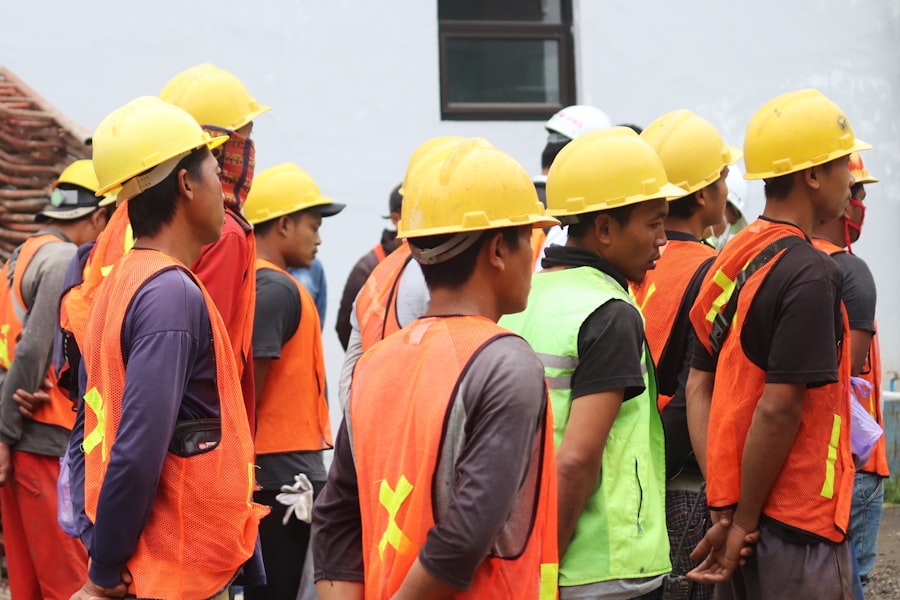
Training and education are vital components of ensuring safety in connection portfolio mapping. Providing your team with comprehensive training on safety protocols and best practices equips them with the knowledge they need to navigate potential risks effectively. This training should cover various aspects, including data management, risk identification, and incident response procedures.
By investing in your team’s education, you empower them to contribute actively to maintaining a safe environment. Furthermore, ongoing education is equally important as technology and best practices evolve over time. Regular workshops or refresher courses can help keep your team updated on the latest trends and developments in safety measures related to connection portfolio mapping.
Encouraging continuous learning fosters a culture of vigilance and adaptability within your organization, ensuring that everyone remains informed about potential risks and how to mitigate them effectively.
Collaboration and Communication for Safety in Connection Portfolio Mapping
Collaboration and communication are essential for enhancing safety in connection portfolio mapping.
Establishing clear communication channels allows for timely reporting of concerns or incidents, enabling swift action to mitigate risks before they escalate.
Moreover, fostering collaboration across departments can lead to a more comprehensive understanding of safety issues related to connection portfolio mapping. By involving diverse perspectives and expertise, you can uncover blind spots that may have otherwise gone unnoticed. Encouraging cross-functional teams to engage in discussions about safety not only enhances awareness but also promotes a sense of shared responsibility for maintaining a secure environment.
Monitoring and Evaluating Safety Measures in Connection Portfolio Mapping
Monitoring and evaluating safety measures are critical steps in ensuring the effectiveness of your connection portfolio mapping strategy. Regular assessments allow you to gauge the performance of implemented safety protocols and identify areas for improvement. By establishing key performance indicators (KPIs) related to safety, you can track progress over time and make data-driven decisions about necessary adjustments.
Additionally, soliciting feedback from team members involved in connection portfolio mapping can provide valuable insights into the effectiveness of current safety measures. Encouraging an open dialogue about challenges faced or suggestions for improvement fosters a culture of continuous enhancement. By actively engaging with your team in this evaluation process, you demonstrate a commitment to prioritizing safety while empowering them to contribute to its success.
Addressing Challenges and Barriers to Safety in Connection Portfolio Mapping
Despite the best intentions, challenges and barriers to safety in connection portfolio mapping may arise. One common challenge is resistance to change among team members who may be accustomed to existing processes. Overcoming this resistance requires effective communication about the importance of safety measures and how they contribute to overall success.
Engaging team members in discussions about potential risks can help them understand the necessity of adopting new practices. Another barrier may stem from resource constraints, such as limited budgets or personnel shortages.
Identifying high-impact areas where investments can yield significant improvements will help maximize the effectiveness of available resources. Additionally, seeking external partnerships or leveraging technology solutions can provide alternative avenues for enhancing safety without straining internal resources.
Case Studies and Examples of Successful Safety Measures in Connection Portfolio Mapping
Examining case studies of organizations that have successfully implemented safety measures in connection portfolio mapping can provide valuable insights into best practices. For instance, a leading financial institution may have adopted advanced encryption technologies alongside rigorous access controls to safeguard sensitive client data during their portfolio mapping processes. By sharing their experiences and outcomes, they demonstrate how prioritizing safety not only protects assets but also enhances client trust.
Another example could involve a tech company that implemented regular training sessions focused on identifying potential risks associated with their connection portfolio mapping efforts. By fostering a culture of awareness among employees, they were able to significantly reduce incidents related to data breaches or miscommunication within teams. These case studies highlight the tangible benefits of prioritizing safety measures while providing actionable insights for organizations looking to enhance their own practices.
Looking Towards the Future: Innovations in Safety for Connection Portfolio Mapping
As technology continues to evolve, so too do the innovations aimed at enhancing safety in connection portfolio mapping. Emerging technologies such as blockchain offer promising solutions for securing data integrity while facilitating transparent transactions between connected assets. By leveraging these innovations, organizations can create more secure environments for their portfolios while minimizing risks associated with traditional methods.
Additionally, advancements in artificial intelligence are paving the way for predictive analytics that can identify potential risks before they materialize. By harnessing these capabilities, organizations can proactively address vulnerabilities within their connection portfolio mapping processes. As you look towards the future, embracing these innovations will be essential for staying ahead of emerging threats while ensuring the continued success of your portfolio mapping efforts.
In conclusion, prioritizing safety in connection portfolio mapping is not just a necessity; it is an opportunity for growth and resilience within your organization. By understanding the importance of safety measures, leveraging technology effectively, implementing best practices, investing in training, fostering collaboration, monitoring progress diligently, addressing challenges proactively, learning from successful case studies, and embracing future innovations, you position yourself for success in an increasingly complex landscape.
Connection portfolio mapping for safety is an essential tool for understanding and enhancing the relationships that contribute to a safe environment. For further insights on this topic, you can explore a related article that discusses the importance of psychological safety in various settings. Check it out here: Unplugged Psychology. This resource provides valuable information on how to foster connections that promote safety and well-being.
WATCH THIS! Why You Are VULNERABLE to Manipulation (4 Key Triggers)
FAQs
What is connection portfolio mapping in the context of safety?
Connection portfolio mapping is a method used to identify, analyze, and visualize the relationships and interactions between various safety-related elements within an organization or system. It helps in understanding how different safety measures, processes, and stakeholders are interconnected.
Why is connection portfolio mapping important for safety management?
It provides a comprehensive overview of safety connections, enabling organizations to identify potential risks, gaps, and redundancies. This holistic view supports better decision-making, enhances communication among teams, and improves overall safety performance.
What are the key components of a connection portfolio map for safety?
Key components typically include safety processes, personnel roles, equipment, communication channels, risk factors, and regulatory requirements. These elements are mapped to show their interdependencies and influence on safety outcomes.
How can connection portfolio mapping improve workplace safety?
By visualizing the connections between safety elements, organizations can pinpoint vulnerabilities, streamline safety protocols, and foster collaboration. This proactive approach helps prevent accidents and ensures compliance with safety standards.
Who should be involved in creating a connection portfolio map for safety?
Creating a connection portfolio map usually involves safety managers, engineers, frontline workers, risk assessors, and other relevant stakeholders who have insights into safety processes and challenges within the organization.
What tools or software are commonly used for connection portfolio mapping?
Various tools such as flowchart software, mind mapping applications, and specialized safety management systems can be used to create connection portfolio maps. Examples include Microsoft Visio, Lucidchart, and dedicated risk management platforms.
Can connection portfolio mapping be applied to industries outside of manufacturing?
Yes, connection portfolio mapping is versatile and can be applied across various industries including healthcare, construction, transportation, and energy to enhance safety management and risk mitigation.
How often should connection portfolio maps be updated?
Connection portfolio maps should be reviewed and updated regularly, especially after significant changes in processes, personnel, or regulations, to ensure they accurately reflect the current safety landscape.
Does connection portfolio mapping help in regulatory compliance?
Yes, by clearly outlining safety connections and controls, connection portfolio mapping assists organizations in meeting regulatory requirements and demonstrating due diligence during audits and inspections.
Is training required to effectively use connection portfolio mapping for safety?
While basic mapping can be done with minimal training, effective use of connection portfolio mapping for safety often requires training in risk assessment, safety management principles, and the specific tools used for mapping.