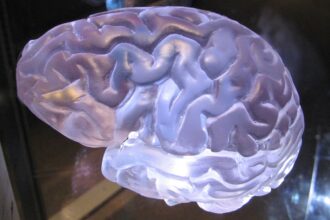
Deja vu is a psychological phenomenon experienced by approximately 60-70% of the population. It occurs when an individual encounters a strong sensation that a current situation has been experienced previously, despite knowing this is not the case. The term originates from French, literally translating to “already seen.”
Research indicates that deja vu typically lasts between 10-30 seconds and occurs most frequently in individuals aged 15-25 years.
The phenomenon appears to be more common during periods of stress, fatigue, or travel. Several neurological theories attempt to explain its occurrence, including temporal lobe epilepsy models, dual processing theories, and memory-based explanations. Current scientific understanding suggests deja vu results from a temporary disruption in the brain’s memory encoding and retrieval processes.
Neuroimaging studies have identified increased activity in the temporal lobe, particularly the hippocampus and surrounding regions, during deja vu experiences. One prominent theory proposes that the phenomenon occurs when the brain’s familiarity detection system activates without corresponding recollection, creating a conflict between feeling familiar with something while being unable to recall specific details. While generally harmless, frequent deja vu experiences may occasionally indicate underlying neurological conditions and warrant medical evaluation.
Key Takeaways
- Deja Vu is a complex cognitive phenomenon linked to memory and perception.
- Sensory Cross Training involves stimulating multiple senses to improve brain function.
- Combining Deja Vu experiences with Sensory Cross Training can enhance memory recall and perception.
- Techniques like visualization, movement, sound, aroma, and taste are used to deepen sensory engagement.
- Applying Sensory Cross Training in daily life can increase the frequency and intensity of Deja Vu experiences.
What is Sensory Cross Training?
Sensory cross training is an innovative approach that involves engaging multiple senses simultaneously to enhance cognitive function and perception. You might think of it as a workout for your brain, where you actively stimulate different sensory modalities to improve your overall sensory awareness. This technique can involve activities that engage sight, sound, touch, taste, and smell in various combinations, allowing you to create richer and more immersive experiences.
By training your senses in this way, you can develop a heightened awareness of your surroundings and improve your ability to process information. The concept of sensory cross training is rooted in the idea that our senses are interconnected and can influence one another. For instance, when you taste a delicious meal, the aroma and presentation can significantly enhance your overall experience.
By consciously engaging multiple senses, you can create more vivid memories and experiences that may lead to enhanced cognitive abilities. This approach not only benefits your memory but also encourages creativity and problem-solving skills by fostering a more holistic understanding of the world around you.
The Connection Between Deja Vu and Sensory Cross Training
The relationship between deja vu and sensory cross training is an intriguing one. When you engage in sensory cross training, you are essentially priming your brain for heightened awareness and memory recall. This heightened state of cognitive engagement may increase the likelihood of experiencing deja vu.
As you train your senses, you create a more robust network of memories and associations, which can lead to moments where new experiences feel familiar. Moreover, sensory cross training can help you develop a deeper understanding of your own cognitive processes. By actively engaging with your senses, you may become more attuned to the subtle cues that trigger feelings of familiarity.
This awareness can enhance your ability to recognize when you are experiencing deja vu, allowing you to explore the phenomenon with greater curiosity rather than confusion. In this way, sensory cross training not only enriches your sensory experiences but also deepens your understanding of the complexities of memory and perception.
Enhancing Memory and Perception through Sensory Cross Training
As you delve into sensory cross training, you’ll discover that enhancing memory and perception is one of its primary benefits.
For example, when you learn something new while incorporating visual aids, sounds, and tactile elements, you’re more likely to retain that information long-term.
This is because the brain encodes memories more effectively when they are associated with diverse sensory inputs. Additionally, sensory cross training can sharpen your perception by encouraging you to pay closer attention to your surroundings. When you consciously engage with different senses, you become more aware of details that might otherwise go unnoticed.
This heightened awareness can lead to improved observational skills and a greater appreciation for the richness of everyday experiences. As you practice sensory cross training, you’ll find that your ability to perceive and remember becomes more refined, ultimately enhancing your overall cognitive function.
Techniques for Enhancing Deja Vu with Sensory Cross Training
| Metric | Description | Measurement Method | Typical Range | Relevance to Déjà Vu Sensory Cross Training |
|---|---|---|---|---|
| Frequency of Déjà Vu Episodes | Number of déjà vu experiences per week | Self-reported diary/log | 0-5 episodes/week | Tracks baseline and changes post-training |
| Multisensory Integration Score | Ability to combine sensory inputs (visual, auditory, tactile) | Standardized sensory integration tests | 0-100 scale | Measures improvement in sensory cross training |
| Reaction Time to Sensory Stimuli | Time taken to respond to combined sensory cues | Computerized reaction time tests (milliseconds) | 150-300 ms | Indicates sensory processing speed enhancement |
| Memory Recall Accuracy | Percentage of correctly recalled sensory details | Memory tests involving multisensory stimuli | 70-95% | Reflects cognitive impact of cross training |
| Neural Connectivity Index | Degree of connectivity between sensory brain regions | fMRI or EEG connectivity analysis | Variable (relative scale) | Biological marker of sensory integration changes |
To enhance your experiences of deja vu through sensory cross training, consider incorporating specific techniques into your daily routine. One effective method is to create sensory-rich environments that stimulate multiple senses at once. For instance, when cooking a meal, pay attention not only to the flavors but also to the colors of the ingredients, the sounds of sizzling pans, and the aromas wafting through the air.
By immersing yourself in this multi-sensory experience, you may find that certain moments trigger feelings of familiarity. Another technique involves practicing mindfulness during everyday activities. By being fully present in the moment and engaging all your senses, you can create stronger connections between new experiences and past memories.
For example, while taking a walk in nature, focus on the sounds of rustling leaves, the feel of the ground beneath your feet, and the scents of blooming flowers. This mindful engagement can help you cultivate a deeper sense of awareness and may even lead to moments of deja vu as your brain recognizes familiar patterns within new contexts.
The Role of Visualization in Sensory Cross Training
Visualization plays a crucial role in sensory cross training by allowing you to mentally engage with experiences before they occur. When you visualize an event or scenario in detail—incorporating sights, sounds, smells, and even tactile sensations—you prepare your brain for what’s to come. This mental rehearsal can enhance your ability to recognize familiar elements when they arise in real life, potentially triggering feelings of deja vu.
For instance, if you’re preparing for an upcoming presentation or social event, take some time to visualize every aspect of the experience. Imagine the room’s layout, the sounds of conversation, and even how it feels to interact with others. By creating this vivid mental picture, you’re not only enhancing your confidence but also priming your brain for recognition when those elements manifest in reality.
This practice can lead to moments where new experiences feel strikingly familiar due to the connections you’ve established through visualization.
Incorporating Movement and Physical Activity into Sensory Cross Training
Movement and physical activity are essential components of sensory cross training that can significantly enhance your cognitive function and perception.
As you move through space, you’re not only activating your sense of touch but also engaging your visual and auditory senses as you navigate your environment.
Incorporating movement into your sensory cross training routine can also help reinforce memory formation. When you associate physical activity with specific experiences or information—such as learning a new dance routine or practicing yoga poses—you create stronger neural connections that enhance recall. This kinesthetic engagement can lead to moments where new movements or experiences trigger feelings of familiarity, contributing to those intriguing instances of deja vu.
Using Sound and Music to Enhance Deja Vu through Sensory Cross Training
Sound and music are powerful tools for enhancing sensory cross training and can play a significant role in evoking feelings of deja vu. When you listen to music or sounds that resonate with specific memories or emotions, you’re tapping into a rich tapestry of associations that can trigger familiarity. For example, hearing a song from your childhood may transport you back to a particular moment in time, creating an instant connection between past and present.
To harness the power of sound in your sensory cross training practice, consider curating playlists that evoke specific memories or emotions. As you listen to these tracks while engaging in other activities—such as cooking or exercising—you may find that certain songs trigger moments of deja vu as they resonate with past experiences. Additionally, incorporating ambient sounds or nature sounds into your environment can create a calming atmosphere that enhances focus and awareness, further enriching your sensory experiences.
The Impact of Aromatherapy and Scent on Deja Vu and Sensory Cross Training
Aromatherapy is another effective way to enhance sensory cross training and evoke feelings of deja vu through scent stimulation. Our sense of smell is closely linked to memory; certain scents can trigger vivid recollections or emotions associated with past experiences. By incorporating specific aromas into your daily routine—whether through essential oils, candles, or natural scents—you can create an environment that fosters familiarity and enhances cognitive engagement.
For instance, if there’s a particular scent that reminds you of a cherished memory—such as fresh-baked cookies or blooming flowers—consider using that aroma during activities where you want to enhance focus or creativity. As you engage with this scent while participating in sensory cross training exercises, it may trigger moments of deja vu as your brain recognizes familiar associations tied to those smells.
The Power of Taste and Flavor in Enhancing Deja Vu with Sensory Cross Training
Taste is yet another vital component of sensory cross training that can enhance experiences of deja vu. The flavors we encounter are often intertwined with memories; certain tastes can evoke strong emotional responses or transport us back to specific moments in time. By consciously engaging with flavors during meals or snacks—paying attention to textures, temperatures, and combinations—you can create richer culinary experiences that may lead to feelings of familiarity.
To leverage taste in your sensory cross training practice, consider experimenting with new recipes or revisiting old favorites that hold sentimental value. As you savor each bite mindfully—focusing on how each flavor interacts with others—you may find that certain dishes trigger memories or sensations reminiscent of past experiences. This connection between taste and memory can deepen your understanding of both culinary arts and cognitive processes while enhancing moments of deja vu.
Applying Sensory Cross Training to Everyday Life for Enhanced Deja Vu Experiences
Incorporating sensory cross training into your everyday life doesn’t have to be complicated; small changes can lead to significant enhancements in memory and perception while increasing opportunities for experiencing deja vu. Start by being more mindful during routine activities—whether it’s eating breakfast or taking a walk—by consciously engaging all five senses. Notice how colors appear vibrant in natural light or how different textures feel against your skin; these small observations can enrich your daily experiences.
Additionally, consider setting aside time each week for dedicated sensory exploration activities—such as cooking new recipes using diverse ingredients or attending local art exhibits where visual stimulation abounds. By actively seeking out multi-sensory experiences regularly, you’ll cultivate an environment ripe for familiarity and recognition when new situations arise—ultimately enhancing those intriguing moments of deja vu throughout your life. By embracing these practices within sensory cross training—whether through movement, sound exploration, scent stimulation, or culinary adventures—you’ll not only enrich your daily life but also deepen your understanding of memory’s complexities while inviting more frequent encounters with the captivating phenomenon known as deja vu.
Deja vu is a fascinating phenomenon that often leaves individuals pondering the nature of their experiences. One intriguing aspect of this sensation is its connection to sensory cross-training, which suggests that engaging multiple senses can enhance cognitive processing and potentially trigger feelings of familiarity. For a deeper exploration of related psychological concepts, you can read more in the article on Unplugged Psychology, which delves into various aspects of human perception and cognition. Check it out here: Unplugged Psychology.
FAQs
What is déjà vu sensory cross training?
Déjà vu sensory cross training is a technique that involves stimulating multiple senses simultaneously to enhance the brain’s ability to recognize and process familiar experiences, potentially increasing the frequency or intensity of déjà vu sensations.
How does sensory cross training relate to déjà vu?
Sensory cross training aims to engage different sensory pathways—such as sight, sound, touch, and smell—at the same time, which may help the brain create stronger associative memories. This multisensory engagement can sometimes trigger the feeling of déjà vu, where a person feels that a current experience has been lived before.
Is déjà vu sensory cross training scientifically proven?
While there is ongoing research into the neurological basis of déjà vu and sensory integration, sensory cross training as a method to induce or enhance déjà vu is still largely experimental. More scientific studies are needed to confirm its effectiveness and understand the underlying mechanisms.
Can anyone practice déjà vu sensory cross training?
In general, sensory cross training techniques can be practiced by most individuals, but those with neurological conditions or sensory processing disorders should consult a healthcare professional before attempting such exercises.
What are some examples of sensory cross training exercises?
Examples include combining visual stimuli with corresponding sounds, pairing tactile sensations with specific smells, or engaging in activities that require simultaneous use of multiple senses, such as cooking (taste, smell, touch, sight) or playing musical instruments (sound, touch, sight).
Are there any risks associated with déjà vu sensory cross training?
For most people, sensory cross training is safe. However, overstimulation of the senses can cause discomfort, headaches, or dizziness in some individuals. It is important to start slowly and stop if any adverse symptoms occur.
How can déjà vu sensory cross training benefit cognitive function?
Engaging multiple senses simultaneously may improve memory retention, enhance sensory integration, and increase overall brain plasticity, which can contribute to better cognitive function and learning abilities.
Does déjà vu sensory cross training help with memory improvement?
By stimulating multiple sensory pathways, sensory cross training may aid in creating stronger and more vivid memories, potentially improving recall. However, its direct impact on memory enhancement requires further scientific validation.
Is déjà vu sensory cross training related to meditation or mindfulness?
Both sensory cross training and mindfulness practices involve heightened awareness of sensory experiences. While they share similarities in focusing attention, sensory cross training specifically targets multisensory stimulation to influence déjà vu, whereas mindfulness emphasizes present-moment awareness and acceptance.
Where can I learn more about déjà vu sensory cross training?
Information can be found in neuroscience research articles, psychology textbooks, and specialized workshops or courses on sensory integration and cognitive training. Consulting with professionals in neurology or cognitive psychology can also provide deeper insights.