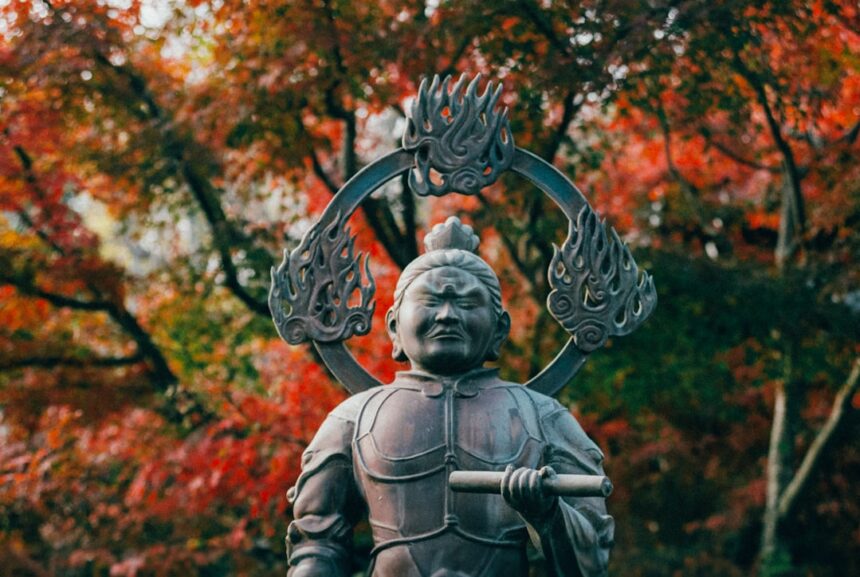
Spiritual armor refers to a conceptual framework of protective practices and beliefs designed to provide psychological and spiritual resilience against negative influences and challenging circumstances. This metaphorical armor functions similarly to physical protection, serving as a defensive mechanism against various forms of spiritual or emotional adversity that individuals may encounter in daily life. The concept of spiritual armor appears across multiple religious traditions and philosophical systems, where it represents the mental and spiritual fortitude required to navigate life’s difficulties.
Religious texts, particularly in Christianity, Judaism, and Islam, contain references to spiritual protection through faith-based practices and moral principles. These traditions emphasize the development of inner strength through disciplined spiritual practices. The components of spiritual armor typically include fundamental virtues and practices such as faith, hope, compassion, wisdom, and moral integrity.
Each element serves a distinct protective function: faith provides stability during uncertainty, hope maintains forward momentum during adversity, compassion fosters positive relationships and emotional resilience, and wisdom enables sound decision-making under pressure. These components work collectively to create a comprehensive system of spiritual defense. Research in psychology and religious studies suggests that individuals who maintain strong spiritual practices often demonstrate greater resilience to stress, improved emotional regulation, and enhanced coping mechanisms during difficult periods.
The practice of cultivating spiritual armor involves regular engagement with prayer, meditation, ethical conduct, community involvement, and continuous learning of spiritual principles.
Key Takeaways
- Spiritual armor protects against negative influences by reinforcing faith and identity.
- Recognizing and overcoming spiritual attacks is essential for maintaining inner strength.
- Cultivating a strong spiritual identity involves faith, self-awareness, and community support.
- Regular spiritual disciplines help to strengthen and maintain your spiritual armor.
- Sharing your spiritual identity fosters connection and confidence in your beliefs.
The Importance of Spiritual Identity
Your spiritual identity is a fundamental aspect of who you are. It shapes your beliefs, values, and how you interact with the world around you. Recognizing the importance of this identity allows you to connect more deeply with your purpose and the essence of your being.
When you understand your spiritual identity, you can navigate life’s challenges with a sense of direction and clarity. It serves as a compass that guides your decisions and actions, helping you to align with your true self. Moreover, embracing your spiritual identity fosters a sense of belonging and community.
You may find that when you acknowledge your spiritual roots, you attract like-minded individuals who share similar values and beliefs. This connection can be incredibly enriching, providing support and encouragement as you journey through life. By nurturing your spiritual identity, you not only enhance your own life but also contribute positively to the lives of those around you.
Identifying and Overcoming Spiritual Attacks

Spiritual attacks can manifest in various forms, often leaving you feeling drained or disoriented. These attacks may come in the guise of negative thoughts, self-doubt, or external pressures that challenge your beliefs. Recognizing these attacks is the first step toward overcoming them.
You might notice patterns in your thoughts or feelings that signal an impending attack—perhaps a sudden wave of anxiety or a persistent feeling of inadequacy. By identifying these signs early on, you can take proactive measures to protect your spiritual well-being. Once you’ve identified a spiritual attack, it’s essential to employ strategies to counteract its effects.
This could involve prayer, meditation, or engaging in activities that uplift your spirit. Surrounding yourself with positive influences and affirming your beliefs can also serve as powerful tools in overcoming these challenges. Remember that it’s normal to face spiritual attacks; what matters is how you respond to them.
By developing resilience and employing your spiritual armor, you can emerge stronger and more grounded in your identity.
Strengthening Your Spiritual Armor
To effectively navigate life’s challenges, it’s vital to continually strengthen your spiritual armor. This process involves regular self-reflection and a commitment to personal growth. You might start by assessing the current state of your spiritual armor—what areas feel strong, and where do you sense vulnerability?
By identifying these aspects, you can focus on enhancing specific areas that need attention. Engaging in practices such as prayer, meditation, or studying spiritual texts can significantly bolster your armor. These activities not only deepen your understanding but also reinforce your connection to your beliefs.
Additionally, surrounding yourself with supportive individuals who share your values can provide encouragement and accountability as you work to strengthen your spiritual foundation. Remember that this is an ongoing journey; the more effort you invest in fortifying your armor, the more resilient you’ll become in facing life’s adversities.
Cultivating a Strong Spiritual Identity
| Aspect | Description | Purpose | Common Practices | Impact on Spiritual Growth |
|---|---|---|---|---|
| Faith | Belief and trust in a higher power or spiritual truth | Provides confidence and resilience against doubt | Prayer, meditation, scripture study | Strengthens inner conviction and peace |
| Hope | Expectation of positive outcomes and divine support | Encourages perseverance through challenges | Affirmations, visualization, community support | Enhances motivation and emotional stability |
| Love | Unconditional care and compassion towards self and others | Builds connection and empathy | Acts of kindness, forgiveness, service | Fosters harmony and spiritual maturity |
| Truth | Commitment to honesty and authenticity | Protects against deception and self-delusion | Self-reflection, accountability, study of teachings | Promotes clarity and integrity |
| Peace | Inner calm and acceptance | Shields from anxiety and turmoil | Meditation, breathing exercises, surrender | Improves emotional balance and spiritual focus |
Cultivating a strong spiritual identity requires intentionality and dedication. It begins with self-exploration—taking the time to understand what resonates with you on a spiritual level. You might find it helpful to engage in practices that allow for introspection, such as journaling or spending time in nature.
These moments of reflection can reveal insights about your beliefs and values, helping you to clarify what truly matters to you. As you cultivate this identity, consider how it influences your daily life. Are there specific practices or rituals that help reinforce your spiritual beliefs?
By actively participating in these activities, you not only strengthen your own identity but also contribute positively to the broader community around you.
The Role of Faith in Spiritual Armor

Faith plays a pivotal role in the concept of spiritual armor. It acts as a foundation upon which all other elements are built. When you have faith—whether in a higher power, yourself, or the goodness of humanity—you create a solid base that supports your spiritual journey.
This unwavering belief can serve as a shield against doubt and fear, allowing you to face challenges with confidence. Moreover, faith encourages resilience during difficult times. When faced with adversity, it is often faith that helps you persevere and maintain hope for a brighter future.
By nurturing this aspect of your spiritual armor through prayer, meditation, or community involvement, you reinforce its strength and effectiveness. Remember that faith is not merely a passive belief; it requires active engagement and commitment to grow and flourish.
Embracing Your Unique Spiritual Identity
Embracing your unique spiritual identity is an empowering journey that allows you to celebrate who you are at your core. Each person’s spiritual path is distinct, shaped by individual experiences, beliefs, and values. Acknowledging this uniqueness enables you to appreciate the richness of diversity within the spiritual realm.
Rather than comparing yourself to others or conforming to societal expectations, focus on what resonates with you personally. As you embrace this identity, consider how it influences your interactions with others. Your unique perspective can offer valuable insights and contribute to meaningful conversations within your community.
By sharing your experiences and beliefs openly, you create opportunities for connection and understanding among those around you. Embracing your unique spiritual identity not only enriches your own life but also fosters a sense of unity within the broader tapestry of humanity.
Building a Supportive Spiritual Community
A supportive spiritual community can be instrumental in nurturing your growth and resilience. Surrounding yourself with individuals who share similar values creates an environment where encouragement and understanding thrive. This community serves as a safe space for exploration and expression of beliefs without fear of judgment.
You might find that engaging in group activities—such as study sessions, prayer circles, or volunteer opportunities—deepens your connections with others while reinforcing your own spiritual journey. In addition to providing support during challenging times, a spiritual community can also celebrate milestones and achievements together. Whether it’s personal growth or collective accomplishments, sharing these moments fosters a sense of belonging and camaraderie.
As you build these relationships, remember that mutual support is key; be willing to offer encouragement and understanding to others as well.
Practicing Spiritual Disciplines for Armor
Practicing spiritual disciplines is essential for maintaining and strengthening your spiritual armor. These disciplines encompass various activities designed to deepen your connection with your beliefs and enhance your overall well-being. Regular practices such as prayer, meditation, fasting, or studying sacred texts can help ground you in your faith while fortifying your spirit against external challenges.
Incorporating these disciplines into your daily routine may require intentional effort at first; however, over time they can become integral parts of your life. You might find that setting aside specific times for these practices allows for greater consistency and focus. As you engage in these activities regularly, you’ll likely notice an increase in clarity, peace, and resilience—essential components of a well-fortified spiritual armor.
Finding Peace and Confidence in Your Spiritual Identity
Finding peace and confidence in your spiritual identity is a transformative process that unfolds over time. As you deepen your understanding of who you are spiritually, you’ll likely experience a growing sense of inner calm amidst life’s uncertainties. This peace stems from knowing that you’re aligned with your true self and living authentically according to your beliefs.
Confidence in your spiritual identity allows you to navigate challenges with grace and assurance.
Embracing this confidence empowers you not only to stand firm in your convictions but also to inspire others on their own journeys toward self-discovery.
Sharing Your Spiritual Identity with Others
Sharing your spiritual identity with others can be both liberating and enriching. When you’re open about your beliefs and experiences, it creates opportunities for meaningful conversations that foster understanding and connection. You might find that sharing stories about how you’ve navigated challenges or celebrated milestones resonates deeply with others who may be on similar paths.
Moreover, sharing your spiritual identity encourages vulnerability—a powerful aspect of human connection. By being authentic about who you are spiritually, you invite others to do the same, creating an environment where mutual support flourishes. Remember that sharing doesn’t mean imposing; rather, it’s about offering insights from your journey while respecting the diverse paths others may take.
In conclusion, understanding and embracing both spiritual armor and identity is essential for navigating life’s complexities with resilience and grace. By cultivating these aspects within yourself while fostering connections with others along the way, you’ll create a rich tapestry of support that enhances not only your own journey but also those around you.
In exploring the concept of spiritual identity armor, it’s essential to understand how our inner beliefs and values shape our resilience in the face of life’s challenges. A related article that delves deeper into this topic can be found on Unplugged Psych, which discusses the importance of self-awareness and personal growth in building a strong spiritual foundation. You can read more about it [here](https://www.unpluggedpsych.com/).
FAQs
What is spiritual identity armor?
Spiritual identity armor refers to the metaphorical protection one builds around their sense of self, beliefs, and values to maintain spiritual integrity and resilience against negative influences.
Why is spiritual identity armor important?
It helps individuals stay grounded in their faith or spiritual beliefs, providing strength and clarity during challenging times or when facing doubts and external pressures.
How can someone develop spiritual identity armor?
Developing spiritual identity armor involves practices such as prayer, meditation, studying sacred texts, self-reflection, and surrounding oneself with supportive spiritual communities.
Can spiritual identity armor protect against emotional or mental challenges?
Yes, it can offer emotional and mental resilience by reinforcing a person’s core beliefs and values, helping them navigate stress, fear, and uncertainty with greater stability.
Is spiritual identity armor the same for everyone?
No, it varies based on individual beliefs, experiences, and spiritual traditions. Each person’s spiritual identity armor is unique to their personal journey and faith.
Can spiritual identity armor be harmful?
If it becomes rigid or closed off, it might prevent personal growth or openness to new perspectives. Healthy spiritual identity armor balances protection with openness and humility.
How does spiritual identity armor relate to personal growth?
It provides a foundation from which individuals can explore and deepen their spirituality safely, allowing for growth without losing their core sense of self.
Are there any practices to strengthen spiritual identity armor?
Yes, regular spiritual disciplines such as meditation, prayer, journaling, attending worship services, and engaging in community service can strengthen spiritual identity armor.
Can spiritual identity armor change over time?
Absolutely. As individuals grow and evolve spiritually, their spiritual identity armor may adapt to reflect new insights, experiences, and understandings.
Is spiritual identity armor recognized in all religions?
While the term “spiritual identity armor” may not be used universally, the concept of protecting and nurturing one’s spiritual self is common across many religious and spiritual traditions.