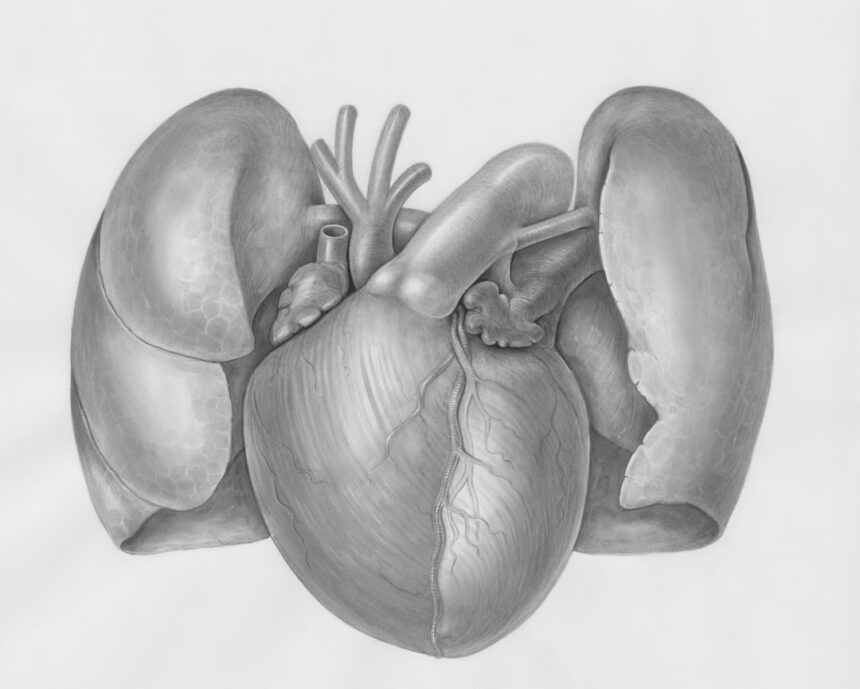
You likely possess a remarkable internal instrument, often overlooked: your heartbeat. For centuries, civilizations have intuited its connection to our inner state, but modern technology, particularly heartbeat tracking, offers a tangible way to explore this profound relationship. Think of your heart as a sophisticated engine, its rhythm a constant signal of its performance. When you’re calm, it hums steadily. When you’re agitated, it might race like a sprinter. Heartbeat tracking, through wearables and apps, provides you with a real-time readout of this engine’s data, transforming an invisible process into a visible, quantifiable metric. This article will delve into how understanding and utilizing this data can empower you to navigate the complex terrain of your emotions, acting as a compass guiding you through internal storms.
The Physiological Foundation: Your Heart’s Silent Language
Your cardiovascular system is not merely a pump; it’s a dynamic network intricately linked with your nervous system, particularly the autonomic nervous system (ANS). The ANS operates largely outside your conscious control, managing vital functions like breathing, digestion, and, crucially, your body’s stress response. It has two primary branches: the sympathetic nervous system (SNS) and the parasympathetic nervous system (PNS).
The Sympathetic Nervous System: The Accelerator
When you encounter a perceived threat, whether it’s a looming deadline or a heated argument, your SNS kicks into gear. This is your body’s “fight or flight” response, an evolutionary adaptation designed to help you survive.
Hormonal Surge: The Cascade of Stress
The SNS triggers the release of stress hormones, primarily adrenaline and cortisol. Adrenaline prepares your body for immediate action by increasing your heart rate, blood pressure, and respiration. Cortisol, while providing sustained energy, can have detrimental effects when chronically elevated. Your heartbeat quickens, becoming a drum solo of urgency.
Physical Manifestations: More Than Just a Rapid Pulse
Beyond a racing heart, the SNS can manifest in various ways. You might experience muscle tension, particularly in your shoulders and neck, as your body braces for action. Blood is diverted from non-essential functions, like digestion, to your muscles. This can lead to a feeling of butterflies in your stomach or a dry mouth. Your pupils may dilate, allowing more light to enter your eyes, enhancing your ability to scan your surroundings for danger.
The Parasympathetic Nervous System: The Brake Pedal
In contrast, your PNS acts as the body’s “rest and digest” system. When you feel safe and relaxed, the PNS takes over, counteracting the effects of the SNS.
The Vagus Nerve: The Communication Superhighway
The vagus nerve, the longest cranial nerve, is a key player in the PNS. It acts as a two-way communication channel between your brain and your internal organs, including your heart. When the PNS is dominant, the vagus nerve signals your heart to slow down, promoting a sense of calm.
Physiological Reversal: Returning to Equilibrium
As the PNS gains dominance, your heart rate gradually decreases. Blood pressure stabilizes, breathing deepens and becomes more regular, and digestive processes resume their activity. Muscle tension eases, and your body transitions from a state of alert to one of recovery and restoration. Think of it as the engine cooling down after a period of strenuous activity.
Recent studies have highlighted the importance of heartbeat tracking in emotional regulation, demonstrating how individuals can gain better control over their emotions by monitoring their physiological responses. For a deeper understanding of this topic, you can explore a related article that discusses various techniques and tools for emotional management through heartbeat awareness. To read more, visit this article.
Heart Rate Variability (HRV): The Nuances of Your Rhythm
While your resting heart rate provides a baseline, another metric, Heart Rate Variability (HRV), offers a more nuanced window into your ANS’s balance and your body’s overall resilience. HRV refers to the natural, slight variations in the time interval between successive heartbeats. It’s not about the overall speed of your heart, but the subtle ebb and flow of its rhythm.
Understanding the Minutiae: Beat-to-Beat Fluctuations
Imagine a perfectly regular drumbeat versus one with subtle, almost imperceptible, variations in timing. A healthy, well-regulated heart exhibits these variations. A high HRV generally suggests that your ANS is flexible and can adapt effectively to different demands. It indicates that your body is capable of both engaging your SNS when needed and effectively shifting back to PNS dominance for recovery.
The HRV Spectrum: High vs. Low
- High HRV: Often associated with good physical and mental health, resilience, and efficient stress management. It signifies a robust and adaptable nervous system. Your heart is like a finely tuned orchestra, with each beat responding dynamically to the environment.
- Low HRV: Can be an indicator of stress, fatigue, illness, or a nervous system that is stuck in a sympathetic overdrive. This doesn’t necessarily mean something is wrong, but it suggests your body might be struggling to find balance. It’s like an orchestra stuck on one note, lacking the fluidity to respond to the conductor’s cues.
Factors Influencing HRV: A Multifaceted Picture
Numerous factors can influence your HRV, including:
- Physical Activity: Both intense exercise and prolonged inactivity can impact HRV.
- Sleep Quality: Restorative sleep is crucial for ANS regulation.
- Nutrition: A balanced diet supports overall physiological health.
- Stress Levels: Chronic stress significantly depresses HRV.
- Age: HRV naturally tends to decrease with age.
- Genetics: Individual genetic predispositions play a role.
- Medical Conditions: Certain illnesses can affect HRV.
Harnessing Heartbeat Tracking: Your Personal Biofeedback Tool
Heartbeat tracking, particularly when focusing on HRV, transforms abstract physiological data into actionable insights. It allows you to become an active participant in managing your well-being by providing you with real-time feedback on your body’s internal state. This is the essence of biofeedback: learning to consciously influence physiological processes that are typically involuntary.
Real-Time Data: The Now-Moment Report
Wearable devices, such as smartwatches and fitness trackers, continuously monitor your heart rate and, in many cases, calculate your HRV. This data is typically displayed through companion apps, allowing you to see your readings throughout the day. You are no longer guessing how you feel; you have a metric to correlate with your subjective experience.
Identifying Patterns: Unveiling Your Emotional Triggers
By consistently tracking your heartbeat and HRV alongside your daily activities and emotional experiences, you can begin to identify patterns.
Correlation with Emotions: Mapping the Landscape
Are there specific situations that consistently cause your heart rate to spike, even if you don’t consciously feel stressed? Does your HRV dip after a poor night’s sleep or a particularly demanding workday? Tracking allows you to create a personal map of your emotional landscape, highlighting the connections between external stimuli and your internal physiological responses. Consider it like charting weather patterns: you start to see which atmospheric conditions (stressors) lead to which meteorological events (physiological changes).
Recognizing Stress States: Early Warning Systems
Early detection of elevated stress can be a game-changer. Witnessing your heart rate climb or your HRV decrease can act as an early warning signal, prompting you to intervene before you become overwhelmed. This is your internal radar system, alerting you to approaching turbulence.
Objective Metrics for Subjective Experiences
Emotions are inherently subjective and can be difficult to articulate or quantify. Heartbeat tracking offers an objective lens through which to view these experiences. When you feel a pang of anxiety, and your heart rate data confirms a significant elevation, it validates your internal experience and provides a concrete starting point for intervention.
Practical Applications: Tools for Emotional Regulation
Once you understand the data, you can begin to employ various techniques, informed by your heartbeat tracking, to actively regulate your emotional state. This is where the compass becomes a steering wheel, allowing you to actively navigate your inner world.
Mindfulness and Meditation: Training the Mind, Calming the Heart
Mindfulness practices, such as deep breathing exercises and meditation, are powerful tools for activating the PNS and promoting a sense of calm.
Breathwork as a Regulator: The Diaphragmatic Anchor
Consciously slowing and deepening your breaths directly impacts your heart rate and HRV. Slowing your exhalations, in particular, stimulates the vagus nerve, signaling your body to relax. You can use your heartbeat data as a feedback mechanism during these exercises. Notice how your heart rate responds as you lengthen your exhales. This provides tangible evidence of your practice’s effectiveness.
Guided Meditations with Biofeedback: Enhancing the Practice
Some meditation apps integrate HRV biofeedback, providing visual cues that respond to your physiological state. As you progress in your meditation, you might see your HRV improve on screen, reinforcing your efforts and providing a sense of accomplishment.
Cognitive Reframing: Shifting Your Perspective
The way you interpret a situation significantly influences your emotional and physiological response. Heartbeat tracking can help you identify when your thoughts are leading to a stress response.
Challenging Unhelpful Thoughts: A Shift in Focus
If you notice your heart rate consistently climbing during a particular type of social interaction, and you identify that your thoughts are focused on potential judgment or rejection, you can consciously work to reframe those thoughts. Instead of “They’re going to think I’m stupid,” try “I am participating and sharing my perspective.” The goal is to identify cognitive distortions – mental shortcuts that are often inaccurate and unhelpful – and replace them with more balanced and realistic ways of thinking.
The Power of Prediction: Foreseeing and Forestalling
By recognizing patterns, you can begin to anticipate situations that might trigger a stress response. This allows you to prepare mentally and employ coping strategies before the situation escalates. It’s like knowing a storm is coming and taking preventive measures to protect your property.
Physical Activity: A Double-Edged Sword
Exercise is a well-known stress reliever, but the intensity and type of activity can have varying effects on your heart rate and HRV.
Moderate Exercise: The Restoration Pathway
Regular, moderate-intensity exercise often leads to an increase in baseline HRV over time. It strengthens your cardiovascular system and improves your body’s ability to recover from stress. You might notice your resting heart rate decreasing and your HRV improving as you build a consistent exercise routine.
High-Intensity Exercise and Recovery: Listening to Your Body
While high-intensity interval training (HIIT) can offer benefits, it also places significant demands on your body. Tracking your heart rate and recovery after such workouts is crucial. Pushing too hard without adequate recovery can lead to prolonged stress and negatively impact your HRV. Pay attention to how quickly your heart rate returns to its resting state post-exercise. This recovery time is a key indicator of your body’s resilience.
Recent research has highlighted the potential of heartbeat tracking as a tool for emotional regulation, providing individuals with insights into their physiological responses during stressful situations. For those interested in exploring this topic further, a related article discusses various techniques for utilizing heartbeat data to enhance emotional awareness and self-regulation. You can read more about these innovative approaches in the article found on Unplugged Psychology. This resource offers valuable information on how monitoring one’s heartbeat can lead to improved emotional health and resilience.
Long-Term Benefits and Considerations: A Sustainable Approach
Integrating heartbeat tracking into your life is not a one-off solution but a continuous journey of self-discovery and self-mastery. The long-term benefits extend beyond immediate stress management, fostering a greater sense of self-awareness and control.
Building Resilience: The Inner Fortitude
By consistently practicing emotional regulation techniques informed by your heartbeat data, you train your ANS to become more adaptable and resilient. You become better equipped to handle life’s inevitable challenges without being completely derailed. It’s like building up your body’s immune system; you become more resistant to external pathogens.
Enhanced Self-Awareness: The Introspective Journey
Heartbeat tracking serves as a powerful catalyst for introspection. It encourages you to pay attention to the subtle signals your body sends, fostering a deeper understanding of your triggers, your coping mechanisms, and your overall well-being. You begin to understand the symphony of your internal world.
Potential Pitfalls: Navigating the Data
While valuable, it’s important to approach heartbeat tracking with a balanced perspective.
The Dangers of Obsession: Avoid Data Fixation
Constantly scrutinizing your data without context can lead to anxiety or an unhealthy obsession with numbers. Remember, your data is a tool, not a definitive judgment of your worth or well-being. It’s like obsessing over the speedometer and neglecting the actual act of driving.
Individual Variation: Not One-Size-Fits-All
HRV and heart rate norms vary significantly from person to person. What might be considered a “low” HRV for one individual may be perfectly normal for another. Focus on your own trends and improvements rather than comparing yourself to generalized benchmarks.
Seeking Professional Guidance: When to Consult Experts
Heartbeat tracking is not a substitute for professional medical or psychological care. If you are experiencing persistent anxiety, depression, or other significant mental health concerns, it is essential to consult with a qualified healthcare provider. They can interpret your data within a broader clinical context and provide appropriate treatment.
In conclusion, your heartbeat is a constant, rhythmic narrative of your physiological state. By embracing heartbeat tracking, you gain the ability to read this narrative, understand its nuances, and use that knowledge to actively steer your emotional ship. It’s not about eliminating emotions – that’s an impossible and undesirable goal. Instead, it’s about developing the skills and awareness to navigate your emotional currents with greater skill, resilience, and self-compassion.

WATCH NOW ▶️ SHOCKING: Why Your “Intuition” Is Actually a Prediction Error
FAQs
What is heartbeat tracking for emotional regulation?
Heartbeat tracking for emotional regulation is a technique where individuals monitor their heart rate to gain awareness of their emotional state. By observing changes in their heartbeat, people can identify stress, anxiety, or calmness and use this information to manage their emotions more effectively.
How does heartbeat tracking help in managing emotions?
Heartbeat tracking helps by providing real-time feedback on physiological responses linked to emotions. When a person notices an elevated heart rate, it can signal stress or anxiety, prompting them to use relaxation techniques such as deep breathing or mindfulness to regulate their emotional state.
What tools are commonly used for heartbeat tracking?
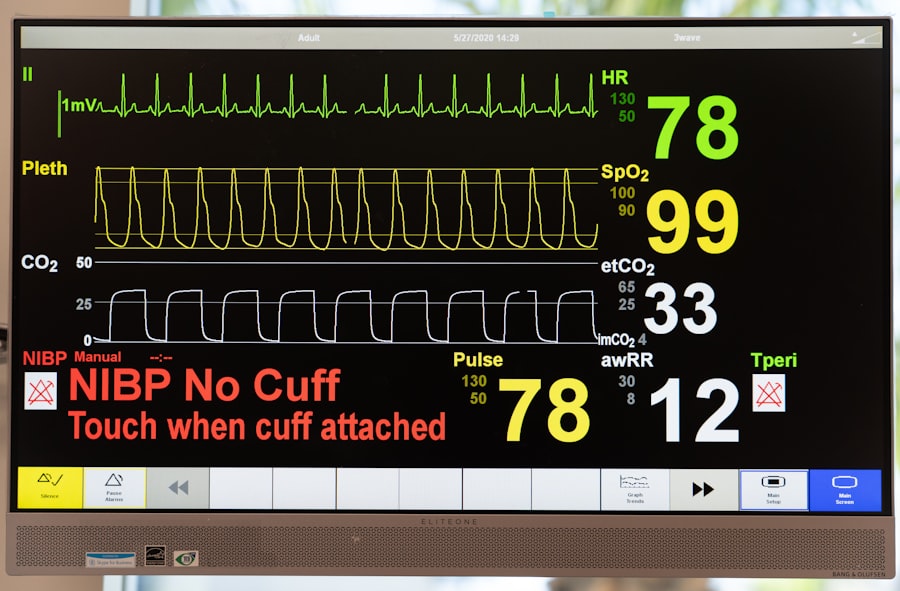
Common tools for heartbeat tracking include wearable devices like smartwatches and fitness trackers, heart rate monitors, and mobile apps designed to measure and display heart rate data. These tools allow continuous or on-demand monitoring to support emotional regulation practices.
Is heartbeat tracking effective for everyone?
While heartbeat tracking can be beneficial for many people, its effectiveness varies depending on individual differences and how consistently the technique is applied. Some individuals may find it easier to interpret and respond to heart rate data, while others might need additional support or complementary strategies.
Can heartbeat tracking be integrated with other emotional regulation techniques?
Yes, heartbeat tracking can be combined with other emotional regulation methods such as mindfulness meditation, cognitive-behavioral strategies, and breathing exercises. Using heartbeat data as feedback can enhance the effectiveness of these techniques by helping individuals recognize when to apply them.