
Spiritual awakening is a highly individualized process that often prompts deep questioning of one’s fundamental beliefs, values, and sense of self. This period typically involves intense self-reflection, which can simultaneously feel enlightening and challenging as individuals examine their core identity and confront personal truths. Many people report experiencing heightened awareness during this time, perceiving their surroundings with greater intensity and noticing meaningful coincidences or intuitive guidance that seems to reveal deeper purpose.
This transformative process benefits from a non-judgmental approach to emerging insights and realizations. Clarity and confusion may alternate throughout the experience, representing natural aspects of personal evolution. Spiritual awakening generally follows a non-linear progression with varying intensities and phases rather than a straightforward path.
Each component of the journey—whether challenging or affirming—contributes to personal development, reshaping one’s worldview and facilitating greater self-understanding.
Key Takeaways
- Spiritual awakening is a personal and unique journey that requires embracing your individual path.
- Letting go of external expectations allows you to honor your intuition and inner guidance.
- Connecting deeply with your inner self fosters growth, change, and self-compassion.
- Mindfulness and presence help integrate spirituality into everyday life.
- Finding support and celebrating your progress strengthens your spiritual journey.
Embracing Your Unique Path
Your spiritual journey is distinctly yours, and embracing this uniqueness is vital for your growth. You may find that what resonates with others does not necessarily resonate with you, and that’s perfectly okay. It’s essential to honor your individual experiences and insights as you navigate this path.
Trust that your intuition will guide you toward what feels right for you, even if it diverges from the mainstream. As you embrace your unique path, consider exploring various spiritual practices that pique your interest.
Whether it’s meditation, yoga, journaling, or connecting with nature, allow yourself the freedom to experiment. You may discover that certain practices resonate deeply with you while others do not. This exploration is not just about finding what works; it’s about understanding yourself on a deeper level.
By honoring your individuality, you empower yourself to create a spiritual practice that reflects who you truly are.
Letting Go of Expectations
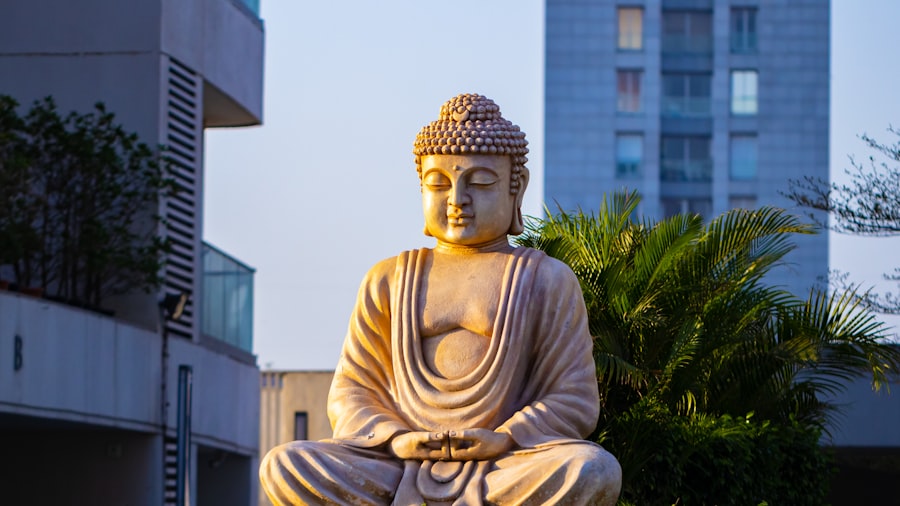
One of the most liberating aspects of your spiritual journey is learning to let go of expectations. You may have preconceived notions about what spiritual awakening should look like or how quickly you should progress. However, clinging to these expectations can lead to frustration and disappointment.
Instead, try to approach your journey with an open heart and mind, allowing experiences to unfold naturally. By releasing the need for specific outcomes, you create space for genuine growth and transformation. Letting go of expectations also means embracing uncertainty.
You might find comfort in knowing that not every moment will be filled with profound insights or revelations. Some days may feel mundane or even challenging, but these experiences are just as valuable as the enlightening ones. By accepting the ebb and flow of your journey, you cultivate resilience and adaptability.
This mindset shift allows you to appreciate each moment for what it is, rather than what you think it should be.
Honoring Your Intuition
Your intuition is a powerful guide on your spiritual journey, and learning to honor it can lead to profound insights and clarity. You may have moments when you feel a strong pull toward a particular decision or path; these feelings are often rooted in your inner wisdom. Trusting your intuition requires practice and patience, especially if you’ve been conditioned to rely on external validation or logic.
Start by tuning into your body’s signals—notice how certain thoughts or situations make you feel physically and emotionally. As you cultivate a deeper connection with your intuition, consider setting aside time for reflection and quietude. This could involve meditation, journaling, or simply spending time in nature.
These practices can help you attune to your inner voice and discern its messages more clearly. Remember that intuition often speaks in subtle whispers rather than loud proclamations; learning to listen requires sensitivity and openness. By honoring your intuition, you empower yourself to make choices that align with your true self.
Connecting with Your Inner Self
| Metric | Description | Measurement Method | Typical Range | Significance |
|---|---|---|---|---|
| Self-Awareness Level | Degree of conscious recognition of inner thoughts and feelings | Self-assessment questionnaires, mindfulness scales | Low to High | Indicates progress in understanding true self |
| Authenticity Score | Extent to which actions align with personal values and beliefs | Authenticity inventories, reflective journaling | 0 to 100% | Measures congruence between inner self and outward behavior |
| Emotional Resilience | Ability to cope with emotional challenges during awakening | Psychological resilience scales, stress response tests | Low to High | Reflects capacity to maintain balance amid transformation |
| Spiritual Connection | Sense of connection to a higher power or universal energy | Spiritual well-being questionnaires, meditation frequency | Weak to Strong | Indicates depth of spiritual engagement |
| Inner Peace | Level of calmness and acceptance experienced internally | Self-report scales, physiological measures (heart rate variability) | Low to High | Signifies emotional and spiritual harmony |
| Growth Mindset | Openness to learning and evolving through the journey | Mindset assessments, reflective practices | Fixed to Growth | Supports continuous personal and spiritual development |
| Community Engagement | Participation in supportive spiritual or authenticity-focused groups | Frequency of group activities, social support surveys | None to Frequent | Enhances accountability and shared growth |
Connecting with your inner self is a vital aspect of spiritual awakening. This process involves delving into the depths of your being to uncover your true essence—your values, desires, and passions. You may find that societal expectations or past experiences have obscured this connection, making it challenging to understand who you truly are.
Take time to engage in self-reflection and exploration; ask yourself meaningful questions about what brings you joy and fulfillment. Engaging in creative activities can also facilitate this connection. Whether it’s painting, writing, or dancing, expressing yourself artistically allows you to tap into your inner self in a profound way.
These activities can serve as a bridge between your conscious mind and deeper layers of awareness. As you connect with your inner self, you may discover hidden talents or passions that ignite a sense of purpose within you. Embrace this journey of self-discovery; it’s an essential part of your spiritual evolution.
Embracing Change and Growth

Change is an inherent part of life, and embracing it is crucial for your spiritual growth. As you awaken spiritually, you may find that old beliefs or habits no longer serve you. This realization can be unsettling, but it also presents an opportunity for transformation.
Allow yourself to let go of what no longer aligns with your evolving self; this process may involve shedding relationships, routines, or thought patterns that hinder your progress. Embracing change also means being open to new experiences and perspectives. You might find that stepping outside of your comfort zone leads to unexpected growth opportunities.
Whether it’s trying a new practice, meeting new people, or exploring different philosophies, each experience contributes to your spiritual development. Remember that growth often comes with discomfort; it’s through navigating challenges that you cultivate resilience and strength.
Finding Support and Community
As you navigate your spiritual journey, finding support and community can be invaluable. Connecting with like-minded individuals who share similar interests can provide encouragement and inspiration along the way. You might consider joining local groups or online communities focused on spirituality or personal development.
Engaging in discussions with others can help validate your experiences and offer fresh perspectives on your journey. In addition to seeking community, don’t hesitate to reach out for guidance from mentors or teachers who resonate with you. Their insights can provide clarity and direction as you explore different aspects of spirituality.
Remember that everyone’s journey is unique; while others may offer valuable wisdom, trust your own instincts as you navigate this path.
Practicing Self-Compassion
Self-compassion is a vital practice on your spiritual journey; it allows you to approach yourself with kindness and understanding during challenging times. You may encounter moments of doubt or frustration as you navigate the complexities of awakening; during these times, it’s essential to treat yourself with the same compassion you would offer a friend. Acknowledge that growth is not always linear and that setbacks are part of the process.
Incorporating self-compassion into your daily life can take many forms—whether through affirmations, journaling about your feelings, or simply taking time for self-care activities that nourish your soul. By cultivating a compassionate relationship with yourself, you create a safe space for healing and growth. This practice encourages resilience and fosters a deeper connection with your inner self.
Embracing Mindfulness and Presence
Mindfulness is a powerful tool for enhancing your spiritual journey; it invites you to be fully present in each moment without judgment or distraction. As you cultivate mindfulness in your daily life, you may find that ordinary experiences become infused with meaning and beauty. Whether it’s savoring a meal, enjoying nature, or engaging in conversation, being present allows you to connect more deeply with yourself and the world around you.
To embrace mindfulness, consider incorporating practices such as meditation or mindful breathing into your routine. These techniques can help ground you in the present moment and cultivate awareness of your thoughts and feelings without attachment. As you develop this skill, you may notice an increased sense of peace and clarity in your life—a valuable asset as you navigate the ups and downs of your spiritual journey.
Integrating Spirituality into Daily Life
Integrating spirituality into your daily life is essential for maintaining a sense of connection as you navigate the complexities of existence. This doesn’t mean adhering strictly to rituals or practices; rather, it involves infusing everyday moments with intention and awareness. You might find joy in simple acts such as expressing gratitude for the little things or taking mindful walks in nature—these moments can serve as reminders of the sacredness inherent in life.
Consider creating a daily routine that incorporates spiritual practices that resonate with you—whether it’s morning meditation, evening reflection, or setting intentions for the day ahead. By weaving spirituality into the fabric of your daily life, you cultivate a deeper sense of purpose and connection to yourself and the universe around you.
Celebrating Your Journey and Progress
As you continue on this path of spiritual awakening, take time to celebrate your journey and progress—no matter how small the steps may seem. Acknowledge the growth you’ve experienced and the lessons you’ve learned along the way; each moment contributes to the tapestry of who you are becoming. Celebrating milestones can serve as powerful reminders of how far you’ve come and inspire continued exploration.
You might consider keeping a journal where you document significant insights or achievements throughout your journey. Reflecting on these moments can provide motivation during challenging times when doubt creeps in. Remember that every step forward—no matter how incremental—is worthy of recognition; honor yourself for embracing this transformative journey toward greater awareness and connection with your true self.
In conclusion, navigating a spiritual awakening is an intricate dance between understanding yourself deeply and embracing the unique path laid out before you. By letting go of expectations, honoring intuition, connecting with your inner self, embracing change, finding support, practicing self-compassion, cultivating mindfulness, integrating spirituality into daily life, and celebrating progress along the way—you empower yourself to embark on this beautiful journey toward enlightenment and fulfillment.
Embarking on a spiritual awakening authenticity journey can be both transformative and challenging. For those seeking guidance and insights, an excellent resource is the article available at unpluggedpsych.
com/’>Unplugged Psych, which delves into the nuances of self-discovery and the importance of embracing one’s true self. This article offers practical tips and reflections that can aid individuals on their path to authenticity and deeper spiritual understanding.
FAQs
What is a spiritual awakening?
A spiritual awakening is a profound shift in consciousness where an individual becomes more aware of their inner self, purpose, and connection to the universe. It often involves a deeper understanding of life, increased empathy, and a sense of inner peace.
What does authenticity mean in the context of a spiritual awakening?
Authenticity in a spiritual awakening refers to living in alignment with one’s true self, values, and beliefs. It means embracing who you genuinely are without pretense or societal conditioning, allowing your spiritual growth to reflect your unique identity.
How can one begin their authenticity journey during a spiritual awakening?
Starting an authenticity journey involves self-reflection, mindfulness, and honest evaluation of one’s beliefs and behaviors. Practices such as meditation, journaling, and seeking guidance from spiritual mentors can help individuals uncover their true selves and live more authentically.
What are common signs of a spiritual awakening?
Common signs include increased self-awareness, a desire for deeper meaning, heightened intuition, emotional sensitivity, changes in relationships, and a feeling of interconnectedness with all life.
Can a spiritual awakening be challenging?
Yes, spiritual awakenings can be challenging as they often involve confronting deep-seated fears, beliefs, and emotional patterns. This process can lead to periods of confusion, emotional upheaval, and a reevaluation of life choices.
Is the journey toward authenticity a one-time event or ongoing process?
The journey toward authenticity is ongoing. As individuals grow and evolve, they continuously learn more about themselves and adjust their lives to remain true to their evolving sense of self.
How does spiritual awakening impact daily life?
A spiritual awakening can lead to greater compassion, improved relationships, clearer life purpose, and healthier lifestyle choices. It often encourages living with intention and mindfulness in everyday activities.
Are there specific practices that support spiritual awakening and authenticity?
Yes, practices such as meditation, yoga, mindfulness, journaling, spending time in nature, and engaging in creative expression can support spiritual awakening and help cultivate authenticity.
Can spiritual awakening happen spontaneously or does it require effort?
Spiritual awakening can occur spontaneously or as a result of intentional effort. Some people experience sudden awakenings, while others undergo gradual growth through consistent spiritual practices.
Is it necessary to follow a particular religion or belief system to experience a spiritual awakening?
No, spiritual awakening is a personal experience and does not require adherence to any specific religion or belief system. It is about personal growth and connection to one’s inner self and the universe.