
You are standing at a crossroads. One path gleams with the promise of immediate gains, a shimmering mirage of quick wins and easy profits. The other, less immediately dazzling, is paved with something more enduring – your values. This guide is for you, the discerning individual, who understands that true progress is not a sprint but a marathon, and that the fuel for that marathon must be as pure as your destination. Embracing values-first thinking means consciously choosing to anchor your decisions, actions, and aspirations in your core principles, transforming them from abstract ideals into actionable blueprints for your life and work.
Before you can build anything of substance, you need to understand the soil you’re working with. Your values are that soil – the foundational beliefs that inform your perspective and guide your behavior. They are the unwritten constitution of your inner world, dictating what you deem right, important, and worthy of your pursuit.
Identifying Your Personal Values: A Navigational Chart
Think of your values as the stars by which you navigate life. Without them, you drift. Identifying them requires introspection, a deep dive into your own consciousness. Consider moments in your past where you felt a strong sense of purpose, pride, or even indignation. What was at the heart of those feelings? Were you defending fairness? Championing innovation? Nurturing growth?
- Recall Defining Moments: Reflect on significant decisions you’ve made. What principles were at play? Conversely, consider times you experienced regret; what values were compromised? These reflections act like a compass, pointing you towards your deeply held beliefs.
- Examine Your Reactions: How do you respond to news, social issues, or conflicts? Your instinctive reactions often reveal your underlying values. A surge of anger at injustice points to a value of fairness, while a desire to help someone in need signals compassion.
- Consider What Energizes You: What activities and pursuits leave you feeling fulfilled and energized? These are often aligned with your core values. If you find joy in mentoring others, personal growth and development are likely significant values for you.
- Engage in Value Exercises: Numerous exercises exist to help you pinpoint your values. These might involve creating a list of common values and ranking them, or responding to hypothetical scenarios. Treat these as a scientific inquiry into your own psyche.
Differentiating Values from Preferences and Goals: Precision in Language
It is crucial to distinguish between values, preferences, and goals. Your preference for a certain color is just that – a preference, subject to fleeting trends. Your goal to get a promotion is a specific outcome. Your values, however, are the guiding forces behind your preferences and the motivation behind your goals.
- Values as Enduring Principles: Values are enduring. Honesty, for example, is likely to remain important to you throughout your life, regardless of your current job or living situation. Preferences and goals can change.
- Values as Motivators: Values are the “why” behind your goals. You might have a goal to save money, but your underlying value of security or financial independence is what truly drives that objective.
- Values as Evaluative Lenses: Values provide the lens through which you evaluate your progress towards goals and the desirability of your preferences. You might achieve a promotion (goal), but if it required compromising your integrity (value), the achievement might feel hollow.
In exploring the concept of values-first thinking, it’s essential to understand how aligning our decisions with our core values can lead to more fulfilling outcomes. A related article that delves deeper into this topic is available at Unplugged Psychology, where you can find insights on practical strategies to implement values-first thinking in everyday life. This resource offers valuable guidance for anyone looking to enhance their decision-making process by prioritizing what truly matters to them.
Integrating Values into Decision-Making: The Architect of Your Choices
Once you have a clear understanding of your values, the next step is to weave them into the fabric of your decision-making processes. This isn’t about making abstract pronouncements; it’s about creating a practical framework where your values act as the primary filters for every choice you encounter.
The Value-Alignment Framework: A Practical Blueprint
Develop a personal framework for evaluating decisions against your values. This is not a rigid algorithm, but a flexible, yet systematic, approach that ensures your values are active participants in the process.
- Define the Decision: Clearly articulate the decision you need to make. What are the options? What are the potential outcomes?
- Identify Relevant Values: For each option, ask yourself: “Which of my core values are most directly impacted by this decision?” It’s like holding each option up to the light of your value constellation.
- Assess Alignment: How does each option align with or contravene your identified values? Be honest and rigorous in this assessment. A decision might offer a short-term benefit but violate a core value, creating a future dissonance.
- Prioritize and Select: Based on the alignment assessment, prioritize the options that best uphold your values. In situations where no option perfectly aligns, choose the one that represents the least compromise to your most important principles.
- Reflect and Refine: After making a decision and observing its outcomes, reflect on the process. Did your values effectively guide you? Are there adjustments you can make to your framework for future decisions? This is an iterative process, like sculpting a masterpiece.
The Ripple Effect of Value-Driven Choices: Beyond Immediate Impact
Your decisions, especially those rooted in values, have a ripple effect that extends far beyond the immediate outcome. Like a stone dropped into a pool, the ripples spread outwards, influencing your relationships, your reputation, and the broader environment.
- Building Trust and Credibility: Consistently making decisions that align with your stated values builds trust and credibility with others. People learn to rely on your integrity, making collaborations and relationships stronger.
- Enhancing Personal Integrity: When your actions are in harmony with your beliefs, your sense of self-worth and integrity is fortified. This internal congruence leads to greater peace of mind and a stronger sense of identity.
- Inspiring Others: By demonstrating the power of value-based decision-making, you can subtly inspire those around you to consider their own principles. Your actions become a silent sermon.
- Creating a Positive Culture: In a professional setting, a commitment to values-first thinking can foster a culture of ethical conduct, accountability, and shared purpose. This attracts like-minded individuals and contributes to a healthier, more productive environment.
Cultivating Values-First Habits: The Daily Practice
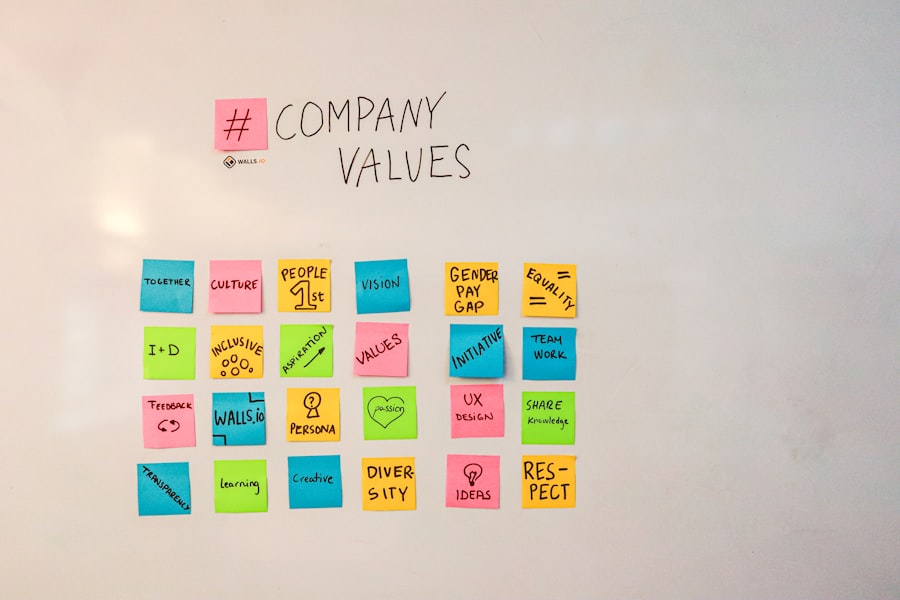
Embracing values-first thinking is not a one-time event; it is a continuous cultivation, a daily practice that embeds your principles into your very being. Like tending a garden, it requires consistent effort and attention to ensure your values
flourish.
The Power of Small, Consistent Actions: Incremental Growth
Significant change often arises not from grand gestures, but from the accumulation of small, consistent actions. These daily habits act as the steady nourishment for your values.
- Morning Reflection: Begin your day by briefly reviewing your core values and how you intend to embody them. This sets an intentional tone for the hours ahead.
- Pause Before Reacting: In moments of stress or challenge, consciously pause before responding. Ask yourself: “What would someone who embodies my values do in this situation?” This brief interlude can be a powerful rudder.
- Regular Value Check-ins: Schedule regular times, perhaps weekly or monthly, to review your recent decisions and actions. Assess whether they were aligned with your values. This self-audit is crucial for course correction.
- Seek Feedback: Ask trusted colleagues, friends, or mentors for feedback on how well your actions reflect your stated values. External perspectives can offer valuable insights you might overlook.
Developing Resilience in the Face of Opposition: The Sturdy Oak
There will be times when upholding your values comes at a cost. You may face criticism, opposition, or even personal sacrifice. Developing resilience is key to navigating these challenges and remaining steadfast.
- Understand the Source of Resistance: Is the opposition rooted in misunderstanding, a clash of different values, or an attempt to undermine your position? Understanding the source can help you respond more effectively.
- Focus on Your “Why”: When faced with resistance, remind yourself of the fundamental reasons why these values are important to you. Reconnecting with your purpose can strengthen your resolve.
- Communicate Your Rationale: When appropriate, clearly and calmly explain the values that underpin your decisions. Sometimes, informed dialogue can bridge divides.
- Learn from Compromise (When Necessary and Ethical): In complex situations, there may be instances where a compromise is necessary to achieve a greater good, provided it does not fundamentally violate your core values. Distinguish between ethical compromise and capitulation. A well-designed bridge might have a slight curve, but it still connects the two shores.
The Long-Term Impact of Values-First Thinking: A Legacy of Substance
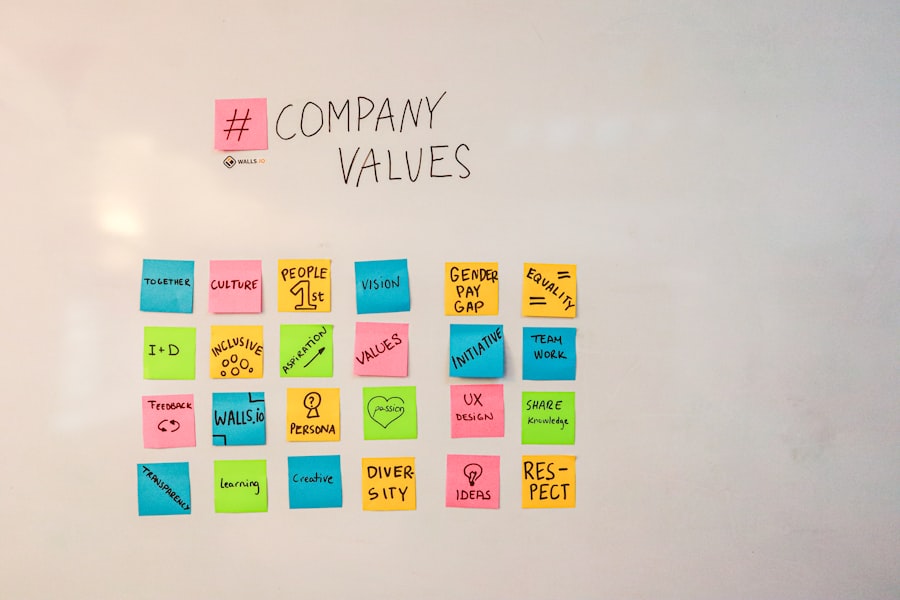
Embracing values-first thinking is an investment with profound long-term returns, not just for you, but for those you interact with and for the broader systems you inhabit. It is the quiet architect of a meaningful and impactful life.
Building a Reputation of Integrity: The Unshakeable Foundation
Your reputation, like a well-built structure, is constructed brick by brick through your consistent actions. When those bricks are laid with the mortar of your values, the structure becomes unshakeable.
- Consistency Breeds Trust: When your words and deeds are consistently aligned with your values, people learn to trust you implicitly. This trust is a valuable currency in all aspects of life.
- Attracting Like-Minded Individuals: A reputation for integrity acts as a magnet, drawing individuals who share similar ethical standards and aspirations. This fosters stronger networks and more fulfilling collaborations.
- Navigating Ethical Dilemmas: When faced with ethical dilemmas, a strong reputation for values-first thinking can provide a buffer. Others are more likely to assume good intent and offer support when you are perceived as acting with integrity.
Fostering Meaning and Purpose: The Guiding Light Within
Beyond external recognition, the most significant impact of values-first thinking is the internal sense of meaning and purpose it cultivates. It transforms mundane tasks into contributions and challenges into opportunities for growth.
- Alignment with a Greater Good: When your actions are rooted in values like service, justice, or compassion, you connect your individual efforts to a larger, more meaningful purpose.
- Intrinsic Motivation: Values-first thinking fuels intrinsic motivation. You are driven by an internal compass of what is right and important, rather than solely by external rewards or pressures.
- Resilience in Adversity: A strong sense of purpose can provide profound resilience during difficult times. Knowing you are acting in accordance with your deepest beliefs offers solace and motivation to persevere.
- A Life Well-Lived: Ultimately, values-first thinking is about crafting a life that resonates with your authentic self. It leads to a sense of fulfillment and a legacy that extends beyond material accomplishments. Think of it as building a legacy not of stone, but of character.
Values first thinking is a powerful approach that emphasizes aligning decisions and actions with one’s core beliefs and values. For those looking to explore this concept further, an insightful article can be found at this link, which provides practical strategies for implementing values first thinking in everyday life. By prioritizing what truly matters, individuals can enhance their decision-making processes and lead more fulfilling lives.
Overcoming Obstacles to Values-First Thinking: Navigating the Rough Seas
| Step | Description | Example | Metric for Success |
|---|---|---|---|
| 1. Identify Core Values | Determine the fundamental beliefs that guide your decisions. | Integrity, Respect, Innovation | Number of clearly defined values |
| 2. Prioritize Values | Rank values in order of importance to guide decision-making. | Integrity > Innovation > Respect | Percentage of decisions aligned with top values |
| 3. Apply Values to Decisions | Use prioritized values as a filter for choices and actions. | Choosing transparency over short-term gain | Consistency score in decision alignment |
| 4. Reflect and Adjust | Regularly review decisions to ensure they reflect core values. | Monthly review meetings | Frequency of value-based reviews |
| 5. Communicate Values | Share values with team or stakeholders to foster alignment. | Publishing a values statement | Employee/stakeholder understanding rate |
The path of values-first thinking is not always smooth. You will encounter obstacles, internal and external, that can make it challenging to stay the course. Recognizing and addressing these challenges is critical for sustained success.
The Siren Song of Short-Term Gains: Immediate Gratification
The allure of quick wins and immediate gratification can be powerful, tempting you to deviate from your values for the promise of faster results. This is akin to being lured by the siren song, knowing the peril that lies beneath the beautiful melody.
- Forecasting Long-Term Consequences: Before succumbing to a short-term gain, consciously consider the long-term implications for your values and reputation. Will this immediate reward create future regret?
- Exploring Alternative Paths: Often, there are alternative paths that allow for progress without compromising your values. Invest time in finding these solutions.
- Understanding the True Cost: Recognize that short-term gains achieved through value compromise come with a hidden cost – the erosion of integrity and trust. This cost often outweighs the immediate benefit.
- Seizing Opportunities for Value Reinforcement: Sometimes, situations that appear to offer short-term gains can be reframed as opportunities to proactively demonstrate your commitment to your values, thereby strengthening your position in the long run.
Navigating Pressure from External Stakeholders: The Shifting Sands
External pressures, whether from superiors, clients, or societal expectations, can create a challenging environment for upholding your values. The influence exerted can feel like shifting sands, attempting to erode your firm footing.
- Clearly Articulate Your Values and Rationale: When faced with pressure, calmly and professionally articulate the values that guide your decisions and the rationale behind your choices. Educating stakeholders can be a powerful tool.
- Seek Allies and Champions: Identify individuals within your network who understand and support your commitment to values. Having allies can provide crucial support and advocacy.
- Understand the Boundaries of Compromise: Define for yourself the non-negotiable aspects of your values. Knowing where your boundaries lie will help you resist unreasonable pressure.
- Consider the Impact on Your Own Integrity: Ultimately, the decision rests with you. Evaluate how complying with external pressure would impact your own sense of integrity and peace of mind. The external storm may pass, but the internal disquiet can linger.
Embracing values-first thinking is a journey, not a destination. It requires continuous self-awareness, conscious effort, and unwavering commitment. By understanding your core principles, integrating them into your decision-making, cultivating consistent habits, and navigating the inevitable obstacles, you can build a life and career of substance, integrity, and lasting impact. You are the architect of your own journey; choose to build it on a foundation of enduring values.
FAQs
What is values first thinking?
Values first thinking is a decision-making approach that prioritizes personal or organizational core values before considering options or outcomes. It helps ensure choices align with what matters most.
How can I identify my core values for values first thinking?
You can identify core values by reflecting on what principles guide your behavior, what motivates you, and what you consider non-negotiable. Writing down key beliefs and ranking them can clarify your values.
Why is values first thinking important?
Values first thinking promotes consistency, integrity, and long-term satisfaction by aligning decisions with fundamental beliefs. It reduces internal conflict and helps maintain focus on meaningful goals.
How do I apply values first thinking in everyday decisions?
Start by clearly defining your values, then evaluate options based on how well they align with those values. Choose the option that best reflects your priorities, even if it requires short-term sacrifices.
Can values first thinking be used in organizations?
Yes, organizations use values first thinking to guide strategy, culture, and employee behavior. Defining and communicating core values helps ensure decisions support the company’s mission and ethical standards.