
Rebirth is a profound concept that transcends mere physical existence; it embodies the idea of transformation and renewal on a spiritual level. You may find that rebirth is not just about starting over but rather about evolving into a more enlightened version of yourself. This process often involves shedding old beliefs, habits, and emotional baggage that no longer serve you.
It invites you to explore the depths of your being, encouraging you to confront your fears and limitations. As you delve into this journey, you may discover that rebirth is a continuous cycle, one that allows you to reinvent yourself time and again. In many spiritual traditions, rebirth is seen as a necessary step toward enlightenment.
You might resonate with the notion that every ending is merely a new beginning. This perspective can be liberating, as it empowers you to view challenges and setbacks as opportunities for growth. By embracing the idea of rebirth, you can cultivate resilience and adaptability in the face of life’s uncertainties.
It encourages you to let go of the past and embrace the present moment, allowing for a deeper connection with your true self.
Key Takeaways
- Rebirth involves embracing change, letting go of the past, and finding new purpose.
- Recognizing spiritual crisis signs helps initiate healing and transformation.
- Mindfulness, meditation, and self-care nurture inner peace and holistic well-being.
- Connecting with nature and spiritual communities provides support and solace.
- Exploring new beliefs fosters spiritual growth and meaningful life after crisis.
Recognizing the signs of a spiritual crisis
A spiritual crisis can manifest in various ways, often leaving you feeling lost, disconnected, or overwhelmed. You may notice a sense of emptiness or dissatisfaction with your current life circumstances. This feeling can be accompanied by existential questions about your purpose and the meaning of life.
Recognizing these signs is the first step toward addressing your spiritual needs. You might find yourself questioning long-held beliefs or feeling a disconnection from your spiritual practices, which can be unsettling but also serves as a catalyst for change. Another sign of a spiritual crisis is an increased sense of anxiety or restlessness.
You may feel as though something is missing, leading to a search for deeper fulfillment. This inner turmoil can prompt you to seek answers outside yourself, whether through relationships, material possessions, or external validation. However, it’s essential to understand that these external pursuits often provide only temporary relief.
Acknowledging your spiritual crisis allows you to turn inward and explore the root causes of your discontent, paving the way for healing and transformation.
Embracing change and letting go of the past

Embracing change is a vital aspect of personal growth and spiritual renewal. You may find that change often brings discomfort, as it challenges your established routines and beliefs. However, it is essential to recognize that change is an inevitable part of life.
By accepting this reality, you can begin to let go of attachments to the past that no longer serve your highest good. This process may involve releasing old grudges, forgiving yourself and others, and making peace with past experiences. Letting go can be liberating; it opens up space for new opportunities and experiences to enter your life.
You might consider journaling or engaging in creative expression as a means to process your emotions and release what no longer serves you. As you navigate this journey of letting go, remember that it’s okay to grieve what you are leaving behind. Acknowledging your feelings allows you to honor your past while simultaneously making room for growth and transformation.
Cultivating a mindset of gratitude and acceptance
| Metric | Description | Measurement Method | Typical Range | Impact on Well-being |
|---|---|---|---|---|
| Gratitude Frequency | Number of times gratitude is expressed daily | Self-reported journal entries or surveys | 3-5 times per day | Higher frequency correlates with increased happiness |
| Acceptance Level | Degree of acceptance of life events and emotions | Psychological scales such as the Acceptance and Action Questionnaire (AAQ) | Scores range from 7 (low acceptance) to 49 (high acceptance) | Higher acceptance linked to reduced stress and anxiety |
| Positive Affect | Experience of positive emotions like joy and contentment | Positive and Negative Affect Schedule (PANAS) | Typical scores 20-35 on positive affect scale | Increased positive affect improves overall mental health |
| Resilience | Ability to bounce back from adversity | Connor-Davidson Resilience Scale (CD-RISC) | Scores range from 0 to 100, average around 70 | Higher resilience supports sustained gratitude and acceptance |
| Mindfulness Practice Duration | Time spent daily on mindfulness or meditation | Self-reported minutes per day | 10-30 minutes recommended | Regular practice enhances acceptance and gratitude mindset |
Cultivating gratitude is a powerful practice that can shift your perspective and enhance your overall well-being. You may find that focusing on what you are thankful for helps to counterbalance feelings of negativity or despair during challenging times. By consciously acknowledging the positive aspects of your life, no matter how small, you can foster a sense of abundance and contentment.
Acceptance is another crucial component of this mindset. You might struggle with accepting certain aspects of your life or circumstances, but embracing acceptance allows you to find peace amidst chaos.
It doesn’t mean resigning yourself to situations that are harmful or unfulfilling; rather, it involves recognizing reality as it is and choosing to respond with grace and resilience. By cultivating gratitude and acceptance, you create a solid foundation for personal growth and spiritual renewal.
Connecting with nature and finding solace in the outdoors
Nature has an incredible ability to ground us and provide solace during turbulent times. You may find that spending time outdoors allows you to reconnect with yourself and the world around you. Whether it’s taking a walk in the park, hiking in the mountains, or simply sitting by a river, immersing yourself in nature can be a transformative experience.
The sights, sounds, and smells of the natural world can evoke feelings of peace and clarity, helping you to gain perspective on your life. As you connect with nature, consider engaging in mindfulness practices that enhance your experience. You might try walking meditation or simply sitting quietly and observing your surroundings.
Allow yourself to be fully present in the moment, noticing the beauty around you without judgment. This connection with nature not only nurtures your spirit but also fosters a sense of belonging within the larger tapestry of life.
Seeking support from a spiritual community or mentor
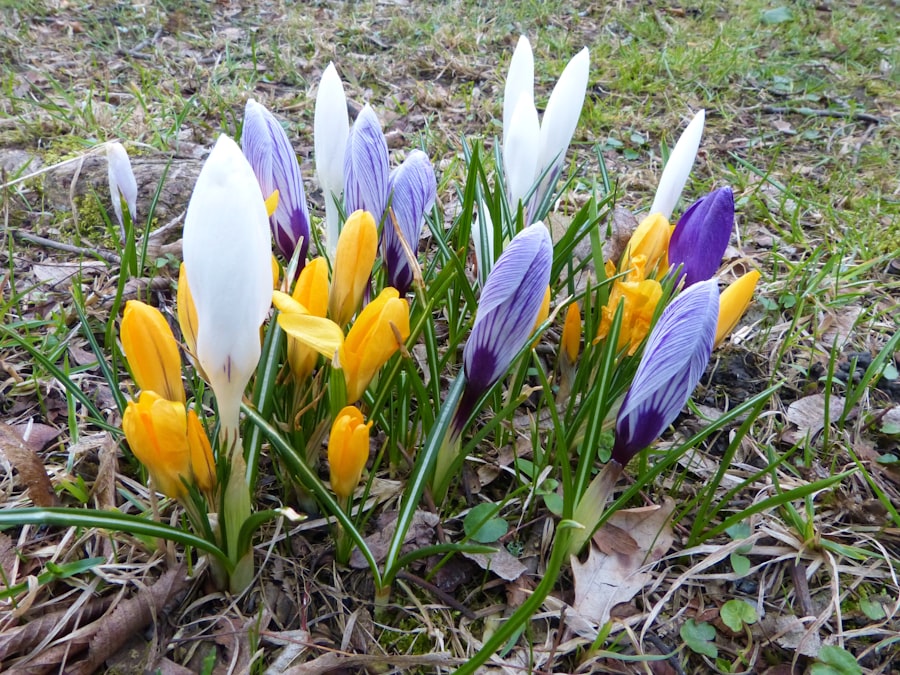
Navigating a spiritual crisis can feel isolating, but seeking support from a community or mentor can provide invaluable guidance and encouragement. You may find comfort in connecting with like-minded individuals who share similar beliefs or experiences. A spiritual community can offer a sense of belonging and understanding, reminding you that you are not alone on this journey.
Engaging in group activities such as workshops, retreats, or discussion circles can deepen your connection with others while providing opportunities for personal growth. A mentor can also play a significant role in your spiritual journey. You might seek out someone who resonates with you—someone who has navigated their own challenges and emerged stronger on the other side.
A mentor can offer insights, wisdom, and support as you explore your own path. They can help you identify patterns in your life and encourage you to embrace change with courage and grace.
Practicing mindfulness and meditation for inner peace
Mindfulness and meditation are powerful tools for cultivating inner peace and clarity during times of spiritual upheaval. You may find that incorporating these practices into your daily routine helps to center your thoughts and emotions. Mindfulness encourages you to be fully present in each moment, allowing you to observe your thoughts without judgment.
This practice can help reduce anxiety and promote a sense of calm amidst chaos. Meditation takes this practice further by providing a dedicated space for introspection and self-discovery. You might experiment with different meditation techniques—such as guided meditations, breath awareness, or loving-kindness meditation—to find what resonates with you.
As you develop a consistent meditation practice, you may notice an increased sense of awareness and connection to your inner self, paving the way for deeper spiritual insights.
Engaging in self-care and nurturing the body, mind, and soul
Self-care is an essential aspect of maintaining balance during times of spiritual crisis. You may find that prioritizing your physical health through proper nutrition, exercise, and rest can significantly impact your overall well-being. Nurturing your body allows you to feel more energized and resilient as you navigate challenges in other areas of your life.
In addition to physical self-care, it’s crucial to nurture your mind and soul as well. Engaging in activities that bring you joy—such as reading, painting, or spending time with loved ones—can help replenish your spirit. You might also consider incorporating practices like yoga or tai chi into your routine to promote harmony between body and mind.
By taking care of yourself holistically, you create a strong foundation for personal growth and spiritual renewal.
Exploring new spiritual practices and beliefs
As you navigate your spiritual journey, exploring new practices and beliefs can open doors to deeper understanding and connection. You may feel drawn to different philosophies or traditions that resonate with your current experiences. This exploration allows you to expand your horizons and discover new ways of connecting with the divine or understanding your place in the universe.
You might consider attending workshops or classes on various spiritual practices—such as energy healing, shamanism, or mindfulness-based stress reduction—to gain insights into different approaches. Reading books or listening to podcasts on spirituality can also provide inspiration as you seek to deepen your understanding. Embracing this exploration encourages curiosity and openness, allowing you to create a personalized spiritual path that aligns with your values and experiences.
Finding purpose and meaning in life after crisis
Emerging from a spiritual crisis often leads to profound insights about purpose and meaning in life. You may find that the challenges you’ve faced have prompted deep reflection on what truly matters to you. This newfound clarity can guide you toward aligning your actions with your values and passions.
As you explore what brings you joy and fulfillment, consider how these elements can shape your future endeavors. Finding purpose may involve setting new goals or pursuing interests that resonate with your authentic self. You might discover that helping others or contributing to a cause close to your heart brings immense satisfaction.
By actively seeking out opportunities for growth and service, you create a meaningful life that reflects your unique journey.
Embracing the journey of spiritual renewal and growth
The journey of spiritual renewal is ongoing; it invites you to embrace change as an integral part of life’s tapestry. You may find that each experience—both joyful and challenging—contributes to your growth as an individual.
As you continue on this path, remember that spiritual growth is not linear; it ebbs and flows like the tides. Celebrate each step forward while acknowledging setbacks as opportunities for learning. By embracing this journey wholeheartedly, you cultivate resilience and strength within yourself—qualities that will serve you well as you navigate future challenges on your path toward enlightenment and fulfillment.
Experiencing a spiritual crisis can often feel overwhelming, but it can also serve as a catalyst for profound personal growth and rebirth. For those seeking guidance on navigating this transformative journey, the article on Unplugged Psych offers valuable insights. You can read more about the process of rebirth after a spiritual crisis in their detailed piece [here](https://www.unpluggedpsych.com/sample-page/). This resource provides practical advice and encouragement for anyone looking to emerge stronger and more aligned with their true self.
WATCH THIS! The Dark Night of the Soul: A Psychological Roadmap to Spiritual Awakening
FAQs
What is a spiritual crisis?
A spiritual crisis, often referred to as a spiritual emergency, is a period of intense inner turmoil and questioning related to one’s beliefs, values, and sense of meaning. It can involve feelings of confusion, despair, and disconnection from previously held spiritual or religious frameworks.
What does rebirth after a spiritual crisis mean?
Rebirth after a spiritual crisis refers to the process of emerging from the crisis with a renewed sense of purpose, clarity, and spiritual understanding. It often involves personal growth, transformation, and the development of a deeper or altered spiritual perspective.
How long does a spiritual crisis typically last?
The duration of a spiritual crisis varies widely depending on the individual and circumstances. It can last from a few weeks to several months or even years. The process of rebirth and healing also varies accordingly.
What are common signs of a spiritual crisis?
Common signs include intense questioning of beliefs, feelings of isolation, existential anxiety, loss of meaning, emotional distress, and sometimes physical symptoms. People may also experience altered states of consciousness or profound insights.
Can a spiritual crisis be harmful?
While challenging, a spiritual crisis is not inherently harmful and can lead to significant personal growth. However, if left unsupported, it may contribute to mental health issues such as depression or anxiety. Professional guidance can be beneficial.
How can one support someone going through a spiritual crisis?
Support can include active listening, offering empathy without judgment, encouraging professional help if needed, and respecting the person’s unique spiritual journey. Providing a safe and understanding environment is crucial.
Are there any recommended practices to facilitate rebirth after a spiritual crisis?
Practices such as meditation, mindfulness, journaling, therapy, spiritual counseling, and engaging in supportive communities can help facilitate healing and rebirth. Each individual’s path may differ.
Is rebirth after a spiritual crisis a common experience?
Yes, many people who undergo a spiritual crisis report experiencing a form of rebirth or transformation, leading to a more authentic and integrated sense of self and spirituality.
Can a spiritual crisis lead to changes in religious or spiritual beliefs?
Yes, a spiritual crisis often prompts reevaluation and sometimes significant changes in one’s religious or spiritual beliefs, practices, and affiliations.
When should someone seek professional help during a spiritual crisis?
Professional help should be sought if the crisis leads to severe emotional distress, suicidal thoughts, or if the individual feels unable to cope. Mental health professionals familiar with spiritual issues can provide appropriate support.