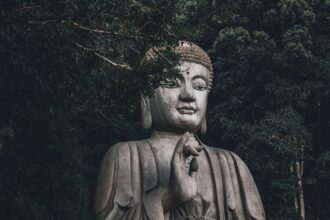
Humility is often perceived as a simple act of modesty or a lack of self-importance, but in a spiritual context, it transcends these definitions. It is a profound recognition of your place in the universe, an acknowledgment that you are part of something greater than yourself. This understanding invites you to see life through a lens of interconnectedness, where your actions and thoughts resonate beyond your immediate surroundings.
When you embrace humility spiritually, you begin to appreciate the divine in others and recognize that everyone has their own unique journey. This perspective fosters compassion and empathy, allowing you to connect with others on a deeper level. In many spiritual traditions, humility is considered a virtue that opens the door to enlightenment and deeper understanding.
It encourages you to let go of the need for validation and to seek wisdom instead. By understanding humility in this way, you can cultivate a mindset that values learning over knowing, and growth over perfection. This shift in perspective can lead to a more fulfilling spiritual journey, as you become more receptive to the lessons life has to offer.
Ultimately, humility in a spiritual context is about surrendering your ego and embracing the mystery of existence, allowing you to grow in ways you may never have imagined.
Key Takeaways
- Humility is essential for genuine spiritual growth and self-awareness.
- Letting go of ego and pride opens the way to vulnerability and authenticity.
- Practicing gratitude and servanthood fosters a humble and giving spirit.
- Embracing humility strengthens relationships and builds community.
- Integrating humility into daily practices leads to deeper spiritual enlightenment.
Recognizing the Role of Humility in Personal Growth
As you navigate through life, recognizing the role of humility in personal growth can be transformative. Humility allows you to confront your limitations and acknowledge that there is always room for improvement. This self-awareness is crucial for personal development, as it encourages you to seek feedback and learn from your experiences.
When you approach life with humility, you become more open to constructive criticism and are less likely to take offense when others point out areas for growth. This openness can lead to significant advancements in both your personal and professional life. Moreover, humility fosters resilience.
When you accept that you are not infallible, you become better equipped to handle setbacks and failures. Instead of viewing challenges as insurmountable obstacles, you can see them as opportunities for growth. This mindset shift allows you to embrace difficulties with grace and determination, knowing that each experience contributes to your overall development.
By recognizing the role of humility in your personal growth journey, you empower yourself to evolve continuously and adapt to the ever-changing landscape of life.
Embracing Vulnerability and Authenticity
Embracing vulnerability is often seen as a sign of weakness, but in reality, it is one of the most courageous acts you can undertake.
This authenticity is rooted in humility; it requires you to let go of the facade of perfection and present your true self to the world.
By doing so, you create an environment where others feel safe to share their own vulnerabilities, fostering deeper relationships built on trust and understanding. Authenticity also plays a crucial role in your spiritual journey. When you are true to yourself, you align your actions with your values and beliefs.
This alignment brings a sense of peace and fulfillment that superficiality cannot provide. Embracing vulnerability allows you to explore your emotions and experiences without fear of judgment, leading to greater self-discovery and acceptance. As you cultivate this authenticity, you will find that it enriches not only your relationships but also your connection with the divine.
Letting Go of Ego and Pride
| Metric | Description | Impact on Personal Growth | Measurement Method |
|---|---|---|---|
| Self-Awareness | Ability to recognize one’s own ego-driven thoughts and behaviors | High self-awareness correlates with reduced ego influence and better decision-making | Self-reflection journals, mindfulness assessments |
| Emotional Regulation | Capacity to manage emotions without defensiveness or pride | Improves interpersonal relationships and reduces conflicts | Emotional intelligence tests, stress response evaluations |
| Openness to Feedback | Willingness to accept constructive criticism without ego resistance | Enhances learning and adaptability | 360-degree feedback surveys, peer reviews |
| Humility | Recognition of one’s limitations and valuing others’ contributions | Fosters collaboration and continuous improvement | Self-assessment scales, behavioral observations |
| Conflict Resolution | Ability to resolve disagreements without ego-driven defensiveness | Leads to healthier relationships and effective problem-solving | Conflict outcome analysis, mediation success rates |
Letting go of ego and pride is essential for cultivating humility in your life. Your ego often drives you to seek recognition and validation from others, leading to a constant cycle of comparison and competition. This mindset can create barriers between you and those around you, preventing genuine connections from forming.
By consciously working to release these attachments, you can create space for humility to flourish. This process involves recognizing when your ego is at play and choosing to respond with grace instead. As you let go of pride, you may find that your relationships improve significantly.
When you no longer feel the need to be right or superior, you become more approachable and relatable. This shift allows for open dialogue and collaboration, fostering an environment where everyone feels valued and heard. Additionally, releasing ego-driven behaviors can lead to a more profound sense of inner peace.
You will find that true fulfillment comes not from external accolades but from within—a realization that can be both liberating and empowering.
Practicing Gratitude and Servanthood
Practicing gratitude is a powerful way to cultivate humility in your life. When you take time each day to reflect on what you are thankful for, you shift your focus from what you lack to what you have been blessed with. This practice helps ground you in the present moment and reminds you of the interconnectedness of all things.
Gratitude fosters a sense of appreciation for the contributions of others in your life, reinforcing the idea that no one achieves success alone. By acknowledging the support and love from those around you, you deepen your sense of humility. Servanthood is another vital aspect of practicing humility.
When you adopt a servant mindset, you prioritize the needs of others above your own desires. This selflessness not only enriches your relationships but also enhances your spiritual journey. Serving others allows you to step outside of yourself and recognize the struggles they face, fostering empathy and compassion.
In this way, practicing gratitude and servanthood becomes a cyclical process; as you serve others with humility, you cultivate gratitude for the opportunity to make a difference in their lives.
Cultivating a Spirit of Openness and Teachability
Cultivating a spirit of openness is essential for embracing humility fully. When you approach life with an open heart and mind, you become more receptive to new ideas and perspectives. This openness allows for continuous learning and growth, as it encourages you to question your assumptions and beliefs.
By being teachable, you acknowledge that there is always more to learn from others—whether they are mentors, peers, or even those who may challenge your views. This willingness to learn fosters an environment where collaboration thrives. Moreover, an open spirit invites curiosity into your life.
Instead of approaching situations with preconceived notions or judgments, you can engage with them with fresh eyes. This curiosity not only enhances your understanding but also enriches your experiences. As you cultivate this openness, you’ll find that it leads to deeper connections with others and a more profound appreciation for the diversity of human experience.
Embracing teachability ultimately empowers you on your spiritual journey, allowing for continuous evolution and transformation.
Finding Strength in Humility
Finding strength in humility may seem paradoxical at first glance; however, it is one of the most empowering realizations on your spiritual path. When you embrace humility, you acknowledge your limitations while simultaneously recognizing your inherent worth as an individual. This balance allows you to approach challenges with confidence rather than arrogance.
You understand that true strength lies not in dominating others but in lifting them up alongside yourself. Moreover, humility fosters resilience during difficult times. When faced with adversity, those who embody humility are more likely to seek support from others rather than attempting to navigate challenges alone.
This willingness to lean on others demonstrates strength in vulnerability—a quality that can inspire those around you. By finding strength in humility, you create a foundation for personal growth that is rooted in compassion and understanding rather than competition or pride.
Overcoming Obstacles to Embracing Humility
While embracing humility can be transformative, it is not without its challenges. One significant obstacle is societal conditioning; many cultures prioritize individual achievement and self-promotion over collective well-being. This emphasis on competition can make it difficult for you to adopt a humble mindset genuinely.
To overcome this barrier, it is essential to consciously challenge these societal norms by surrounding yourself with individuals who value collaboration over competition. Another obstacle may stem from fear—fear of being perceived as weak or inadequate if you embrace humility fully. It’s important to recognize that vulnerability does not equate to weakness; rather, it signifies strength and authenticity.
By reframing your understanding of vulnerability as a courageous act, you can begin to dismantle these fears and embrace humility more fully in your life.
Embracing Humility in Relationships and Community
Embracing humility within relationships fosters deeper connections built on trust and mutual respect. When both parties approach each other with humility, they create an environment where open communication flourishes. This openness allows for honest discussions about feelings, needs, and boundaries—essential components for healthy relationships.
By prioritizing humility in your interactions with others, you’ll find that conflicts can be resolved more amicably as both sides are willing to listen and understand each other’s perspectives. In community settings, humility plays a vital role in fostering inclusivity and collaboration. When individuals come together with humble hearts, they create spaces where everyone feels valued regardless of their background or experiences.
This sense of belonging encourages participation from all members, leading to richer discussions and innovative solutions to shared challenges. By embracing humility within relationships and community dynamics, you’ll contribute positively toward creating environments where everyone can thrive.
Integrating Humility into Daily Spiritual Practices
Integrating humility into your daily spiritual practices can significantly enhance your connection with the divine and deepen your understanding of yourself. One effective way is through mindfulness meditation; by taking time each day to reflect on your thoughts and feelings without judgment, you’ll cultivate greater self-awareness—a key component of humility. This practice allows space for introspection while fostering compassion toward yourself as well as others.
Additionally, incorporating acts of service into your daily routine can reinforce the importance of humility in your spiritual journey. Whether volunteering at a local charity or simply helping a neighbor in need, these acts remind you that true fulfillment comes from serving others rather than seeking personal gain. By integrating these practices into your daily life consistently over time, you’ll find that humility becomes an integral part of who you are—shaping not only how you view yourself but also how you interact with the world around you.
Embracing Humility as a Path to Spiritual Enlightenment
Ultimately, embracing humility serves as a powerful pathway toward spiritual enlightenment. As you let go of ego-driven desires and open yourself up to learning from every experience—both positive and negative—you create fertile ground for growth on all levels: emotional, mental, physical, and spiritual alike! The journey toward enlightenment requires surrendering control while trusting in something greater than yourself; this trust is rooted deeply within humble acceptance.
As this journey unfolds before you—filled with challenges yet brimming with opportunities—embracing humility will guide each step along the way! You’ll discover newfound clarity about who truly matters most: not just yourself but also those around whom life unfolds beautifully! In this way—through embracing humility—you’ll find not only enlightenment but also profound joy within every moment spent living authentically!
To cultivate humility as a spiritual person, it’s essential to engage in practices that foster self-awareness and compassion. A related article that delves deeper into this topic is available at this link. It offers insights and practical tips on how to embrace humility in your spiritual journey, encouraging a mindset that values growth and understanding over ego and pride.
WATCH THIS! The Enlightenment Trap: Why Spiritual Grandiosity Is Just Narcissism
FAQs
What does it mean to be a humble spiritual person?
Being a humble spiritual person means recognizing one’s limitations, valuing others without arrogance, and maintaining a sincere and modest attitude in one’s spiritual beliefs and practices.
How can I cultivate humility in my spiritual life?
You can cultivate humility by practicing self-reflection, acknowledging your imperfections, listening actively to others, and focusing on service rather than personal gain.
Why is humility important in spirituality?
Humility allows for genuine growth, deeper understanding, and stronger connections with others and the divine. It helps prevent ego-driven behaviors that can hinder spiritual progress.
Can humility coexist with confidence in spirituality?
Yes, humility and confidence can coexist. A humble spiritual person is confident in their beliefs and values but remains open to learning and respects differing perspectives.
What are some practical ways to practice humility daily?
Practical ways include expressing gratitude, admitting mistakes, avoiding judgment, serving others selflessly, and staying open to feedback and new insights.
Does being humble mean I should downplay my spiritual experiences?
No, being humble does not mean denying or downplaying your experiences. It means sharing them without boasting and recognizing that everyone’s spiritual journey is unique.
How can humility improve my relationships with others?
Humility fosters empathy, patience, and understanding, which can lead to healthier and more meaningful relationships by reducing conflicts and promoting mutual respect.
Are there spiritual traditions that emphasize humility?
Yes, many spiritual traditions, including Christianity, Buddhism, Islam, and Hinduism, emphasize humility as a key virtue for spiritual growth and enlightenment.