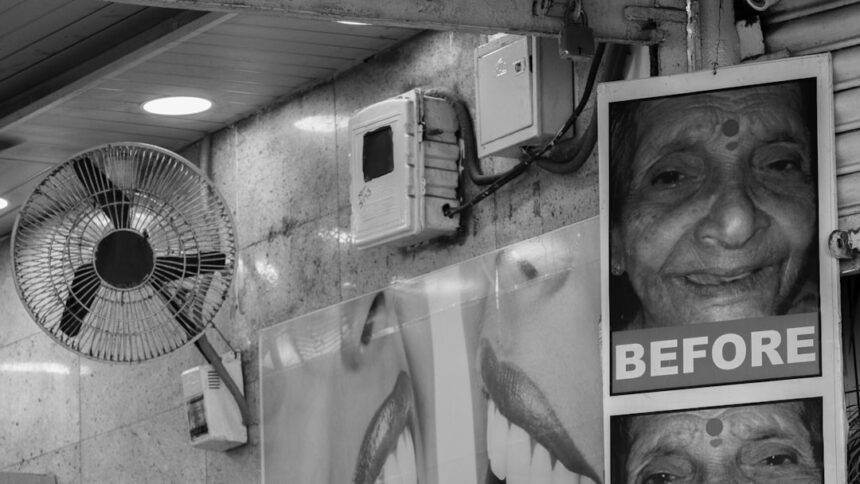
You stand at the precipice of a deeply human experience: aging. It’s a journey that, for many, is tinged with a pervasive fear, a whisper that grows louder with each passing year – the fear of mortality. This is not a novel sentiment; it’s woven into the fabric of human consciousness, a constant companion as you navigate the winding paths of life. This article aims to explore that fear, not to eradicate it, but to foster a more grounded understanding and, perhaps, a measure of acceptance, allowing you to embrace aging not as an enemy, but as an inevitable and perhaps even profound transformation.
Your perception of aging is not formed in a vacuum. It is heavily influenced by the cultural narratives that surround you, narratives often shaped by a youth-centric worldview. Think of the advertisements that bombard you, touting miracle cures for wrinkles and promising to recapture lost vitality. These messages, while often commercially driven, play on a deep-seated societal aversion to the visible signs of aging.
The Cult of Youth in Media
The Glorification of the Young
The media, from film to television, frequently portrays youth as the pinnacle of desirability and success. Characters approaching or entering elderhood are often relegated to supporting roles, depicted as either wise elders offering guidance or infirm figures needing care. This binary representation can make it difficult to envision a vibrant and dynamic elderhood, one filled with continued contribution and personal growth. You are fed images of fleeting beauty and boundless energy, creating an aspirational benchmark that makes the natural process of aging seem like a failure to meet an impossible standard. This constant comparison can foster a sense of inadequacy and anxiety as your body and mind inevitably change.
The Absence of Realistic Portrayals
Conversely, when older characters are given central roles, they are sometimes depicted as solely defined by their ailments or their past glories. There is a scarcity of narratives that showcase the richness of ongoing learning, the development of new skills, or the evolution of deeply formed relationships in later life. This lack of nuanced representation can leave you with a limited understanding of the potential and multifaceted nature of elderhood, further fueling your apprehension about what lies ahead.
For those looking to overcome the fear of aging and mortality, a valuable resource can be found in the article titled “Embracing the Journey: Overcoming the Fear of Aging” on Unplugged Psych. This insightful piece offers practical strategies and perspectives to help individuals confront their anxieties about growing older and the inevitability of death. By fostering a positive mindset and focusing on the present, readers can learn to appreciate the beauty of life at every stage. To explore this article further, visit here.
Unpacking the Roots of Your Fear
Understanding the origins of your fear of mortality is crucial in dismantling its power. It’s not simply a rational recognition of an ending; it’s a complex interplay of biological, psychological, and existential concerns.
The Biological Imperative: A Body in Flux
Your body, the vessel that carries you through life, is a remarkable, yet ultimately transient, organism. As you age, you witness its physical transformations firsthand. Joint stiffness becomes more pronounced, senses may begin to dull, and diseases that once felt distant become more tangible threats. This direct experience of bodily decline can be a potent trigger for fear.
The Slowing Engine
Think of your body as a finely tuned machine, gradually experiencing wear and tear. Gears might grind a little more, the engine might sputter occasionally, and the fuel efficiency diminishes. This is not a sign of malfunction, but of the natural progression of its operational lifespan. However, the constant awareness of this gradual slowing can feel like a departure from your former capabilities, a loss that is difficult to reconcile.
The Inevitable Breakdown
The ultimate biological reality is that all complex organisms cease to function. This inherent fragility, this susceptibility to breakdown, is a fundamental aspect of biological existence. Your consciousness, so intimately tied to your physical form, recoils from the prospect of its dissolution. This is the existential dread, the fundamental anxiety of non-being.
The Psychological Landscape: Identity and Control
Your sense of self, your identity, is deeply intertwined with your physical and mental capabilities. As these begin to shift, your carefully constructed sense of who you are can feel destabilized. The fear of losing mental acuity, of becoming dependent, or of losing one’s independence can be as potent as the fear of physical decline.
The Shifting Self
You have likely built your identity around certain achievements, skills, and social roles. As age progresses, some of these roles may naturally recede, or your ability to perform them may diminish. This can lead to a period of introspection and redefinition, which, for some, can be unsettling. The fear that your worth is tied solely to these external markers can make aging feel like a diminishment of your very being.
The Loss of Autonomy
A significant aspect of aging, for many, involves a gradual or sudden loss of autonomy. This can manifest as dependence on others for daily care, financial limitations, or the inability to make decisions independently due to cognitive or physical impairments. The prospect of losing control over your own life, of becoming an object of care rather than a subject of your own destiny, is a deeply unsettling one.
The Existential Quandara: Meaning and Legacy
Beyond the physical and psychological, aging prompts profound questions about the meaning of your life and your place in the grand tapestry of existence. The looming end of your personal timeline can bring into sharp focus the question of what you have accomplished and what you will leave behind.
The Unfinished Business
As years accumulate, you may find yourself looking back at a list of aspirations, dreams, and goals, some realized, some perpetually on the horizon. The fear that time is running out to complete these unfinished endeavors can be a source of anxiety. It can feel like a race against an unseen clock, a desperate attempt to cram a lifetime of experiences into a finite period.
The Question of Legacy
The concept of legacy – what you will leave behind in the world, whether it be tangible accomplishments, cherished memories, or the impact you have had on others – becomes more prominent. The fear that your life’s work will be forgotten, or that you will not have made a meaningful contribution, can be a significant source of dread. This relates to a fundamental human desire for continuation beyond personal dissolution.
Reframing Aging: A Shift in Perspective

The key to overcoming the fear of mortality lies not in denying its existence, but in reframing your relationship with aging itself. This involves a conscious effort to shift your perspective from one of loss to one of evolution.
Embracing the Wisdom of Experience
Aging is not merely a biological countdown; it is a process that offers the profound gift of accumulated knowledge and understanding. You have navigated countless challenges, celebrated joys, and weathered storms. This vast reservoir of lived experience is an invaluable asset.
The Tapestry of Memories
Think of your life as a richly woven tapestry. Each year, each experience, adds a new thread of color, texture, and pattern. The older you become, the more intricate and complex your tapestry becomes. This is not a fading canvas, but a masterpiece in progress, imbued with the subtle nuances of time and understanding.
The Unfolding Scroll of Knowledge
Each passing year is like an unfolding scroll, revealing new insights and perspectives. You have learned from your mistakes, celebrated your triumphs, and developed a nuanced understanding of the human condition. This accumulated wisdom allows you to approach life with a depth of perception that youth cannot possess.
Cultivating Present Moment Awareness
Often, the fear of mortality is rooted in anxieties about the future. By cultivating a strong sense of presence, you can anchor yourself in the ‘now,’ a space where that future fear holds less sway.
The Art of Mindfulness
Mindfulness practices, such as meditation and deep breathing exercises, can help you to become more aware of your thoughts and feelings without judgment. This allows you to observe the fear of mortality as a thought, rather than letting it consume you. You learn to acknowledge its presence without letting it dictate your experience.
Living Through the Senses
Engaging your senses – the taste of your morning coffee, the warmth of the sun on your skin, the sound of a loved one’s laughter – anchors you in the present moment. By fully immersing yourself in these sensory experiences, you reduce the mental space available for dwelling on future anxieties.
Reimagining Your Contributions
Aging does not signify an end to your capacity to contribute. In fact, it can open up new avenues for engagement and fulfillment.
The Mentorship Role
You possess a unique understanding of the world and its complexities. This makes you an invaluable resource for younger generations. Stepping into a mentorship role, sharing your knowledge and offering guidance, can be incredibly rewarding and can provide a profound sense of purpose.
New Avenues for Engagement
Consider exploring new hobbies, volunteer opportunities, or educational pursuits. Aging offers the freedom from certain responsibilities, potentially allowing you to dedicate time to activities that have always called to you. This can foster a renewed sense of vitality and purpose.
Finding Peace in Acceptance

True peace regarding mortality is not found in the eradication of the fear, but in its acceptance as an intrinsic part of the human experience. This acceptance is a process, not an instantaneous event.
Acknowledging the Natural Cycle
All living things are born, grow, and eventually cease to be. This is the fundamental rhythm of the universe. Resisting this natural cycle is akin to fighting the tide – a futile and exhausting endeavor.
The Metaphor of the Seasons
Consider the changing seasons. Each has its beauty and its purpose. The vibrant bloom of spring gives way to the warmth of summer, which then transitions into the colorful decline of autumn, culminating in the quiet repose of winter. Aging is the autumn and winter of your life, a period of reflection and gradual winding down, but one that is essential for the continuation of the cycle.
The Legacy of the Tree
A mighty oak tree stands for centuries, its branches reaching towards the sky, its roots deeply embedded in the earth. It provides shade, shelter, and sustenance. Eventually, it too will fall, its decaying wood nourishing the soil for new life. Your life, like the tree, has its period of growth and flourishing, and its eventual return to the earth. This return is not an end, but a transformation, a necessary part of the ongoing cycle of existence.
The Courage to Live Fully
Acceptance of mortality does not imply a surrender to despair. Instead, it can be a catalyst for living more fully and authentically in the present.
The Urgency of Now
Once the perceived infinity of time is acknowledged as finite, a sense of urgency can arise. This is not a panicked urgency, but a keen appreciation for the preciousness of each moment. It encourages you to prioritize what truly matters and to let go of trivial concerns.
Authentic Expression
When the pressure of an infinite future is lifted, you may feel liberated to express yourself more authentically. You might be less concerned with societal expectations and more inclined to follow your own values and desires. This can lead to a more genuine and fulfilling life.
Redefining “End” as “Completion”
The word “end” carries a heavy connotation of finality. By reframing it as “completion,” you shift the focus from cessation to fulfillment.
The Unwritten Chapters
Your life story is not about to be abruptly cut off. Rather, the later chapters may offer a different kind of narrative, one of reflection, wisdom, and quiet strength. These chapters are not less valuable than those of youth, but possess their own unique richness.
The Echo in the World
While your physical presence may cease, the impact you have had on others, the lessons you have taught, and the love you have shared will continue to echo in the world. This is the enduring legacy that transcends physical existence. Embrace the opportunity to cultivate that echo during your present time.

Michel de Montaigne Philosophy for Anxiety Relief
FAQs
What are common fears associated with aging and mortality?
Common fears include loss of independence, declining health, loneliness, and the uncertainty of what happens after death. Many people also fear the process of dying itself and the impact of their death on loved ones.
How can one begin to overcome the fear of aging?
Overcoming the fear of aging often involves accepting it as a natural part of life, focusing on maintaining physical and mental health, staying socially connected, and finding purpose through hobbies, relationships, or volunteering.
What role does mindfulness or meditation play in addressing fear of mortality?
Mindfulness and meditation can help individuals become more present and reduce anxiety about the future. These practices encourage acceptance of life’s impermanence and can foster a sense of peace regarding aging and mortality.
Are there psychological therapies that help with fear of death?
Yes, therapies such as cognitive-behavioral therapy (CBT), existential therapy, and acceptance and commitment therapy (ACT) are effective in helping individuals confront and manage fears related to death and aging.
Can discussing fears about aging and mortality with others be beneficial?
Yes, open conversations with friends, family, or support groups can provide emotional support, reduce feelings of isolation, and help individuals gain new perspectives on aging and mortality.