
Spiritual Exploration and Personal Growth
Many individuals experience moments of existential questioning, where they feel compelled to search for deeper meaning beyond everyday routines. This spiritual curiosity typically emerges from an internal dissatisfaction or desire for purpose that extends beyond material achievements. Such feelings represent an internal prompt to explore one’s consciousness and relationship with the broader universe.
This exploration constitutes more than self-improvement—it involves discovering one’s authentic identity and potential. Beginning this journey often produces mixed emotions. While the possibility of personal development can inspire enthusiasm, it also necessitates confronting challenging personal truths.
The process may require abandoning outdated self-concepts and belief systems that impede growth. Though potentially challenging, this transformation is fundamental to personal evolution. Responding to this internal call requires dedication to continuous learning, the willingness to release limiting perspectives, and reconnection with one’s core self.
Key Takeaways
- Spiritual growth involves exploring diverse paths and seeking mentorship for deeper understanding.
- Mindfulness, meditation, and gratitude are key practices to enhance positivity and self-awareness.
- Overcoming challenges requires letting go of limiting beliefs and embracing personal transformation.
- Connecting with a higher power supports inner strength and spiritual connection.
- Sharing your journey can inspire and uplift others on their own paths.
Exploring Different Paths and Philosophies
In your quest for spiritual growth, you will encounter a myriad of paths and philosophies, each offering unique insights and practices. You might find yourself drawn to ancient traditions such as Buddhism, which emphasizes mindfulness and compassion, or perhaps to the teachings of modern spiritual leaders who advocate for self-love and empowerment. Each philosophy presents a different lens through which to view your life and experiences, allowing you to expand your understanding of existence.
As you explore these diverse paths, it is crucial to remain open-minded and discerning. You may resonate with certain teachings while feeling disconnected from others. This is perfectly normal; your spiritual journey is uniquely yours.
You might choose to blend elements from various traditions, creating a personalized approach that aligns with your values and beliefs. This exploration can be both enlightening and liberating, as it encourages you to question societal norms and discover what truly resonates with your spirit.
Seeking Guidance and Mentorship
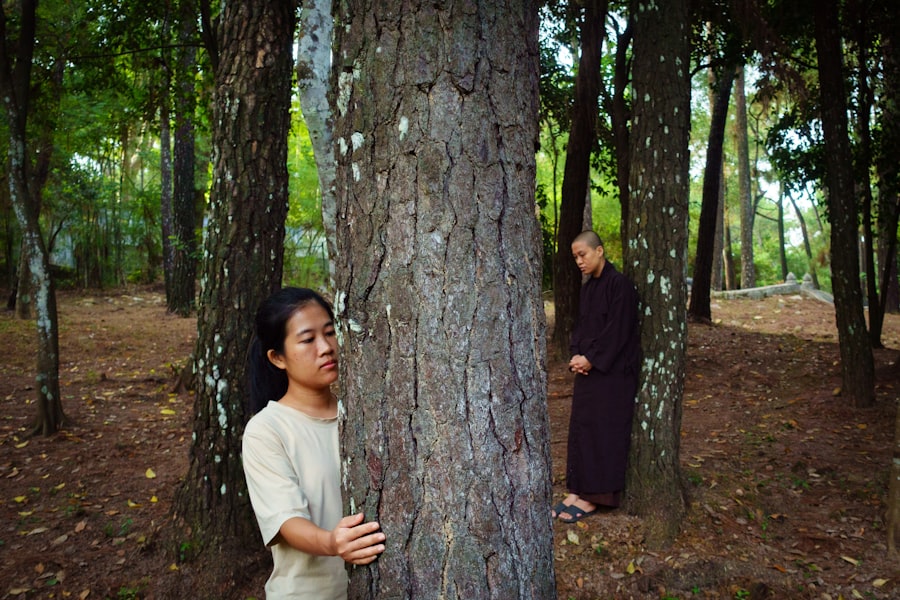
As you navigate the complexities of your spiritual journey, seeking guidance from mentors or spiritual teachers can be invaluable. These individuals have often traversed similar paths and can offer wisdom, support, and encouragement as you face challenges along the way. You may find mentors in various forms—through books, workshops, or personal relationships—each providing insights that can illuminate your path.
Engaging with a mentor allows you to gain perspective on your experiences and challenges. They can help you identify patterns in your behavior or thought processes that may be holding you back. Additionally, having someone to share your journey with can foster a sense of community and belonging, reminding you that you are not alone in your quest for growth.
Embrace the opportunity to learn from those who have walked the path before you; their experiences can serve as a guiding light in your own journey.
Embracing Mindfulness and Meditation
Mindfulness and meditation are powerful tools that can significantly enhance your spiritual journey. By cultivating mindfulness, you learn to be present in each moment, allowing you to fully experience life without being consumed by distractions or worries about the future. This practice encourages you to observe your thoughts and feelings without judgment, fostering a deeper understanding of yourself and your reactions.
Meditation, on the other hand, provides a dedicated space for introspection and connection with your inner self. As you sit in stillness, you may discover layers of thought and emotion that have been buried beneath the surface. Regular meditation practice can lead to profound insights and a greater sense of peace.
You might find that these moments of quiet reflection help you navigate life’s challenges with more clarity and resilience, ultimately deepening your spiritual connection.
Cultivating Gratitude and Positivity
| Metric | Description | Typical Range | Measurement Method |
|---|---|---|---|
| Mindfulness Practice Frequency | Number of days per week an individual engages in mindfulness or meditation | 0-7 days | Self-reported journals or apps tracking meditation |
| Spiritual Well-being Score | Assessment of spiritual health and sense of purpose | 0-100 (higher is better) | Standardized questionnaires like FACIT-Sp |
| Personal Growth Initiative | Degree of active engagement in personal development activities | 1-6 scale | Personal Growth Initiative Scale (PGIS) |
| Self-Reflection Time | Average minutes per day spent in self-reflection or journaling | 0-60 minutes | Self-report or time tracking |
| Sense of Connectedness | Feeling of connection to others, nature, or a higher power | 1-10 scale | Likert scale surveys |
| Emotional Resilience | Ability to cope with stress and bounce back from adversity | Low, Medium, High | Psychological resilience assessments |
Incorporating gratitude into your daily life can transform your perspective and enhance your spiritual growth. When you consciously acknowledge the blessings in your life—no matter how small—you shift your focus from what is lacking to what is abundant. This practice fosters a sense of contentment and joy, allowing you to appreciate the present moment fully.
Positivity goes hand in hand with gratitude; it involves cultivating an optimistic outlook even in the face of adversity. You may find that surrounding yourself with positive influences—whether through uplifting literature, inspiring conversations, or supportive communities—can significantly impact your mindset. By consciously choosing positivity, you empower yourself to navigate challenges with grace and resilience, reinforcing your commitment to personal growth.
Overcoming Obstacles and Challenges

The path of spiritual seeking is rarely linear; it is often fraught with obstacles and challenges that test your resolve. You may encounter moments of doubt, fear, or confusion that threaten to derail your progress. However, it is essential to recognize that these challenges are not roadblocks but rather opportunities for growth.
Each obstacle presents a chance for you to learn more about yourself and develop resilience. As you face these challenges, remind yourself that discomfort is often a precursor to transformation. Embrace the lessons that arise from difficult experiences; they can provide valuable insights into your strengths and weaknesses.
By reframing challenges as opportunities for growth, you empower yourself to move forward with courage and determination, ultimately deepening your commitment to your spiritual journey.
Connecting with a Higher Power or Source
For many on a spiritual path, connecting with a higher power or source is a fundamental aspect of their journey. This connection can take various forms—whether through prayer, nature, or moments of profound insight during meditation. You may find solace in the belief that there is something greater than yourself guiding your path, providing comfort during times of uncertainty.
Establishing this connection often requires patience and openness. You might begin by setting aside time for reflection or engaging in practices that resonate with you spiritually. As you cultivate this relationship with a higher power, you may experience moments of clarity or inspiration that guide your decisions and actions.
Trusting in this connection can provide a sense of purpose and direction as you navigate the complexities of life.
Practicing Self-Reflection and Self-Discovery
Self-reflection is an essential component of personal growth and spiritual seeking. By taking the time to examine your thoughts, feelings, and behaviors, you gain valuable insights into your motivations and desires. This practice encourages you to ask difficult questions about yourself—what do you truly want?
What fears are holding you back? Engaging in self-reflection allows you to confront these questions honestly, paving the way for deeper self-discovery. Journaling can be an effective tool for self-reflection; it provides a safe space for you to express your thoughts and emotions freely.
As you write, patterns may emerge that reveal underlying beliefs or fears that need addressing. This process not only fosters self-awareness but also encourages personal accountability as you take ownership of your journey toward growth.
Letting Go of Past Baggage and Limiting Beliefs
As you progress on your spiritual journey, it becomes increasingly important to let go of past baggage and limiting beliefs that no longer serve you. These burdens can manifest as negative thought patterns or emotional wounds that hinder your ability to move forward. Acknowledging these aspects of yourself is the first step toward healing; it requires courage to confront what has been holding you back.
You might find it helpful to engage in practices such as forgiveness—both for yourself and others—to release these burdens. By letting go of resentment or guilt, you create space for new possibilities in your life. Embracing this process allows you to redefine your identity based on who you are becoming rather than who you once were, empowering you to step into a brighter future.
Embracing Change and Transformation
Change is an inevitable part of life, especially on a spiritual journey marked by personal growth. As you evolve, you may find that certain aspects of your life no longer align with your values or aspirations. Embracing change requires flexibility and an open heart; it invites you to release attachments to the familiar in favor of new experiences that foster growth.
Transformation often comes with discomfort as it challenges the status quo of your life. However, by viewing change as an opportunity for expansion rather than loss, you empower yourself to embrace new possibilities with enthusiasm. Each transformation brings with it the potential for deeper understanding and connection with yourself and the world around you.
Sharing Your Journey and Inspiring Others
As you navigate the complexities of spiritual seeking and personal growth, consider sharing your journey with others. Your experiences—both triumphs and struggles—can serve as inspiration for those who may be walking similar paths. By opening up about your journey, you create opportunities for connection and community while also reinforcing your own commitment to growth.
Your authenticity can resonate deeply with others who may feel isolated in their struggles. By being vulnerable and honest about your experiences, you not only inspire others but also solidify your own understanding of the transformative power of spiritual seeking.
In conclusion, embarking on a journey of spiritual seeking and personal growth is a profound endeavor that requires courage, openness, and commitment. As you explore different paths, seek guidance, embrace mindfulness, cultivate gratitude, overcome obstacles, connect with a higher power, practice self-reflection, let go of limiting beliefs, embrace change, and share your journey with others, remember that this process is uniquely yours. Each step taken brings you closer to understanding yourself more deeply while inspiring those around you to embark on their own journeys toward growth and fulfillment.
For those interested in exploring the journey of spiritual seeking and personal growth, a valuable resource can be found in the article on Unplugged Psych. This piece delves into various practices and insights that can aid individuals in their quest for self-discovery and fulfillment. You can read more about it by visiting this article.
WATCH THIS 🧠 The Manifestation Lie: How It Makes You Toxic and Poor
FAQs
What is spiritual seeking?
Spiritual seeking refers to the personal journey of exploring and understanding one’s spirituality, beliefs, and connection to a higher power or the universe. It often involves practices such as meditation, prayer, self-reflection, and studying spiritual teachings.
How does spiritual seeking relate to personal growth?
Spiritual seeking is closely linked to personal growth as it encourages self-awareness, emotional healing, and a deeper understanding of one’s purpose and values. This process can lead to improved mental well-being, greater compassion, and a more meaningful life.
What are common practices involved in spiritual seeking?
Common practices include meditation, mindfulness, prayer, journaling, attending spiritual workshops or retreats, reading spiritual texts, and engaging in community or group discussions focused on spirituality.
Can spiritual seeking be part of any religion?
Yes, spiritual seeking can be part of any religion or spiritual tradition, but it can also be a non-religious or secular pursuit. It is a personal experience that may or may not align with organized religious beliefs.
Is spiritual seeking the same as personal development?
While spiritual seeking is a component of personal development, personal development encompasses a broader range of activities aimed at improving skills, knowledge, and overall life satisfaction. Spiritual seeking specifically focuses on inner growth and connection to the spiritual dimension.
How long does spiritual seeking typically last?
The duration of spiritual seeking varies widely among individuals. For some, it is a lifelong journey, while others may experience periods of intense exploration followed by phases of stability and integration.
Can spiritual seeking help with mental health?
Spiritual seeking can support mental health by promoting mindfulness, reducing stress, and fostering a sense of purpose and belonging. However, it is not a substitute for professional mental health treatment when needed.
What challenges might one face during spiritual seeking?
Challenges can include feelings of confusion, doubt, isolation, or encountering conflicting beliefs. It may also involve confronting difficult emotions or past experiences as part of the growth process.
How can someone start their spiritual seeking journey?
Starting can involve setting aside time for self-reflection, exploring different spiritual practices, reading books on spirituality, joining groups or communities with similar interests, and being open to new experiences and perspectives.
Is spiritual seeking a solitary or social activity?
Spiritual seeking can be both solitary and social. Many people engage in personal practices alone, while others find value in group activities, discussions, and shared experiences to deepen their understanding and connection.