
Your physical well-being is not merely an isolated system; it is intricately woven into the fabric of your cognitive function and emotional state. Just as a well-maintained engine runs optimally, a body cared for through consistent hygiene practices can significantly enhance your mental clarity and focus. This article will explore the direct links between daily hygiene and a sharp mind, providing actionable insights for you to integrate into your routine. Consider your body a complex instrument; regular tuning and cleaning are essential for peak performance.
The Brain as a High-Performance Machine
Your brain, a remarkable organ weighing approximately three pounds, consumes a disproportionate amount of your body’s energy and resources. It is the control center for all thought, emotion, and action. To operate at its highest capacity, it requires optimal conditions, much like a supercomputer needs a clean, cool, and stable environment. Neglecting basic bodily maintenance can introduce numerous stressors that detract from this optimal state, leading to mental fog, decreased concentration, and impaired decision-making.
The Cost of Neglect
When you disregard hygiene, you invite a cascade of issues. For instance, the accumulation of bacteria on the skin or in the mouth can trigger inflammatory responses throughout the body. While seemingly minor, chronic low-grade inflammation has been linked to cognitive decline and mood disorders. Think of it as a subtle background hum that constantly saps your mental energy, preventing you from fully engaging with complex tasks or maintaining sustained attention.
Maintaining daily hygiene is essential for both physical health and mental well-being. A related article that delves into the importance of hygiene practices for a clear and focused mind can be found at Unplugged Psych. This resource offers valuable insights into how simple habits can enhance your overall quality of life, promoting a non-hijacked mind that is free from distractions and negativity.
The Morning Ritual: Setting the Foundation
The beginning of your day is a pivotal moment, much like the launch sequence of a rocket. A structured and hygienic morning routine can propel you towards a day of heightened mental acuity. These initial steps are not merely about cleanliness; they are a conscious act of preparing your body and mind for the challenges and opportunities ahead.
Oral Hygiene: The Gateway to Overall Health
Your mouth is a teeming ecosystem, home to hundreds of species of bacteria. While many are beneficial, neglecting oral hygiene allows harmful bacteria to proliferate, forming plaque and leading to gum disease (gingivitis and periodontitis). The implications extend far beyond oral discomfort.
The Oral-Systemic Link
Research consistently demonstrates a strong connection between oral health and systemic health. Periodontal disease, characterized by chronic inflammation of the gums, has been associated with an increased risk of cardiovascular disease, diabetes, and even neurodegenerative conditions. The bacteria and inflammatory mediators originating in your mouth can enter your bloodstream, traveling to other parts of your body and contributing to systemic inflammation. Imagine tiny invaders subtly undermining the fortress of your health, one gum tissue at a time. Therefore, consistent brushing and flossing are not just about fresh breath; they are fundamental to protecting your cognitive function.
Brushing and Flossing Techniques
To effectively combat harmful bacteria, utilize proper brushing techniques. Brush for at least two minutes, twice a day, using a soft-bristled brush. Focus on all surfaces of your teeth and gently brush your gums. Flossing, often overlooked, is crucial for removing plaque and food particles from between your teeth and under the gum line, areas your toothbrush cannot reach. Consider these practices as diligent border patrol, preventing unwanted intrusions into your bodily systems.
Showering: A Sensory Reset
A morning shower is more than just cleaning your skin; it is a sensory experience that can awaken your senses and clear your mind. The warmth of the water, the scent of soap, and the tactile sensation on your skin all contribute to a feeling of freshness and revitalization.
The Invigorating Effect
The act of showering can stimulate circulation, increasing blood flow to your brain. This enhanced circulation delivers oxygen and nutrients, vital for optimal cognitive function. Think of it as recalibrating your internal systems, preparing them for peak performance. Some individuals find alternating between warm and cool water (contrast showers) to be particularly invigorating, further boosting circulation and alertness.
Mental Clarity through Cleanliness
Beyond physiological benefits, the psychological impact of feeling clean and refreshed should not be underestimated. This psychological boost can significantly reduce mental clutter and enhance your ability to focus. A clean body contributes to a feeling of being prepared and in control, which translates into greater mental fortitude. It’s like wiping a dirty lens; suddenly, your vision becomes much clearer.
Midday Maintenance: Sustaining Your Edge

Your daily hygiene practices should not end with your morning routine. Just as a plant needs consistent watering throughout the day, your body and mind benefit from mid-day attention to maintain their optimal state. These brief intermissions can act as mental circuit breakers, preventing overload and burnout.
Hand Washing: A Barrier Against Illness
Your hands are primary vectors for germ transmission. Throughout the day, you touch countless surfaces, accumulating bacteria and viruses. Regular hand washing is a simple yet profoundly effective defense mechanism against illness, which, if contracted, can severely disrupt your mental focus and productivity.
Protecting Your Cognitive Resources
When you fall ill, your body allocates significant resources to fighting off infection. This physiological battle diverts energy from your cognitive functions, leading to fatigue, brain fog, and difficulty concentrating. By consistently washing your hands, you reduce your risk of succumbing to common illnesses, thereby safeguarding your cognitive reservoir. Consider it a proactive defense strategy, preventing enemy forces (germs) from breaching your mental defenses.
Proper Hand Washing Technique
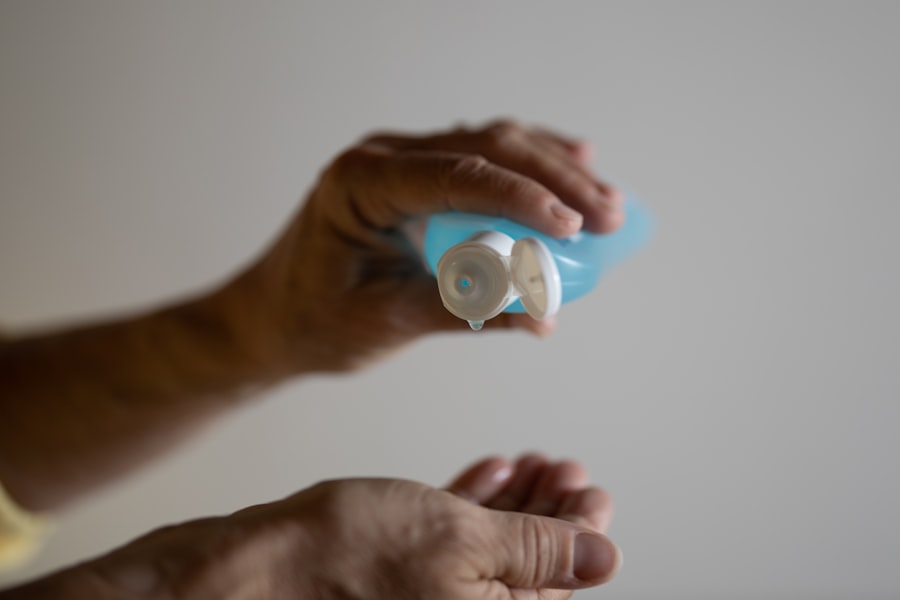
Wash your hands thoroughly with soap and water for at least 20 seconds, ensuring you scrub all surfaces, including your palms, backs of your hands, between your fingers, and under your nails. If soap and water are unavailable, use an alcohol-based hand sanitizer with at least 60% alcohol. This simple act is an investment in your continuous mental clarity.
Maintaining Personal Presentation: Psychological Boost
While not strictly a hygiene practice in the medical sense, maintaining a reasonable level of personal presentation throughout the day can have a significant psychological impact, which directly influences your mental state. This includes tidying up, ensuring your clothes are neat, and addressing any minor perspiration.
The Power of Self-Perception
When you feel presentable, you project an image of competence and care, both externally to others and internally to yourself. This self-perception can boost your confidence and reduce self-consciousness, allowing you to allocate more mental energy to tasks at hand rather than worrying about your appearance. It’s akin to maintaining a well-organized workspace; a tidy environment often leads to a tidy mind. Conversely, feeling disheveled can subtly erode your confidence and introduce a nagging mental distraction.
Quick Refreshes
Simple acts like combing your hair, splashing water on your face, or using a discreet freshener can provide a quick mental pick-me-up. These small efforts reinforce the idea of self-care and can help you reset your focus during a busy day. Consider them mini-resets, allowing you to return to your tasks with renewed vigor.
Evening Rituals: Preparing for Rest and Rejuvenation
The end of your day is equally important as the beginning. An intentional evening hygiene routine not only ensures a clean body but also signals to your mind that it is time to transition from activity to rest. This deliberate wind-down phase is crucial for the restorative processes that occur during sleep, directly impacting your next day’s cognitive function.
Skincare: Removing the Day’s Accumulation
Throughout the day, your skin is exposed to environmental pollutants, dirt, and sweat. A thorough evening skincare routine is essential for removing these impurities and allowing your skin to breathe and regenerate overnight.
The Link to Sleep Quality
Neglecting to wash your face and body can lead to clogged pores, breakouts, and skin irritation. These discomforts, however minor, can disrupt the quality of your sleep. Imagine trying to sleep with an itch you can’t scratch, or a subtle irritation that keeps you from fully relaxing. Poor sleep, in turn, is a primary adversary of mental clarity and focus. It impairs memory consolidation, reduces attention span, and can significantly impact mood regulation.
Gentle Cleansing and Moisturization
Use a gentle cleanser to remove makeup, dirt, and excess oil from your face and body. Follow with a light moisturizer to hydrate your skin. This acts as a protective barrier, preventing dryness and supporting the skin’s natural barrier function. Consider this as cleaning the external hard drive of your body, ensuring it’s ready for its nightly maintenance cycle.
Sleep Hygiene: The Ultimate Cognitive Recharge
While not a direct “hygiene” in the traditional sense, sleep hygiene encompasses practices and habits conducive to quality sleep, which is arguably the most critical component for sustained mental function. Daily physical hygiene practices directly contribute to good sleep hygiene.
The Brain’s Housekeeping
During sleep, your brain undergoes vital processes including memory consolidation, waste product removal (via the glymphatic system), and emotional regulation. Without sufficient, high-quality sleep, these processes are compromised. You wake up feeling groggy, irritable, and your cognitive abilities are noticeably diminished, akin to trying to run software on a system that hasn’t been properly defragmented.
Pre-Sleep Practices
Ensure your sleeping environment is cool, dark, and quiet. Avoid screen time (phones, tablets, computers) for at least an hour before bed, as the blue light emitted can interfere with melatonin production, the hormone that regulates sleep. Your evening hygiene rituals, such as showering and skincare, contribute to this peaceful transition, signaling to your body and mind that it is time to prepare for restorative rest. This deliberate unwinding process is your nightly system reboot, ensuring you start the next day with a fully charged mental battery.
Maintaining daily hygiene is essential for both physical health and mental well-being, as it can significantly impact how we feel and function throughout the day. For those looking to enhance their daily routines, a helpful resource can be found in a related article that discusses various aspects of self-care and mindfulness. You can explore more about this topic by visiting the article on self-care practices that promote a non-hijacked mind. Embracing these practices can lead to a more balanced and fulfilling life.
The Long-Term Benefits: A Sharper, More Resilient Mind
| Hygiene Activity | Description | Recommended Frequency | Benefits for a Non-Hijacked Mind | Example Metrics |
|---|---|---|---|---|
| Digital Detox | Taking intentional breaks from screens and social media | At least 1 hour daily | Reduces cognitive overload and mental fatigue | Hours off screens per day |
| Mindfulness Meditation | Practicing focused attention and awareness | 10-20 minutes daily | Improves attention control and emotional regulation | Minutes meditated per day |
| Journaling | Writing thoughts and reflections to process emotions | Daily or every other day | Enhances self-awareness and reduces mental clutter | Pages or words written per session |
| Physical Exercise | Engaging in moderate physical activity | 30 minutes daily | Boosts mood and cognitive function | Minutes exercised per day |
| Sleep Hygiene | Maintaining consistent sleep schedule and quality | 7-9 hours nightly | Supports memory consolidation and mental clarity | Hours slept per night, sleep quality rating |
| Information Diet | Curating and limiting news and media consumption | Limit to 30 minutes daily | Prevents overwhelm and misinformation overload | Minutes spent consuming news |
| Gratitude Practice | Listing things you are thankful for | Daily | Enhances positive mindset and reduces stress | Number of gratitude entries per day |
Consistent adherence to these daily hygiene practices is not merely about avoiding unpleasant odors or illnesses; it is an investment in your cognitive longevity and mental resilience. These seemingly small acts accumulate over time, building a foundation for peak mental performance and emotional stability.
Reduced Risk of Cognitive Decline
Chronic inflammation, often initiated or exacerbated by poor hygiene and its associated health issues, is a known contributor to cognitive decline as you age. By diligently practicing hygiene, you actively work to reduce systemic inflammation, thereby safeguarding your brain health. Think of it as diligent maintenance on a complex machine, extending its operational lifespan and efficiency.
Protecting Your Gray Matter
Research continues to uncover the intricate connections between physical health and brain health. Conditions like periodontal disease and cardiovascular issues, often linked to hygiene, have been correlated with an increased risk of dementia and other neurodegenerative diseases. Your daily hygiene routine, then, becomes a crucial component of a preventative strategy for maintaining your gray matter’s integrity.
Enhanced Mood and Emotional Regulation
The connection between physical cleanliness and mental well-being is profound. Feeling clean and well-cared for can significantly boost your mood and self-esteem. Conversely, neglecting personal hygiene can foster feelings of lethargy, sadness, and even shame, creating a negative feedback loop that impacts your mental state.
The Mind-Body Feedback Loop
When you feel good physically, you are more likely to experience positive emotions and have a more optimistic outlook. This positive feedback loop enhances your ability to cope with stress, regulate your emotions, and engage constructively with the world around you. Consider it akin to a virtuous cycle: good hygiene fosters a good mood, which in turn motivates further good hygiene, strengthening both your physical and mental fortitude. It’s not just about a temporary uplift; it’s about building a robust emotional immune system.
FAQs
What is meant by “daily hygiene for a non hijacked mind”?
Daily hygiene for a non hijacked mind refers to regular mental practices and habits that help maintain clarity, focus, and emotional balance, preventing negative influences or distractions from taking control of one’s thoughts and behaviors.
Why is maintaining mental hygiene important?
Maintaining mental hygiene is important because it supports overall mental health, reduces stress, improves decision-making, and helps individuals stay resilient against negative thoughts, misinformation, and emotional manipulation.
What are some common practices for daily mental hygiene?
Common practices include mindfulness meditation, limiting exposure to negative or overwhelming media, engaging in regular physical exercise, maintaining a balanced diet, getting adequate sleep, and practicing gratitude or positive affirmations.
How can limiting media consumption contribute to a non hijacked mind?
Limiting media consumption helps prevent information overload, reduces exposure to sensationalized or misleading content, and allows the mind to process information more critically, thereby reducing anxiety and mental fatigue.
Can mental hygiene practices improve productivity and focus?
Yes, consistent mental hygiene practices can enhance cognitive function, increase concentration, reduce mental clutter, and improve emotional regulation, all of which contribute to better productivity and focus throughout the day.