
In the hustle and bustle of modern life, it’s easy to overlook the importance of physical activity, especially when it comes to mental well-being. Daily floor practice, a term that encompasses a variety of exercises performed on the ground, can serve as a powerful tool for enhancing both physical and mental health. This practice can include yoga, stretching, bodyweight exercises, or even simple movements that promote flexibility and strength.
By dedicating time each day to engage in these activities, you not only improve your physical fitness but also create a sanctuary for your mind. As you embark on this journey of daily floor practice, you may find that it becomes more than just a routine; it transforms into a ritual that nurtures your body and soul. The floor serves as a grounding element, reminding you to connect with your body and the present moment.
This article will explore the myriad benefits of daily floor practice, particularly its profound impact on mental health. By understanding how this practice can enhance your overall well-being, you may be inspired to make it an integral part of your daily life.
Key Takeaways
- Daily floor practice combines physical activity with mindfulness to boost mental health.
- Regular practice helps reduce stress, anxiety, and improves overall emotional well-being.
- It enhances cognitive function and mental clarity through consistent movement and focus.
- Incorporating meditation into floor routines supports self-care and effective stress management.
- Establishing and maintaining a daily floor practice requires overcoming common barriers with practical tips.
The Connection Between Physical Activity and Mental Health
Physical activity is often heralded as a cornerstone of good health, but its benefits extend far beyond the physical realm. Engaging in regular exercise has been shown to release endorphins, the body’s natural mood lifters, which can significantly improve your mental state. When you move your body, whether through structured workouts or spontaneous play, you stimulate the production of neurotransmitters like serotonin and dopamine.
These chemicals are crucial for regulating mood and can help alleviate feelings of depression and anxiety. Moreover, the act of moving your body can serve as a form of meditation in motion. When you focus on your movements during daily floor practice, you cultivate mindfulness, which allows you to be present in the moment.
This presence can help quiet the mind’s chatter and reduce stress levels. As you become more attuned to your body and its needs, you may find that your mental clarity improves, leading to better decision-making and emotional regulation.
Benefits of Daily Floor Practice for Mental Health
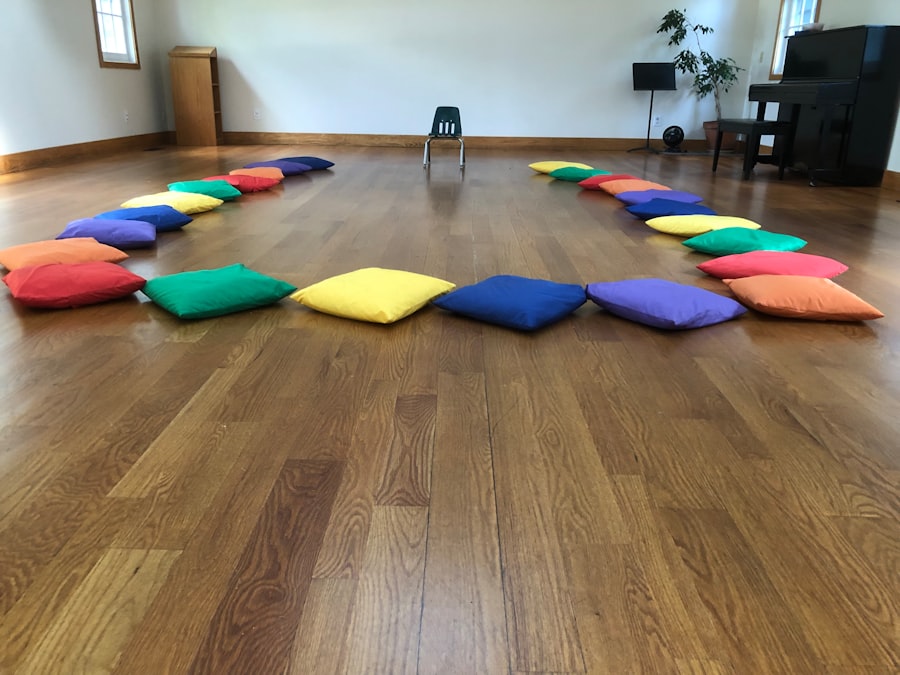
Daily floor practice offers a multitude of benefits that can significantly enhance your mental health. One of the most immediate advantages is the reduction of stress levels. When you engage in physical activity, your body responds by releasing tension and promoting relaxation.
This physiological response can help you manage daily stressors more effectively, allowing you to approach challenges with a clearer mind and a more positive outlook. Additionally, daily floor practice fosters a sense of accomplishment and self-efficacy. As you commit to this routine, you may notice improvements in your strength, flexibility, and overall fitness.
These achievements can boost your self-esteem and confidence, reinforcing the belief that you are capable of making positive changes in your life. This newfound confidence can spill over into other areas, empowering you to tackle personal and professional challenges with greater resilience.
How Daily Floor Practice Can Reduce Stress and Anxiety
| Metric | Before Daily Floor Practice | After 4 Weeks of Daily Floor Practice | Percentage Improvement |
|---|---|---|---|
| Self-Reported Stress Levels (Scale 1-10) | 7.5 | 4.2 | 44% |
| Self-Reported Anxiety Levels (Scale 1-10) | 6.8 | 3.9 | 43% |
| Heart Rate Variability (ms) | 35 | 50 | 43% |
| Salivary Cortisol Levels (nmol/L) | 18 | 12 | 33% |
| Sleep Quality (Hours per Night) | 5.8 | 7.1 | 22% |
Stress and anxiety are common experiences in today’s fast-paced world, but daily floor practice can serve as an effective antidote. Engaging in physical activity helps to lower cortisol levels—the hormone associated with stress—while simultaneously promoting relaxation through deep breathing and movement. As you transition from one position to another on the floor, you create a rhythm that can soothe your nervous system and help you feel more grounded.
Moreover, the repetitive nature of certain movements can have a meditative quality that allows your mind to focus on the present moment rather than ruminating on past events or worrying about the future. This shift in focus can be incredibly liberating, providing you with a mental break from anxiety-inducing thoughts. By incorporating daily floor practice into your routine, you create a safe space where stressors can be acknowledged but not allowed to dominate your thoughts or feelings.
Improving Mood and Emotional Well-being through Daily Floor Practice
The impact of daily floor practice on mood enhancement cannot be overstated. As you engage in movement, your body releases endorphins that naturally elevate your mood. This biochemical response can lead to feelings of happiness and contentment that linger long after your practice has ended.
Furthermore, daily floor practice encourages self-reflection and self-awareness. As you move through various poses or exercises, you may find yourself contemplating your emotions and thoughts.
This introspection can lead to greater emotional intelligence, allowing you to understand and manage your feelings more effectively. By prioritizing this practice, you not only improve your physical health but also cultivate a deeper connection with yourself.
Enhancing Cognitive Function and Mental Clarity with Daily Floor Practice
Engaging in daily floor practice does not only benefit your emotional state; it also enhances cognitive function and mental clarity. Physical activity has been linked to improved brain health, including better memory retention and sharper focus. When you move your body regularly, blood flow increases to the brain, delivering essential nutrients and oxygen that support cognitive processes.
Moreover, the discipline required for daily floor practice can translate into improved concentration in other areas of your life. As you learn new movements or refine existing ones, you develop skills such as patience and perseverance—qualities that are invaluable when tackling complex tasks or projects. By committing to this practice, you are not only investing in your physical health but also sharpening your mental acuity.
Daily Floor Practice as a Tool for Self-care and Stress Management
Incorporating daily floor practice into your routine is an excellent way to prioritize self-care and manage stress effectively. In a world where self-care is often relegated to the back burner, dedicating time each day to focus on your physical well-being sends a powerful message: you are worthy of care and attention. This commitment to yourself fosters a sense of empowerment that can positively influence all aspects of your life.
Additionally, daily floor practice provides an opportunity for reflection and self-discovery. As you engage in movement, you may find that certain emotions arise or that specific thoughts come to mind. This awareness allows you to process feelings that may have been buried beneath the surface, leading to greater emotional resilience over time.
By viewing daily floor practice as a form of self-care rather than just exercise, you create a holistic approach to managing stress and nurturing your mental health.
Incorporating Mindfulness and Meditation into Daily Floor Practice
To maximize the benefits of daily floor practice for mental health, consider incorporating mindfulness and meditation techniques into your routine. Mindfulness involves being fully present in the moment without judgment, which can enhance the effectiveness of your physical practice. As you move through various exercises or stretches on the floor, focus on your breath and sensations within your body.
This heightened awareness can deepen your connection to yourself and promote relaxation. Meditation can also be seamlessly integrated into your daily floor practice. You might begin or end your session with a few minutes of seated meditation or deep breathing exercises.
This intentional pause allows you to center yourself before engaging in movement or reflect on your experience afterward. By combining mindfulness with physical activity, you create a comprehensive approach to mental well-being that nurtures both body and mind.
Tips for Establishing a Daily Floor Practice Routine
Establishing a consistent daily floor practice routine requires intention and commitment. Start by setting aside a specific time each day dedicated solely to this practice—whether it’s early morning or late evening—so it becomes a non-negotiable part of your schedule. Consistency is key; even short sessions can yield significant benefits if practiced regularly.
Additionally, consider creating a designated space for your daily floor practice.
You might also explore various styles or types of movement to keep things fresh and engaging—whether it’s yoga one day and bodyweight exercises the next—ensuring that your routine remains enjoyable rather than monotonous.
Overcoming Barriers to Consistent Daily Floor Practice
While establishing a daily floor practice is beneficial, it’s not uncommon to encounter barriers along the way. Time constraints often pose significant challenges; however, remember that even short bursts of movement can be effective. If time is limited, consider breaking up your practice into smaller segments throughout the day rather than trying to fit in an hour-long session all at once.
Another common barrier is motivation; it’s easy to skip a session when life gets busy or overwhelming. To combat this tendency, find ways to make your practice enjoyable—listen to music that inspires you or invite a friend to join in for added accountability. By addressing these barriers head-on and finding creative solutions, you can cultivate a sustainable daily floor practice that supports both your physical and mental health.
Making Daily Floor Practice a Priority for Mental Health
In conclusion, daily floor practice is more than just an exercise routine; it is a holistic approach to nurturing both physical fitness and mental well-being. By committing to this practice, you open yourself up to numerous benefits ranging from reduced stress levels to enhanced cognitive function. The connection between physical activity and mental health is undeniable; as you move through various exercises on the floor, you create space for self-discovery and emotional growth.
As you consider incorporating daily floor practice into your life, remember that consistency is key. Embrace this journey as an opportunity for self-care and personal development—one that prioritizes not only your physical health but also fosters resilience in the face of life’s challenges. By making daily floor practice a priority for mental health, you empower yourself to lead a more balanced and fulfilling life.
Daily floor practice can significantly enhance mental health by promoting mindfulness and grounding techniques. For those interested in exploring this topic further, a related article can be found at Unplugged Psych, which delves into various strategies and exercises that can be incorporated into daily routines to foster emotional well-being and resilience.
WATCH THIS! The Dark Night of the Soul: A Psychological Roadmap to Spiritual Awakening
FAQs
What is daily floor practice for mental health?
Daily floor practice for mental health refers to a routine of physical and mindfulness exercises performed on the floor to improve mental well-being. These practices often include stretching, yoga, meditation, and breathing exercises designed to reduce stress and enhance emotional balance.
How does daily floor practice benefit mental health?
Engaging in daily floor practice can help reduce anxiety, improve mood, increase relaxation, and enhance overall mental clarity. Physical movement combined with mindful breathing activates the parasympathetic nervous system, which promotes calmness and reduces stress hormones.
What types of exercises are included in daily floor practice?
Common exercises include gentle stretching, yoga poses such as child’s pose or seated twists, deep breathing techniques, progressive muscle relaxation, and guided meditation. These activities are low-impact and accessible for most individuals.
How long should a daily floor practice session last?
Sessions can vary but typically last between 10 to 30 minutes. Consistency is more important than duration, so even short daily practices can provide significant mental health benefits over time.
Is daily floor practice suitable for everyone?
Yes, daily floor practice can be adapted to suit all ages and fitness levels. Individuals with physical limitations should consult a healthcare professional or a qualified instructor to modify exercises safely.
Can daily floor practice replace other mental health treatments?
While daily floor practice can complement mental health care by reducing stress and improving mood, it should not replace professional treatment for mental health conditions. It is best used as part of a comprehensive approach including therapy, medication, or other interventions as recommended by a healthcare provider.
Where can I learn proper techniques for daily floor practice?
Proper techniques can be learned through certified yoga instructors, mental health professionals, online tutorials, or wellness apps. It is important to follow guided instructions to ensure safety and effectiveness.
How soon can I expect to see mental health benefits from daily floor practice?
Some individuals may notice immediate relaxation and stress relief after a session, while more sustained benefits typically develop with regular practice over several weeks. Consistency is key to long-term mental health improvements.