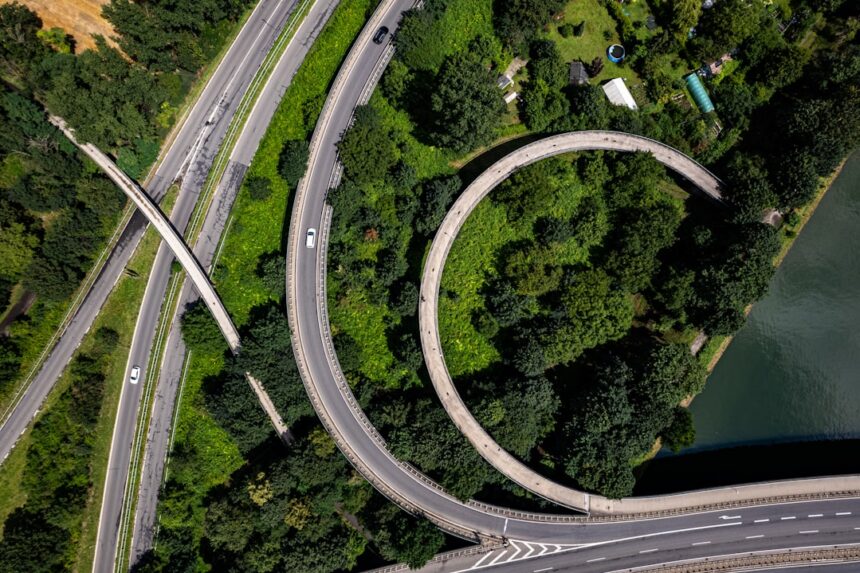
You find yourself increasingly surrounded by a paradox. On one hand, a world teeming with technological marvels promises unprecedented convenience; on the other, the very fabric of our environment strains under the weight of human activity. This tension forms the bedrock of the discourse surrounding environmental design, a discipline that seeks to reconcile human needs with ecological imperatives. As a stakeholder in this evolving landscape – whether as an architect, urban planner, policy maker, or simply a discerning inhabitant – understanding and implementing principles of environmental design is no longer a niche pursuit, but a fundamental responsibility. It’s about constructing a scaffold for future generations, not just erecting buildings.
Environmental design, often interchangeably referred to as sustainable design or ecological design, is not merely a collection of techniques; it represents a profound shift in perspective. You are encouraged to view your creations not as isolated entities, but as interconnected components within a larger, living system. Discover the fascinating world of brain science through this insightful video.
A Holistic Approach to Creation
Traditionally, design has often prioritized aesthetics, functionality, and economic viability. Environmental design expands this triumvirate to include a fourth, critical pillar: ecological impact. You recognize that every decision, from material selection to site orientation, reverberates through the natural world. This holistic lens considers the entire lifecycle of a built environment, from the extraction of raw materials to its eventual deconstruction and potential repurposing. It’s a tapestry where each thread is interwoven with the health of the entire fabric.
Beyond Mitigation: Regeneration and Restoration
Early iterations of sustainable design often focused on mitigating negative impacts – reducing energy consumption, minimizing waste, and preventing pollution. While these efforts remain crucial, the field has evolved to embrace more ambitious goals: regeneration and restoration. You are now challenged to design spaces that actively improve their surrounding ecosystems. This could involve restoring biodiversity, purifying water, enhancing air quality, or even generating energy. Think of it as moving beyond simply not punching holes in the canvas, to actively painting a more vibrant picture.
Ethics and Responsibility in Practice
At its core, environmental design is an ethical practice. You are tasked with a moral responsibility to minimize harm and maximize benefit for both human and non-human life. This entails an understanding of intergenerational equity, ensuring that current needs are met without compromising the ability of future generations to meet their own. It also necessitates a deep respect for natural processes and ecological limits, acknowledging that humanity is but one thread in the intricate web of life, not its weaver.
In exploring the principles of default stacks in environmental design, it is insightful to consider the article on the Unplugged Psychology website, which delves into the psychological impacts of our surroundings and how design can influence well-being. This resource provides valuable context for understanding how default stacks can be employed to create more sustainable and psychologically beneficial environments. For more information, you can read the article here: Unplugged Psychology.
Key Principles and Strategies for Sustainable Spaces
To translate these philosophical underpinnings into tangible outcomes, you employ a range of principles and strategies that guide your design decisions. These are the tools in your environmental design toolkit, each honed to address specific challenges.
Bioclimatic Design: Harnessing Nature’s Architects
Bioclimatic design endeavors to optimize a building’s performance by leveraging naturally occurring environmental conditions. You orient your structures to take advantage of solar paths for passive heating and daylighting, rather than battling them with energy-intensive mechanical systems.
- Passive Solar Design: You meticulously analyze sun angles to determine optimal window placement and building massing, allowing sunlight to warm interior spaces in winter while shielding them from excessive heat gain in summer. This is like aligning sails to catch the wind, rather than using engines to fight the current.
- Natural Ventilation: You strategically incorporate operable windows, ventilation stacks, and building forms that encourage cross-ventilation, reducing the need for air conditioning. Imagine a gentle breeze flowing through your structure, naturally regulating its internal climate.
- Daylighting Integration: You design for ample natural light, minimizing reliance on artificial illumination. This not only conserves energy but also enhances occupant well-being and productivity. The sun becomes a silent, tireless lamp.
Sustainable Material Selection: Building with Conscience
The materials you choose are the physical embodiment of your design philosophy. Their extraction, processing, transportation, and disposal all carry an environmental footprint. You are challenged to select materials with minimal impact.
- Life Cycle Assessment (LCA): You conduct comprehensive LCAs to evaluate the environmental impact of materials across their entire lifecycle, from cradle to grave or optimally, cradle to cradle. This allows you to compare the true cost of different options.
- Locally Sourced Materials: You prioritize materials extracted and manufactured within close proximity to your project site, reducing transportation emissions and supporting local economies. It’s about drawing from the richness of the immediate landscape.
- Recycled and Reused Content: You actively seek out materials with high recycled content or those that can be reused directly, diverting waste from landfills and conserving virgin resources. This transforms waste into valuable building blocks.
- Low Embodied Energy: You opt for materials that require less energy for their production and processing, such as timber from sustainably managed forests or recycled aggregates. Every atom has an energy footprint, and you strive to minimize it.
- Non-Toxic and Healthy Materials: You prioritize materials that are free of volatile organic compounds (VOCs) and other harmful chemicals, safeguarding occupant health and indoor air quality. The air within your spaces should be a balm, not a burden.
Water Conservation and Management: Valuing Every Drop
Water is a precious resource, and its efficient management is a cornerstone of sustainable design. You design systems that minimize water consumption and treat it as a valuable commodity.
- Rainwater Harvesting: You implement systems to collect and store rainwater for non-potable uses such as irrigation, toilet flushing, and cooling towers. This reclaims a free and abundant resource.
- Greywater Recycling: You design systems that treat and reuse water from sinks, showers, and laundry for irrigation or other non-potable purposes, reducing reliance on municipal supplies. This turns discarded water into a second chance.
- Water-Efficient Fixtures and Appliances: You specify low-flow toilets, showerheads, and highly efficient appliances to dramatically reduce indoor water consumption. Every faucet, every flush contributes to the larger picture.
- Xeriscaping and Drought-Tolerant Landscaping: You design landscapes that require minimal irrigation, utilizing native and drought-resistant plant species. The natural flora becomes a living sponge, perfectly adapted to its environment.
The Broader Impact: Beyond the Building Envelope

Environmental design extends beyond the confines of individual structures; it permeates the fabric of communities and cities. You recognize that your influence stretches far beyond the foundation.
Urban Planning and Smart Growth Principles
At the urban scale, environmental design manifests in principles of smart growth, which prioritize density, mixed-use development, and walkable communities.
- Compact, Mixed-Use Development: You advocate for higher-density developments that integrate residential, commercial, and recreational spaces, reducing sprawl and vehicle miles traveled. This creates vibrant, self-sufficient microcosms.
- Public Transportation and Active Mobility: You design infrastructure that supports robust public transportation networks, cycling, and pedestrian pathways, reducing reliance on private automobiles. The city itself becomes a walkable park.
- Green Infrastructure: You integrate natural systems into urban planning, such as green roofs, permeable pavements, and urban forests, to manage stormwater, mitigate urban heat island effects, and enhance biodiversity. Nature becomes an active participant in the urban symphony.
Energy Efficiency and Renewable Energy Integration
The quest for energy independence and decarbonization is a central drive within environmental design. You seek to minimize energy demand and then meet the remaining demand through renewable sources.
- High-Performance Building Envelopes: You design highly insulated and airtight building envelopes to minimize heat loss in winter and heat gain in summer, significantly reducing energy needed for heating and cooling. The building becomes a meticulously crafted thermos.
- Renewable Energy Systems: You integrate onsite renewable energy sources such as solar photovoltaic panels, wind turbines, or geothermal systems to generate clean electricity and heat. The building transforms into a silent power generator.
- Building Management Systems (BMS): You deploy advanced sensor-driven BMS to optimize building performance, control lighting, HVAC, and power consumption based on occupancy and environmental conditions. The building itself becomes intelligent, learning and adapting to its inhabitants.
Challenges and Future Directions
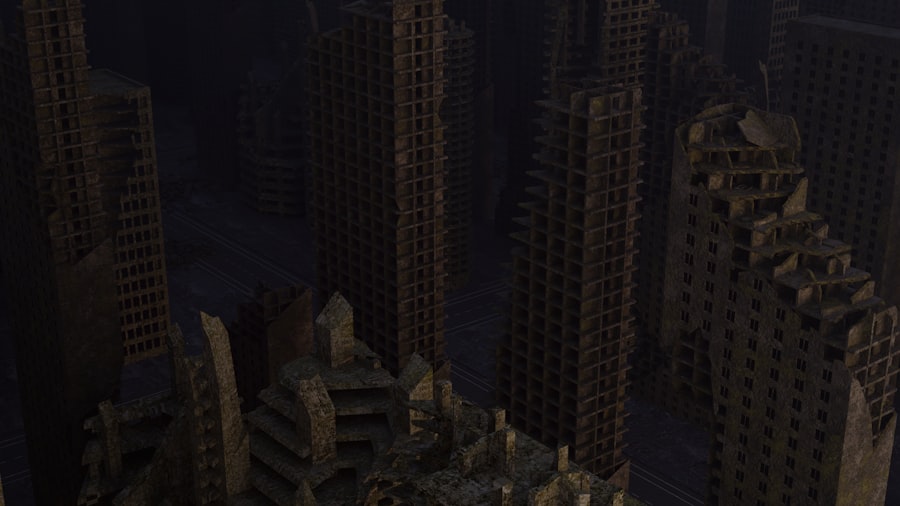
Despite significant progress, the journey towards truly sustainable spaces is fraught with challenges. You are at the forefront of tackling these complexities.
Overcoming Inertia and Initial Costs
One of the primary hurdles you face is the perception of higher upfront costs associated with sustainable design. While long-term operational savings often outweigh initial investments, convincing clients and investors requires a robust economic argument. This necessitates a shift in perspective, viewing sustainability as an investment rather than an expense. It’s about seeing beyond the immediate horizon, to the fertile plains that lie beyond.
The Need for Interdisciplinary Collaboration
Environmental design, by its very nature, demands collaboration across multiple disciplines. You must work seamlessly with architects, engineers, landscape architects, urban planners, ecologists, and even social scientists. Siloed approaches will inevitably lead to suboptimal outcomes. The various streams of expertise must converge to form a mighty river.
Evolving Standards and Technologies
The field of environmental design is dynamic, with new research, materials, and technologies emerging constantly. You must remain adaptable, continuously updating your knowledge and integrating innovative solutions. This is an ongoing voyage of discovery, not a static destination.
Addressing Social Equity and Environmental Justice
Sustainable design also entails ensuring that the benefits of green spaces and healthy environments are equitably distributed across all communities, regardless of socioeconomic status. You are challenged to address issues of environmental justice, ensuring that marginalized communities are not disproportionately burdened by pollution or denied access to green infrastructure. The green mantle should embrace all, not just a privileged few.
As you navigate this complex terrain, remember that environmental design is not merely about constructing efficient buildings; it is about cultivating a more harmonious relationship between humanity and the natural world. You are, in essence, a steward of both built and natural environments, entrusted with the profound responsibility of shaping a sustainable future. Your work is a testament to the idea that design, when imbued with ecological consciousness, can be a potent force for positive change, a living testament to human ingenuity and foresight.
WATCH THIS! 🔥 **The 5 Science-Backed Rules for Permanent Habit Formation:**
FAQs
What are default stacks in environmental design?
Default stacks refer to pre-configured or standard sets of tools, software, or methodologies commonly used in environmental design projects to streamline workflows and ensure consistency.
How do default stacks benefit environmental design projects?
They provide a ready-made framework that helps designers quickly start projects, maintain best practices, improve collaboration, and reduce the time spent on setup and configuration.
What components are typically included in a default stack for environmental design?
A default stack may include design software (like CAD or GIS tools), data management systems, simulation and modeling software, and collaboration platforms tailored to environmental analysis and planning.
Can default stacks be customized for specific environmental design needs?
Yes, while default stacks offer a standard setup, they can usually be adapted or expanded with additional tools and resources to meet the unique requirements of different projects or organizations.
Where can I find or create a default stack for environmental design?
Default stacks can be found through industry organizations, software vendors, or professional communities. Many firms also develop their own stacks based on their preferred tools and project types.