
As you navigate through the complexities of modern living, the significance of sustainable spaces becomes increasingly apparent. These environments are not merely a trend; they represent a crucial shift in how you interact with your surroundings. Sustainable spaces prioritize ecological balance, social equity, and economic viability, creating a harmonious relationship between people and the planet.
By understanding the importance of these spaces, you can appreciate their role in fostering a healthier environment and a more equitable society. Sustainable spaces are designed to minimize environmental impact while maximizing the well-being of their inhabitants. They serve as a reminder that your choices—whether in urban planning, architecture, or everyday living—can contribute to a more sustainable future.
By embracing sustainable practices, you not only enhance your quality of life but also take part in a larger movement aimed at preserving the planet for future generations. This awareness is essential as you consider how your actions can lead to meaningful change in your community and beyond.
Key Takeaways
- Sustainable spaces are crucial for environmental health and community well-being.
- Green building practices and renewable energy reduce ecological footprints.
- Promoting biodiversity and using sustainable materials support natural ecosystems.
- Engaging communities fosters collaboration and social equity.
- Measuring impact and empowering individuals drive ongoing positive change.
Designing Sustainable Spaces for Positive Change
When it comes to designing sustainable spaces, your creativity and vision play a pivotal role. You have the power to influence how these environments are shaped, ensuring they meet the needs of both people and nature. Thoughtful design considers factors such as energy efficiency, water conservation, and the integration of green spaces.
By prioritizing these elements, you can create spaces that not only look good but also function effectively within their ecosystems. Moreover, sustainable design encourages innovation and collaboration among various stakeholders. As you engage with architects, urban planners, and community members, you can foster an environment where diverse ideas come together to create impactful solutions.
This collaborative approach not only enhances the design process but also ensures that the resulting spaces reflect the values and needs of the community. By actively participating in this dialogue, you contribute to a collective vision that promotes sustainability and positive change.
Incorporating Green Building Practices

Incorporating green building practices is essential for creating sustainable spaces that stand the test of time. As you explore various construction methods and materials, you will discover that green building goes beyond aesthetics; it encompasses energy efficiency, resource conservation, and environmental responsibility. By utilizing techniques such as passive solar design, natural ventilation, and high-performance insulation, you can significantly reduce a building’s carbon footprint while enhancing its livability.
Additionally, green building practices often involve the use of sustainable materials that are sourced responsibly and have minimal environmental impact. As you consider your options, think about materials that are recycled, reclaimed, or locally sourced. This not only supports local economies but also reduces transportation emissions associated with long-distance shipping.
By making informed choices about building materials and methods, you can create spaces that are not only beautiful but also environmentally friendly.
Utilizing Renewable Energy Sources
The transition to renewable energy sources is a cornerstone of sustainable space design. As you consider how to power your environment, think about harnessing energy from sources such as solar, wind, and geothermal. These alternatives not only reduce reliance on fossil fuels but also contribute to a cleaner and healthier atmosphere.
By integrating renewable energy systems into your designs, you can create spaces that are self-sufficient and resilient against the challenges posed by climate change. Moreover, utilizing renewable energy sources can lead to significant cost savings over time. As energy prices fluctuate, having a reliable source of renewable energy can provide stability and predictability in your energy expenses.
This financial benefit is particularly important for communities looking to invest in sustainable infrastructure. By championing renewable energy solutions, you empower yourself and others to take control of energy consumption while promoting environmental stewardship.
Implementing Sustainable Materials and Resources
| Metric | Description | Measurement Unit | Typical Range | Importance |
|---|---|---|---|---|
| Spatial Layout Efficiency | Degree to which the environment supports smooth movement and interaction | Percentage (%) | 70-95% | High |
| Visibility | Extent to which key elements and pathways are visible to users | Visibility Index (0-1) | 0.7-1.0 | High |
| Accessibility | Ease of access for all users including those with disabilities | Compliance Score (0-100) | 80-100 | High |
| Environmental Comfort | Level of comfort provided by lighting, temperature, and acoustics | Comfort Rating (1-10) | 6-9 | Medium |
| Interaction Points | Number of designed points encouraging user interaction or action | Count | 5-20 per 100 sqm | High |
| Wayfinding Effectiveness | Ease with which users can navigate the environment | Success Rate (%) | 85-98% | High |
| Safety | Measures to prevent accidents and ensure user security | Safety Compliance Score (0-100) | 90-100 | High |
The choice of materials plays a critical role in the sustainability of any space. As you embark on projects aimed at creating sustainable environments, consider implementing materials that are durable, non-toxic, and environmentally friendly. This includes everything from low-VOC paints to sustainably harvested wood and recycled metals.
By prioritizing these materials, you contribute to healthier indoor air quality and reduce the overall environmental impact of your projects. In addition to selecting sustainable materials, it’s essential to adopt resource-efficient practices throughout the construction process. This means minimizing waste through careful planning and recycling leftover materials whenever possible.
As you engage with contractors and suppliers, advocate for practices that prioritize sustainability at every stage of development. By doing so, you not only enhance the ecological integrity of your projects but also set an example for others in your community.
Promoting Biodiversity and Natural Habitats
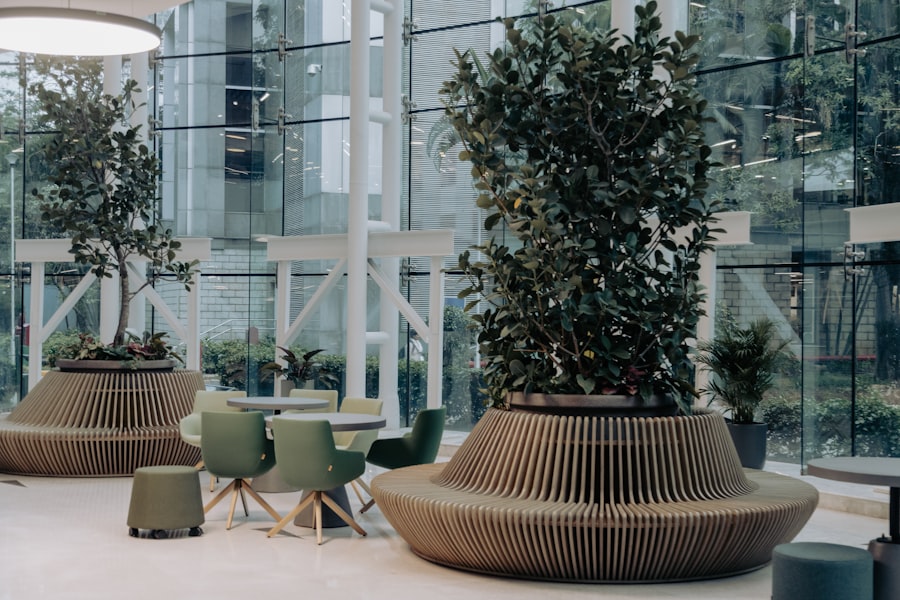
Promoting biodiversity is a vital aspect of creating sustainable spaces that thrive in harmony with nature. As you design these environments, consider how they can support local flora and fauna while providing valuable ecosystem services. This might involve incorporating native plants into landscaping or creating habitats for wildlife within urban settings.
By fostering biodiversity, you contribute to healthier ecosystems that benefit both people and wildlife.
You can create gardens that serve as living classrooms or parks that encourage exploration and connection with nature.
By promoting biodiversity in this way, you inspire others to appreciate the beauty and importance of natural ecosystems while fostering a sense of stewardship for the environment.
Fostering Community Engagement and Collaboration
Community engagement is essential for the success of any sustainable space initiative. As you work on projects aimed at enhancing sustainability, actively involve community members in the planning and decision-making processes. This collaborative approach ensures that the needs and desires of those who will use the space are taken into account, leading to more effective and meaningful outcomes.
By fostering collaboration among diverse stakeholders—such as local governments, businesses, and residents—you create a sense of ownership and pride within the community. This engagement not only strengthens social ties but also encourages individuals to take an active role in maintaining and improving their environment. As you witness the positive impact of community-driven initiatives, you’ll realize that sustainable spaces are not just physical locations; they are reflections of collective values and aspirations.
Creating Healthy and Accessible Environments
Creating healthy and accessible environments is paramount in promoting well-being within sustainable spaces. As you design these areas, consider how they can accommodate individuals of all ages and abilities. This includes ensuring that pathways are wheelchair accessible, providing ample seating areas for rest, and incorporating features that promote physical activity—such as walking trails or outdoor fitness stations.
Moreover, prioritizing health in your designs means considering factors such as air quality, natural light, and access to green spaces. Research has shown that exposure to nature can significantly improve mental health and overall well-being. By integrating elements that promote health—such as biophilic design principles—you create environments where individuals can thrive physically and emotionally.
Supporting Local Economies and Social Equity
Supporting local economies is an integral part of creating sustainable spaces that benefit everyone in the community. As you engage with local businesses and artisans during your projects, you help stimulate economic growth while fostering social equity. This approach not only strengthens community ties but also ensures that resources are circulated within the local economy rather than being siphoned off to distant corporations.
Additionally, promoting social equity involves addressing disparities in access to resources and opportunities within your community. As you design sustainable spaces, consider how they can serve marginalized populations by providing access to essential services, recreational areas, and educational resources. By prioritizing inclusivity in your designs, you contribute to a more just society where everyone has the opportunity to thrive.
Measuring and Monitoring the Impact of Sustainable Spaces
To ensure the effectiveness of your sustainable space initiatives, it’s crucial to measure and monitor their impact over time. As you implement various strategies—such as energy-efficient systems or green building practices—establish metrics to evaluate their success. This might include tracking energy consumption reductions, assessing user satisfaction levels, or monitoring biodiversity improvements within the area.
By regularly evaluating these metrics, you gain valuable insights into what works well and what may need adjustment. This data-driven approach allows you to refine your strategies continually while demonstrating the tangible benefits of sustainable spaces to stakeholders and community members alike. Ultimately, measuring impact fosters accountability and encourages ongoing commitment to sustainability.
Inspiring and Empowering Individuals for Positive Change
Inspiring others to embrace sustainability is one of the most powerful ways you can effect positive change within your community. As you share your knowledge and experiences related to sustainable spaces, you empower individuals to take action in their own lives. Whether through workshops, community events, or social media campaigns, your efforts can spark interest and enthusiasm for sustainability among diverse audiences.
Moreover, by showcasing successful examples of sustainable spaces—whether through case studies or personal stories—you provide tangible evidence that change is possible. This inspiration can motivate others to adopt sustainable practices in their own homes or advocate for similar initiatives within their communities. By fostering a culture of sustainability through inspiration and empowerment, you contribute to a collective movement toward a healthier planet for all.
In conclusion, creating sustainable spaces is not just about environmental responsibility; it encompasses social equity, economic viability, and community engagement. As you embark on this journey toward sustainability, remember that every action counts—whether it’s designing green buildings or advocating for local economies. By understanding the importance of sustainable spaces and actively participating in their creation, you play a vital role in shaping a better future for yourself and generations to come.
In the realm of environment design for action, understanding how our surroundings influence behavior is crucial. A related article that delves into this topic is available on Unplugged Psych, which explores various strategies for creating environments that promote positive actions and well-being.