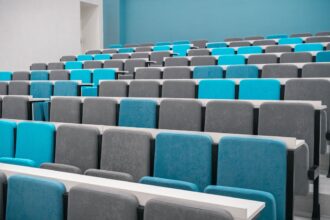
In today’s rapidly evolving world, the significance of sustainable design cannot be overstated. As you navigate through various environments, you may notice that the spaces you inhabit have a profound impact on your well-being and the planet. Sustainable cue cluster environment design focuses on creating spaces that not only meet the needs of their users but also minimize environmental harm.
By prioritizing sustainability, you contribute to a healthier ecosystem, enhance the quality of life for individuals, and foster a sense of community. The importance of sustainable design extends beyond mere aesthetics; it encompasses social, economic, and environmental dimensions. When you engage with sustainable cue cluster environments, you are participating in a movement that seeks to balance human needs with ecological preservation.
This approach encourages you to think critically about resource consumption, energy use, and waste generation. By understanding the importance of sustainable design, you empower yourself to make informed choices that positively impact both your immediate surroundings and the broader environment.
Key Takeaways
- Sustainable cue cluster design reduces environmental impact through careful material and resource selection.
- Energy-efficient lighting and biophilic design enhance both sustainability and occupant well-being.
- Waste reduction and recycling are critical components of eco-friendly cue cluster environments.
- Promoting indoor air quality and sustainable transportation supports healthier, greener spaces.
- Ongoing stakeholder engagement and impact monitoring ensure continuous improvement and success.
Assessing the Current Environmental Impact of Cue Cluster Design
To embark on a journey toward sustainable cue cluster design, it is essential to assess the current environmental impact of existing designs. You may find that many cue clusters contribute significantly to carbon emissions, resource depletion, and waste generation. By evaluating these impacts, you can identify areas for improvement and develop strategies to mitigate negative effects.
This assessment often involves analyzing energy consumption patterns, material usage, and waste management practices. As you delve into this evaluation process, consider the lifecycle of materials used in cue cluster design. From extraction to disposal, each stage has environmental implications that can be quantified and addressed.
By understanding these impacts, you can advocate for more sustainable practices within your community and encourage designers to prioritize eco-friendly solutions. This awareness not only enhances your knowledge but also positions you as an informed participant in the conversation surrounding sustainable design.
Identifying Sustainable Materials and Resources for Cue Cluster Design
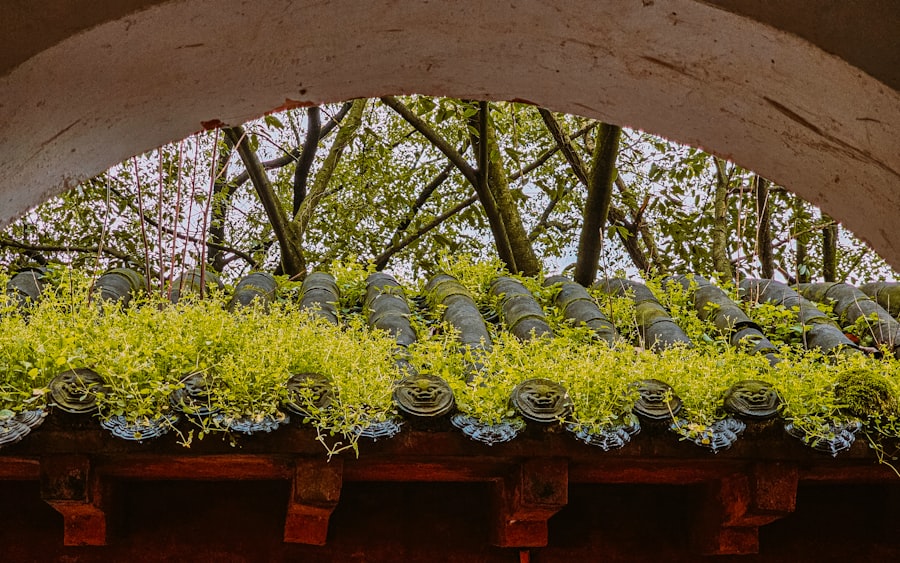
One of the cornerstones of sustainable cue cluster design is the selection of materials and resources that minimize environmental impact. As you explore various options, consider materials that are renewable, recyclable, or biodegradable. For instance, bamboo and reclaimed wood are excellent choices due to their low environmental footprint and aesthetic appeal.
By opting for such materials, you contribute to reducing deforestation and promoting responsible sourcing practices. In addition to traditional materials, innovative alternatives are emerging in the realm of sustainable design. You might encounter products made from recycled plastics or composites that offer durability without compromising environmental integrity.
By staying informed about these advancements, you can make choices that align with your values while also inspiring others to follow suit. The materials you choose play a crucial role in shaping the overall sustainability of cue cluster environments.
Incorporating Energy-Efficient Lighting and Technology in Cue Cluster Design
Energy efficiency is a vital aspect of sustainable cue cluster design that directly impacts your experience within these spaces. As you consider lighting options, think about how energy-efficient technologies can enhance both functionality and ambiance. LED lighting, for example, consumes significantly less energy than traditional incandescent bulbs while providing superior illumination.
By incorporating such technologies into cue cluster designs, you not only reduce energy consumption but also lower operational costs. Moreover, integrating smart technology into cue cluster environments can further enhance energy efficiency. You may find systems that automatically adjust lighting based on occupancy or natural light levels, ensuring that energy is used only when necessary.
This not only contributes to sustainability but also creates a more comfortable environment for users like yourself. By embracing energy-efficient lighting and technology, you play an active role in promoting a greener future.
Implementing Biophilic Design Principles in Cue Cluster Environments
| Metric | Description | Typical Values | Importance |
|---|---|---|---|
| Cluster Size | Number of cues or stimuli grouped together in the environment | 3-7 cues per cluster | High – affects cognitive load and memory retention |
| Spatial Arrangement | Physical layout and proximity of cues within the cluster | Close proximity (within 1-2 meters) | Medium – influences ease of perception and interaction |
| Cue Salience | Visibility and prominence of cues in the environment | High contrast, bright colors, or distinct shapes | High – critical for attention and recognition |
| Environmental Context | Background and surrounding elements that support cue meaning | Consistent thematic elements | Medium – aids in contextual understanding |
| Redundancy | Number of cues conveying the same information | 2-3 redundant cues per message | High – improves reliability and comprehension |
| Interference Level | Degree to which other stimuli distract from the cue cluster | Low to moderate | High – reduces confusion and enhances clarity |
| Accessibility | Ease with which users can reach or interact with cues | Within arm’s reach or line of sight | High – ensures usability for diverse users |
Biophilic design principles emphasize the connection between humans and nature, fostering environments that promote well-being and productivity. As you explore cue cluster designs, consider how incorporating natural elements can enhance your experience. This might include integrating plants, natural light, and organic materials into the design.
Research has shown that exposure to nature can reduce stress levels and improve cognitive function, making biophilic design an essential consideration for sustainable environments. Incorporating biophilic elements into cue clusters can take many forms. You might encounter living walls adorned with greenery or large windows that invite natural light into the space.
These features not only create a visually appealing environment but also contribute to improved indoor air quality and overall health. By advocating for biophilic design principles in cue cluster environments, you help create spaces that nurture both people and the planet.
Reducing Waste and Promoting Recycling in Cue Cluster Design
Waste reduction is a critical component of sustainable cue cluster design that requires your active participation. As you engage with these environments, consider how waste is generated and what strategies can be implemented to minimize it. This might involve designing spaces with multifunctional furniture or incorporating modular elements that can be easily reconfigured or repurposed.
By prioritizing flexibility in design, you can help reduce the need for new materials and minimize waste. Promoting recycling within cue cluster environments is equally important. You may find it beneficial to advocate for clearly labeled recycling stations and educational initiatives that encourage responsible waste disposal among users.
By fostering a culture of recycling and waste reduction, you contribute to a more sustainable future while also enhancing the overall experience within these spaces.
Promoting Indoor Air Quality in Cue Cluster Environments
Indoor air quality is a crucial aspect of sustainable cue cluster design that directly affects your health and comfort. Poor air quality can lead to various health issues, including respiratory problems and decreased productivity. As you explore cue cluster environments, pay attention to factors such as ventilation systems, material off-gassing, and the presence of indoor plants that can help purify the air.
To promote better indoor air quality, consider advocating for the use of low-VOC (volatile organic compounds) materials in construction and furnishings. These materials emit fewer harmful chemicals into the air, creating a healthier environment for occupants like yourself. Additionally, incorporating natural ventilation strategies can enhance air circulation and reduce reliance on mechanical systems.
By prioritizing indoor air quality in cue cluster design, you contribute to a healthier and more enjoyable experience for all users.
Integrating Sustainable Transportation and Access in Cue Cluster Design
Sustainable transportation options play a vital role in enhancing the accessibility and environmental impact of cue cluster designs. As you navigate these spaces, consider how transportation choices affect your experience and the overall sustainability of the environment.
When designing cue clusters, it is essential to incorporate features that promote sustainable transportation options. This might include bike racks, pedestrian-friendly pathways, or easy access to public transit stations. By advocating for these elements in cue cluster design, you help create an environment that encourages eco-friendly transportation choices while enhancing connectivity within the community.
Engaging Stakeholders and Community in Sustainable Cue Cluster Design
Engaging stakeholders and the community is crucial for successful sustainable cue cluster design. As you participate in discussions about these environments, consider how collaboration can lead to innovative solutions that address local needs while promoting sustainability. Involving diverse voices—such as residents, business owners, and environmental advocates—ensures that designs reflect the values and aspirations of the community.
You might find it beneficial to organize workshops or forums where stakeholders can share their ideas and concerns regarding cue cluster design. This collaborative approach fosters a sense of ownership among community members and encourages them to take an active role in promoting sustainability within their environments. By engaging stakeholders effectively, you contribute to creating spaces that are not only environmentally friendly but also socially inclusive.
Monitoring and Evaluating the Environmental Impact of Cue Cluster Environments
To ensure that sustainable cue cluster designs achieve their intended goals, it is essential to monitor and evaluate their environmental impact continuously. As you engage with these spaces over time, consider how data collection can inform future improvements and adaptations. This might involve tracking energy consumption, waste generation, or user satisfaction levels to assess whether sustainability objectives are being met.
By implementing regular evaluations, you can identify areas where adjustments are needed and celebrate successes along the way. This ongoing process fosters a culture of accountability and encourages continuous improvement in sustainable design practices. Your involvement in monitoring these impacts not only enhances your understanding but also empowers you to advocate for positive change within your community.
Showcasing Successful Examples of Sustainable Cue Cluster Design
Finally, showcasing successful examples of sustainable cue cluster design serves as an inspiration for others seeking to create environmentally friendly spaces. As you explore various projects around the world, take note of innovative solutions that have effectively addressed sustainability challenges while enhancing user experience. These case studies can serve as valuable references for future designs.
You might find it beneficial to share these examples through presentations or community events to raise awareness about the importance of sustainable design practices.
Your efforts contribute to a growing movement toward sustainability that benefits both individuals and the planet as a whole.
In conclusion, embracing sustainable cue cluster environment design is not just a trend; it is a necessity for creating spaces that nurture both people and the planet. By understanding its importance, assessing current impacts, identifying sustainable materials, incorporating energy-efficient technologies, implementing biophilic principles, reducing waste, promoting indoor air quality, integrating sustainable transportation options, engaging stakeholders, monitoring impacts, and showcasing successful examples, you play an active role in shaping a more sustainable future for all.
In exploring the intricacies of cue cluster environment design, it’s essential to consider how various elements can influence behavior and learning. A related article that delves into these concepts can be found on Unplugged Psychology, which discusses the psychological underpinnings of environmental design and its impact on human interaction. For more insights, you can read the article [here](https://www.unpluggedpsych.com/).
FAQs
What is cue cluster environment design?
Cue cluster environment design refers to the strategic arrangement of multiple sensory cues within a space to influence behavior, perception, or experience. It involves integrating visual, auditory, tactile, and sometimes olfactory signals to create a cohesive and effective environment.
Where is cue cluster environment design commonly used?
Cue cluster environment design is commonly used in fields such as architecture, interior design, urban planning, virtual reality, gaming, and behavioral psychology. It helps guide user interaction, enhance immersion, or improve wayfinding.
What are the main components of cue cluster environment design?
The main components include sensory cues like lighting, color, texture, sound, spatial layout, and sometimes scent. These elements are combined thoughtfully to create clusters that communicate specific messages or evoke desired responses.
How does cue cluster environment design affect human behavior?
By presenting multiple related cues simultaneously, cue cluster environment design can direct attention, influence mood, encourage certain actions, or improve memory retention. It leverages the brain’s ability to process combined sensory information for more effective communication.
What principles guide effective cue cluster environment design?
Effective design follows principles such as consistency, clarity, relevance, and balance. Cues should complement each other without causing sensory overload, and they must align with the intended purpose of the environment.
Can cue cluster environment design be applied in virtual environments?
Yes, cue cluster environment design is widely applied in virtual environments to enhance realism and user engagement. Designers use visual, auditory, and haptic cues to create immersive experiences that guide user behavior and perception.
What challenges are associated with cue cluster environment design?
Challenges include avoiding conflicting cues that confuse users, managing sensory overload, ensuring accessibility for diverse users, and adapting designs to different cultural interpretations of cues.
How can one measure the effectiveness of cue cluster environment design?
Effectiveness can be measured through user testing, behavioral observations, surveys, and physiological monitoring to assess how well the environment influences intended behaviors or experiences.