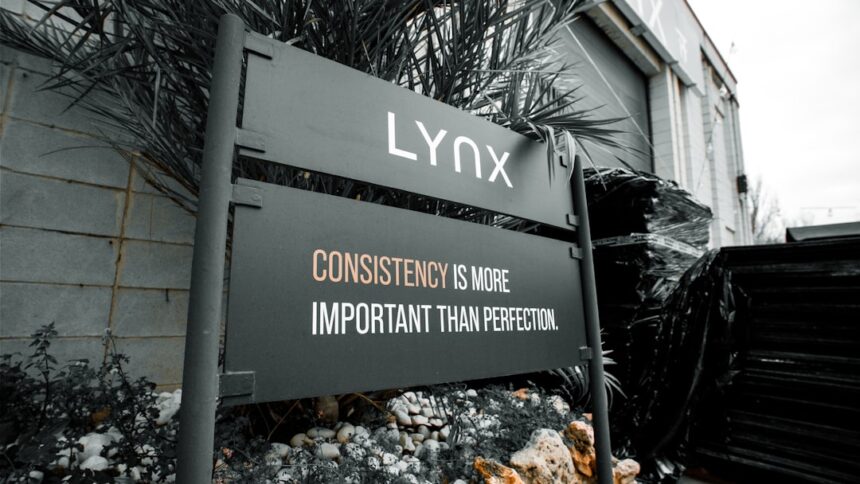
In contemporary communication environments characterized by rapid information dissemination, maintaining consistency in public messaging has become increasingly significant. Public figures, organizations, and professionals face heightened scrutiny of their statements and actions, necessitating coherent and stable communication strategies. Research demonstrates that consistent public positioning enhances trust and credibility, which serve as foundational elements for establishing and sustaining relationships with various stakeholder groups, including constituents, customers, and audiences.
Consistent communication of values and principles creates measurable reliability that facilitates deeper stakeholder engagement. Studies in organizational behavior and public relations indicate that audiences respond more favorably to entities that demonstrate predictable messaging patterns aligned with stated values. Additionally, consistent public positioning enables the establishment of distinct organizational or personal identity.
In competitive communication landscapes with numerous competing perspectives, well-defined positions provide differentiation advantages. This clarity facilitates effective articulation of vision statements and objectives, improving stakeholder comprehension of positions on various issues. Evidence suggests that clear positioning strengthens brand recognition and enhances influence capacity for driving organizational or social change.
Consistency in messaging demonstrates commitment to stated principles, which research indicates can generate increased stakeholder loyalty and support.
Key Takeaways
- Consistency in public stance is crucial for credibility and trustworthiness.
- Maintaining consistency is challenging due to evolving opinions and external pressures.
- Public opinion and media significantly influence how public stances are perceived and shaped.
- Balancing personal beliefs with public expectations requires strategic communication and resilience.
- Inconsistency in public stance can lead to loss of support and psychological stress.
The Challenges of Maintaining a Consistent Public Stance
While the benefits of consistency are clear, maintaining a steady public stance is fraught with challenges. One of the most significant hurdles you may face is the ever-changing nature of societal norms and expectations. As public discourse evolves, you might find that the issues you once felt strongly about are now viewed differently by the public.
This shifting landscape can create tension between your established beliefs and the current climate, making it difficult to navigate your position without appearing out of touch or rigid. Additionally, the pressure to adapt to new information or changing public sentiment can lead to internal conflict. You may feel torn between staying true to your core values and responding to the demands of your audience or stakeholders.
This struggle can be particularly pronounced in political or corporate environments, where the stakes are high, and the consequences of inconsistency can be severe. Balancing your convictions with the need for adaptability requires careful consideration and often leads to difficult decisions about how to present yourself publicly. Understanding cognitive dissonance can help explain why people sometimes hold conflicting beliefs.
The Impact of Public Opinion on Public Stance

Public opinion plays a crucial role in shaping your public stance. As you navigate the complexities of your position, you may find that the perceptions and attitudes of your audience significantly influence your messaging. In an age where social media amplifies voices and opinions, it’s easy to become swayed by popular sentiment.
You might feel compelled to adjust your stance based on trending topics or viral discussions, which can lead to a disconnect between your authentic beliefs and the image you project. However, while it’s essential to be aware of public opinion, it’s equally important not to let it dictate your every move. You must strike a balance between being responsive to your audience and remaining true to yourself.
This requires a deep understanding of your values and the reasons behind them. By grounding your public stance in well-considered principles rather than fleeting trends, you can maintain authenticity while still engaging with the concerns of those around you.
Navigating Political and Social Pressures
In many cases, political and social pressures can complicate your efforts to maintain a consistent public stance. You may find yourself in situations where external forces—such as party affiliations, interest groups, or social movements—demand that you align with specific narratives or positions. This pressure can create a challenging environment where you must carefully weigh the potential consequences of your choices.
You might feel that deviating from the expected path could jeopardize your career or reputation. Navigating these pressures requires a strategic approach. You may need to engage in active listening and dialogue with various stakeholders to understand their perspectives while remaining grounded in your beliefs.
It’s essential to cultivate relationships with those who share your values, as they can provide support and guidance when faced with conflicting demands. By fostering an environment of open communication, you can better navigate the complexities of political and social pressures while staying true to your core principles.
Strategies for Communicating a Consistent Public Stance
| Metric | Description | Measurement Method | Typical Range | Impact on Behavior |
|---|---|---|---|---|
| Public Commitment Frequency | Number of times an individual publicly states a position | Count of public statements or declarations | 0 – 10+ per month | Higher frequency increases pressure to remain consistent |
| Consistency Pressure Index | Degree of social pressure to maintain a consistent stance | Survey-based Likert scale (1-7) | 3 – 7 (moderate to high) | Stronger pressure leads to reduced attitude change |
| Public Audience Size | Number of people aware of the public stance | Audience count or social media followers | 10 – 100,000+ | Larger audience increases consistency pressure |
| Time Since Last Public Statement | Duration since the last public stance was expressed | Time in days or weeks | 0 – 365 days | Longer time may reduce pressure to stay consistent |
| Perceived Social Cost of Inconsistency | Expected negative consequences of changing stance publicly | Survey rating (1-10) | 1 – 10 | Higher perceived cost increases consistency pressure |
To effectively communicate a consistent public stance, you must develop clear strategies that resonate with your audience. One effective approach is to create a messaging framework that outlines your key beliefs and values. This framework serves as a guide for all your communications, ensuring that your messaging remains aligned with your core principles.
By consistently referencing this framework in speeches, social media posts, and other public engagements, you reinforce your position and build recognition among your audience. Another strategy is to engage in storytelling. Sharing personal anecdotes or experiences related to your beliefs can humanize your stance and make it more relatable.
When people connect emotionally with your story, they are more likely to understand and support your position. Additionally, consider using various platforms to reach different segments of your audience. Tailoring your message for specific channels—whether it’s through traditional media, social media, or community events—can enhance engagement while maintaining consistency across all platforms.
The Role of Media in Shaping Public Stance

The media plays a pivotal role in shaping public perception and influencing how you communicate your stance. In an era dominated by 24-hour news cycles and social media platforms, the way information is presented can significantly impact how your message is received. You may find that media coverage can amplify certain aspects of your stance while downplaying others, leading to potential misinterpretations or oversimplifications of your beliefs.
To navigate this landscape effectively, it’s crucial to develop strong relationships with journalists and media outlets. By proactively engaging with the media, you can help shape the narrative surrounding your public stance. Providing clear information and context about your beliefs can mitigate misunderstandings and ensure that your message is accurately represented.
Additionally, being prepared for interviews or public appearances allows you to articulate your position confidently, reinforcing consistency even in challenging situations.
Balancing Personal Beliefs with Public Expectations
As you strive for consistency in your public stance, balancing personal beliefs with public expectations can be particularly challenging. You may feel pressure to conform to societal norms or align with popular opinions, even if they conflict with your values. This tension can lead to feelings of dissonance as you grapple with the desire for acceptance versus the need for authenticity.
To navigate this balance effectively, it’s essential to engage in self-reflection regularly. Take time to assess what truly matters to you and why those beliefs are significant. By grounding yourself in your values, you can better articulate them in a way that resonates with others while remaining true to yourself.
Additionally, surrounding yourself with supportive individuals who share similar values can provide encouragement as you navigate this complex landscape.
The Influence of Stakeholders on Public Stance
Stakeholders—whether they are constituents, customers, employees, or investors—play a significant role in shaping your public stance.
You may find that balancing these diverse perspectives requires careful consideration and negotiation.
Engaging with stakeholders through open dialogue is crucial for understanding their needs while maintaining consistency in your messaging. By actively listening to their concerns and incorporating their feedback into your communications, you demonstrate that you value their input without compromising your core beliefs. This collaborative approach not only strengthens relationships but also enhances the credibility of your public stance.
The Psychological Toll of Feeling Pressure to Maintain a Consistent Public Stance
The pressure to maintain a consistent public stance can take a psychological toll on you over time. The constant scrutiny from the public and media can lead to anxiety and stress as you navigate conflicting expectations and opinions. You may find yourself second-guessing decisions or feeling overwhelmed by the weight of responsibility associated with representing certain beliefs.
To mitigate this psychological burden, it’s essential to prioritize self-care and seek support when needed. Engaging in mindfulness practices or seeking professional guidance can help you manage stress effectively. Additionally, connecting with peers who face similar challenges can provide valuable insights and reassurance as you navigate the complexities of maintaining consistency in a demanding environment.
The Consequences of Inconsistency in Public Stance
Inconsistency in public stance can have far-reaching consequences that impact not only your reputation but also the trust others place in you. When people perceive discrepancies between what you say and what you do, it can lead to skepticism and doubt regarding your integrity. This erosion of trust can hinder relationships with stakeholders and diminish your influence over time.
Moreover, inconsistency can result in missed opportunities for collaboration or engagement with like-minded individuals or organizations. When others see you as unreliable or unpredictable, they may hesitate to align themselves with you or support your initiatives.
Finding Support and Resilience in the Face of Pressure
In the face of pressure to maintain a consistent public stance, finding support and resilience is vital for sustaining your efforts over time. Building a network of allies who share similar values can provide encouragement during challenging moments. These connections not only offer emotional support but also serve as valuable resources for navigating complex situations.
Additionally, cultivating resilience involves developing coping strategies that allow you to manage stress effectively while remaining committed to your principles. Engaging in regular self-reflection helps reinforce your sense of purpose and reminds you why consistency matters in the first place. By prioritizing self-care and seeking support from trusted individuals, you can navigate the pressures associated with maintaining a consistent public stance while staying true to yourself.
Public stance consistency pressure refers to the social expectation for individuals to maintain a consistent position on issues they publicly advocate. This phenomenon can significantly influence behavior and decision-making, often leading individuals to conform to their stated beliefs even in the face of new evidence. For a deeper understanding of this concept, you can explore the article on Unplugged Psychology, which discusses various psychological pressures and their implications on personal and public discourse. You can read more about it [here](https://www.unpluggedpsych.com/).
WATCH THIS! 🔑 THE CAGE YOU BUILT: Why Smart People Can’t Escape Toxic Choices (Cognitive Dissonance)
FAQs
What is public stance consistency pressure?
Public stance consistency pressure refers to the social and psychological forces that encourage individuals to maintain consistency between their publicly stated opinions or positions and their subsequent behavior or statements.
Why do people feel pressure to maintain consistency in their public stances?
People often feel pressure to maintain consistency to preserve their credibility, avoid social judgment, and maintain a coherent self-image. Inconsistent public stances can lead to perceptions of unreliability or hypocrisy.
How does public stance consistency pressure affect decision-making?
This pressure can influence individuals to stick with previously stated positions even when new information suggests a change is warranted, potentially leading to biased or suboptimal decisions.
Can public stance consistency pressure impact group dynamics?
Yes, it can reinforce group conformity and discourage dissenting opinions, as members may avoid expressing views that conflict with their earlier public statements or the group’s dominant stance.
Is public stance consistency pressure always negative?
Not necessarily. While it can lead to rigidity, it also promotes accountability and trustworthiness by encouraging individuals to stand by their commitments and statements.
How can individuals manage public stance consistency pressure?
Individuals can manage this pressure by openly acknowledging changes in their views, providing clear explanations for shifts in position, and fostering environments that value honest dialogue over rigid consistency.
What role does public stance consistency pressure play in politics?
In politics, this pressure can lead politicians to maintain positions to avoid appearing inconsistent, which may affect policy decisions and public trust. However, it can also hinder adaptability to new evidence or changing circumstances.
Are there psychological theories related to public stance consistency pressure?
Yes, theories such as cognitive dissonance explain the discomfort people feel when their actions or statements are inconsistent, motivating them to reduce this inconsistency through various means.