
When you think about your daily interactions and decisions, it’s essential to grasp the distinction between values and vibes. Values are the fundamental beliefs that guide your actions and decisions; they are the principles you hold dear, such as honesty, compassion, and respect. These values form the bedrock of your character and influence how you navigate the world.
On the other hand, vibes refer to the emotional atmosphere or energy that surrounds a situation or person. They can be fleeting and often depend on external factors, such as social dynamics or environmental cues. While values are steadfast and rooted in your identity, vibes can shift based on context and mood.
Understanding this difference is crucial for your personal growth. When you align your actions with your core values, you create a sense of authenticity that resonates deeply within you. Conversely, if you allow vibes to dictate your behavior, you may find yourself acting in ways that don’t truly reflect who you are.
This misalignment can lead to feelings of discontent and confusion. By recognizing the distinction between these two concepts, you empower yourself to make choices that are more aligned with your true self, rather than being swayed by the ever-changing currents of social energy.
Key Takeaways
- Core values define your true beliefs, while vibes are temporary feelings or impressions.
- Living according to your values leads to greater integrity and authentic relationships.
- Recognizing the difference between genuine authenticity and superficial vibes helps avoid fakeness.
- Overcoming social pressure to conform to vibes strengthens self-awareness and personal growth.
- Prioritizing values over vibes results in long-term fulfillment and meaningful connections.
Identifying Your Core Values
To live authentically, you must first identify your core values. This process involves introspection and self-discovery, allowing you to uncover what truly matters to you. Start by reflecting on moments in your life when you felt fulfilled or proud.
What principles were at play during those times? Perhaps it was a commitment to family, a passion for creativity, or a dedication to social justice. By pinpointing these moments, you can begin to articulate the values that resonate most deeply with you.
Once you have a list of potential values, take the time to prioritize them. Consider which values are non-negotiable in your life and which ones may be more flexible. This prioritization will help you navigate decisions more effectively, as you’ll have a clear framework for evaluating opportunities and challenges.
Remember that identifying your core values is not a one-time exercise; it’s an ongoing journey that may evolve as you grow and experience new aspects of life.
The Impact of Living by Your Values

Living in alignment with your core values can have a profound impact on your overall well-being. When your actions reflect your beliefs, you cultivate a sense of inner peace and fulfillment. You may notice that decision-making becomes easier; instead of feeling torn between options, you can evaluate choices based on how well they align with your values.
This clarity can lead to increased confidence and a stronger sense of purpose in your life. Moreover, living by your values fosters resilience in the face of challenges. When obstacles arise, having a clear understanding of what matters most to you can provide motivation and direction.
You’ll be better equipped to navigate difficult situations because you have a guiding compass that keeps you grounded.
Recognizing the Influence of Vibes
| Metric | Description | Impact Level | Measurement Method |
|---|---|---|---|
| Emotional Resonance | Degree to which a vibe emotionally connects with individuals | High | Surveys and sentiment analysis |
| Behavioral Influence | Effect of vibes on decision-making and actions | Medium | Observation and behavioral tracking |
| Social Cohesion | Extent to which vibes promote group unity and collaboration | High | Group dynamics assessment |
| Perceived Atmosphere | Overall feeling or mood sensed in an environment | Medium | Environmental scans and feedback forms |
| Stress Reduction | Impact of positive vibes on lowering stress levels | High | Physiological measurements and self-reports |
While values provide a solid foundation for your actions, it’s also important to recognize the influence of vibes in your environment. Vibes can shape your mood, perceptions, and interactions with others. For instance, when you enter a room filled with positive energy, you may feel uplifted and inspired.
Conversely, a negative vibe can drain your energy and lead to feelings of discomfort or anxiety. Understanding how vibes affect you allows you to navigate social situations more effectively. Being aware of vibes also helps you discern when they may be leading you astray.
For example, if you find yourself conforming to a group’s vibe that doesn’t align with your values, it’s essential to take a step back and evaluate the situation. Are you compromising your beliefs for the sake of fitting in? Recognizing these moments empowers you to make conscious choices about how you engage with others while staying true to yourself.
How to Distinguish Between Authenticity and Fakeness
In a world where social media often blurs the lines between authenticity and fakeness, it’s crucial for you to develop the ability to distinguish between the two. Authenticity is rooted in honesty and self-awareness; it involves being true to yourself and expressing your genuine thoughts and feelings. Fakeness, on the other hand, often stems from a desire for approval or acceptance from others.
It manifests as inauthentic behavior or superficial interactions that lack depth. To cultivate authenticity in your life, start by embracing vulnerability. Allow yourself to express your true thoughts and emotions without fear of judgment.
This openness not only fosters genuine connections with others but also reinforces your commitment to living by your values. Pay attention to how certain interactions make you feel; if they leave you feeling drained or disconnected, it may be a sign that fakeness is at play. By prioritizing authenticity over superficiality, you create space for deeper relationships and a more fulfilling life.
Overcoming the Pressure to Conform to Vibes
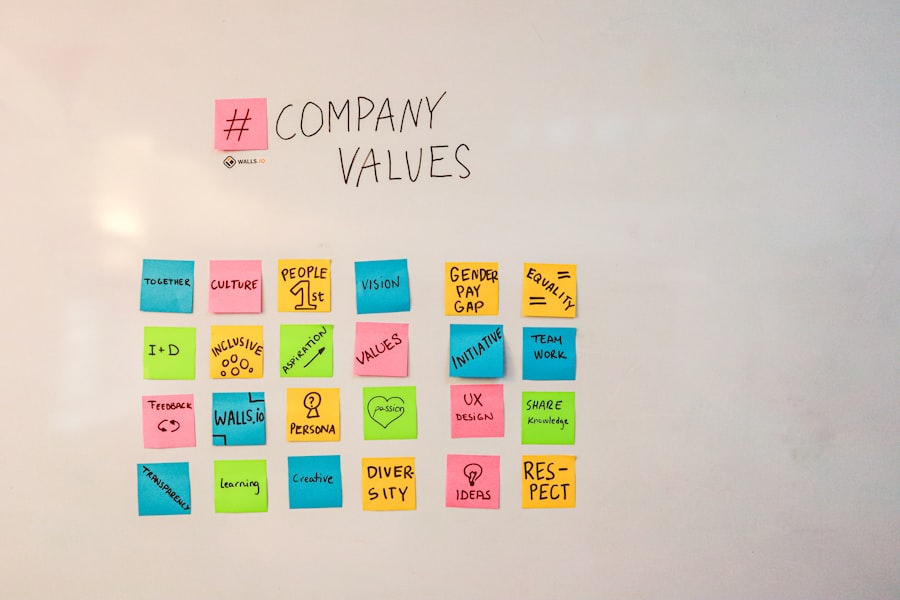
The pressure to conform to prevailing vibes can be overwhelming at times, especially in social settings where group dynamics play a significant role. You may find yourself feeling compelled to adopt certain behaviors or attitudes simply to fit in or gain acceptance from others. However, succumbing to this pressure can lead to internal conflict and dissatisfaction.
It’s essential to recognize that true belonging comes from being authentic rather than conforming to external expectations. To overcome this pressure, practice assertiveness in expressing your values and boundaries. Communicate openly about what matters most to you, even if it feels uncomfortable at first.
Surround yourself with individuals who appreciate and respect your authenticity; these relationships will provide a supportive environment where you can thrive without compromising who you are. Remember that it’s okay to stand out or be different; embracing your uniqueness is what ultimately leads to genuine connections.
The Importance of Integrity in Authentic Living
Integrity is a cornerstone of authentic living; it involves aligning your actions with your values consistently. When you act with integrity, you build trust with yourself and others, creating a solid foundation for meaningful relationships. This commitment to honesty and ethical behavior not only enhances your self-esteem but also fosters respect from those around you.
Living with integrity requires self-discipline and accountability. It means making choices that reflect your values even when faced with challenges or temptations. By holding yourself accountable for your actions, you reinforce your commitment to authenticity and create a positive ripple effect in your relationships.
People are drawn to those who exhibit integrity because it fosters an environment of trust and mutual respect.
Building Meaningful Relationships Based on Values
To cultivate meaningful relationships, focus on connecting with individuals who share similar values. These connections are often deeper and more fulfilling because they are built on mutual understanding and respect for one another’s beliefs. When you engage with others who prioritize similar principles, conversations become more enriching, and conflicts are easier to navigate.
Additionally, fostering relationships based on shared values encourages open communication and vulnerability. You’ll feel more comfortable expressing your thoughts and feelings without fear of judgment or misunderstanding. This level of connection not only strengthens existing relationships but also attracts new ones that align with your authentic self.
Navigating Conflicting Values and Vibes
Life is rarely straightforward; conflicts between values and vibes can arise unexpectedly. You may find yourself in situations where the prevailing vibe contradicts your core beliefs, leading to feelings of discomfort or confusion. In these moments, it’s essential to pause and assess the situation critically.
Start by identifying the source of the conflict—what specific value is being challenged by the current vibe? Once you’ve pinpointed this discrepancy, consider how best to respond while remaining true to yourself. It may involve setting boundaries or having difficult conversations with those around you.
Remember that navigating these conflicts is an opportunity for growth; each challenge presents a chance to reinforce your commitment to living authentically.
Practicing Self-Awareness and Self-Reflection
Self-awareness is key to understanding how values and vibes interact in your life. By regularly engaging in self-reflection, you can gain insights into your thoughts, feelings, and behaviors. Take time each day or week to assess how well your actions align with your core values; this practice will help you identify areas for improvement.
Journaling can be an effective tool for enhancing self-awareness. Write about experiences where you felt aligned with your values as well as instances where you felt disconnected from them due to external vibes. This reflective practice will not only deepen your understanding of yourself but also empower you to make conscious choices moving forward.
The Long-Term Benefits of Choosing Values Over Vibes
Ultimately, choosing values over vibes leads to long-term fulfillment and satisfaction in life. When you prioritize authenticity and integrity, you create a solid foundation for personal growth and meaningful relationships. The benefits extend beyond immediate gratification; living by your values cultivates resilience, confidence, and a sense of purpose that endures through life’s challenges.
As you continue on this journey of self-discovery, remember that aligning with your core values is an ongoing process that requires commitment and introspection. Embrace the journey with an open heart and mind; the rewards of living authentically will enrich every aspect of your life, leading to deeper connections and a more profound sense of fulfillment.
In the discussion of prioritizing values over vibes, it’s essential to consider how our foundational beliefs shape our interactions and decisions. A related article that delves into this topic can be found on Unplugged Psych, which explores the importance of aligning our actions with our core values rather than being swayed by fleeting emotions. You can read more about this perspective in their insightful piece [here](https://www.unpluggedpsych.com/).
WATCH THIS! The Dark Night of the Soul: A Psychological Roadmap to Spiritual Awakening
FAQs
What does “values over vibes” mean?
“Values over vibes” is a phrase that emphasizes prioritizing core principles and ethical standards (values) over temporary feelings or moods (vibes). It suggests making decisions based on what is fundamentally important rather than on how something feels in the moment.
Why is it important to prioritize values over vibes?
Prioritizing values over vibes helps ensure consistency, integrity, and long-term fulfillment. While vibes can be fleeting and influenced by emotions, values provide a stable foundation for making meaningful and responsible choices.
How can “values over vibes” be applied in daily life?
You can apply “values over vibes” by reflecting on your core beliefs before making decisions, especially when emotions are strong. For example, choosing honesty even when it feels uncomfortable or maintaining commitments despite temporary dissatisfaction.
Is “values over vibes” related to personal development?
Yes, focusing on values over vibes is often encouraged in personal development as it promotes self-awareness, discipline, and alignment with one’s true purpose, leading to more authentic and sustainable growth.
Can “values over vibes” be used in professional settings?
Absolutely. In professional environments, prioritizing values such as integrity, respect, and accountability over momentary feelings can foster trust, teamwork, and ethical business practices.
Where did the phrase “values over vibes” originate?
The phrase “values over vibes” has gained popularity in recent years, especially on social media and in motivational contexts. It reflects a broader cultural emphasis on authenticity and meaningful living, though it does not have a single, traceable origin.
How does “values over vibes” differ from following your feelings?
Following your feelings focuses on immediate emotional responses, which can be inconsistent or misleading. “Values over vibes” encourages grounding decisions in enduring principles, which can provide clarity and direction beyond temporary emotions.