Strong relationships play a fundamental role in human well-being and development. Research consistently demonstrates that meaningful connections with family members, friends, and romantic partners contribute significantly to psychological health, providing individuals with essential emotional support and a sense of belonging. These relationships form support networks that help people cope with stress, overcome challenges, and maintain resilience during difficult periods.
The influence of relationships extends beyond emotional support to impact personal identity formation. Social connections shape individual values, beliefs, and goals through ongoing interactions and shared experiences. Studies in social psychology indicate that people often adopt characteristics and perspectives from those in their social circles, a process that contributes to personality development and self-understanding.
Through relationships, individuals gain feedback about their behaviors and traits, leading to increased self-awareness and personal growth. The quality of relationships also affects various aspects of life satisfaction and achievement. Strong social bonds have been linked to better physical health outcomes, increased longevity, and improved mental health.
Additionally, relationships provide opportunities for learning, skill development, and exposure to new ideas and perspectives, which can influence career choices and personal aspirations.
Key Takeaways
- Strong relationships are essential for developing and maintaining a healthy sense of identity.
- Love and friendship significantly influence how we perceive ourselves and shape our personal growth.
- Nurturing trust, intimacy, empathy, and compassion strengthens relationships and supports mental health.
- Setting boundaries and respecting individual identities are crucial for sustaining healthy connections.
- Strong relationships provide resilience, helping individuals overcome adversity and positively impact long-term identity.
Love and Friendship as Building Blocks of Identity
Love and friendship are often regarded as the cornerstones of a fulfilling life. These connections not only enrich your experiences but also play a pivotal role in shaping your identity. When you form deep bonds with others, you begin to see yourself through their eyes, which can lead to a more nuanced understanding of who you are.
The love you receive from friends and partners can bolster your self-esteem and encourage you to embrace your unique qualities. In this way, love and friendship become integral components of your self-concept. Friendship, in particular, offers a unique perspective on identity formation.
Friends often share similar interests and values, creating a sense of camaraderie that reinforces your beliefs and passions. As you engage in shared activities and experiences, you develop a collective identity that can enhance your sense of belonging. This shared journey not only strengthens your bond but also allows you to explore different aspects of yourself in a safe environment.
Ultimately, love and friendship serve as powerful catalysts for self-discovery and personal growth. Understanding cognitive dissonance can help explain why people sometimes hold conflicting beliefs.
How Love and Friendship Shape Our Self-Perception
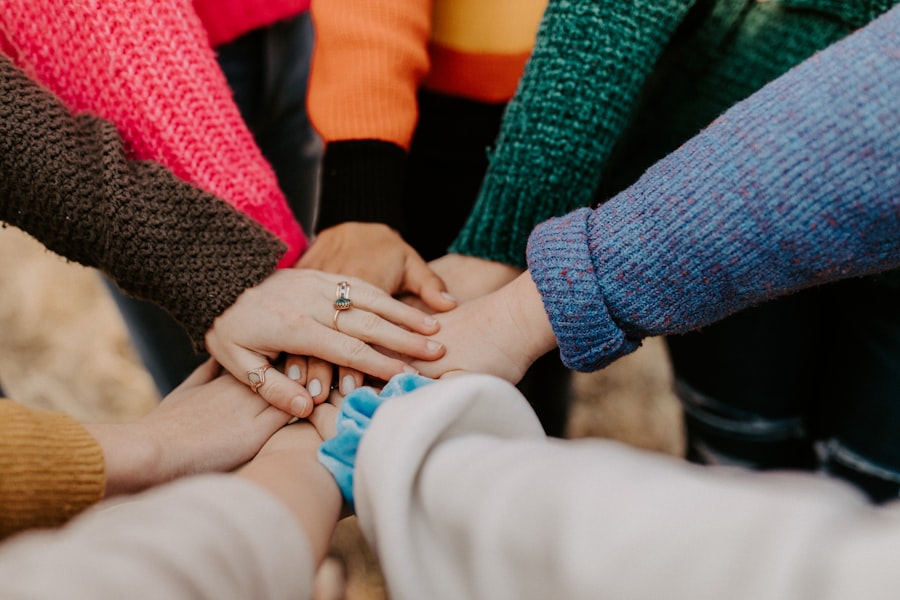
Your self-perception is intricately linked to the relationships you cultivate throughout your life. The way others perceive you can significantly influence how you view yourself. When you receive love and affirmation from those around you, it fosters a positive self-image that encourages you to embrace your strengths and acknowledge your weaknesses.
Conversely, negative experiences in relationships can lead to self-doubt and insecurity. Thus, the dynamics of love and friendship play a crucial role in shaping your self-perception. As you navigate various relationships, you may find that they challenge or reinforce your beliefs about yourself.
For instance, a supportive friend who encourages you to pursue your dreams can help you see your potential in ways you may not have recognized before. On the other hand, toxic relationships can distort your self-image, leading to feelings of inadequacy or unworthiness. By surrounding yourself with individuals who uplift and inspire you, you create an environment conducive to positive self-perception and personal development.
Nurturing Healthy Relationships for a Stronger Identity
To foster a strong identity, it is essential to nurture healthy relationships that promote mutual respect and understanding. This involves actively engaging with those around you and being open to communication. Healthy relationships are built on trust, empathy, and shared values, allowing both parties to feel valued and understood.
By investing time and effort into these connections, you create a solid foundation for personal growth and self-discovery. Additionally, nurturing healthy relationships requires setting boundaries that protect your individuality while allowing for connection. It’s important to recognize that while relationships can enhance your identity, they should not define it entirely.
By maintaining a sense of self within your connections, you can cultivate a balanced identity that reflects both your personal values and the influence of those around you. This balance is crucial for developing resilience and adaptability in the face of life’s challenges.
The Role of Love and Friendship in Overcoming Adversity
| Aspect | Description | Common Metrics | Impact on Personal Growth |
|---|---|---|---|
| Love | Emotional connection and affection between individuals | Trust level, Communication frequency, Emotional support | Enhances empathy, promotes emotional well-being, fosters intimacy |
| Friendship | Mutual bond based on shared interests and support | Shared activities, Loyalty, Conflict resolution effectiveness | Builds social skills, provides companionship, encourages personal values |
| Identity | Sense of self and personal uniqueness | Self-awareness, Consistency in values, Role clarity | Strengthens confidence, guides decision-making, supports authenticity |
| Armor | Psychological defenses protecting from emotional harm | Emotional resilience, Defense mechanisms, Vulnerability levels | Protects from trauma, may hinder intimacy, encourages self-reflection |
Adversity is an inevitable part of life, but the love and support from friends and family can make navigating difficult times more manageable. When faced with challenges, having a strong support system can provide comfort and encouragement that helps you persevere. Friends who stand by you during tough times not only offer practical assistance but also emotional reassurance that reminds you that you are not alone in your struggles.
Moreover, the bonds formed through shared adversity can deepen relationships in profound ways. When you face challenges together, it fosters a sense of camaraderie that strengthens your connection. These experiences can lead to personal growth as you learn resilience and adaptability from one another.
In this way, love and friendship become vital tools for overcoming adversity, allowing you to emerge stronger and more self-aware.
Building Trust and Intimacy in Relationships

Trust is the cornerstone of any meaningful relationship, serving as the foundation upon which intimacy is built. To cultivate trust, it is essential to communicate openly and honestly with those around you. This involves sharing your thoughts and feelings while also being receptive to the perspectives of others.
When trust is established, it creates a safe space for vulnerability, allowing deeper connections to flourish. Intimacy goes beyond physical closeness; it encompasses emotional connection as well. As you build trust with friends or partners, you create an environment where both parties feel comfortable sharing their innermost thoughts and fears.
This emotional intimacy fosters a sense of belonging that reinforces your identity as part of a larger community.
The Impact of Love and Friendship on Mental Health
The influence of love and friendship on mental health is profound and far-reaching. Positive relationships can serve as protective factors against mental health issues such as anxiety and depression. When you have supportive friends or family members who listen without judgment, it can alleviate feelings of isolation and loneliness.
This emotional support is crucial for maintaining mental well-being, as it provides an outlet for expressing feelings and seeking guidance during challenging times. Conversely, toxic relationships can have detrimental effects on mental health. Negative interactions can lead to increased stress levels and feelings of inadequacy or worthlessness.
By prioritizing healthy relationships, you create an environment conducive to mental wellness that allows for personal growth and resilience.
Cultivating Empathy and Compassion in Relationships
Empathy and compassion are vital components of healthy relationships that contribute significantly to personal identity development. When you practice empathy, you learn to understand the feelings and perspectives of others, fostering deeper connections based on mutual respect and understanding. This ability to connect emotionally with others not only strengthens your relationships but also enhances your own self-awareness.
Compassion goes hand in hand with empathy; it involves taking action to support others in their times of need. By cultivating compassion within your relationships, you create an environment where individuals feel valued and understood. This nurturing atmosphere encourages personal growth as both parties learn from one another’s experiences.
Ultimately, empathy and compassion enrich your identity by fostering connections that are rooted in kindness and understanding.
The Influence of Love and Friendship on Personal Growth
Love and friendship are powerful catalysts for personal growth, pushing you to explore new ideas and challenge existing beliefs. When surrounded by supportive individuals who encourage exploration and self-discovery, you are more likely to step outside your comfort zone and embrace new experiences. These relationships provide a safe space for experimentation, allowing you to learn from both successes and failures.
Additionally, friendships often expose you to diverse perspectives that broaden your understanding of the world around you. Engaging with individuals from different backgrounds or cultures can challenge preconceived notions and inspire personal transformation. As you navigate these relationships, you may find yourself evolving into a more open-minded individual who values diversity and inclusivity—an essential aspect of a well-rounded identity.
Creating Boundaries and Respecting Individual Identities in Relationships
While love and friendship are integral to personal identity development, it is crucial to establish boundaries that respect individual identities within these connections. Healthy boundaries allow both parties to maintain their sense of self while fostering closeness. It’s important to communicate openly about needs and expectations within relationships to ensure that both individuals feel valued.
Respecting individual identities means recognizing that each person brings unique experiences and perspectives to the relationship. By honoring these differences, you create an environment where both parties can thrive independently while still enjoying the benefits of connection. This balance is essential for cultivating healthy relationships that contribute positively to personal growth.
The Long-Term Effects of Strong Relationships on Identity
The long-term effects of strong relationships on identity are profound and lasting. As you navigate life’s journey alongside supportive friends and loved ones, these connections shape not only who you are but also who you aspire to become. The lessons learned through shared experiences—both joyful and challenging—contribute significantly to your personal narrative.
Over time, the bonds formed through love and friendship become woven into the fabric of your identity. They influence your values, aspirations, and even how you perceive yourself in relation to others. As these relationships evolve, they continue to play a vital role in shaping your identity throughout different life stages.
Ultimately, strong relationships serve as both anchors and catalysts for personal growth, guiding you toward a more authentic existence enriched by connection with others.
In exploring the intricate connections between love, friendship, and identity, one can find valuable insights in the article on the Unplugged Psych website. This piece delves into how our relationships serve as a protective armor, shaping our sense of self and emotional well-being. For a deeper understanding of these themes, you can read more in the article [here](https://www.unpluggedpsych.com/sample-page/).
WATCH THIS! 🔑 THE CAGE YOU BUILT: Why Smart People Can’t Escape Toxic Choices (Cognitive Dissonance)
FAQs
What is the relationship between love and friendship?
Love and friendship are closely connected emotional bonds. While love often involves romantic feelings, friendship is based on mutual trust, support, and affection without necessarily including romantic attraction. Both can provide emotional security and contribute to personal well-being.
How does identity influence love and friendship?
Identity, including aspects such as personality, values, and cultural background, shapes how individuals form and maintain relationships. A strong sense of self can help people establish healthy boundaries and authentic connections in both love and friendship.
What does the term “armor” mean in the context of relationships?
In relationships, “armor” refers to emotional defenses or protective behaviors people use to guard themselves against vulnerability, rejection, or hurt. While armor can provide temporary safety, it may also hinder genuine intimacy and connection.
Can love and friendship coexist in the same relationship?
Yes, love and friendship can coexist and often do in close relationships. Many successful romantic partnerships are built on a foundation of deep friendship, trust, and mutual respect.
Why is vulnerability important in love and friendship?
Vulnerability allows individuals to share their true feelings and experiences, fostering deeper understanding and emotional intimacy. It helps break down emotional armor, enabling stronger and more authentic connections.
How can one balance personal identity with relationship dynamics?
Balancing personal identity with relationships involves maintaining self-awareness, communicating openly, and respecting both one’s own needs and those of others. Healthy relationships support individual growth while nurturing the bond between people.
What role does emotional armor play in protecting or hindering relationships?
Emotional armor can protect individuals from immediate pain or rejection but may also prevent them from fully engaging or trusting others. Overcoming armor is often necessary to build meaningful and lasting relationships.
Are there differences in how love and friendship impact personal identity?
Both love and friendship can influence personal identity by shaping beliefs, behaviors, and self-perception. Romantic love may lead to more profound changes due to its intensity, while friendships often provide steady support that reinforces identity over time.