
Building Resilience: Overcoming Adversity and Thriving
Life presents a series of challenges, much like a river encountering obstacles. These disruptions, whether personal setbacks, professional disappointments, or societal upheavals, can test your resolve and capacity to persevere. The ability to navigate these turbulent waters and emerge not just afloat, but stronger, is what defines resilience. This article explores how you can cultivate this vital trait, transforming adversity from a potential breaking point into a catalyst for growth and ultimately, for thriving.
Adversity is an inevitable component of the human experience. It encompasses a broad spectrum of difficulties, from minor inconvenconveniences to traumatic events. Recognizing the nature of these challenges is the first step in developing effective coping mechanisms. Understanding the common threads that run through different forms of adversity can demystify them and highlight the universal principles of resilience.
The Spectrum of Challenges
Your encounters with adversity will vary in intensity and duration. You might face daily irritations that chip away at your composure, such as traffic jams or minor workplace conflicts. On the other end of the spectrum lie significant life events – the loss of a loved one, a serious illness, a catastrophic financial loss, or natural disasters. Each of these experiences, in its own way, demands a response. Ignoring or succumbing to these pressures can lead to a stagnation of personal growth and emotional well-being.
The Psychological Impact of Setbacks
When faced with adversity, your mind and body react. This is a natural physiological and psychological response. You might experience emotions like fear, anger, sadness, or anxiety. These feelings are signals, indicating that something is amiss and requires your attention. Chronic exposure to stress and adversity without adequate coping strategies can lead to what is often termed “burnout,” a state of emotional, physical, and mental exhaustion. It’s crucial to acknowledge these signals rather than suppress them, as suppression can create a reservoir of unresolved tension. Think of your emotional state as a complex ecosystem; disruptions, if left unchecked, can lead to imbalance and decay.
The Difference Between Resilience and Invulnerability
It is important to distinguish resilience from invulnerability. Resilience does not mean you are immune to pain or that you will never be affected by difficulties. Instead, it is the capacity to bend without breaking under pressure, to absorb the shock of life’s blows and recover. An invulnerable object, when struck with sufficient force, will shatter. A resilient object, however, might absorb the impact, deform slightly, and then return to its original shape, albeit perhaps with a few new lines etched into its surface that speak of its experience. This hardening, this learning, is a key aspect of resilience.
Resilience building is a crucial aspect of mental health and personal development, and a related article that delves into this topic can be found on the Unplugged Psych website. This resource offers valuable insights and strategies for enhancing one’s resilience in the face of life’s challenges. For more information, you can read the article here: Unplugged Psych.
Cultivating a Resilient Mindset
Your internal landscape, your thoughts and beliefs, play a pivotal role in how you perceive and respond to adversity. Cultivating a resilient mindset is akin to tending a garden; it requires consistent effort, the right conditions, and a willingness to nurture growth even in less-than-ideal circumstances.
The Power of Cognitive Reframing
Cognitive reframing involves actively changing the way you think about a challenging situation. Instead of viewing an event as an insurmountable obstacle, you can look for alternative perspectives. For instance, a job loss, while undeniably difficult, can be reframed as an opportunity for a career change, skill development, or the pursuit of a passion project. This isn’t about denying the negative aspects of the situation, but rather about broadening your lens to encompass potential positive outcomes. It’s about shifting your narrative from one of victimhood to one of agency.
Embracing a Growth Mindset
Carol Dweck’s concept of a “growth mindset” is central to resilience. Those with a growth mindset believe that their abilities and intelligence can be developed through dedication and hard work. Adversity, in this view, becomes not a mark of failure, but a valuable learning experience. You are not defined by your current limitations, but by your potential for growth. When you encounter a setback, you ask, “What can I learn from this?” rather than “Why is this happening to me?” This mindset fosters a proactive approach to challenges, viewing them as stepping stones rather than insurmountable walls.
Practicing Optimism and Hope
Optimism is not about blind faith that everything will turn out well, but rather about a realistic belief in your ability to influence outcomes and a conviction that positive change is possible. Hope, similarly, is not passive wishful thinking, but an active process that involves identifying goals and believing in your capacity to achieve them, even when faced with obstacles. Cultivating optimism can be practiced through gratitude exercises, focusing on past successes, and surrounding yourself with positive influences. Think of optimism as the compass that guides you through the fog of uncertainty, pointing you towards the possibility of clearer skies.
The Role of Self-Compassion
In times of hardship, it is easy to turn inward and become your own harshest critic. Self-compassion involves treating yourself with the same kindness, understanding, and support that you would offer a dear friend facing a similar struggle. It acknowledges that suffering and imperfection are part of the human experience and that you deserve compassion. This is not about self-pity, but about recognizing your humanity and offering yourself the grace to navigate difficult times. It means understanding that mistakes happen, that failures are part of learning, and that you are worthy of care, especially when you are struggling.
Developing Practical Coping Strategies
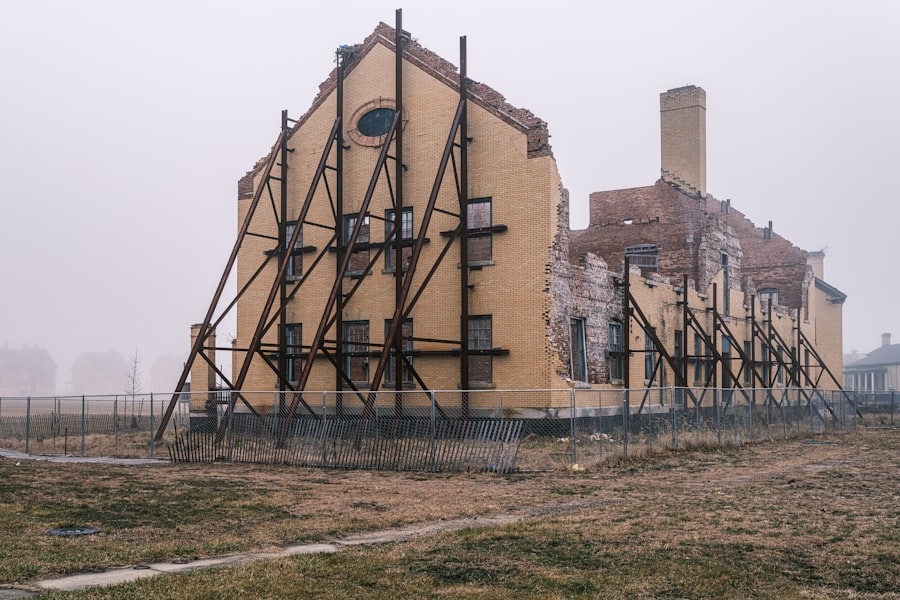
While a resilient mindset is crucial, practical strategies provide the tools you need to navigate the day-to-day realities of adversity. These are the mechanisms you employ to manage stress, regulate emotions, and maintain functionality.
Building Strong Social Support Networks
Human beings are fundamentally social creatures. Your connections with others are a vital resource during challenging times. Nurturing strong relationships with family, friends, and community members provides a safety net of emotional support, practical assistance, and a sense of belonging. When you are going through a difficult period, reaching out to your network can offer comfort, perspective, and practical solutions that you might not be able to conjure on your own. This is like having allies on the battlefield of life; they can offer support, encouragement, and sometimes, direct aid.
Engaging in Healthy Lifestyle Habits
Your physical well-being is inextricably linked to your mental and emotional resilience. Prioritizing regular exercise, a balanced diet, sufficient sleep, and avoiding excessive use of substances that can numb or impair your judgment are fundamental building blocks of resilience. These habits provide your body and mind with the resources they need to cope with stress and recover from setbacks. Think of these as strengthening the foundations of your house; a stronger foundation can withstand greater external forces.
Practicing Mindfulness and Stress Reduction Techniques
Mindfulness involves paying attention to the present moment without judgment. Techniques such as meditation, deep breathing exercises, and mindful walking can help you to regulate your emotions, reduce rumination, and increase your awareness of your internal states. These practices equip you with the ability to observe your thoughts and feelings without being overwhelmed by them, allowing for more measured and effective responses to stressors. This is like learning to observe the waves of the ocean without being pulled under by them.
Developing Problem-Solving Skills
Adversity often presents problems that need to be solved. Developing strong problem-solving skills involves breaking down complex issues into smaller, manageable parts, brainstorming potential solutions, evaluating their feasibility, and taking action. This is a proactive approach that empowers you to feel more in control of your circumstances, rather than feeling like a passive recipient of misfortune. It’s about becoming the architect of solutions rather than the bystander to problems.
The Process of Post-Traumatic Growth

Adversity, while undeniably painful, also holds the potential for what is known as post-traumatic growth. This refers to the positive psychological changes that can occur as a result of struggling with highly challenging life circumstances. It’s not simply bouncing back, but emerging transformed.
Reframing and Reappraising Life Events
Following a traumatic event or significant adversity, you may find yourself re-evaluating your core beliefs about life, yourself, and others. This reappraisal can lead to a greater appreciation for life, a deepening of your relationships, and a renewed sense of purpose. You might discover that what you once considered essential is now less important, and vice versa. This is like a blacksmith forging metal; the intense heat and hammering, while painful, ultimately shape the metal into something stronger and more versatile.
Increased Appreciation for Life and Relationships
Many individuals who have faced significant adversity report a heightened appreciation for the simple things in life and a deeper understanding of the value of their relationships. The fragility of life can become starkly apparent, leading to a more conscious effort to cherish moments and connections. This can lead to a more fulfilling and meaningful existence, as you are more attuned to what truly matters.
Enhanced Personal Strength and Self-Perception
Overcoming adversity can lead to a profound sense of personal strength and self-efficacy. You learn that you are capable of handling more than you initially believed, which can fundamentally alter your self-perception. This newfound confidence can spill over into other areas of your life, enabling you to take on new challenges and risks with greater assurance. You realize you have an inner reservoir of strength you may not have known existed.
New Possibilities and a Changed Life Philosophy
The experience of navigating difficult times can open up new pathways and perspectives. You may discover unforeseen talents, develop new passions, or adopt a life philosophy that is more aligned with your deepest values. This transformation is not necessarily about returning to how things were, but about evolving into a person who is better equipped to face future challenges and to live a more authentic life. It’s about forging a new path based on the lessons learned.
Resilience building is an essential aspect of personal development, and understanding its principles can significantly enhance one’s ability to cope with life’s challenges. For those interested in exploring this topic further, a related article offers valuable insights into practical strategies for fostering resilience in everyday life. You can read more about these strategies in the article available here, which provides a comprehensive overview of techniques that can help individuals strengthen their mental fortitude and adaptability.
Thriving: Beyond Survival to Flourishing
| Metric | Description | Measurement Method | Typical Range/Value | Importance |
|---|---|---|---|---|
| Stress Tolerance | Ability to withstand stress without negative effects | Psychological stress tests, self-report scales | Moderate to High | High |
| Emotional Regulation | Capacity to manage and respond to emotional experiences | Emotional regulation questionnaires, behavioral observation | Good to Excellent | High |
| Social Support | Availability of supportive relationships | Social network analysis, surveys | Strong network | High |
| Problem-Solving Skills | Ability to find solutions during adversity | Problem-solving tasks, self-assessment | Effective | Medium to High |
| Adaptability | Capacity to adjust to new conditions | Behavioral assessments, self-report scales | High | High |
| Optimism | Positive outlook towards future outcomes | Optimism scales (e.g., Life Orientation Test) | Moderate to High | Medium |
| Physical Health | Overall physical well-being supporting resilience | Health screenings, fitness tests | Good to Excellent | Medium |
| Recovery Time | Time taken to return to baseline after stress | Physiological measures, self-report | Shorter is better | High |
Resilience is not merely about surviving hardship; it is about using those experiences as a foundation upon which to build a flourishing life. Thriving involves actively pursuing well-being, meaning, and fulfillment.
Setting Meaningful Goals and Pursuing Them
Thriving often involves having a clear sense of direction and purpose. Setting meaningful goals, whether in your career, personal development, or community involvement, provides you with something to strive for and a sense of accomplishment. The process of working towards these goals, even when faced with setbacks, contributes to a sense of mastery and progress. This is the engine that drives you forward, providing momentum and a reason to keep moving.
Cultivating a Sense of Purpose and Meaning
A sense of purpose is often described as the “why” behind your actions. It’s about understanding how your life contributes to something larger than yourself. This can be found in your work, your relationships, your spiritual beliefs, or your commitment to a cause. When you have a strong sense of purpose, adversity can often be seen as a hurdle to overcome in pursuit of that greater meaning, rather than a reason to despair. It’s the anchor that keeps you grounded amidst the storms.
Embracing Continuous Learning and Adaptability
The world is constantly changing, and those who thrive are those who can adapt and continue to learn. This involves being open to new information, developing new skills, and being willing to let go of outdated beliefs or practices. Adaptability allows you to navigate uncertainty with greater ease and to seize new opportunities as they arise. It’s like a well-designed ship, able to adjust its sails to catch different winds.
Contributing to the Well-being of Others
There is a strong link between contributing to the well-being of others and one’s own sense of fulfillment. Engaging in acts of service, mentoring others, or advocating for causes you believe in can not only enhance the lives of others but also foster a profound sense of purpose and connection for yourself. This outward focus can be a powerful antidote to self-absorption during difficult times and a pathway to sustained well-being. It’s the ripple effect of kindness, extending outward and often returning to you in unexpected ways.
Building resilience is a lifelong journey, not a destination. By understanding the nature of adversity, cultivating a resilient mindset, developing practical coping strategies, embracing post-traumatic growth, and actively seeking to thrive, you equip yourself to not only withstand life’s storms but to emerge from them with greater strength, wisdom, and a richer, more fulfilling existence.
FAQs
What is resilience building?
Resilience building refers to the process of developing the ability to adapt and recover from adversity, stress, or challenging situations. It involves strengthening mental, emotional, and physical capacities to cope effectively with difficulties.
Why is resilience important?
Resilience is important because it helps individuals and communities manage stress, overcome obstacles, and maintain well-being during tough times. It contributes to better mental health, improved problem-solving skills, and greater overall life satisfaction.
What are common strategies for building resilience?
Common strategies include developing strong social connections, practicing mindfulness and stress management techniques, maintaining a positive outlook, setting realistic goals, and fostering problem-solving skills.
Can resilience be learned or improved over time?
Yes, resilience is not a fixed trait; it can be developed and strengthened through intentional practice, learning from experiences, and adopting healthy coping mechanisms.
How does resilience building benefit organizations and communities?
Resilience building in organizations and communities enhances their ability to withstand crises, adapt to change, and recover quickly. It promotes collaboration, resourcefulness, and sustained productivity in the face of challenges.