
Breathwork is more than just a series of breathing exercises; it is a profound practice rooted in the science of physiology and psychology. At its core, breathwork involves conscious control of your breath, which can significantly influence your nervous system. When you engage in breathwork, you activate specific pathways in your brain that can lead to a state of relaxation and calmness.
This is particularly important in today’s fast-paced world, where stress and anxiety are prevalent. By understanding the science behind breathwork, you can appreciate how it serves as a tool for resetting your nervous system. The physiological effects of breathwork are fascinating.
When you consciously alter your breathing patterns, you can influence your heart rate, blood pressure, and even hormone levels. For instance, slow, deep breathing can stimulate the vagus nerve, which plays a crucial role in the parasympathetic nervous system—the part of your nervous system responsible for rest and digestion. This stimulation can lead to a decrease in cortisol levels, the hormone associated with stress.
As you practice breathwork, you may find that your body begins to respond positively, allowing you to experience a greater sense of well-being and balance.
Key Takeaways
- Breathwork influences the autonomic nervous system, balancing sympathetic and parasympathetic activity to reduce stress.
- Regulating breath can improve heart rate variability, a key indicator of nervous system health.
- Regular breathwork practice offers benefits like anxiety and depression symptom relief and trauma recovery support.
- Incorporating breathwork into daily routines promotes long-term nervous system regulation and resilience.
- Scientific research supports breathwork’s effectiveness, highlighting the importance of guidance from qualified practitioners.
Understanding the Autonomic Nervous System and Its Role in Stress Response
To fully grasp the impact of breathwork on your body, it’s essential to understand the autonomic nervous system (ANS). The ANS is divided into two main branches: the sympathetic nervous system (SNS) and the parasympathetic nervous system (PNS). The SNS is often referred to as the “fight or flight” system, activating your body’s stress response during perceived threats.
In contrast, the PNS is known as the “rest and digest” system, promoting relaxation and recovery. Your ability to navigate between these two states is crucial for maintaining overall health. When you encounter stressors—whether they are physical, emotional, or environmental—your SNS kicks into gear, preparing your body for action.
This response can be beneficial in short bursts but becomes detrimental when activated chronically. Prolonged activation of the SNS can lead to various health issues, including anxiety, depression, and cardiovascular problems. Understanding this balance between the SNS and PNS is vital for recognizing how breathwork can help you regain control over your stress response and promote a healthier state of being.
How Breathwork Can Help Regulate the Sympathetic and Parasympathetic Nervous Systems
Breathwork serves as a bridge between the sympathetic and parasympathetic nervous systems, allowing you to consciously shift from a state of stress to one of relaxation. By practicing specific breathing techniques, you can effectively downregulate the SNS while simultaneously activating the PNS. This regulation is essential for restoring balance within your body and mind.
For instance, when you take slow, deep breaths, you signal to your body that it is safe to relax, which can counteract the effects of stress. One effective technique is diaphragmatic breathing, where you focus on expanding your diaphragm rather than your chest. This type of breathing encourages deeper inhalation and exhalation, promoting oxygen exchange and stimulating the vagus nerve.
As you practice this technique regularly, you may notice a reduction in anxiety levels and an increased ability to cope with stressors. By incorporating breathwork into your routine, you empower yourself to manage your emotional responses more effectively.
The Connection Between Breathwork and Heart Rate Variability
Heart rate variability (HRV) is a critical indicator of your autonomic nervous system’s health and resilience. It refers to the variation in time intervals between heartbeats and is influenced by both the SNS and PNS. A higher HRV typically indicates a well-functioning autonomic nervous system capable of adapting to stressors effectively.
Conversely, a lower HRV may suggest an imbalance or chronic stress response. Breathwork has been shown to positively influence HRV by promoting parasympathetic activity. When you engage in breathwork practices that emphasize slow and controlled breathing, you create a rhythm that enhances HRV.
This rhythmic breathing helps synchronize your heart rate with your breath, leading to improved cardiovascular function and emotional regulation.
Techniques for Practicing Breathwork to Reset the Nervous System
| Metric | Description | Typical Range/Value | Impact on Nervous System |
|---|---|---|---|
| Breath Rate | Number of breaths per minute during breathwork | 4-6 breaths per minute (slow, deep breathing) | Activates parasympathetic nervous system, promoting relaxation |
| Heart Rate Variability (HRV) | Variation in time between heartbeats, indicator of autonomic nervous system balance | Increases by 10-20% after breathwork session | Higher HRV indicates improved vagal tone and stress resilience |
| Blood Oxygen Saturation (SpO2) | Percentage of oxygen-saturated hemoglobin in the blood | Typically 95-99% during breathwork | Maintains optimal oxygen delivery, supports nervous system function |
| CO2 Tolerance | Ability to tolerate higher levels of carbon dioxide during breath-holding | Improves with practice, breath-hold times increase by 20-50% | Enhances autonomic regulation and reduces anxiety response |
| Subjective Stress Reduction | Self-reported decrease in stress levels post breathwork | Reduction of 30-50% on stress scales (e.g., Perceived Stress Scale) | Indicates effective nervous system reset and relaxation |
There are various techniques you can explore to practice breathwork effectively. One popular method is box breathing, which involves inhaling for a count of four, holding for four, exhaling for four, and then holding again for four before repeating the cycle. This structured approach helps calm your mind while providing a clear focus on your breath.
You may find that practicing box breathing for just a few minutes can significantly reduce feelings of anxiety or overwhelm. Another technique worth exploring is alternate nostril breathing (Nadi Shodhana), which involves inhaling through one nostril while closing the other with your finger, then switching sides. This practice not only balances the left and right hemispheres of your brain but also promotes relaxation and mental clarity.
As you experiment with different techniques, pay attention to how each one affects your mood and overall sense of well-being.
The Benefits of Nervous System Reset Through Breathwork
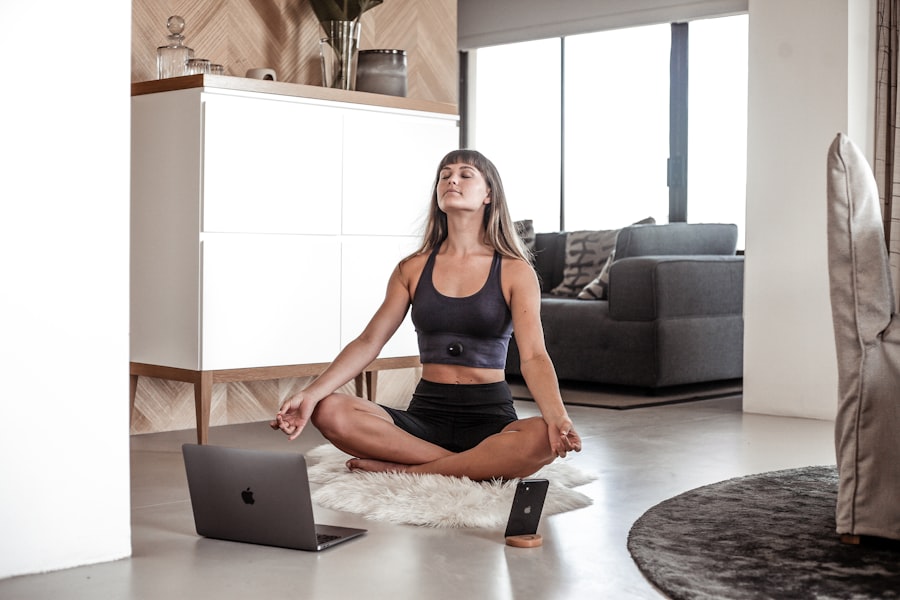
Resetting your nervous system through breathwork offers numerous benefits that extend beyond immediate relaxation. Regular practice can lead to improved emotional regulation, enhanced focus, and increased resilience against stressors. As you cultivate a deeper connection with your breath, you may find that you become more aware of your body’s signals and better equipped to respond to stress in healthier ways.
Moreover, breathwork can enhance your overall quality of life by promoting better sleep patterns and reducing symptoms associated with anxiety and depression. As you learn to manage your stress response more effectively through breathwork, you may notice improvements in relationships, productivity, and overall happiness. The cumulative effects of these benefits can lead to a more balanced and fulfilling life.
How Breathwork Can Help Alleviate Symptoms of Anxiety and Depression
Anxiety and depression are often linked to dysregulation within the autonomic nervous system. Breathwork provides a powerful tool for addressing these symptoms by fostering a sense of calm and safety within your body. When you engage in breath-focused practices, you activate the PNS, which counteracts the hyperarousal associated with anxiety and promotes feelings of tranquility.
Research has shown that individuals who incorporate breathwork into their mental health routines often report reduced symptoms of anxiety and depression over time. By creating a regular practice around breathwork, you empower yourself to take an active role in managing your mental health.
Incorporating Breathwork into Daily Routine for Long-Term Nervous System Health
To reap the long-term benefits of breathwork for nervous system health, it’s essential to incorporate it into your daily routine. Start by setting aside just a few minutes each day for focused breathing exercises. You might choose to practice first thing in the morning to set a positive tone for the day or before bed to promote relaxation and restful sleep.
As you become more comfortable with breathwork techniques, consider integrating them into other aspects of your life. For example, if you find yourself feeling stressed during work or daily activities, take a moment to pause and engage in deep breathing exercises. By making breathwork a consistent part of your life, you create a foundation for ongoing nervous system regulation and emotional well-being.
The Role of Breathwork in Trauma Healing and Nervous System Regulation
Breathwork plays a significant role in trauma healing by helping individuals reconnect with their bodies and emotions in a safe manner. Trauma often leads to dysregulation within the nervous system, resulting in heightened states of arousal or dissociation. Through breath-focused practices, individuals can gradually learn to navigate their emotional landscapes without becoming overwhelmed.
As you engage in breathwork as part of trauma healing, it’s essential to approach it with patience and self-compassion. You may find that certain breathing techniques resonate more deeply with you than others; trust your intuition as you explore different methods. Over time, breathwork can serve as a powerful ally in processing trauma and fostering resilience.
Research and Studies Supporting the Efficacy of Breathwork for Nervous System Reset
Numerous studies have explored the efficacy of breathwork in promoting nervous system reset and overall well-being. Research has shown that individuals who practice breath-focused techniques experience reductions in stress hormones like cortisol while also reporting improvements in mood and emotional regulation. These findings underscore the importance of incorporating breathwork into mental health practices.
Additionally, studies have demonstrated that breathwork can enhance HRV—a key indicator of autonomic nervous system health—by promoting parasympathetic activity. As more research emerges on this topic, it becomes increasingly clear that breathwork is not just an ancient practice but also a scientifically validated tool for improving mental health outcomes.
Finding a Qualified Breathwork Practitioner for Nervous System Reset
If you’re interested in exploring breathwork further but feel uncertain about where to start or how to practice effectively on your own, consider seeking guidance from a qualified breathwork practitioner. A trained professional can provide personalized instruction tailored to your unique needs and goals while ensuring that you engage in safe practices. When searching for a practitioner, look for someone with credentials in breathwork modalities such as Transformational Breath or Holotropic Breathwork.
It’s also beneficial to read reviews or testimonials from previous clients to gauge their experiences. Working with an experienced practitioner can deepen your understanding of breathwork while supporting your journey toward nervous system reset and overall well-being. In conclusion, embracing breathwork as a tool for resetting your nervous system offers profound benefits for both mental and physical health.
By understanding its scientific foundations and incorporating it into your daily routine, you empower yourself to navigate life’s challenges with greater ease and resilience.
Breathwork has gained significant attention for its ability to reset the nervous system and promote overall well-being. For those interested in exploring this topic further, a related article can be found on Unplugged Psych, which delves into various techniques and benefits of breathwork. You can read more about it in their article [here](https://www.unpluggedpsych.com/).
FAQs
What is breathwork nervous system reset?
Breathwork nervous system reset is a practice that uses controlled breathing techniques to help regulate and balance the autonomic nervous system. It aims to reduce stress, promote relaxation, and improve overall mental and physical well-being.
How does breathwork affect the nervous system?
Breathwork influences the nervous system by activating the parasympathetic branch, which is responsible for the “rest and digest” response. This can lower heart rate, reduce cortisol levels, and help calm the mind, counteracting the effects of stress and anxiety.
What are common breathwork techniques used for nervous system reset?
Common techniques include diaphragmatic breathing, box breathing, alternate nostril breathing, and coherent breathing. These methods focus on slow, deep, and rhythmic breaths to promote nervous system balance.
Can breathwork help with anxiety and stress?
Yes, breathwork has been shown to reduce symptoms of anxiety and stress by calming the nervous system and improving emotional regulation. It can be a useful complementary tool alongside other treatments.
How long does it take to feel the effects of a breathwork nervous system reset?
Many people experience immediate relaxation and a sense of calm after a single session, which can last from minutes to hours. Long-term benefits typically require regular practice over weeks or months.
Is breathwork safe for everyone?
Breathwork is generally safe for most people when done correctly. However, individuals with certain medical conditions such as severe respiratory issues, cardiovascular problems, or psychiatric disorders should consult a healthcare professional before starting breathwork practices.
Can breathwork be combined with other therapies?
Yes, breathwork can complement other therapies such as meditation, yoga, psychotherapy, and physical exercise to enhance overall nervous system health and emotional well-being.
How often should I practice breathwork for nervous system reset?
Frequency varies depending on individual needs, but many practitioners recommend daily or several times per week sessions lasting 5 to 20 minutes to maintain nervous system balance and resilience.
Do I need special equipment or training to practice breathwork?
No special equipment is required. While guided sessions or professional instruction can be helpful, many breathwork techniques can be learned and practiced independently through online resources or apps.
What are the signs that breathwork is helping my nervous system?
Signs include reduced feelings of stress or anxiety, improved sleep quality, increased focus and mental clarity, lower heart rate, and a general sense of calm and well-being.