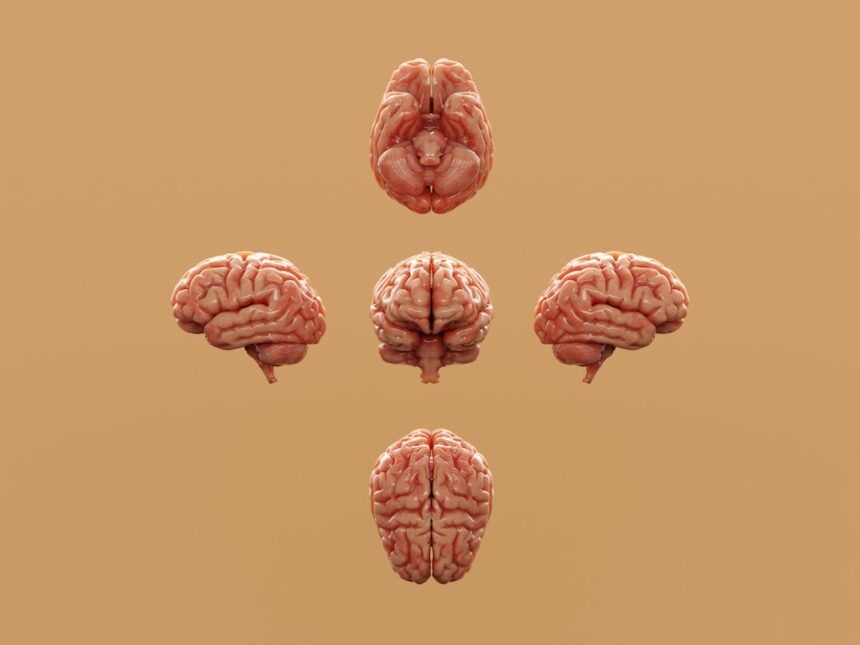
Your brain is not a static sculpture carved from ivory; it is a dynamic, ever-shifting landscape, a bioluminescent forest constantly re-wiring itself. This remarkable capacity for change, known as neuroplasticity, is the bedrock of learning, memory, and your ability to adapt to the world around you. And one of the most potent catalysts for this neural rewiring? Novelty. Introducing new experiences, challenging your established patterns, and stepping outside your comfort zone are not just enjoyable diversions; they are essential nutrients for a healthy, adaptable brain.
Neuroplasticity refers to the brain’s ability to reorganize itself by forming new neural connections throughout life. This process allows the brain to adapt to new information, sensorimotor experiences, and even damage or dysfunction. It’s the biological mechanism that enables you to learn a new language, master a musical instrument, or recover from a stroke. Think of it as your brain building and strengthening pathways, like a city expanding its road network to accommodate growing traffic. Without these new routes, your cognitive traffic jams.
The Neuronal Symphony: Synaptic Connections
At the heart of neuroplasticity are synapses, the communication junctions between neurons. When you learn something new, or encounter a novel experience, existing synaptic connections can be strengthened (long-term potentiation) or weakened (long-term depression). Entirely new synapses can also form, creating entirely new pathways for information to travel. Imagine neurons as musicians in an orchestra. Neuroplasticity is the conductor that rearranges the musicians, changes their instruments, and composes new parts, leading to an entirely new symphony of thought and behavior.
Critical Periods and Lifelong Learning
While certain periods in development are considered “critical” for the acquisition of specific skills (like language acquisition in early childhood), the concept of lifelong neuroplasticity underscores that your brain maintains this capacity throughout your entire life. It’s never too late to learn, to adapt, or to stimulate your neural circuitry. The pathways might require a little more effort to forge in later years, but the potential for growth remains.
The Brain as a “Use It or Lose It” System
Neuroplasticity operates on a principle akin to “use it or lose it.” Neural pathways that are frequently activated become stronger and more efficient, while those that are rarely used tend to weaken and can eventually be pruned away. This is why engaging in consistent, varied stimulation is crucial for maintaining cognitive function and adaptability. It’s like tending a garden; regular watering and pruning ensure healthy growth, while neglect leads to overgrowth and decay.
To explore the fascinating relationship between novelty and neuroplasticity, you can refer to an insightful article on the Unplugged Psychology website. This resource delves into various strategies for incorporating new experiences into your daily routine, which can significantly enhance brain adaptability and learning. By understanding how novelty stimulates neural connections, you can effectively harness this knowledge to promote cognitive growth. For more information, visit Unplugged Psychology.
Why Novelty is the Brain’s Preferred Workout
Novelty acts as a powerful stimulus for neuroplasticity because it forces your brain to engage in active processing and to forge new connections to make sense of the unfamiliar. Familiar stimuli are often processed on autopilot, requiring minimal cognitive effort. Novelty, on the other hand, demands your attention, prompts deeper engagement, and triggers the release of neurochemicals that facilitate learning and memory formation.
The Dopamine Connection: A Reward for Exploration
When you encounter something new and engaging, your brain often releases dopamine, a neurotransmitter associated with pleasure, motivation, and reward. This dopamine surge acts as a signal, telling your brain, “Pay attention to this! This is important and potentially beneficial.” This reward system encourages you to seek out more novel experiences, creating a virtuous cycle of learning and exploration. Consider dopamine as a tiny, enthusiastic cheerleader in your brain, enthusiastically applauding your efforts to try something new.
Enhanced Attention and Focus: A Spotlight on the Unknown
Novelty invariably captures your attention. Your brain is wired to notice deviations from the norm because doing so is essential for survival. This enhanced attention allows for more thorough processing of new information, leading to more robust memory encoding. When confronted with something unexpected, your brain’s “spotlight” of attention intensifies, allowing you to absorb details you might otherwise miss.
Bridging Existing Knowledge with New Information
Novel experiences don’t occur in a vacuum. Your brain constantly strives to integrate new information with existing knowledge structures. When you encounter something novel, your brain actively searches for connections to what you already know, creating intricate webs of understanding. This process of association is fundamental to learning and memory consolidation. It’s like adding a new book to your library; you don’t just place it randomly, you categorize it, perhaps cross-reference it with other books on similar topics.
Practical Strategies for Injecting Novelty into Your Life
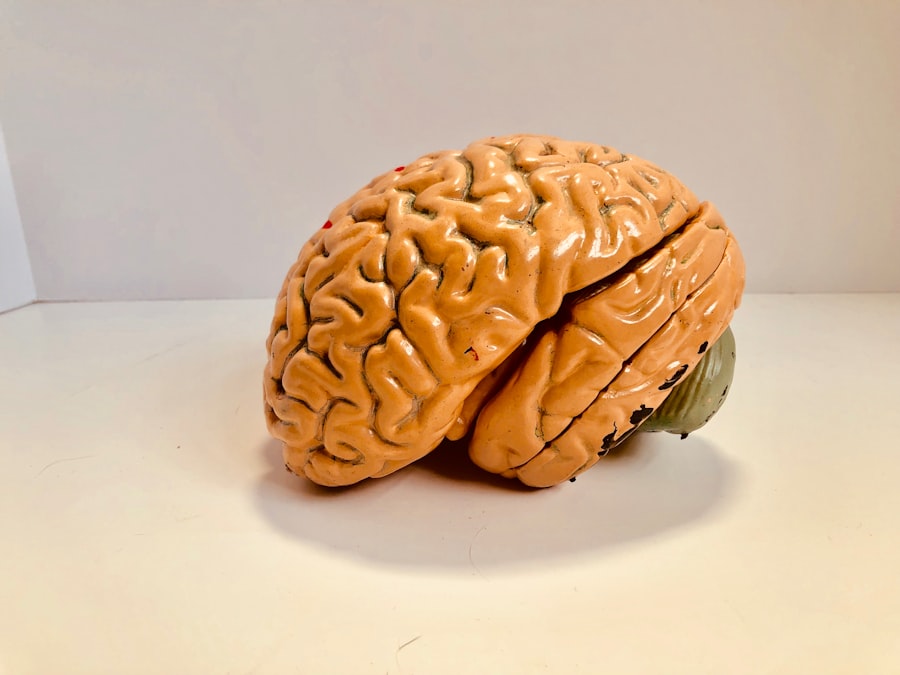
Integrating novelty into your daily routine doesn’t require drastic upheaval. Small, consistent changes can have a significant impact on your neuroplasticity. The key is to intentionally seek out experiences that challenge your usual patterns.
Embracing New Learning Opportunities
The most direct way to stimulate neuroplasticity is through learning. This can take countless forms, from formal education to self-directed exploration.
Skill Acquisition: Beyond the Familiar
Learning a new skill, whether it’s a musical instrument, a foreign language, coding, or a craft, is a powerful neuroplasticity booster. These activities engage multiple brain regions and require the formation of new neural pathways.
The Musical Metaphor: Practicing Scales and Composing New Melodies
Learning to play a musical instrument is an excellent example. Initially, you might struggle with basic fingerings or understanding notation (scale practice). As you progress, you begin to connect these foundational elements to create melodies and express yourself (composing new melodies). Each new chord, rhythm, or technique strengthens your neural circuitry.
Language Learning: Unlocking New Communication Channels
Acquiring a new language forces your brain to process new sounds, grammatical structures, and vocabulary. This mental gymnastics enhances cognitive flexibility and improves your ability to switch between different tasks. Imagine your brain developing entirely new communication antennae.
Navigating Grammatical Labyrinths and Soundscapes
Learning a language is like navigating a complex maze of grammar and a rich tapestry of new sounds. Each new word learned and each grammatical rule mastered builds new pathways and strengthens your cognitive map.
Digital Dexterity: Exploring the World of Technology
While passive technology use can be detrimental, actively learning to use new software, operating systems, or even engaging with complex online platforms can stimulate your brain.
Understanding Algorithmic Art and Data Streams
Learning to code or to utilize advanced features in software engages your logical reasoning and problem-solving abilities. It’s akin to learning the hidden language of machines and how to manipulate digital landscapes.
Exploring New Environments and Experiences
Stepping outside your usual surroundings and engaging in novel activities can trigger significant neuroplastic changes.
Travel and Exploration: A Cognitive Passport
Visiting new places, experiencing different cultures, and navigating unfamiliar environments forces you to adapt and learn. This exposure to novelty broadens your perspective and enhances your problem-solving skills. Your brain is like a seasoned traveler, collecting new mental souvenirs.
Navigating Foreign Streets and Cultural Nuances
The process of deciphering new street signs, understanding local customs, and engaging with people from different backgrounds is a constant exercise in cognitive adaptation and learning.
Artistic and Creative Pursuits: Beyond the Canvas
Engaging in any form of creative expression, even if you don’t consider yourself an “artist,” can be incredibly beneficial. This includes activities like painting, drawing, sculpting, writing poetry, or even creative cooking.
Composing a Visual Narrative or Sculpting with Words
When you create, you’re not just replicating; you’re synthesizing, problem-solving, and expressing yourself in new ways. This process builds new neural connections and enhances your ability to think outside the box.
Culinary Adventures: A Taste of the Unexpected
Trying new foods, exploring different cuisines, and even learning to cook new dishes can be a surprisingly effective way to stimulate your brain. The act of tasting, smelling, and preparing new ingredients engages multiple sensory pathways.
Decoding Exotic Flavors and Mastering New Culinary Techniques
Each new spice you encounter, each unfamiliar cooking method you attempt, is a small act of novelty that exercises your brain’s sensory processing and learning centers.
Shifting Your Routine and Habits: Small Changes, Big Impact
Even minor alterations to your daily routine can introduce welcome doses of novelty.
The “Commute Alteration” Technique: A Detour for the Brain
If you regularly drive the same route to work, try taking a different road. The unfamiliar sights and sounds will force your brain to pay closer attention and adapt to new spatial information.
Navigating Unfamiliar Intersections and Observing New Landmarks
This small deviation can feel like a mini-adventure, forcing your brain to create new mental maps and adjust to unexpected traffic patterns.
Introducing “Skillful Randomness” into Your Day
Dedicate a small amount of time each day to do something completely random or unexpected. This could be listening to a genre of music you’ve never explored, reading an article on a topic you know nothing about, or learning a single new word in a foreign language.
Randomly Selecting a Knowledge Nugget or a Sonic Surprise
These small, deliberate injections of randomness prevent cognitive stagnation and keep your brain on its toes.
Engaging in Conversational Novelty: Beyond Small Talk
Seek out conversations with people whose perspectives differ from your own. Engage in discussions on topics outside your usual interests.
Deconstructing Different Viewpoints and Building Bridges of Understanding
This challenges your assumptions, forces you to consider alternative viewpoints, and strengthens your ability to articulate your own thoughts.
The Importance of Discomfort: Stepping Out of Your Cognitive Comfort Zone
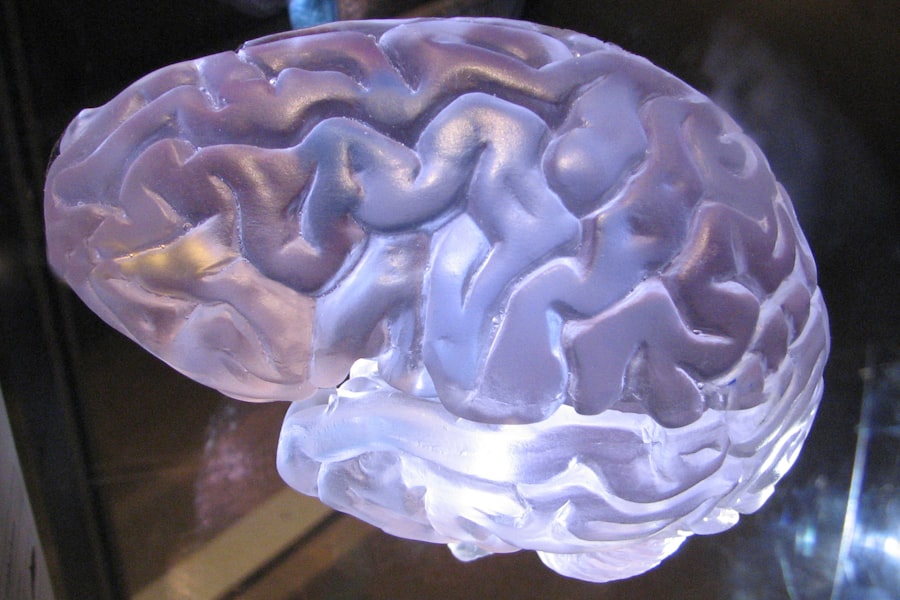
True neuroplasticity often occurs at the edge of your comfort zone. While familiar activities are crucial for maintaining existing pathways, it’s the novel, slightly challenging experiences that drive the creation of new ones.
The “Goldilocks Principle” of Novelty: Not too easy, not too hard
Just as Goldilocks found the porridge to be “just right,” novel experiences should be challenging enough to stimulate your brain but not so overwhelming that they lead to frustration and disengagement.
Identifying the Sweet Spot for Learning
The ideal novel experience is one that requires effort and a degree of problem-solving, but ultimately feels achievable. This encourages persistence and reinforces the learning process.
Overcoming the Fear of the Unknown: A Prerequisite for Growth
A common barrier to embracing novelty is the fear of failure or the discomfort of not knowing. Recognizing and addressing this fear is essential for unlocking your brain’s full potential.
Reframing Mistakes as Learning Opportunities
View mistakes not as setbacks, but as valuable feedback. Every error is an opportunity to adjust your approach and strengthen your understanding.
Engaging in novel experiences can significantly enhance neuroplasticity, the brain’s ability to reorganize itself by forming new neural connections. For those interested in exploring this topic further, a related article discusses various techniques to harness novelty for cognitive growth. By incorporating new activities into your routine, such as learning a new language or trying out a different hobby, you can stimulate your brain’s adaptability. To read more about these strategies, check out this insightful piece on neuroplasticity and novelty.
Maintaining Neuroplasticity: A Long-Term Commitment
| Method | Description | Neuroplasticity Metric | Effectiveness | Frequency Recommendation |
|---|---|---|---|---|
| Learning a New Skill | Engaging in activities like playing a musical instrument or learning a new language | Increased synaptic density in hippocampus and cortex | High | 3-5 times per week |
| Changing Daily Routines | Altering habitual behaviors such as taking a new route or using the non-dominant hand | Enhanced cortical map reorganization | Moderate | Daily |
| Exposure to Novel Environments | Visiting new places or exploring unfamiliar settings | Increased neurogenesis in the dentate gyrus | Moderate to High | Weekly |
| Mindfulness and Meditation with Novel Focus | Practicing meditation focusing on new sensations or thoughts | Improved functional connectivity in prefrontal cortex | Moderate | Daily |
| Physical Exercise with Varied Activities | Incorporating different types of physical activities to challenge the brain | Elevated BDNF levels and synaptic plasticity | High | 3-5 times per week |
Boosting neuroplasticity with novelty is not a one-time event; it’s an ongoing process. By consistently incorporating new experiences into your life, you can cultivate a more adaptable, resilient, and cognitively vibrant brain throughout your lifespan.
The Lifelong Learner’s Mindset: A Perpetual State of Curiosity
Cultivate a mindset of lifelong learning, one that embraces curiosity and sees every day as an opportunity for growth and discovery.
The Perpetual Student within You: Forever Exploring and Expanding
This mindset shifts your perspective from one of passive existence to active engagement with the world, driving a continuous cycle of neuroplastic development.
The Power of Variety: A Diverse Neural Diet
Just as a varied diet is essential for physical health, a diverse range of novel experiences nourishes your brain. Avoid falling into too much of a good thing, even if that “good thing” is also novel. Rotate your learning, vary your explorations, and challenge yourself in different domains.
Diversifying Your Cognitive Stimuli: A Buffet of Brain-Boosting Bites
By offering your brain a wide array of novel stimuli, you ensure that multiple neural networks are engaged and strengthened, leading to a more robust and well-rounded cognitive system.
The Role of Rest and Reflection: Consolidating New Connections
While novelty is the spark, rest and reflection are the tools that consolidate the resulting neural changes. Ensure you allow your brain time to process and integrate new information.
The Quiet Hours: Allowing Your Brain to Re-wire in Peace
Adequate sleep and moments of quiet reflection are crucial for solidifying new neural pathways and transforming fleeting experiences into lasting knowledge and skills. Imagine your brain diligently filing away the day’s discoveries.
In conclusion, your brain is a magnificent engine of adaptation, and novelty is its high-octane fuel. By consciously and consistently injecting new experiences into your life, you are not simply entertaining yourself; you are actively nurturing the very foundation of your cognitive health, your capacity to learn, and your ability to navigate the ever-changing landscape of life with agility and resilience. So, step outside your usual path, try that new recipe, pick up that unfamiliar instrument, and watch your neural forest blossom.
FAQs
What is neuroplasticity and why is it important?
Neuroplasticity refers to the brain’s ability to reorganize itself by forming new neural connections throughout life. It is important because it enables learning, memory, recovery from brain injuries, and adaptation to new experiences.
How does novelty influence neuroplasticity?
Novelty stimulates the brain by presenting new and unfamiliar experiences, which can enhance the formation of new neural pathways. This increased brain activity promotes neuroplasticity by encouraging learning and adaptation.
What are some practical ways to introduce novelty to boost neuroplasticity?
Practical methods include trying new hobbies, learning a new language or musical instrument, exploring unfamiliar environments, engaging in different social activities, and varying daily routines to challenge the brain.
Can using novelty improve cognitive functions in older adults?
Yes, introducing novel experiences can help maintain and improve cognitive functions in older adults by stimulating brain plasticity, which may slow cognitive decline and enhance memory and problem-solving skills.
Are there any risks associated with using novelty to increase neuroplasticity?
Generally, using novelty to enhance neuroplasticity is safe. However, overwhelming the brain with too much new information at once can cause stress or fatigue. It is important to introduce novelty gradually and maintain a balance with rest.