
Spiritual ego inflation is a psychological phenomenon that can occur during spiritual development, characterized by an exaggerated sense of self-importance based on spiritual experiences or knowledge. Individuals experiencing this condition often develop feelings of superiority over others, believing their spiritual understanding or practices are more advanced or enlightened. This inflated self-perception can impede genuine interpersonal connections and foster judgmental attitudes rather than compassionate understanding.
This phenomenon manifests through various behavioral and cognitive patterns. Common expressions include treating spiritual practices as status symbols, using spiritual knowledge to establish social hierarchy within communities, and creating distinctions between oneself and those perceived as less spiritually developed.
Awareness of these tendencies is essential for maintaining authentic spiritual development and preventing the distortion of spiritual principles for ego enhancement.
Key Takeaways
- Spiritual ego inflation involves an inflated sense of self-importance in one’s spiritual journey.
- Recognizing signs like superiority and judgment helps prevent spiritual ego from taking hold.
- Humility and self-awareness are crucial for genuine spiritual growth and avoiding ego traps.
- Authenticity and vulnerability foster deeper spiritual development and connection.
- Seeking mentorship and avoiding comparison protect against spiritual materialism and ego pitfalls.
Signs and Symptoms of Spiritual Ego Inflation
As you navigate your spiritual journey, it’s essential to be aware of the signs and symptoms of spiritual ego inflation. One common indicator is a sense of superiority over others who may not share your beliefs or practices. You might catch yourself dismissing the experiences of others or feeling frustrated with those who seem “stuck” in their spiritual development.
This attitude not only alienates you from others but also hinders your own growth, as it creates an environment where learning and empathy are stifled. Another symptom to watch for is an obsession with knowledge or enlightenment. You may find yourself constantly seeking new teachings, books, or workshops, believing that accumulating more information will elevate your spiritual status.
This relentless pursuit can lead to burnout and disillusionment, as true spiritual growth often comes from within rather than from external sources. By recognizing these signs, you can take proactive steps to recalibrate your approach to spirituality and foster a more balanced perspective.
The Dangers of Spiritual Ego Inflation
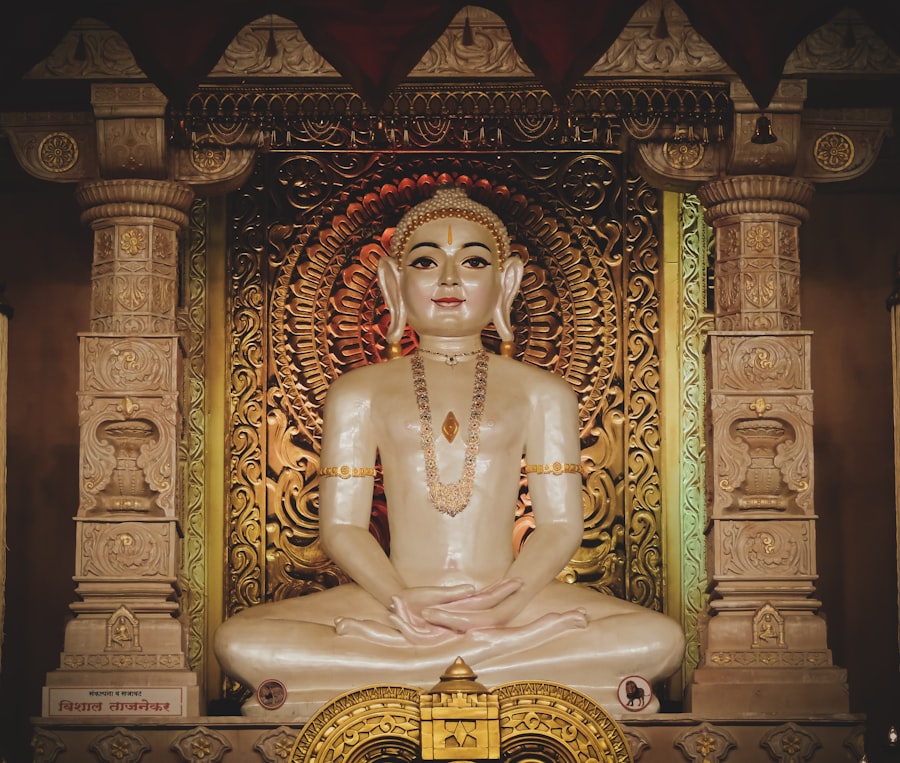
The dangers of spiritual ego inflation are profound and far-reaching. When you allow your ego to dominate your spiritual journey, you risk losing touch with the very essence of what spirituality is meant to be: a path toward connection, compassion, and understanding. Instead of fostering genuine relationships with others, you may find yourself isolated in a bubble of self-importance, unable to relate to those who do not share your elevated perspective.
Moreover, spiritual ego inflation can lead to a false sense of security in your beliefs. You might become resistant to feedback or alternative viewpoints, believing that your understanding is the ultimate truth. This rigidity can stifle your growth and prevent you from exploring new ideas or practices that could enrich your spiritual experience.
Ultimately, the danger lies in the potential for stagnation; when you become too attached to your identity as a “spiritual person,” you may miss out on the transformative power of humility and openness.
How to Avoid Spiritual Ego Inflation
To avoid the pitfalls of spiritual ego inflation, it’s crucial to cultivate a mindset of humility and openness. One effective strategy is to regularly engage in self-reflection, examining your motivations for pursuing spirituality. Ask yourself whether you are seeking growth for personal fulfillment or for external validation.
By being honest with yourself about your intentions, you can begin to shift your focus back to the core principles of spirituality: love, compassion, and connection. Another practical approach is to surround yourself with diverse perspectives within the spiritual community. Engaging with individuals who have different beliefs or practices can help you recognize the limitations of your own understanding and foster a sense of humility.
By embracing the richness of varied experiences, you can cultivate a more inclusive and compassionate approach to spirituality that honors the unique paths of others while remaining grounded in your own journey.
The Role of Humility in Spiritual Growth
| Metric | Description | Measurement Method | Typical Range | Implications |
|---|---|---|---|---|
| Self-Importance Score | Degree to which an individual feels superior due to spiritual achievements | Self-report questionnaires (e.g., Spiritual Narcissism Scale) | Low (0-3), Medium (4-7), High (8-10) | High scores indicate inflated spiritual ego, potential interpersonal conflicts |
| Humility Index | Level of humility expressed in spiritual contexts | Observer ratings and self-assessment scales | 0 (none) to 100 (high humility) | Lower scores may correlate with spiritual ego inflation |
| Openness to Feedback | Willingness to accept criticism or alternative viewpoints | Behavioral observation and self-report | Low, Moderate, High | Low openness often accompanies spiritual ego inflation |
| Frequency of Spiritual Boasting | How often an individual talks about their spiritual experiences to elevate self | Self-report and peer reports | Rare, Occasional, Frequent | Frequent boasting is a sign of spiritual ego inflation |
| Empathy Level | Ability to understand and share feelings of others | Empathy scales and situational tests | Low to High | Lower empathy may be linked to inflated spiritual ego |
Humility plays a vital role in your spiritual growth, serving as a counterbalance to the tendencies of ego inflation. When you approach your spiritual practice with humility, you open yourself up to learning from every experience and interaction. This mindset allows you to recognize that no one has all the answers and that each person’s journey is valid and valuable in its own right.
Embracing humility also encourages you to let go of the need for validation or recognition from others. Instead of seeking approval for your spiritual achievements, you can focus on the intrinsic value of your experiences and insights. This shift in perspective fosters a deeper connection with yourself and others, allowing for authentic relationships built on mutual respect and understanding rather than competition or comparison.
Cultivating Self-Awareness in Spiritual Practice

Self-awareness is a crucial component of any spiritual practice, enabling you to recognize when ego inflation may be influencing your thoughts and actions. By developing a keen sense of self-awareness, you can identify patterns in your behavior that may indicate an inflated sense of self-importance. This awareness allows you to course-correct and return to a more grounded approach to spirituality.
One effective way to cultivate self-awareness is through mindfulness practices such as meditation or journaling. These techniques encourage you to observe your thoughts without judgment, helping you gain insight into your motivations and reactions. As you become more attuned to your inner landscape, you’ll be better equipped to recognize when ego-driven tendencies arise, allowing you to respond with compassion rather than defensiveness.
The Importance of Authenticity in Spiritual Development
Authenticity is essential for meaningful spiritual development, as it allows you to connect with your true self rather than an idealized version shaped by external expectations. When you embrace authenticity, you create space for vulnerability and honesty in your spiritual journey. This openness fosters deeper connections with others and encourages a sense of belonging within the spiritual community.
To cultivate authenticity, it’s important to let go of the need for perfection or adherence to specific ideals. Embrace your unique path and recognize that everyone’s journey is different. By sharing your authentic experiences—both the triumphs and challenges—you contribute to a more genuine dialogue within the spiritual community, inspiring others to do the same.
Overcoming the Trap of Comparison in Spiritual Communities
In spiritual communities, it’s easy to fall into the trap of comparison, measuring your progress against that of others. This tendency can lead to feelings of inadequacy or superiority, both of which are detrimental to your growth. To overcome this trap, focus on celebrating the diversity of experiences within the community rather than viewing them as benchmarks for success.
One effective strategy is to practice gratitude for your own journey while acknowledging the unique paths of others. By shifting your focus from comparison to appreciation, you can cultivate a sense of connection rather than competition. Remember that each person’s journey is valid and that there is no singular path to enlightenment; embracing this diversity enriches both your experience and that of those around you.
Seeking Guidance and Mentorship in Spiritual Growth
Seeking guidance and mentorship can be invaluable in navigating the complexities of spiritual growth while avoiding ego inflation. A mentor can provide insight and perspective that helps ground you in humility while encouraging you to explore new dimensions of your practice. This relationship fosters accountability and support, allowing you to stay aligned with your intentions.
When choosing a mentor or guide, look for someone who embodies the qualities you aspire to cultivate—humility, authenticity, and compassion. Engaging with someone who has traversed similar challenges can provide reassurance and wisdom as you navigate your own path.
The Pitfalls of Spiritual Materialism
Spiritual materialism refers to the tendency to treat spiritual practices as commodities or status symbols rather than genuine pathways toward growth and understanding. You may find yourself accumulating crystals, books, or experiences in an attempt to enhance your spiritual identity or impress others within the community. This approach can lead to superficial engagement with spirituality, where the focus shifts from inner transformation to external appearances.
To avoid falling into this trap, prioritize experiences that resonate with your authentic self rather than those that are trendy or popular. Engage deeply with practices that foster genuine connection—whether through meditation, service work, or community involvement—rather than seeking validation through material possessions or accolades.
Embracing Vulnerability and Imperfection in Spiritual Awakening
Embracing vulnerability and imperfection is essential for authentic spiritual awakening. Recognizing that growth often comes through struggle allows you to approach challenges with compassion rather than judgment. When you accept that imperfection is part of the human experience, you create space for genuine connection with yourself and others.
By sharing your vulnerabilities within the spiritual community, you contribute to an environment where authenticity thrives. This openness encourages others to do the same, fostering deeper connections built on shared experiences rather than superficial ideals. Ultimately, embracing vulnerability allows for profound transformation on both personal and collective levels as you navigate the complexities of spiritual growth together.
Spiritual ego inflation can often lead individuals to develop a distorted sense of self-importance, believing they have achieved a higher state of consciousness than others. This phenomenon is explored in greater detail in the article available on Unplugged Psych, which discusses the implications of such inflated spiritual identities. For more insights, you can read the article here: Unplugged Psych.
FAQs
What is spiritual ego inflation?
Spiritual ego inflation refers to an exaggerated sense of self-importance or superiority that arises from one’s spiritual beliefs or practices. It occurs when individuals use their spirituality to boost their ego rather than foster genuine humility and growth.
How does spiritual ego inflation manifest?
It can manifest as arrogance, judgmental attitudes, or a sense of being “more enlightened” than others. People experiencing spiritual ego inflation may dismiss differing viewpoints and use spiritual language to assert dominance.
What causes spiritual ego inflation?
Spiritual ego inflation often stems from a misunderstanding of spiritual teachings, personal insecurities, or a desire for recognition. It can develop when spiritual progress is equated with personal superiority rather than inner transformation.
Can spiritual ego inflation be harmful?
Yes, it can hinder personal growth, damage relationships, and create divisions within spiritual communities. It may also prevent individuals from experiencing true spiritual insight and compassion.
How can one overcome spiritual ego inflation?
Overcoming spiritual ego inflation involves cultivating humility, self-awareness, and openness to learning. Practices such as mindfulness, self-reflection, and seeking feedback from others can help reduce ego-driven behaviors.
Is spiritual ego inflation common among spiritual practitioners?
Yes, it is relatively common, especially among those new to spiritual paths or those who have experienced rapid personal growth. Awareness and ongoing self-examination are key to preventing and addressing it.
Does spiritual ego inflation contradict spiritual teachings?
Generally, yes. Most spiritual traditions emphasize humility, compassion, and the dissolution of the ego. Spiritual ego inflation contradicts these principles by reinforcing the ego rather than transcending it.
Can spiritual ego inflation affect spiritual communities?
Yes, it can lead to conflicts, exclusion, and power struggles within spiritual groups. It may also discourage genuine connection and shared growth among members.