
In a world that often prioritizes material success and tangible achievements, the significance of spiritual practices can sometimes be overlooked. However, these practices serve as a vital anchor in life, providing a sense of purpose and connection to something greater than oneself. Spirituality offers a framework for understanding experiences, guiding individuals through challenges, and fostering a deeper sense of inner peace.
Engaging in spiritual practices cultivates a more profound awareness of thoughts, emotions, and actions, leading to a more fulfilling existence. Moreover, spiritual practices help navigate the complexities of life with greater ease. They encourage introspection and self-discovery, allowing exploration of values and beliefs.
This exploration can lead to a more authentic life, where actions align with core principles. These practices provide comfort during difficult times, helping individuals cope with stress and uncertainty. Understanding the importance of spiritual practices empowers people to create a more meaningful and balanced life.
Key Takeaways
- Spiritual practices play a crucial role in enhancing mental, emotional, and physical well-being.
- Different types of spiritual practices cater to diverse personal beliefs and needs.
- Effectiveness and alignment with personal values are key to sustaining meaningful spiritual practices.
- Integrating spiritual practices into daily life fosters resilience and improves social relationships.
- Developing a personalized spiritual practice plan maximizes the benefits and supports long-term growth.
Identifying Different Types of Spiritual Practices
When it comes to spiritual practices, there is a vast array of options available to you. These practices can vary widely in form and function, catering to diverse beliefs and preferences. For instance, meditation is a popular practice that encourages mindfulness and self-awareness.
This practice can help you connect with your inner self and foster a deeper understanding of your thoughts and emotions. Another common spiritual practice is prayer, which can take many forms depending on your beliefs.
Whether you engage in formal prayers within a religious context or simply express gratitude and intentions in your own words, prayer can serve as a powerful tool for connection and reflection. Additionally, practices such as yoga, journaling, and nature walks can also be considered spiritual. Each of these activities allows you to engage with your spirituality in unique ways, helping you to explore your beliefs and foster a deeper connection with yourself and the world around you.
Assessing the Effectiveness of Spiritual Practices
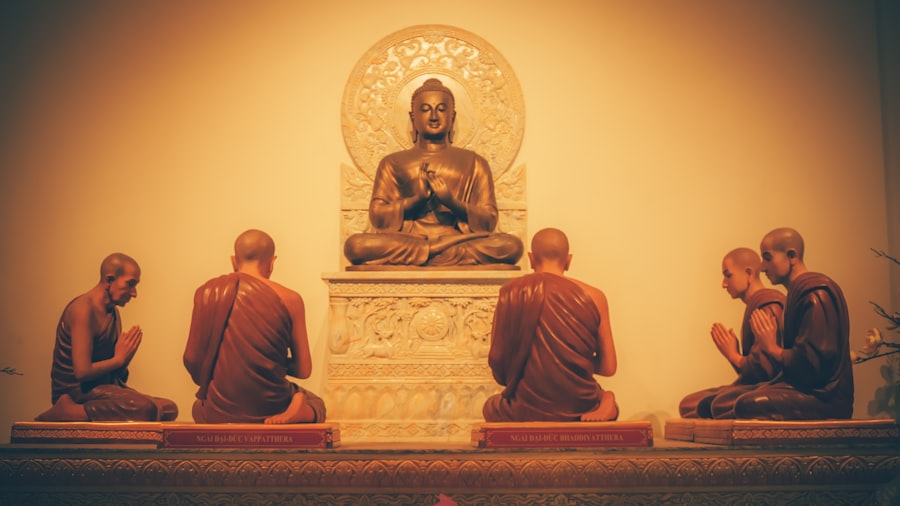
As you explore various spiritual practices, it’s essential to assess their effectiveness in your life. You may find that certain practices resonate more deeply with you than others, leading to a greater sense of fulfillment and connection. To evaluate their effectiveness, consider keeping a journal where you document your experiences with different practices.
Reflect on how each practice makes you feel—do you experience increased peace, clarity, or joy? By tracking your emotional responses over time, you can gain valuable insights into which practices are most beneficial for your spiritual journey. Additionally, it’s important to recognize that the effectiveness of spiritual practices may not always be immediately apparent.
Some practices may require time and consistency before you notice significant changes in your mental or emotional state. Be patient with yourself as you explore these practices; allow yourself the space to grow and evolve. By remaining open-minded and committed to your spiritual journey, you can discover the profound impact that these practices can have on your overall well-being.
Evaluating the Alignment of Spiritual Practices with Personal Beliefs
As you delve deeper into spiritual practices, it’s crucial to evaluate how well they align with your personal beliefs. You may find that certain practices resonate with your values while others feel disconnected or inauthentic. Take the time to reflect on what spirituality means to you and how it relates to your worldview.
This self-exploration can help you identify which practices feel genuine and meaningful in your life. Moreover, aligning your spiritual practices with your beliefs can enhance their effectiveness. When you engage in activities that resonate with your core values, you are more likely to experience a sense of fulfillment and connection.
For instance, if compassion is a central tenet of your belief system, incorporating acts of kindness into your spiritual practice can deepen your sense of purpose.
Examining the Impact of Spiritual Practices on Mental and Emotional Well-being
| Audit Metric | Description | Measurement Method | Frequency | Purpose |
|---|---|---|---|---|
| Practice Consistency | How regularly spiritual practices are performed | Review of logs, journals, or attendance records | Weekly/Monthly | Ensure commitment and routine adherence |
| Alignment with Beliefs | Degree to which practices align with stated spiritual beliefs | Interviews, surveys, and observation | Quarterly | Maintain authenticity and integrity |
| Community Engagement | Participation in group spiritual activities | Attendance records and feedback forms | Monthly | Foster social support and shared growth |
| Personal Growth | Self-reported progress in spiritual understanding or wellbeing | Self-assessment questionnaires and interviews | Biannually | Track development and impact of practices |
| Ethical Conduct | Adherence to ethical guidelines within spiritual practice | Observation and peer review | Annually | Ensure moral integrity and respect |
| Resource Utilization | Use of materials, time, and space for spiritual activities | Inventory checks and time logs | Quarterly | Optimize efficiency and sustainability |
The impact of spiritual practices on mental and emotional well-being is profound and multifaceted. Engaging in regular spiritual activities can help reduce stress, anxiety, and depression by fostering a sense of inner peace and resilience. You may notice that when you dedicate time to meditation or prayer, your mind becomes clearer, allowing you to approach challenges with a calmer perspective.
This shift in mindset can lead to improved emotional regulation and an enhanced ability to cope with life’s ups and downs. Furthermore, spiritual practices often encourage self-reflection and personal growth. As you explore your thoughts and feelings through journaling or meditation, you may uncover patterns or beliefs that no longer serve you.
This awareness can empower you to make positive changes in your life, leading to increased emotional well-being. By prioritizing spiritual practices as part of your self-care routine, you create a foundation for mental health that supports resilience and emotional balance.
Analyzing the Role of Spiritual Practices in Building Resilience
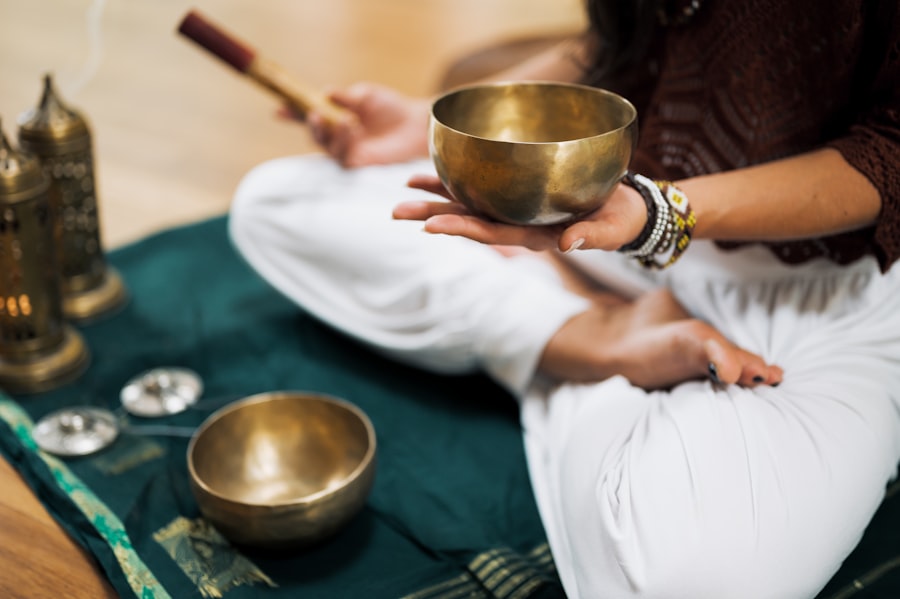
Resilience is the ability to bounce back from adversity, and spiritual practices play a significant role in cultivating this essential trait. When faced with challenges or setbacks, engaging in spiritual activities can provide you with the strength and perspective needed to navigate difficult times. For instance, meditation can help ground you in the present moment, allowing you to approach challenges with clarity rather than fear or anxiety.
Additionally, spiritual practices often foster a sense of community and support. Whether through group meditation sessions or shared prayer experiences, connecting with others who share similar beliefs can create a network of encouragement during tough times. This sense of belonging can bolster your resilience by reminding you that you are not alone in your struggles.
By integrating spiritual practices into your life, you equip yourself with valuable tools for overcoming adversity and emerging stronger on the other side.
Assessing the Integration of Spiritual Practices into Daily Life
Integrating spiritual practices into your daily routine can be transformative, but it requires intentionality and commitment. You may start by identifying specific times during the day when you can dedicate yourself to these activities—perhaps early in the morning before the day begins or during quiet moments in the evening. Establishing a consistent routine can help reinforce the importance of these practices in your life.
Moreover, consider how you can incorporate spirituality into everyday activities beyond formal practices. For example, mindfulness can be practiced while eating or walking by focusing on the sensations and experiences in the present moment. By weaving spirituality into the fabric of your daily life, you create opportunities for connection and reflection throughout the day.
This integration not only enhances your spiritual journey but also enriches your overall experience of life.
Exploring the Connection Between Spiritual Practices and Physical Health
The connection between spiritual practices and physical health is an area of growing interest among researchers and practitioners alike. Engaging in regular spiritual activities has been linked to various health benefits, including lower blood pressure, improved immune function, and reduced levels of chronic pain. You may find that when you prioritize spirituality in your life, it positively influences not only your mental well-being but also your physical health.
For instance, practices such as yoga combine physical movement with mindfulness and breathwork, promoting both physical fitness and spiritual growth. As you engage in these activities, you may notice an increase in energy levels and overall vitality. Additionally, the stress-reducing effects of spiritual practices can lead to healthier lifestyle choices—such as better nutrition and regular exercise—further enhancing your physical well-being.
Considering the Influence of Spiritual Practices on Relationships and Social Well-being
Spiritual practices can significantly influence your relationships and social well-being by fostering empathy, compassion, and understanding. When you engage in activities that promote self-awareness and reflection, such as meditation or prayer, you may find that your capacity for empathy increases. This heightened awareness allows you to connect more deeply with others, enhancing the quality of your relationships.
Moreover, participating in group spiritual activities can create a sense of community and belonging. Whether through attending religious services or joining meditation groups, these shared experiences can strengthen social bonds and provide support during challenging times. As you cultivate meaningful connections through spirituality, you contribute to a more compassionate world while enriching your own social well-being.
Reflecting on the Benefits of Regular Spiritual Practice
Regularly engaging in spiritual practices offers numerous benefits that extend beyond individual well-being. You may find that these practices enhance your overall quality of life by promoting inner peace, resilience, and connection with others. As you commit to a consistent spiritual routine, you’ll likely experience increased clarity in decision-making and improved emotional regulation.
Additionally, regular spiritual practice encourages personal growth by fostering self-awareness and introspection. You may discover new insights about yourself that lead to positive changes in various aspects of your life—relationships, career choices, or personal goals. By reflecting on these benefits regularly, you’ll reinforce the importance of spirituality as an integral part of your journey toward fulfillment.
Developing a Personalized Spiritual Practice Plan
Creating a personalized spiritual practice plan is an empowering step toward enhancing your spiritual journey. Start by reflecting on what resonates most with you—consider which practices align with your beliefs and values while also addressing areas where you’d like to grow or improve. You might choose to incorporate meditation for mindfulness, journaling for self-reflection, or nature walks for connection with the earth.
Once you’ve identified key components for your plan, set realistic goals for integrating these practices into your daily life. Begin small; perhaps commit to five minutes of meditation each morning or journaling once a week. As you become more comfortable with these activities, gradually increase their frequency or duration based on what feels right for you.
In conclusion, developing a personalized spiritual practice plan allows you to cultivate a deeper connection with yourself while enhancing overall well-being. By prioritizing spirituality in your life—through reflection on its importance, exploration of various practices, assessment of their effectiveness—you create a fulfilling path toward personal growth and resilience that enriches every aspect of existence.
To effectively audit spiritual practices, it’s essential to explore various methodologies and insights that can enhance your understanding and implementation. A related article that delves into this topic is available at Unplugged Psych, where you can find valuable resources and guidance on evaluating and refining your spiritual journey.
WATCH THIS 🧠 The Manifestation Lie: How It Makes You Toxic and Poor
FAQs
What does it mean to audit spiritual practices?
Auditing spiritual practices involves systematically reviewing and evaluating one’s spiritual activities, beliefs, and experiences to ensure they align with personal values and goals. It helps individuals understand the effectiveness and authenticity of their spiritual journey.
Why is auditing spiritual practices important?
Auditing spiritual practices is important because it promotes self-awareness, growth, and alignment with one’s true beliefs. It can help identify practices that are beneficial or those that may no longer serve a positive purpose, leading to a more meaningful spiritual life.
How often should one audit their spiritual practices?
The frequency of auditing spiritual practices varies by individual, but many find it helpful to conduct a review quarterly, biannually, or annually. Regular audits help maintain clarity and ensure ongoing alignment with evolving spiritual goals.
What are common methods used to audit spiritual practices?
Common methods include journaling reflections, meditative self-inquiry, seeking feedback from spiritual mentors, and comparing current practices against personal or traditional spiritual frameworks. Some also use questionnaires or checklists to assess consistency and impact.
Can auditing spiritual practices be done alone, or is guidance recommended?
While auditing can be done independently through self-reflection, guidance from spiritual mentors, counselors, or community leaders can provide valuable insights and support, especially when addressing complex or challenging aspects of one’s spiritual life.
What are some signs that indicate a need to audit spiritual practices?
Signs include feeling disconnected or unfulfilled despite regular practice, experiencing confusion or doubt about beliefs, noticing negative impacts on mental or emotional well-being, or encountering conflicts between spiritual activities and personal values.
Is auditing spiritual practices the same as critiquing or judging them?
No, auditing is a non-judgmental and constructive process aimed at understanding and improving spiritual practices. It focuses on honest evaluation rather than criticism, fostering growth and deeper connection.
How can one document the results of a spiritual practice audit?
Results can be documented through written journals, digital notes, audio recordings, or creative expressions like art or poetry. Keeping records helps track progress, insights, and changes over time.
Are there any tools or resources available to help audit spiritual practices?
Yes, there are various tools such as guided meditation apps, spiritual assessment questionnaires, reflective journals, and books on spiritual growth that can assist in auditing practices effectively.
Can auditing spiritual practices lead to changes in one’s spiritual path?
Absolutely. Auditing can reveal new insights that inspire changes in practices, beliefs, or affiliations, helping individuals evolve their spiritual path to better suit their authentic selves and life circumstances.