
Brain plasticity, also known as neuroplasticity, is the brain’s capacity to physically reorganize itself by forming new neural connections throughout life. This fundamental property enables the brain to adapt and change in response to learning, experience, and injury. The brain continuously processes information and experiences, which triggers structural and functional reorganization.
This adaptive capability allows individuals to acquire new skills, recover from neurological damage, and modify established thought patterns. The significance of neuroplasticity lies in its demonstration that cognitive abilities and mental patterns are not fixed. Rather, individuals possess the capacity to actively reshape their neural architecture and cognitive functioning.
Understanding how neuroplasticity operates and learning to leverage this mechanism can facilitate cognitive development and personal advancement.
Key Takeaways
- Brain plasticity enables the brain to rewire itself through experience and learning.
- Repeated practice is crucial for strengthening new neural pathways and forming lasting habits.
- Consistency in routines significantly impacts the effectiveness of brain rewiring efforts.
- Mindfulness, meditation, and physical exercise enhance brain plasticity and cognitive function.
- Overcoming challenges in brain rewiring is essential for personal growth and unlocking mental potential.
The Science Behind Brain Rewiring
To truly appreciate the concept of brain rewiring, it’s important to delve into the science that underpins it. Your brain consists of billions of neurons that communicate with each other through synapses. When you engage in a new activity or learn something new, these neurons form new connections, strengthening the pathways associated with that experience.
This process is known as synaptic plasticity, and it is a fundamental mechanism behind learning and memory. Moreover, the brain’s ability to rewire itself is influenced by various factors, including age, environment, and individual experiences. For instance, younger brains tend to exhibit greater plasticity, making it easier for children to learn languages or musical instruments.
However, this does not mean that adults are incapable of change; rather, it may require more intentional effort and practice. By understanding the science behind brain rewiring, you can better appreciate the potential for growth and transformation that lies within you.
The Role of Repeated Practice in Rewiring the Brain

One of the most effective ways to facilitate brain rewiring is through repeated practice. When you engage in an activity consistently, your brain begins to strengthen the neural pathways associated with that behavior. This phenomenon is often referred to as “use it or lose it.” The more you practice a skill—whether it’s playing an instrument, learning a new language, or even developing a new habit—the more ingrained it becomes in your neural circuitry.
Consider how athletes train for their respective sports. They don’t just practice once or twice; they dedicate countless hours to honing their skills. This repetition not only improves their performance but also physically alters their brains.
As you commit to repeated practice in any area of your life, you are essentially sculpting your brain to become more efficient and adept at that particular task. This process underscores the importance of persistence and dedication in achieving mastery.
How Habits and Routines Impact Brain Wiring
Your daily habits and routines play a significant role in shaping your brain’s wiring. When you engage in certain behaviors consistently, your brain begins to automate those actions, creating neural pathways that make them easier to perform over time. This is why habits can be so powerful—once established, they require less conscious effort to maintain.
However, not all habits are beneficial. Negative habits can also become deeply ingrained in your neural pathways, making them challenging to break. Understanding this dynamic allows you to take control of your habits and consciously choose which ones to cultivate.
By replacing detrimental habits with positive ones through consistent practice and mindfulness, you can effectively rewire your brain for success and well-being.
The Importance of Consistency in Brain Rewiring
| Metric | Description | Effect on Neuroplasticity | Example/Measurement |
|---|---|---|---|
| Synaptic Strength | Measure of the efficiency of synaptic transmission between neurons | Increases with repeated practice, enhancing neural connections | Long-term potentiation (LTP) observed via electrophysiology |
| Gray Matter Volume | Density of neuronal cell bodies in specific brain regions | Increases in areas related to practiced skills | MRI scans showing volume changes after training |
| Myelination | Thickness of myelin sheath around axons | Enhanced with repeated practice, improving signal transmission speed | Diffusion tensor imaging (DTI) measuring fractional anisotropy |
| Neurogenesis Rate | Generation of new neurons, primarily in the hippocampus | Stimulated by learning and repeated practice | BrdU labeling in animal studies |
| Functional Connectivity | Coordination between different brain regions during tasks | Strengthens with repeated practice, optimizing brain networks | fMRI connectivity analysis during task performance |
| Behavioral Performance | Improvement in task accuracy and speed | Reflects underlying neuroplastic changes | Reaction time and error rate metrics |
Consistency is key when it comes to rewiring your brain. Engaging in an activity sporadically will yield minimal results; however, committing to regular practice can lead to significant changes over time. This principle applies not only to learning new skills but also to changing thought patterns and behaviors.
Imagine trying to learn a new language by studying for an hour once a week versus dedicating 30 minutes each day to practice. The latter approach would likely yield far better results due to the cumulative effect of consistent effort. By establishing a routine that incorporates regular practice, you create an environment conducive to brain rewiring.
This consistency reinforces the neural pathways associated with your desired skills or behaviors, making them more robust and automatic.
Strategies for Mastering the Mind through Repeated Practice
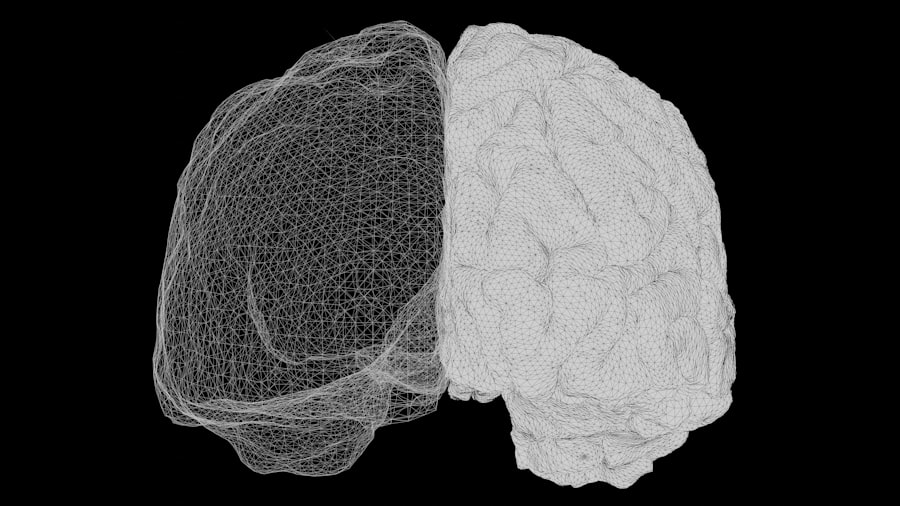
To effectively master your mind through repeated practice, consider implementing specific strategies that enhance your learning experience. One approach is to set clear goals for what you want to achieve. By defining your objectives, you create a roadmap that guides your practice sessions and keeps you motivated.
Another effective strategy is to incorporate varied practice into your routine. Instead of repeating the same task over and over again, try mixing different aspects of what you’re learning. For example, if you’re learning a musical instrument, alternate between scales, songs, and improvisation exercises.
This variety not only keeps your practice sessions engaging but also helps reinforce different neural pathways associated with the skill. Additionally, seek feedback on your progress. Whether it’s from a mentor, coach, or even self-assessment, understanding where you excel and where you need improvement can help refine your practice approach.
By actively engaging with your learning process and adapting based on feedback, you enhance your ability to rewire your brain effectively.
Understanding the Impact of Mindfulness and Meditation on Brain Plasticity
Mindfulness and meditation have gained recognition for their profound effects on mental well-being and cognitive function. Engaging in mindfulness practices can significantly influence brain plasticity by promoting awareness and reducing stress. When you practice mindfulness, you cultivate a heightened sense of presence that allows you to observe your thoughts without judgment.
Research has shown that regular meditation can lead to structural changes in the brain, particularly in areas associated with attention, emotional regulation, and self-awareness. These changes are indicative of increased neuroplasticity, suggesting that mindfulness practices can enhance your ability to rewire your brain positively. By incorporating mindfulness into your daily routine, you create a fertile ground for personal growth and transformation.
The Connection Between Physical Exercise and Brain Rewiring
Physical exercise is not only beneficial for your body but also plays a crucial role in brain health and rewiring. Engaging in regular physical activity has been shown to stimulate the release of neurotrophic factors—proteins that support neuron growth and survival. This biological response enhances neuroplasticity and promotes the formation of new neural connections.
Moreover, exercise has been linked to improved cognitive function, memory retention, and overall mental clarity. When you engage in physical activity, you’re not just strengthening your muscles; you’re also enhancing your brain’s capacity for change. Whether it’s through aerobic exercises like running or strength training at the gym, incorporating physical activity into your routine can significantly contribute to rewiring your brain for optimal performance.
Overcoming Challenges and Roadblocks in Brain Rewiring
While the journey of brain rewiring is filled with potential for growth, it is not without its challenges. You may encounter roadblocks such as self-doubt, frustration, or even external distractions that hinder your progress. Recognizing these challenges is the first step toward overcoming them.
One effective strategy for navigating obstacles is to cultivate resilience through a growth mindset. Embrace setbacks as opportunities for learning rather than failures. By reframing challenges as part of the process, you empower yourself to persist despite difficulties.
Additionally, consider seeking support from others—whether it’s friends, family, or professional mentors—who can provide encouragement and guidance along the way.
Harnessing the Power of Neuroplasticity for Personal Growth and Development
The potential for personal growth through neuroplasticity is immense. By understanding how your brain rewires itself in response to experiences and practices, you can take proactive steps toward self-improvement. Whether you’re looking to enhance cognitive abilities, develop new skills, or shift negative thought patterns, harnessing neuroplasticity can be a transformative journey.
Start by identifying specific areas where you’d like to grow or change. Set achievable goals and create a structured plan that incorporates consistent practice and mindfulness techniques. Remember that progress may take time; however, with dedication and perseverance, you can unlock new levels of potential within yourself.
Embracing the Potential of Brain Rewiring
In conclusion, embracing the concept of brain rewiring opens up a world of possibilities for personal development and growth. By understanding the science behind neuroplasticity and implementing strategies such as repeated practice, mindfulness, and physical exercise into your routine, you can actively shape your cognitive landscape. As you embark on this journey of self-discovery and transformation, remember that consistency is key.
Challenges may arise along the way, but with resilience and determination, you have the power to overcome them. Embrace the potential within you to rewire your brain for success—your future self will thank you for it.
Neuroplasticity, the brain’s remarkable ability to reorganize itself through repeated practice, plays a crucial role in learning and recovery from injury.
For a deeper understanding of how these processes work and their implications for mental health, you can read more in this article on