
Fear is a universal emotion that all people experience throughout their lives. It functions as a natural protective response to perceived threats, alerting individuals to potential danger. However, excessive fear can lead to anxiety and avoidance behaviors that negatively impact daily functioning.
Understanding fear’s mechanisms is essential for effective management. Fear often originates from uncertainty or traumatic past experiences that have shaped psychological responses. Recognizing fear as a normal human experience allows individuals to approach it with analytical interest rather than apprehension.
Fear manifests across a spectrum of intensity, from mild worry to severe phobias. This variation is influenced by genetic factors, environmental conditions, and personal history. Acknowledging fear’s complexity enables individuals to address it directly.
Rather than allowing fear to control behavior, people can develop strategies to work through it, gain emotional awareness, and build psychological resilience.
Key Takeaways
- Understanding and identifying your fears is the first step to overcoming them.
- Gradual exposure to feared situations helps reduce anxiety over time.
- Challenging negative thoughts and using relaxation techniques support emotional resilience.
- Building a support system and seeking professional help can enhance progress.
- Setting realistic goals and celebrating small victories maintain motivation and growth.
The Power of Exposure
Exposure is a powerful tool in overcoming fear. It involves gradually facing the situations or objects that trigger your anxiety, allowing you to desensitize yourself to them over time. This process can be incredibly liberating, as it helps you reclaim control over your life.
When you expose yourself to your fears in a safe and structured manner, you begin to dismantle the power they hold over you. You may find that what once seemed insurmountable becomes manageable as you confront it repeatedly. The beauty of exposure lies in its ability to shift your perspective.
Each time you face your fear, you gather evidence that contradicts the catastrophic thoughts that often accompany it. For instance, if you have a fear of public speaking, each small step—whether it’s speaking in front of a mirror or presenting to a trusted friend—can help you build confidence. Over time, these incremental exposures can lead to significant changes in how you perceive and react to your fears, transforming them from barriers into stepping stones toward personal growth.
Identifying Your Fears
Before you can effectively confront your fears, it’s essential to identify them clearly. Take some time to reflect on what specifically triggers your anxiety. Is it a fear of failure, rejection, or perhaps something more tangible like heights or spiders?
By pinpointing the exact nature of your fears, you can begin to understand their origins and how they affect your life. Journaling can be an effective method for this process; writing down your thoughts allows you to articulate your fears and examine them from different angles. Once you’ve identified your fears, consider how they manifest in your daily life.
Do they cause physical symptoms like increased heart rate or sweating? Understanding the impact of your fears on your behavior and well-being is crucial for developing effective coping strategies.
By acknowledging these patterns, you empower yourself to take proactive steps toward change rather than remaining a passive victim of your anxiety.
Gradual Exposure Techniques
Gradual exposure techniques are designed to help you face your fears in a controlled and manageable way. This approach allows you to start small and gradually increase the intensity of your exposure as you build confidence. For example, if you’re afraid of flying, you might begin by watching videos about airplanes or visiting an airport without boarding a plane.
As you become more comfortable with these initial steps, you can progress to sitting in a stationary plane or taking short flights. The key to successful gradual exposure is patience and persistence. It’s important to move at your own pace and not rush the process.
Each small step forward is a victory worth celebrating, as it contributes to your overall progress. You may also find it helpful to create a hierarchy of fears—ranking them from least to most anxiety-provoking—so that you can systematically work through them. This structured approach not only makes the process less overwhelming but also provides a clear roadmap for your journey toward overcoming fear.
Seeking Professional Help
| Step | Description | Example Activity | Expected Outcome | Timeframe |
|---|---|---|---|---|
| 1. Identify Fear | Recognize and clearly define the specific fear you want to overcome. | Write down situations that trigger anxiety or fear. | Increased awareness of fear triggers. | 1 day |
| 2. Create Fear Hierarchy | List fear-inducing situations from least to most anxiety-provoking. | Rank situations from 1 (least scary) to 10 (most scary). | Structured plan for gradual exposure. | 1-2 days |
| 3. Begin Gradual Exposure | Start facing the least fearful situation repeatedly until anxiety decreases. | Spend 5-10 minutes in the least scary situation daily. | Reduced anxiety in low-level fear situations. | 1-2 weeks |
| 4. Increase Exposure Intensity | Progressively face more challenging fear situations on the hierarchy. | Move to next level after anxiety reduces by 50% in current level. | Improved coping with moderate fear triggers. | 2-4 weeks |
| 5. Practice Coping Strategies | Use relaxation, breathing, or mindfulness during exposure. | Apply deep breathing exercises during exposure sessions. | Better anxiety management and control. | Ongoing |
| 6. Maintain and Generalize | Continue exposure in varied settings to prevent relapse. | Face fear in different environments and situations. | Long-term reduction in fear response. | Ongoing |
While self-help strategies can be effective, there are times when seeking professional help is necessary. A therapist or counselor trained in cognitive-behavioral therapy (CBT) can provide valuable support and guidance as you navigate your fears. They can help you develop personalized coping strategies and offer insights that may not be apparent when you’re working alone.
Additionally, professionals can assist in identifying any underlying issues contributing to your fears, such as past trauma or negative thought patterns. Engaging with a mental health professional can also provide a safe space for you to express your feelings without judgment. This therapeutic relationship can be incredibly empowering, as it allows you to explore your fears in depth and gain new perspectives on them.
Remember that seeking help is not a sign of weakness; rather, it demonstrates strength and a commitment to personal growth.
Building a Support System
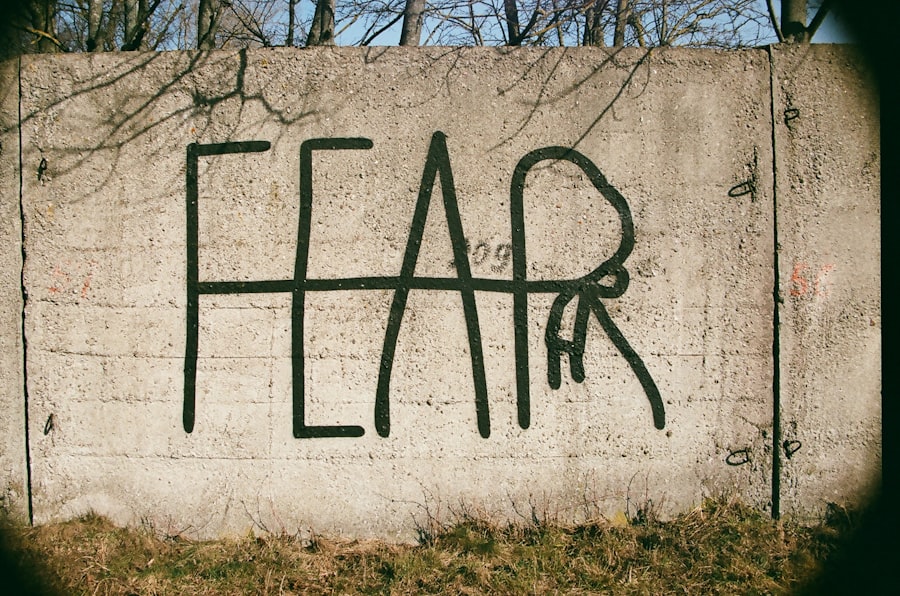
Having a strong support system is crucial when facing fears and anxieties. Surrounding yourself with understanding friends and family members can provide encouragement and reassurance during challenging times. Share your goals with them and let them know how they can support you on your journey.
Whether it’s accompanying you on exposure exercises or simply being there to listen when you’re feeling overwhelmed, having a reliable support network can make all the difference. In addition to friends and family, consider joining support groups or online communities where individuals share similar experiences. Connecting with others who understand what you’re going through can foster a sense of belonging and reduce feelings of isolation.
Challenging Negative Thoughts
Fear often thrives on negative thoughts and irrational beliefs that distort reality. To combat this, it’s essential to challenge these thoughts actively. When faced with anxiety-provoking situations, take a moment to pause and assess the validity of your thoughts.
Are they based on facts or assumptions? By questioning these negative beliefs, you can begin to replace them with more balanced and rational perspectives. Cognitive restructuring is a technique commonly used in cognitive-behavioral therapy that involves identifying negative thought patterns and reframing them into more positive or realistic statements.
For instance, if you find yourself thinking, “I’ll embarrass myself if I speak in public,” challenge that thought by asking yourself what evidence supports it. You might realize that you’ve successfully communicated in other settings before or that most audiences are supportive rather than critical.
Using Visualization and Relaxation Techniques
Visualization and relaxation techniques can be powerful allies in managing fear and anxiety. By incorporating these practices into your routine, you create mental space for calmness and clarity. Visualization involves imagining yourself successfully facing your fears—whether it’s giving a presentation or confronting an uncomfortable situation—allowing you to mentally rehearse positive outcomes.
Relaxation techniques such as deep breathing exercises, progressive muscle relaxation, or mindfulness meditation can also help reduce anxiety levels before facing feared situations. These practices enable you to ground yourself in the present moment and cultivate a sense of inner peace. By integrating visualization and relaxation into your preparation for exposure exercises, you’ll likely find that you’re better equipped to handle whatever challenges come your way.
Setting Realistic Goals
Setting realistic goals is essential for maintaining motivation as you work through your fears. Break down larger objectives into smaller, achievable steps that allow for gradual progress. For example, if you’re aiming to overcome social anxiety, start by setting a goal to initiate small conversations with acquaintances before progressing to larger social gatherings.
It’s important to celebrate each milestone along the way, no matter how small it may seem. Acknowledging your achievements reinforces positive behavior and encourages continued effort toward overcoming fear. Remember that progress is not always linear; setbacks may occur, but they do not define your journey.
By setting realistic goals and focusing on incremental improvements, you’ll cultivate resilience and determination.
Celebrating Small Victories
As you navigate the path toward overcoming fear, take time to celebrate small victories along the way. Each step forward—whether it’s facing a fear head-on or simply acknowledging progress—deserves recognition. Celebrating these moments reinforces positive behavior and boosts motivation for continued growth.
Consider keeping a journal where you document your achievements, no matter how minor they may seem. Reflecting on these victories can serve as a powerful reminder of how far you’ve come when faced with challenges in the future. Additionally, sharing these successes with supportive friends or family members can amplify the joy of accomplishment and strengthen your support system.
Maintaining Progress and Moving Forward
Overcoming fear is an ongoing journey that requires commitment and perseverance. Once you’ve made significant strides in managing your fears, it’s essential to maintain that progress by continuing exposure practices and reinforcing positive habits. Regularly revisit the techniques that have worked for you—whether it’s visualization exercises or challenging negative thoughts—to ensure that fear does not regain its hold over you.
As you move forward, remain open to new experiences and challenges that may arise in life. Embrace the idea that growth often occurs outside of your comfort zone; each new encounter presents an opportunity for further development. By maintaining a proactive approach toward managing fear and celebrating ongoing progress, you’ll cultivate resilience that empowers you to face whatever life throws your way with confidence and courage.
One effective way to overcome fear is through exposure therapy, which involves gradually facing the feared situation in a controlled manner. For more insights on this topic, you can read the article on overcoming fear through exposure techniques at Unplugged Psych. This resource provides valuable strategies and tips to help individuals confront their fears and build resilience over time.
FAQs
What is exposure therapy?
Exposure therapy is a psychological treatment that helps individuals confront their fears by gradually and repeatedly exposing them to the feared object or situation in a controlled and safe environment. This process aims to reduce fear and anxiety over time.
How does exposure therapy help overcome fear?
Exposure therapy works by allowing individuals to face their fears directly, which helps desensitize their emotional response. Repeated exposure can lead to habituation, where the fear response diminishes, and individuals learn that the feared situation is not as dangerous as they initially believed.
Is exposure therapy effective for all types of fears?
Exposure therapy is effective for many types of fears and anxiety disorders, including phobias, social anxiety, and post-traumatic stress disorder (PTSD). However, the approach and intensity may vary depending on the specific fear and individual needs.
Can I practice exposure therapy on my own?
While some mild fears can be addressed through self-guided exposure exercises, it is generally recommended to seek guidance from a mental health professional, especially for severe or complex fears. Professionals can provide a structured plan and support to ensure safety and effectiveness.
How long does it take to overcome fear through exposure?
The duration varies depending on the individual, the nature of the fear, and the frequency of exposure sessions. Some people may notice improvement within a few weeks, while others may require several months of consistent practice.
Are there any risks associated with exposure therapy?
When conducted properly, exposure therapy is safe. However, if exposure is too intense or not well-managed, it can increase anxiety temporarily. This is why professional supervision is important to tailor the approach and provide coping strategies.
What are some common techniques used in exposure therapy?
Common techniques include systematic desensitization, where exposure is gradual and paired with relaxation methods; flooding, which involves intense exposure to the feared stimulus; and virtual reality exposure, which uses simulated environments to safely confront fears.
Can exposure therapy be combined with other treatments?
Yes, exposure therapy is often combined with cognitive-behavioral therapy (CBT), medication, or relaxation techniques to enhance overall treatment effectiveness and address underlying thought patterns related to fear.
How can I prepare for exposure therapy?
Preparation involves understanding your fear, setting realistic goals, and working with a therapist to develop a step-by-step exposure plan. It’s also helpful to learn coping skills such as deep breathing or mindfulness to manage anxiety during exposure.
What should I do if exposure therapy causes increased anxiety?
If anxiety increases, communicate this with your therapist. They can adjust the exposure intensity, provide additional support, or incorporate relaxation techniques to help manage the heightened anxiety safely.