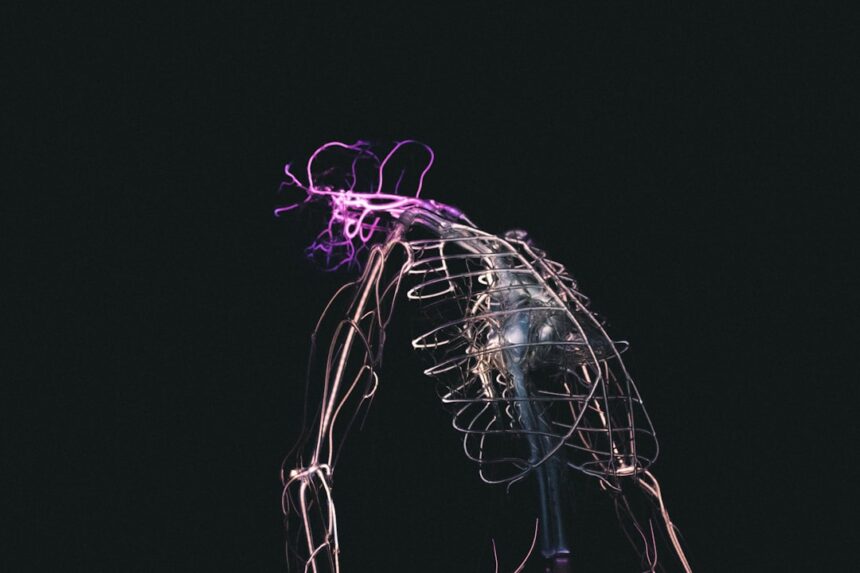
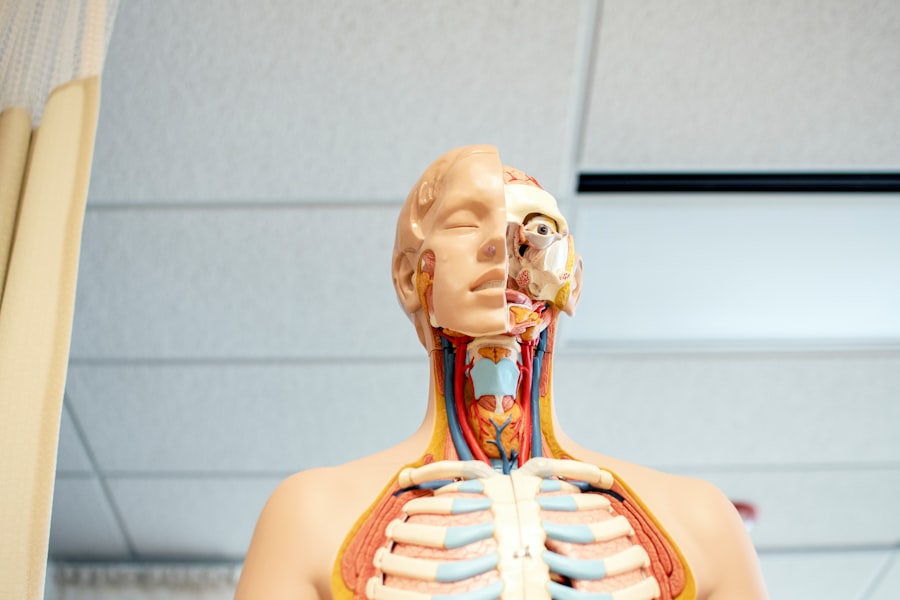
The vagus nerve is one of the most significant components of your autonomic nervous system, playing a crucial role in regulating various bodily functions. It extends from your brainstem down through your neck and into your abdomen, branching out to connect with multiple organs, including the heart, lungs, and digestive tract. This extensive network allows the vagus nerve to influence a wide array of physiological processes, such as heart rate, digestion, and even mood regulation.
By understanding the vagus nerve’s anatomy and functions, you can appreciate its importance in maintaining overall health and well-being. You may find it fascinating that the vagus nerve is often referred to as the “wandering nerve” due to its extensive reach throughout the body. It is responsible for the parasympathetic nervous system’s “rest and digest” response, counterbalancing the “fight or flight” reactions triggered by the sympathetic nervous system.
When you engage in activities that stimulate the vagus nerve, you can promote relaxation, reduce stress, and enhance your overall sense of calm. This understanding sets the stage for exploring various techniques that can help you harness the power of this remarkable nerve.
Key Takeaways
- The vagus nerve plays a crucial role in regulating the parasympathetic nervous system and overall well-being.
- Stimulating the vagus nerve can improve mood, reduce inflammation, and enhance digestion.
- Traditional methods include deep breathing, meditation, and acupuncture to activate the vagus nerve.
- Modern devices offer targeted vagus nerve stimulation for therapeutic benefits.
- Combining multiple techniques like breathing, exercise, and self-massage can optimize vagus nerve stimulation outcomes.
Benefits of Vagus Nerve Stimulation
Stimulating the vagus nerve can yield a multitude of benefits that positively impact both your physical and mental health. One of the most notable advantages is its ability to reduce stress and anxiety levels. When you activate the vagus nerve, it helps to lower cortisol levels in your body, promoting a sense of tranquility and balance.
This can be particularly beneficial in today’s fast-paced world, where stress often feels overwhelming.
In addition to its calming effects, vagus nerve stimulation has been linked to improved digestion and gut health.
The vagus nerve plays a vital role in regulating digestive processes, including the release of digestive enzymes and the movement of food through your gastrointestinal tract. When you stimulate this nerve, you may experience enhanced digestion and reduced symptoms of gastrointestinal disorders. Furthermore, research suggests that vagus nerve stimulation can have a positive impact on mood disorders, such as depression, by promoting the release of neurotransmitters like serotonin.
This multifaceted influence on both physical and mental health underscores the importance of exploring various methods to stimulate the vagus nerve.
Traditional Vagus Nerve Stimulation Techniques
Traditional techniques for stimulating the vagus nerve have been practiced for centuries across various cultures. One such method is deep breathing exercises, which can help activate the parasympathetic nervous system and promote relaxation.
This simple yet effective technique can be easily integrated into your daily routine, providing a quick way to alleviate stress and anxiety. Another traditional approach involves yoga and other mind-body practices that emphasize breath control and mindfulness. Yoga poses that encourage deep stretching and relaxation can stimulate the vagus nerve while promoting overall physical well-being.
As you move through different postures, you may find that your body becomes more attuned to its sensations, allowing for a deeper connection between your mind and body. This holistic approach not only enhances physical flexibility but also fosters emotional resilience by calming the nervous system.
Modern Vagus Nerve Stimulation Devices
In recent years, advancements in technology have led to the development of modern devices designed specifically for vagus nerve stimulation. These devices often utilize electrical impulses to stimulate the vagus nerve directly, offering a more targeted approach than traditional methods. One such device is the implantable vagus nerve stimulator (VNS), which has been approved for treating conditions like epilepsy and depression.
By delivering regular electrical signals to the vagus nerve, these devices can help regulate mood and reduce seizure frequency. While implantable devices may seem intimidating, there are also non-invasive options available for those seeking to explore vagus nerve stimulation without surgery. Transcutaneous vagus nerve stimulation (tVNS) devices are designed to be used externally, often targeting specific areas like the ear or neck where the vagus nerve is accessible.
These devices provide a convenient way for you to experience the benefits of vagus nerve stimulation in the comfort of your own home. As research continues to evolve in this field, you may find that these modern techniques offer new avenues for enhancing your well-being.
Breathing Techniques for Vagus Nerve Stimulation
| Method | Type | Application | Invasiveness | Common Uses | Stimulation Parameters | Advantages | Limitations |
|---|---|---|---|---|---|---|---|
| Implantable Vagus Nerve Stimulator (VNS) | Invasive | Electrical stimulation via implanted device | High (surgical implantation) | Epilepsy, depression | 20-30 Hz frequency, 250-500 μs pulse width, 30 sec ON/5 min OFF | Continuous, adjustable stimulation; proven efficacy | Requires surgery; risk of infection; cost |
| Transcutaneous Auricular Vagus Nerve Stimulation (taVNS) | Non-invasive | Electrical stimulation via ear electrodes | Low | Depression, anxiety, pain management | 20-25 Hz frequency, 200-300 μs pulse width, variable session duration | Non-invasive; easy to use; fewer side effects | Less consistent efficacy; limited stimulation depth |
| Transcutaneous Cervical Vagus Nerve Stimulation (tcVNS) | Non-invasive | Electrical stimulation on neck skin over vagus nerve | Low | Cluster headaches, PTSD, epilepsy | 5-25 Hz frequency, 200-500 μs pulse width, session-dependent | Non-invasive; targeted stimulation | Skin irritation; variable patient response |
| Manual Vagus Nerve Stimulation (e.g., deep breathing, cold exposure) | Non-electrical | Physiological techniques to activate vagus nerve | None | Stress reduction, heart rate regulation | N/A | Safe; no equipment needed | Less precise; variable effectiveness |
Breathing techniques are among the simplest yet most effective ways to stimulate the vagus nerve. One popular method is diaphragmatic breathing, which involves engaging your diaphragm rather than shallow chest breathing. To practice this technique, find a comfortable position and place one hand on your chest and the other on your abdomen.
As you inhale deeply through your nose, focus on expanding your abdomen rather than raising your chest. This deep breathing pattern activates the vagus nerve and promotes relaxation by signaling your body to enter a state of calm. Another effective breathing technique is known as “4-7-8 breathing.” This method involves inhaling for four counts, holding your breath for seven counts, and exhaling slowly for eight counts.
By extending your exhalation, you encourage your body to relax further while stimulating the vagus nerve. Practicing this technique regularly can help you manage stress more effectively and create a sense of inner peace throughout your day.
Meditation and Mindfulness Practices for Vagus Nerve Stimulation
Meditation and mindfulness practices are powerful tools for stimulating the vagus nerve while fostering emotional well-being. Engaging in regular meditation allows you to cultivate awareness of your thoughts and feelings without judgment. This practice can help reduce anxiety and promote a sense of calm by activating the parasympathetic nervous system through vagal stimulation.
You might find that even just a few minutes of meditation each day can significantly impact your overall mood and stress levels. Mindfulness practices, such as mindful walking or eating, also provide opportunities for vagus nerve stimulation. By focusing on the present moment and fully engaging with your senses, you can create a deeper connection between your mind and body.
This heightened awareness encourages relaxation and helps regulate your emotional responses to stressors in your environment. Incorporating mindfulness into your daily life can lead to lasting changes in how you experience stress and enhance your overall well-being.
Exercise and Movement for Vagus Nerve Stimulation
Physical activity is another effective way to stimulate the vagus nerve while promoting overall health. Engaging in regular exercise not only benefits your cardiovascular system but also enhances vagal tone—the ability of your vagus nerve to regulate bodily functions effectively. Activities such as aerobic exercise, dancing, or even brisk walking can elevate your heart rate while simultaneously stimulating the vagus nerve through increased blood flow.
Moreover, incorporating gentle movement practices like tai chi or qigong can further enhance vagal stimulation. These practices emphasize slow, deliberate movements combined with deep breathing, creating a harmonious connection between body and mind. As you engage in these activities, you may notice an increase in relaxation and a decrease in stress levels—benefits that stem from stimulating the vagus nerve through movement.
Dietary Approaches to Vagus Nerve Stimulation
Your diet plays a significant role in supporting vagal function and overall health. Consuming foods rich in omega-3 fatty acids—such as fatty fish, walnuts, and flaxseeds—can promote healthy brain function and enhance vagal tone. These nutrients are known for their anti-inflammatory properties, which can positively impact mood regulation and cognitive function.
Additionally, incorporating fermented foods into your diet can support gut health—a key factor in vagal function. Foods like yogurt, sauerkraut, and kimchi contain probiotics that promote a healthy gut microbiome. A balanced gut microbiome has been linked to improved mood and reduced anxiety levels due to its influence on neurotransmitter production.
By making mindful dietary choices that support both gut health and brain function, you can further enhance your body’s ability to stimulate the vagus nerve.
Acupuncture and Acupressure for Vagus Nerve Stimulation
Acupuncture and acupressure are ancient practices rooted in Traditional Chinese Medicine that can effectively stimulate the vagus nerve. Acupuncture involves inserting thin needles into specific points on the body to promote energy flow and balance within the nervous system. Research has shown that acupuncture can enhance vagal tone by activating specific points associated with relaxation and stress reduction.
On the other hand, acupressure utilizes finger pressure on these same points without needles, making it an accessible option for self-care at home. You might find it beneficial to explore acupressure points located on your ear or wrist that correspond with vagal stimulation. By incorporating these practices into your wellness routine, you can tap into their potential benefits for reducing stress and enhancing overall well-being.
Self-Massage Techniques for Vagus Nerve Stimulation
Self-massage techniques offer another avenue for stimulating the vagus nerve while promoting relaxation and self-care. One effective method is gentle massage around the neck area where the vagus nerve runs close to the surface of the skin. Using your fingertips or palms, apply light pressure along your neck muscles while taking slow, deep breaths.
This simple practice can help activate the vagus nerve while releasing tension stored in your muscles. Additionally, abdominal massage can also stimulate the vagus nerve by promoting healthy digestion and relaxation. Gently massaging your abdomen in circular motions can encourage blood flow to this area while activating the parasympathetic nervous system response associated with digestion.
By incorporating self-massage techniques into your routine, you create opportunities for both physical relief and emotional calmness.
Combining Vagus Nerve Stimulation Techniques for Optimal Results
To maximize the benefits of vagus nerve stimulation, consider combining various techniques into a holistic approach tailored to your needs. For instance, you might start your day with deep breathing exercises followed by a short meditation session before engaging in physical activity like yoga or brisk walking. This combination allows you to activate multiple pathways for stimulating the vagus nerve while promoting overall well-being.
Furthermore, integrating dietary changes alongside mindfulness practices can create a synergistic effect on your health journey. As you nourish your body with wholesome foods while practicing mindfulness during meals, you enhance both gut health and emotional regulation—two key factors influenced by the vagus nerve. By exploring different combinations of these techniques, you empower yourself to cultivate a lifestyle that supports optimal health through effective vagal stimulation.
In conclusion, understanding and harnessing the power of the vagus nerve opens up numerous pathways for enhancing both physical and mental well-being. By exploring traditional methods alongside modern advancements in technology, you can create a personalized approach that resonates with you—ultimately leading to a more balanced life filled with resilience against stressors that come your way.
Vagus nerve stimulation (VNS) has gained attention for its potential therapeutic benefits in various conditions, including depression and epilepsy. For those interested in exploring different methods of VNS, a related article can be found at this link, which discusses innovative approaches and the latest research in the field.
FAQs
What is vagus nerve stimulation (VNS)?
Vagus nerve stimulation (VNS) is a medical treatment that involves delivering electrical impulses to the vagus nerve, which runs from the brainstem through the neck to the abdomen. It is used to treat various conditions such as epilepsy, depression, and certain inflammatory disorders.
What are the common methods of vagus nerve stimulation?
Common methods of VNS include implanted devices that deliver electrical pulses to the vagus nerve in the neck, transcutaneous VNS (tVNS) which stimulates the nerve through the skin typically at the ear, and non-invasive external devices that use electrodes placed on the skin.
How does implanted vagus nerve stimulation work?
Implanted VNS involves surgically placing a small pulse generator under the skin in the chest, connected to electrodes wrapped around the vagus nerve in the neck. The device sends regular electrical pulses to modulate nerve activity.
What is transcutaneous vagus nerve stimulation (tVNS)?
Transcutaneous VNS is a non-invasive method that stimulates the vagus nerve through the skin, usually at the auricular branch located in the ear. It uses external electrodes and does not require surgery.
What conditions can be treated with vagus nerve stimulation?
VNS is primarily used to treat epilepsy and treatment-resistant depression. It is also being researched and used for conditions such as anxiety, migraines, inflammatory diseases, and tinnitus.
Are there any risks or side effects associated with vagus nerve stimulation?
Common side effects of implanted VNS include hoarseness, throat pain, cough, and shortness of breath during stimulation. Non-invasive methods generally have fewer side effects but may cause mild skin irritation or discomfort.
How is the effectiveness of vagus nerve stimulation monitored?
Effectiveness is monitored through clinical assessments of symptom improvement, patient feedback, and sometimes adjustments to stimulation parameters. In epilepsy, seizure frequency is tracked, while in depression, mood scales are used.
Can vagus nerve stimulation be adjusted or turned off?
Yes, implanted VNS devices can be programmed and adjusted by healthcare providers to optimize therapy. They can also be turned off or removed if necessary.
Is vagus nerve stimulation suitable for everyone?
VNS is not suitable for everyone. Candidates are typically evaluated based on their medical history, condition severity, and response to other treatments. Certain heart conditions or nerve damage may contraindicate VNS.
How long does vagus nerve stimulation treatment last?
Implanted VNS devices are designed for long-term use, often several years, with battery replacements as needed. Non-invasive VNS treatments may be used for shorter durations or as ongoing therapy depending on the condition.