
Toxic spiritual groups often exhibit specific warning signs that potential and current members should recognize. Research on high-control religious organizations has identified several key indicators of problematic group dynamics. Authoritarian leadership represents a primary warning sign.
Leaders in toxic spiritual groups typically demand absolute obedience and claim exclusive access to spiritual truth or divine revelation. These leaders discourage questioning of their authority and present themselves as the sole conduit for spiritual knowledge. Such hierarchical structures suppress dissent and invalidate members’ independent spiritual experiences or concerns.
Social isolation constitutes another significant indicator. Toxic spiritual groups frequently pressure members to sever relationships with family and friends who do not belong to the organization or who express concerns about the member’s involvement. This isolation serves as a control mechanism, removing external perspectives that might challenge the group’s teachings or practices.
Legitimate spiritual communities typically encourage healthy relationships outside the organization and welcome respectful dialogue with non-members. Additional warning signs include financial exploitation, where members are pressured to donate excessive amounts or turn over personal assets; information control, where access to outside media, books, or alternative viewpoints is restricted; and punishment of doubt, where questioning group doctrine results in shaming, shunning, or other penalties. Mental health professionals and cult researchers emphasize that healthy spiritual organizations encourage critical thinking, maintain transparency in their operations, and respect members’ autonomy in personal relationships and decision-making.
Key Takeaways
- Recognize warning signs and manipulation tactics used by toxic spiritual groups to protect yourself.
- Seek support from loved ones and professionals to gain strength and clarity when leaving such groups.
- Focus on healing trauma and rebuilding your identity after leaving a toxic spiritual environment.
- Establish clear boundaries and assert your independence to maintain your well-being post-exit.
- Reconnect with spirituality healthily and help others still trapped, while embracing a life free from toxic influence.
Understanding the Psychological Manipulation Tactics Used by Toxic Spiritual Groups
Toxic spiritual groups often employ various psychological manipulation tactics to maintain control over their members. One common method is love-bombing, where new recruits are showered with affection and attention to create a sense of belonging and acceptance. This initial warmth can be intoxicating, making it difficult for you to see the underlying manipulative strategies at play.
Over time, however, this affection can turn into conditional love, where your worth is tied to your adherence to the group’s beliefs and practices. Another tactic frequently used is gaslighting, which involves making you doubt your perceptions and feelings. If you express discomfort or question the group’s teachings, you may be met with accusations of being unspiritual or lacking faith.
This can lead to a profound sense of confusion and self-doubt, making it increasingly challenging for you to trust your instincts.
The Importance of Seeking Support from Loved Ones

When you begin to suspect that you are part of a toxic spiritual group, reaching out to loved ones can be a crucial step in regaining your perspective. Friends and family often provide an outside viewpoint that can help you see the situation more clearly. They may express concerns that you have been unable to articulate or validate feelings of unease that you have been suppressing.
By confiding in those who care about you, you can start to rebuild a support system that encourages your well-being rather than undermines it. Moreover, loved ones can offer emotional support during this challenging time. Leaving a toxic group can be an isolating experience, filled with fear and uncertainty.
Having someone who understands your struggles can make all the difference in navigating this transition. They can help remind you of your worth and reinforce the idea that you deserve a healthy, supportive environment where your beliefs are respected rather than manipulated.
Finding the Courage to Leave a Toxic Spiritual Group
Deciding to leave a toxic spiritual group requires immense courage and self-reflection. You may feel torn between loyalty to the community and the realization that it is harming you. It’s essential to acknowledge that leaving does not mean abandoning your spiritual journey; rather, it signifies a commitment to finding a healthier path.
Take time to reflect on what initially drew you to the group and how those motivations have changed over time. Understanding your personal journey can empower you to take that brave step toward freedom. As you prepare to leave, consider creating a plan that outlines your next steps.
This might include identifying safe spaces where you can seek refuge or finding new communities that align with your values. Having a clear exit strategy can alleviate some of the anxiety associated with leaving, allowing you to focus on reclaiming your autonomy. Remember, it’s okay to prioritize your well-being over the expectations of others.
Healing from the Trauma of Involvement in a Toxic Spiritual Group
| Step | Action | Purpose | Estimated Time | Emotional Impact |
|---|---|---|---|---|
| 1 | Recognize Toxicity | Identify harmful behaviors and control tactics | Varies (days to weeks) | Confusion, doubt |
| 2 | Seek Support | Find trusted friends, family, or professionals | 1-2 weeks | Relief, anxiety |
| 3 | Plan Exit Strategy | Decide how and when to leave safely | 1 week | Stress, empowerment |
| 4 | Limit Contact | Reduce communication to avoid manipulation | Ongoing | Loneliness, freedom |
| 5 | Establish Boundaries | Protect personal space and beliefs | Ongoing | Confidence, discomfort |
| 6 | Engage in Self-Care | Heal emotionally and physically | Weeks to months | Calm, rejuvenation |
| 7 | Consider Professional Help | Get counseling or therapy if needed | Varies | Support, understanding |
Healing from the trauma inflicted by a toxic spiritual group is a process that requires patience and self-compassion. You may experience a range of emotions, including anger, sadness, and confusion as you come to terms with your experiences. It’s important to allow yourself to feel these emotions without judgment; they are valid responses to what you have endured.
Journaling can be an effective tool for processing these feelings, providing an outlet for reflection and self-discovery. Additionally, engaging in self-care practices can significantly aid in your healing journey. This might include activities such as meditation, yoga, or spending time in nature—anything that helps you reconnect with yourself and fosters a sense of peace.
Surrounding yourself with supportive individuals who understand your journey can also facilitate healing, as they can provide validation and encouragement as you navigate this challenging terrain.
Rebuilding a Sense of Self and Identity After Leaving a Toxic Spiritual Group
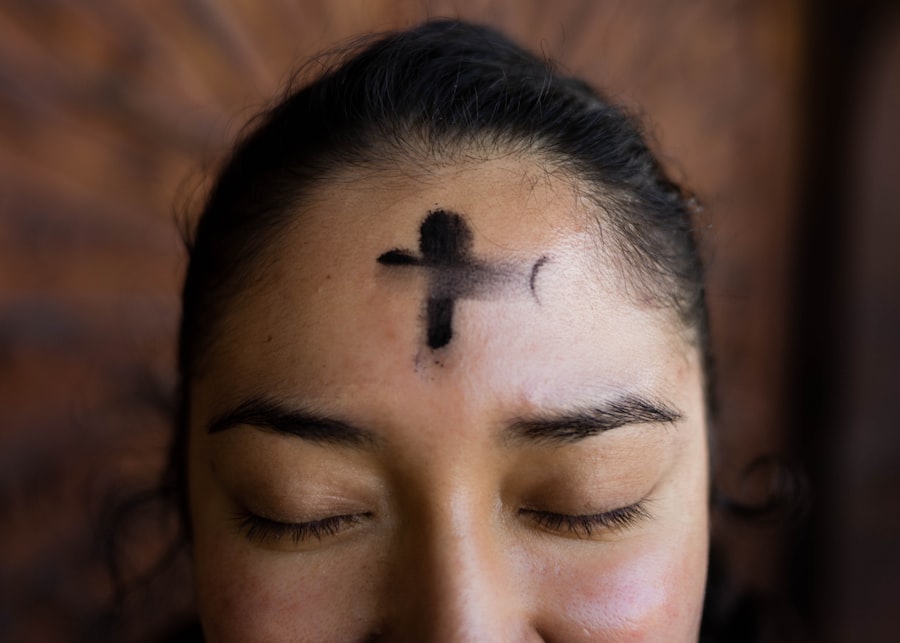
After leaving a toxic spiritual group, you may find yourself grappling with questions about your identity and sense of self. The group may have defined much of who you were, leaving you feeling lost or unsure of who you are outside of that context. To begin rebuilding your identity, take time to explore your interests, values, and beliefs independently.
It’s also beneficial to reflect on what spirituality means to you personally, separate from the influences of the toxic group. Consider what aspects of spirituality resonate with you and how you can incorporate them into your life in a way that feels authentic.
This process may involve trial and error as you discover what aligns with your true self, but embracing this journey is essential for reclaiming your identity.
Establishing Boundaries and Asserting Independence After Leaving a Toxic Spiritual Group
Establishing boundaries is crucial after leaving a toxic spiritual group, as it helps protect your newfound independence and reinforces your sense of self-worth. You may need to communicate clearly with former members or leaders about what kind of interactions are acceptable moving forward. This could involve limiting contact or setting specific guidelines for discussions about spirituality or personal beliefs.
Remember that it’s okay to prioritize your well-being over maintaining relationships that no longer serve you. Asserting your independence also means learning to trust yourself again. You may have been conditioned to rely on external validation for so long that it feels foreign to make decisions based on your own intuition.
Start small by making choices that align with your values and desires, whether it’s choosing what to eat for dinner or deciding how to spend your free time. Each decision reinforces your autonomy and helps rebuild confidence in your ability to navigate life on your terms.
Seeking Professional Help and Therapy to Process the Experience
Engaging with a mental health professional can be an invaluable step in processing your experiences within a toxic spiritual group. Therapy provides a safe space for you to explore the complexities of your feelings without judgment. A trained therapist can help guide you through the trauma associated with manipulation and control while offering tools for coping and healing.
They can also assist in addressing any lingering feelings of guilt or shame that may arise as you navigate this transition. In therapy, you can work on developing healthier coping mechanisms and strategies for rebuilding trust in yourself and others. This support can be instrumental in helping you regain control over your life and foster resilience as you move forward.
Remember that seeking help is not a sign of weakness; rather, it demonstrates strength and commitment to your healing journey.
Reconnecting with Spirituality in a Healthy and Empowering Way
Reconnecting with spirituality after leaving a toxic group can be both liberating and daunting. It’s essential to approach this journey with an open mind and heart, allowing yourself the freedom to explore various beliefs without pressure or fear of judgment. Consider engaging with different spiritual practices or philosophies that resonate with you personally—this could include meditation, mindfulness, nature walks, or even exploring new religious traditions.
As you reconnect with spirituality, focus on what empowers you rather than what confines you. Seek out communities that promote inclusivity, respect for individual beliefs, and open dialogue about spirituality. Surrounding yourself with like-minded individuals who share similar values can create an environment where you feel safe exploring your spirituality without fear of manipulation or control.
Helping Others Who Are Still Trapped in Toxic Spiritual Groups
Once you’ve navigated your own healing journey, consider how you might help others who are still trapped in toxic spiritual groups. Sharing your story can be incredibly powerful; it not only validates the experiences of those still involved but also offers hope for those seeking an escape. You might choose to volunteer with organizations dedicated to supporting individuals recovering from cult-like environments or create online resources that provide information about recognizing toxic groups.
Additionally, being an empathetic listener for those who confide in you about their struggles can make a significant difference in their lives. Sometimes, simply knowing someone understands their pain can empower them to take action toward their own freedom. Your journey can serve as a beacon of hope for others still navigating their paths out of toxicity.
Moving Forward and Embracing a Life Free from Toxic Spiritual Influence
As you move forward from your experiences within a toxic spiritual group, embrace the opportunity for growth and renewal. This new chapter in your life is filled with possibilities—freedom from manipulation allows you to explore who you truly are without constraints. Celebrate each step toward reclaiming your autonomy; whether it’s rediscovering passions or forming new connections based on mutual respect and understanding.
Ultimately, embracing a life free from toxic spiritual influence means prioritizing your well-being above all else. Trust yourself as you navigate this journey; remember that healing takes time but is entirely possible. By focusing on self-discovery, establishing healthy boundaries, seeking support when needed, and reconnecting with spirituality on your terms, you’ll cultivate a fulfilling life rich with authenticity and empowerment.
If you find yourself entangled in a toxic spiritual group and are seeking guidance on how to navigate your exit, you may find valuable insights in the article on this topic. For a comprehensive understanding of the signs of toxic spirituality and practical steps to disengage, check out this helpful resource: How to Leave Toxic Spiritual Groups. This article provides essential advice and support for those looking to reclaim their personal well-being and spiritual autonomy.
FAQs
What are common signs of a toxic spiritual group?
Common signs include manipulation by leaders, discouragement of questioning or critical thinking, isolation from friends and family, excessive control over members’ personal lives, and promoting fear or guilt to maintain control.
Why is it important to leave a toxic spiritual group?
Leaving a toxic spiritual group is important for mental, emotional, and sometimes physical well-being. Toxic groups can cause stress, anxiety, loss of personal autonomy, and damage to relationships.
How can I safely leave a toxic spiritual group?
To leave safely, plan your exit carefully, seek support from trusted friends or family, avoid confrontation if the group is aggressive, and consider professional help such as counseling or support groups for former members.
What should I do if I feel guilty about leaving a spiritual group?
Feeling guilty is common due to manipulation tactics used by toxic groups. It helps to remind yourself that prioritizing your well-being is valid, seek support from understanding people, and possibly consult a mental health professional.
Can leaving a toxic spiritual group affect my relationships?
Yes, leaving may strain relationships with members still in the group or those who support it. It is important to communicate your reasons clearly and seek support from those who respect your decision.
Are there resources available for people leaving toxic spiritual groups?
Yes, there are support groups, counseling services, and online communities dedicated to helping individuals recover from experiences in toxic spiritual groups.
How do toxic spiritual groups maintain control over members?
They often use fear, guilt, social pressure, misinformation, and isolation to maintain control and discourage members from leaving or questioning the group.
Is it possible to maintain my spirituality after leaving a toxic group?
Yes, many people find ways to explore and practice spirituality independently or within healthy communities after leaving a toxic group. It can be a positive part of healing and personal growth.