
Spiritual practice refers to diverse activities and belief systems through which individuals seek connection with transcendent or sacred dimensions beyond their immediate experience. Common forms include meditation, prayer, ritualistic observances, and the study of religious or philosophical texts. These practices are typically influenced by cultural heritage, personal history, and individual worldviews.
Practitioners may align with established religious traditions or develop personalized approaches that draw from multiple sources. Research indicates that spiritual practices can provide psychological benefits including stress reduction, enhanced emotional regulation, and increased sense of purpose. Studies suggest these activities may offer cognitive frameworks for processing life experiences and coping with uncertainty.
Many practitioners report that spiritual engagement provides mental clarity and emotional stability during challenging periods. However, spiritual practices require careful consideration and balanced implementation. Without proper guidance or self-awareness, these activities may lead to spiritual bypassing, where individuals avoid addressing practical concerns, or to rigid thinking patterns that limit personal growth.
Additionally, some practices may create dependency or unrealistic expectations about outcomes.
Key Takeaways
- Spiritual practice offers numerous benefits but can become harmful if misapplied.
- Recognizing physical, emotional, psychological, social, and spiritual warning signs is crucial.
- Dangerous spiritual practices may lead to isolation, mental distress, and physical harm.
- Early identification of warning signs helps in addressing and preventing further harm.
- Seeking professional help and support is essential when spiritual practice turns harmful.
Benefits of Spiritual Practice
Engaging in spiritual practice can yield numerous benefits that enhance your overall well-being. One of the most significant advantages is the cultivation of inner peace. As you immerse yourself in practices such as meditation or prayer, you may find that your mind becomes quieter, allowing you to experience a sense of calm amidst the noise of everyday life.
This tranquility can lead to reduced stress levels and improved emotional resilience, enabling you to navigate challenges with greater ease. Moreover, spiritual practice often fosters a sense of community and belonging. Whether you participate in group meditations, attend religious services, or join online forums dedicated to spiritual growth, these connections can provide you with support and encouragement.
You may find that sharing your experiences and insights with others enhances your understanding of your own spiritual path while also creating bonds that enrich your life. The sense of belonging that comes from engaging with like-minded individuals can be a powerful motivator on your journey.
When Spiritual Practice Becomes Dangerous
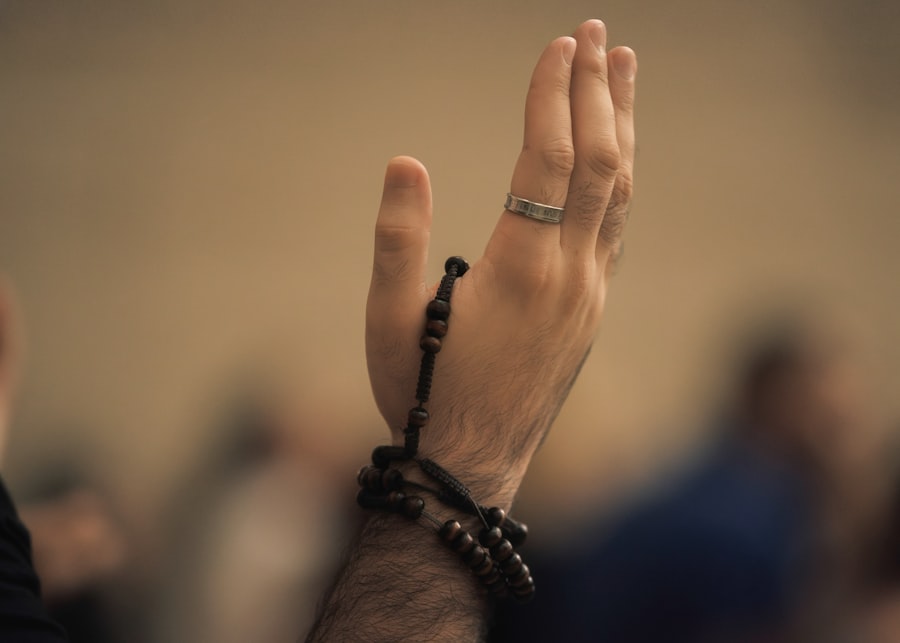
While spiritual practices can be immensely rewarding, there are instances when they may take a turn for the worse. You might find yourself caught up in a practice that becomes obsessive or controlling, leading to negative consequences in your life. This shift can occur gradually, often without your immediate awareness.
What once served as a source of comfort and guidance may morph into a source of anxiety or distress. Dangerous spiritual practices can manifest in various ways, including the adoption of extreme beliefs or the isolation from friends and family. You may feel compelled to adhere strictly to certain doctrines or rituals, which can create an unhealthy dynamic in your life.
It is crucial to remain vigilant and self-aware as you navigate your spiritual journey, ensuring that your practices continue to serve your well-being rather than detract from it.
Warning Signs of Dangerous Spiritual Practice
Recognizing the warning signs of dangerous spiritual practice is essential for maintaining a healthy relationship with your spirituality. One of the first indicators may be an increasing sense of guilt or shame associated with your beliefs or practices. If you find yourself feeling inadequate or unworthy because you cannot meet certain expectations—whether self-imposed or external—it may be time to reevaluate your approach.
Another warning sign could be a growing sense of isolation from those around you. If you notice that your spiritual pursuits are causing rifts in your relationships or leading you to withdraw from social interactions, it may be an indication that your practice has become unhealthy.
Physical Warning Signs
| Aspect | Indicator | Description | Potential Risk |
|---|---|---|---|
| Psychological Health | Increased Anxiety or Paranoia | Spiritual practice leads to heightened fear, anxiety, or paranoia instead of peace. | Development of mental health disorders or emotional instability. |
| Social Relationships | Isolation from Friends and Family | Practitioner withdraws from social connections due to spiritual beliefs or group pressure. | Loneliness, loss of support network, and social alienation. |
| Physical Health | Neglect of Basic Needs | Ignoring nutrition, sleep, or medical care in favor of spiritual activities. | Physical deterioration or serious health complications. |
| Financial Stability | Excessive Spending on Spiritual Goods | Large financial contributions or purchases driven by spiritual leaders or beliefs. | Financial hardship or exploitation. |
| Autonomy | Loss of Personal Boundaries | Pressure to conform or obey spiritual authority without question. | Manipulation, loss of self-identity, and potential abuse. |
| Legal Issues | Engagement in Illegal Activities | Participation in rituals or acts that violate laws or ethical standards. | Legal consequences and social stigma. |
| Emotional Well-being | Feelings of Guilt or Shame | Spiritual teachings induce excessive guilt or shame over normal behaviors. | Low self-esteem and emotional distress. |
Physical manifestations can also serve as indicators that your spiritual practice has taken a dangerous turn. You might experience fatigue or exhaustion if you are overextending yourself in pursuit of spiritual goals. This could be due to excessive meditation sessions, fasting, or other practices that demand significant physical energy.
If you find yourself feeling drained rather than rejuvenated after engaging in these activities, it may be time to reassess their impact on your health. Additionally, changes in appetite or sleep patterns can signal an unhealthy relationship with your spiritual practice. You may notice that you are neglecting basic self-care needs in favor of pursuing spiritual experiences.
If you find yourself skipping meals or sacrificing sleep to engage in rituals or meditative practices, it is crucial to prioritize your physical well-being alongside your spiritual growth.
Emotional Warning Signs

Emotional warning signs can also indicate that your spiritual practice is becoming dangerous. You might experience heightened anxiety or fear related to your beliefs or practices. If you find yourself constantly questioning your worthiness or fearing judgment from others within your spiritual community, it may be time to take a step back and evaluate the impact these feelings have on your overall emotional health.
Moreover, if you notice an increase in feelings of anger or resentment towards those who do not share your beliefs, this could signal an unhealthy attachment to your spiritual identity. It is essential to cultivate compassion and understanding for others’ perspectives while remaining grounded in your own beliefs. Striking this balance can help prevent emotional turmoil and foster healthier relationships with those around you.
Psychological Warning Signs
Psychological warning signs can manifest as obsessive thoughts or compulsive behaviors related to your spiritual practice. You might find yourself preoccupied with rituals or doctrines to the point where they interfere with daily functioning. If you feel compelled to engage in specific practices out of fear rather than genuine desire, it may indicate an unhealthy dynamic at play.
Additionally, feelings of paranoia or delusions related to spiritual experiences can signal a dangerous shift in your practice. If you begin to perceive threats or conspiracies surrounding your beliefs or feel disconnected from reality due to extreme spiritual ideologies, it is crucial to seek help and reevaluate the direction of your journey.
Social Warning Signs
Social warning signs can emerge when your spiritual practice begins to isolate you from friends and family. You might notice that you are spending less time with loved ones or avoiding social gatherings because they do not align with your beliefs. This withdrawal can lead to feelings of loneliness and disconnection, which can further exacerbate any negative emotions associated with your practice.
Moreover, if you find yourself gravitating towards groups that promote exclusivity or intolerance towards others, it may indicate a dangerous shift in your spiritual journey. Healthy spirituality should encourage inclusivity and compassion rather than division and judgment. It is essential to remain open-minded and engage with diverse perspectives as you navigate your path.
Spiritual Warning Signs
Spiritual warning signs often manifest as a disconnection from the core values that initially drew you to your practice. You might find yourself becoming rigid in your beliefs or overly dogmatic about certain teachings. This rigidity can stifle personal growth and prevent you from exploring new ideas or perspectives that could enrich your understanding.
Additionally, if you begin to view spirituality as a means of escape rather than a tool for growth and self-discovery, it may signal an unhealthy relationship with your practice. Spirituality should empower you to confront challenges and embrace personal transformation rather than serve as a refuge from reality.
Addressing Dangerous Spiritual Practice
Addressing dangerous spiritual practices requires self-reflection and honesty about the impact they have on your life. You may need to take a step back and evaluate the motivations behind your engagement in certain practices. Are they genuinely serving your well-being, or have they become sources of stress and anxiety?
By asking yourself these questions, you can begin to identify areas for change. It may also be beneficial to seek guidance from trusted mentors or individuals who have experience navigating similar challenges.
Remember that it is okay to adjust or modify your practices as needed; spirituality is not a one-size-fits-all endeavor.
Seeking Help and Support
If you find yourself struggling with dangerous spiritual practices, seeking help and support is crucial for regaining balance in your life. You might consider reaching out to mental health professionals who specialize in spirituality or holistic approaches. They can provide guidance tailored to your unique experiences and help you navigate any psychological challenges that may arise.
Additionally, connecting with supportive communities—whether online or in-person—can offer encouragement and understanding as you work through these issues. Surrounding yourself with individuals who share similar values while also promoting healthy dialogue can create a nurturing environment for growth and healing. Remember that seeking help is not a sign of weakness; it is an essential step towards reclaiming a balanced and fulfilling spiritual journey.
When spiritual practice becomes dangerous, it often stems from a lack of guidance and understanding, leading individuals to engage in harmful behaviors or beliefs. For a deeper exploration of this topic, you can read the article on Unplugged Psych, which discusses the potential pitfalls of spiritual practices and how to navigate them safely. Check it out here: Unplugged Psych.
FAQs
What is considered a spiritual practice?
A spiritual practice refers to activities or rituals that individuals engage in to connect with their inner self, higher power, or the universe. Common examples include meditation, prayer, yoga, chanting, and mindfulness exercises.
When can a spiritual practice become dangerous?
A spiritual practice can become dangerous when it leads to physical harm, psychological distress, social isolation, or when it involves manipulation, coercion, or exploitation by leaders or groups. It may also be harmful if it causes neglect of medical treatment or encourages extreme behaviors.
What are some signs that a spiritual practice might be harmful?
Signs include increased anxiety or depression, withdrawal from family and friends, financial exploitation, loss of personal autonomy, physical injury, or pressure to conform to harmful beliefs or behaviors.
How can one ensure their spiritual practice remains safe?
To keep spiritual practices safe, individuals should maintain critical thinking, seek practices supported by credible sources, avoid groups that demand secrecy or obedience, consult healthcare professionals when needed, and stay connected with trusted friends and family.
Can spiritual practices replace medical treatment?
No, spiritual practices should not replace professional medical or psychological treatment. They can complement conventional care but should not be used as a substitute for evidence-based medical interventions.
What role do spiritual leaders play in the safety of spiritual practices?
Spiritual leaders have a responsibility to guide followers ethically and safely. Abuse of power, manipulation, or promoting harmful practices by leaders can make spiritual practices dangerous. It is important to choose leaders who are transparent, accountable, and respectful of individual boundaries.
Are there any psychological risks associated with spiritual practices?
Yes, some spiritual practices can trigger or exacerbate mental health issues, especially if done excessively or without proper guidance. Practices that involve intense emotional experiences or altered states of consciousness should be approached cautiously.
What should someone do if they feel harmed by a spiritual practice?
If someone feels harmed, they should seek support from trusted individuals, mental health professionals, or relevant authorities. It is important to prioritize personal safety and well-being and consider discontinuing the harmful practice.