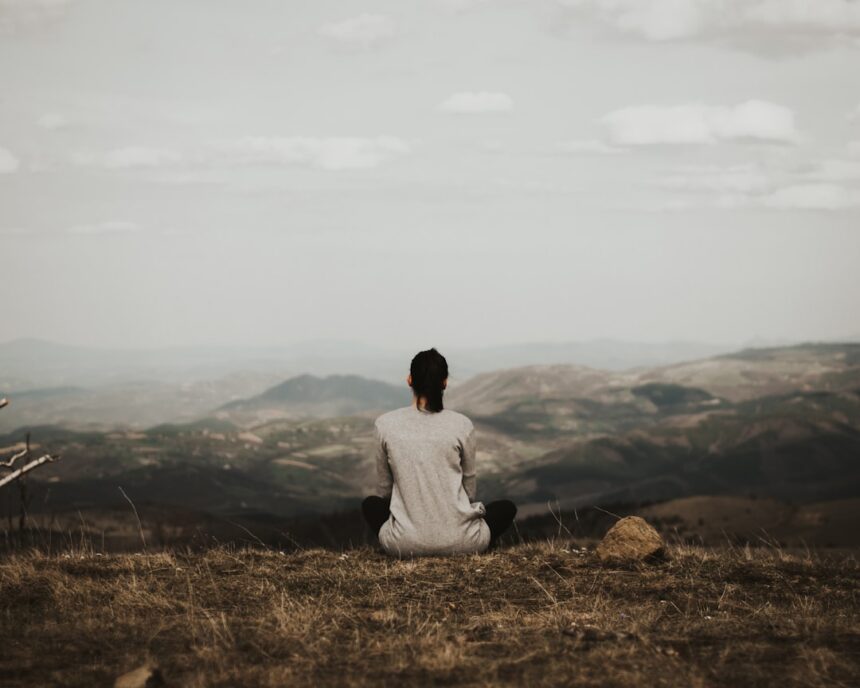
Meditation is a practice that has been shown to improve mental clarity, emotional regulation, and overall well-being. Research demonstrates that regular meditation can provide relief from daily stressors and help individuals develop greater self-awareness. Scientific studies have documented various benefits of meditation, including stress reduction, enhanced concentration, and increased feelings of calm.
Consistent practice, even for brief periods daily, can produce measurable changes in mental and emotional functioning. Meditation training develops mindfulness skills, which involve maintaining attention on present-moment experiences rather than dwelling on past events or future concerns. This focus on the present has been associated with increased self-awareness and improved emotional regulation.
Studies indicate that meditation practice can lead to structural and functional changes in the brain, supporting cognitive flexibility and emotional resilience. The practice serves as a method for developing greater understanding of mental processes and can facilitate personal development through increased awareness of thoughts, emotions, and behavioral patterns.
Key Takeaways
- Meditation offers numerous benefits but can also have potential negative effects, including triggering anxiety and panic attacks.
- Understanding anxiety and panic is crucial to recognizing how meditation might exacerbate these conditions.
- Mindfulness plays a complex role in anxiety, sometimes intensifying symptoms during meditation.
- Overcoming meditation-induced anxiety may require professional help and exploring alternative meditation techniques.
- Creating a balanced meditation practice is essential to safely navigate the potential dark side of meditation.
The Rise in Popularity of Meditation
In recent years, meditation has surged in popularity, becoming a mainstream practice embraced by individuals from all walks of life. You may have noticed its presence in various settings, from corporate offices to yoga studios, as more people recognize the value of incorporating mindfulness into their daily routines. This growing interest can be attributed to a combination of factors, including increased awareness of mental health issues and the desire for holistic approaches to well-being.
The accessibility of meditation has also played a significant role in its rise. With the advent of technology, guided meditations and mindfulness apps are now at your fingertips, making it easier than ever to start your practice. You can find resources tailored to your specific needs, whether you’re seeking stress relief, improved focus, or emotional healing.
As more individuals share their positive experiences with meditation, the practice continues to gain traction, fostering a community that values mental wellness and self-care.
The Potential Negative Effects of Meditation
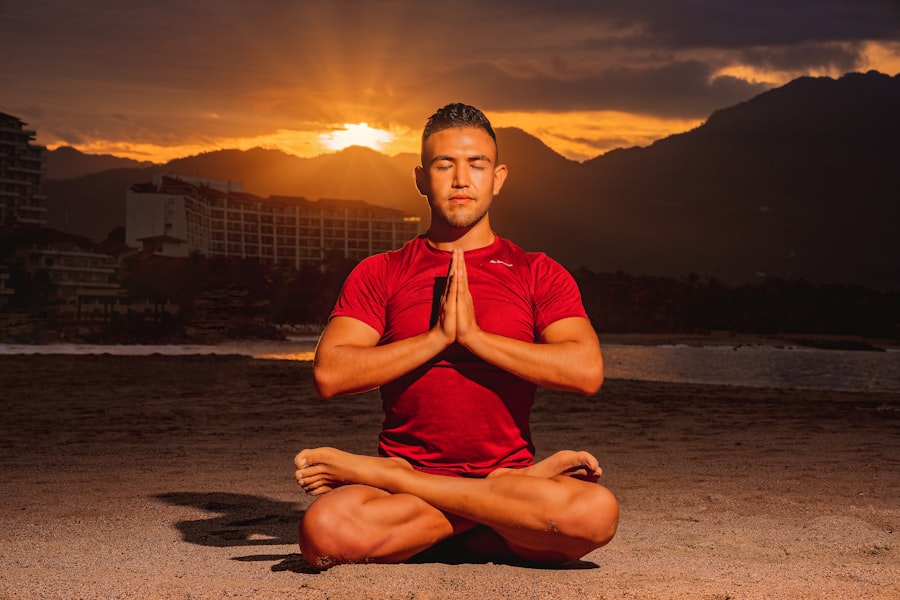
While meditation is often celebrated for its myriad benefits, it is essential to acknowledge that it can also have unintended negative effects. As you embark on your meditation journey, you may encounter challenges that can lead to discomfort or heightened anxiety. For some individuals, the process of turning inward can unearth unresolved emotions or traumatic memories, resulting in feelings of distress rather than tranquility.
Moreover, the expectations you set for yourself during meditation can contribute to frustration or disappointment. If you approach the practice with the belief that you must achieve a certain state of mind or experience profound insights, you may find yourself feeling inadequate when those expectations are not met.
Embracing this understanding can help mitigate the potential negative effects and allow you to cultivate a more compassionate relationship with your practice.
Understanding Anxiety and Panic Attacks
To navigate the complexities of meditation-induced anxiety, it is vital to understand what anxiety and panic attacks entail. Anxiety is a natural response to stress, characterized by feelings of worry or fear that can manifest physically and emotionally. You may experience symptoms such as rapid heartbeat, shortness of breath, or a sense of impending doom.
Panic attacks, on the other hand, are intense episodes of fear that can occur suddenly and without warning, often leading to overwhelming sensations that can be difficult to manage. Recognizing the triggers for your anxiety is an essential step in addressing it effectively. These triggers can vary widely from person to person; they may include specific situations, thoughts, or even physical sensations.
By developing an awareness of your unique triggers, you can begin to create strategies for coping with anxiety when it arises. Understanding the nature of anxiety and panic attacks empowers you to take control of your mental health and seek appropriate support when needed.
How Meditation Can Trigger Anxiety and Panic
| Side Effect | Description | Frequency | Impact on Anxiety/Panic | Notes |
|---|---|---|---|---|
| Increased Anxiety | Some individuals experience heightened anxiety during or after meditation sessions. | Occasional (5-10%) | Negative | Often linked to initial adjustment period or improper technique. |
| Panic Attacks | Meditation can sometimes trigger panic attacks in susceptible individuals. | Rare (1-3%) | Negative | More common in those with pre-existing panic disorder. |
| Dissociation | Feelings of detachment from reality or self during meditation. | Uncommon (3-5%) | Mixed | May cause discomfort but can also be therapeutic if managed properly. |
| Emotional Release | Sudden surfacing of suppressed emotions, which can be distressing. | Moderate (10-15%) | Mixed | Can initially increase anxiety but often leads to long-term relief. |
| Improved Anxiety Symptoms | Reduction in anxiety and panic symptoms with regular meditation practice. | Common (60-70%) | Positive | Most studies support meditation as an effective anxiety management tool. |
While meditation is intended to promote relaxation and mindfulness, it can paradoxically trigger anxiety or panic in some individuals. As you sit in stillness and turn your attention inward, you may confront thoughts or feelings that have been buried beneath the surface. This confrontation can be unsettling, leading to heightened anxiety rather than the calm you seek.
Additionally, certain meditation techniques may inadvertently exacerbate feelings of unease. For instance, focusing intently on your breath or attempting to silence your thoughts can create pressure that intensifies anxiety. If you find yourself struggling with these sensations during meditation, it is essential to approach your practice with gentleness and self-compassion.
Recognizing that these experiences are valid can help you navigate the complexities of meditation without judgment.
The Role of Mindfulness in Anxiety and Panic
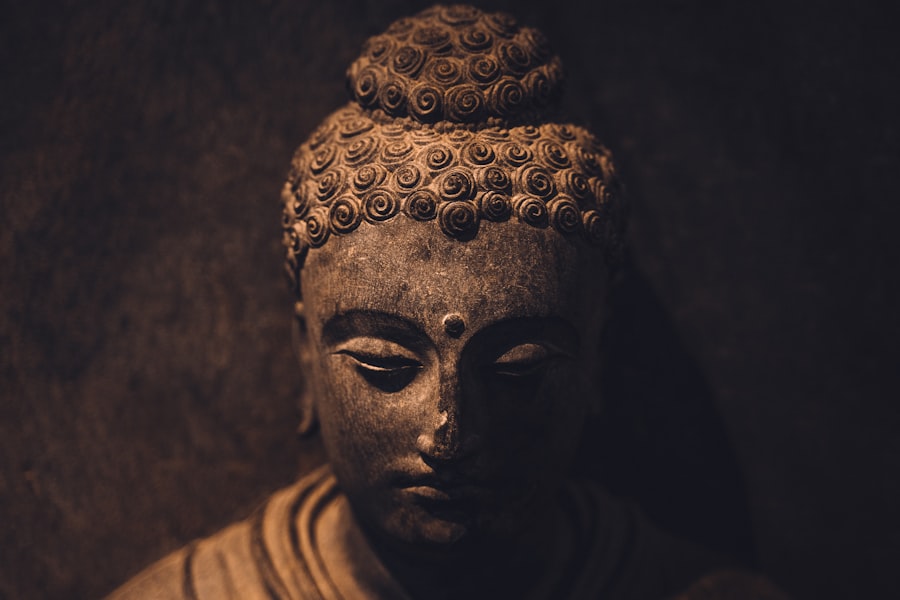
Mindfulness plays a crucial role in managing anxiety and panic attacks. By cultivating mindfulness through meditation, you learn to observe your thoughts and feelings without becoming entangled in them. This practice allows you to create space between yourself and your experiences, enabling you to respond rather than react impulsively.
When faced with anxiety or panic, mindfulness encourages you to acknowledge your feelings without judgment. Instead of resisting or suppressing these emotions, you can learn to accept them as part of your human experience. This acceptance can diminish the power that anxiety holds over you, allowing you to navigate challenging moments with greater ease.
By integrating mindfulness into your daily life, you can develop resilience and a deeper understanding of your emotional landscape.
Overcoming Anxiety and Panic Triggered by Meditation
If you find that meditation triggers anxiety or panic attacks for you, there are several strategies you can employ to overcome these challenges. First and foremost, it is essential to listen to your body and mind. If a particular technique feels overwhelming, consider modifying your approach or exploring alternative practices that resonate more positively with you.
Gradual exposure can also be beneficial in overcoming anxiety related to meditation. Start with shorter sessions or guided meditations that focus on relaxation rather than silence or deep introspection. As you build confidence in your practice, you can gradually increase the duration or intensity of your sessions.
Remember that there is no one-size-fits-all approach; finding what works best for you is key to cultivating a balanced meditation practice.
Seeking Professional Help for Meditation-Induced Anxiety
If meditation-induced anxiety becomes overwhelming or persistent, seeking professional help may be a necessary step in your journey toward healing. Mental health professionals can provide valuable support and guidance as you navigate the complexities of your experiences. They can help you develop coping strategies tailored to your unique needs and assist you in addressing any underlying issues contributing to your anxiety.
Therapeutic approaches such as cognitive-behavioral therapy (CBT) or mindfulness-based stress reduction (MBSR) can be particularly effective in managing anxiety related to meditation. These modalities offer practical tools for reframing negative thought patterns and fostering a healthier relationship with your emotions. Remember that seeking help is a sign of strength; prioritizing your mental health is essential for personal growth and well-being.
Alternative Meditation Techniques for Anxiety Sufferers
If traditional meditation practices do not resonate with you due to anxiety triggers, consider exploring alternative techniques designed specifically for anxiety sufferers. Gentle forms of meditation such as loving-kindness meditation or guided imagery can provide a more soothing experience while still promoting mindfulness. Movement-based practices like yoga or tai chi also offer an excellent alternative for those who find stillness challenging.
These practices combine physical movement with breath awareness, allowing you to release tension while cultivating mindfulness in a more dynamic way. Experimenting with different techniques can help you discover what resonates most with you and supports your mental well-being.
Creating a Balanced Meditation Practice
Creating a balanced meditation practice involves recognizing your unique needs and preferences while remaining open to exploration. Start by setting realistic goals for your practice; rather than aiming for perfection or lengthy sessions, focus on consistency and self-compassion. Even just a few minutes of mindful breathing each day can yield significant benefits over time.
Incorporating variety into your practice can also enhance its effectiveness. Experiment with different techniques—such as guided meditations, breathwork, or body scans—to find what resonates most with you on any given day. Additionally, consider integrating mindfulness into everyday activities like walking or eating; this approach allows you to cultivate awareness without the pressure of formal meditation sessions.
Navigating the Dark Side of Meditation
As you navigate the complexities of meditation and its potential pitfalls, remember that it is essential to approach your practice with compassion and understanding. While meditation offers numerous benefits for mental health and well-being, it is not without its challenges—especially for those who struggle with anxiety or panic attacks. Acknowledging these challenges allows you to create a more balanced approach that honors both your journey and your unique needs.
Ultimately, meditation is a personal exploration that requires patience and self-awareness. By remaining open to different techniques and seeking support when needed, you can cultivate a practice that enhances your life rather than detracts from it. Embrace the journey with curiosity and kindness toward yourself; this mindset will empower you as you navigate both the light and dark sides of meditation on your path toward greater well-being.
Meditation is often praised for its numerous benefits, including stress reduction and improved mental clarity. However, some individuals may experience side effects such as increased anxiety or panic during their practice. For a deeper understanding of these potential side effects, you can read more in the article on Unplugged Psych, which discusses the complexities of meditation and its impact on mental health. Check it out here: Meditation Side Effects: Anxiety and Panic.
FAQs
Can meditation cause anxiety or panic attacks?
While meditation is generally considered beneficial for reducing anxiety, some individuals may experience increased anxiety or panic symptoms during or after meditation, especially if they have a history of trauma or panic disorders.
Why might meditation trigger anxiety or panic in some people?
Meditation can sometimes bring suppressed thoughts or emotions to the surface, which may be distressing. Additionally, focusing inward or on the breath can sometimes lead to hyperawareness of bodily sensations, potentially triggering anxiety or panic in sensitive individuals.
Are certain types of meditation more likely to cause anxiety or panic?
Yes, some meditation practices that involve intense focus on bodily sensations or prolonged silence, such as mindfulness or Vipassana, may increase the likelihood of anxiety or panic in susceptible individuals. Guided meditations or practices with a supportive instructor may reduce this risk.
How can someone reduce the risk of anxiety or panic when meditating?
Starting with shorter sessions, practicing in a comfortable environment, using guided meditations, and gradually increasing meditation duration can help. It is also advisable to consult a healthcare professional if you have a history of anxiety or panic disorders before beginning meditation.
Should people with anxiety or panic disorders avoid meditation?
Not necessarily. Many people with anxiety benefit from meditation, but it is important to approach it cautiously. Consulting with a mental health professional and choosing appropriate meditation techniques can help minimize potential side effects.
What should I do if I experience anxiety or panic during meditation?
If you experience anxiety or panic, try to gently open your eyes, focus on grounding techniques such as feeling your feet on the floor, and take slow, deep breaths. It may also help to stop the meditation session and seek support from a mental health professional if symptoms persist.
Are there any long-term side effects of meditation related to anxiety or panic?
Long-term meditation practice is generally associated with reduced anxiety and improved emotional regulation. However, in rare cases, some individuals may experience persistent distress or worsening symptoms, highlighting the importance of personalized approaches and professional guidance.