
Spiritual healing refers to practices and approaches that address psychological and emotional well-being through connection with personal beliefs, values, and meaning-making systems. This form of healing typically involves integrating mental, physical, and spiritual aspects of health rather than focusing solely on symptoms or specific conditions. Research indicates that spiritual practices may contribute to stress reduction and improved coping mechanisms.
Studies have shown correlations between spiritual engagement and enhanced psychological resilience, though individual experiences vary significantly. Common spiritual healing approaches include meditation, prayer, mindfulness practices, and participation in faith communities or spiritual traditions. The practice often emphasizes personal reflection and the development of meaning and purpose in life.
Practitioners may report shifts in perspective regarding life challenges, viewing difficulties as opportunities for personal development rather than solely as obstacles. Some individuals find that spiritual practices help them develop improved emotional regulation and stress management skills. Spiritual healing approaches are diverse and may be integrated with conventional medical and psychological treatments.
The effectiveness of these practices depends on individual beliefs, cultural background, and personal preferences. While some people report significant benefits from spiritual healing practices, outcomes are subjective and not universally applicable to all individuals or conditions.
Key Takeaways
- Spiritual healing is essential for overall well-being and balance.
- Recognizing signs of spiritual imbalance helps initiate healing.
- Mindfulness and self-awareness are key tools in spiritual growth.
- Forgiveness and releasing past hurts promote inner peace.
- Integrating spiritual practices daily supports ongoing healing and connection.
Identifying the Signs of Spiritual Imbalance
Recognizing the signs of spiritual imbalance is crucial for embarking on your healing journey. You may notice feelings of disconnection or emptiness, as if something essential is missing from your life. This sense of void can manifest in various ways, such as persistent anxiety, depression, or a lack of purpose.
When you feel out of sync with your inner self, it can be challenging to find joy in everyday activities or maintain healthy relationships. Acknowledging these feelings is the first step toward understanding that you may need to realign your spiritual compass. Additionally, physical symptoms can often accompany spiritual imbalance.
You might experience fatigue, unexplained aches, or even chronic illnesses that seem to have no clear medical explanation. These manifestations can serve as signals from your body, urging you to pay attention to your spiritual health. By tuning into these signs, you can begin to explore the underlying issues that may be contributing to your sense of disconnection.
This awareness is essential for initiating the healing process and reclaiming your sense of wholeness.
Cultivating Self-Awareness and Mindfulness
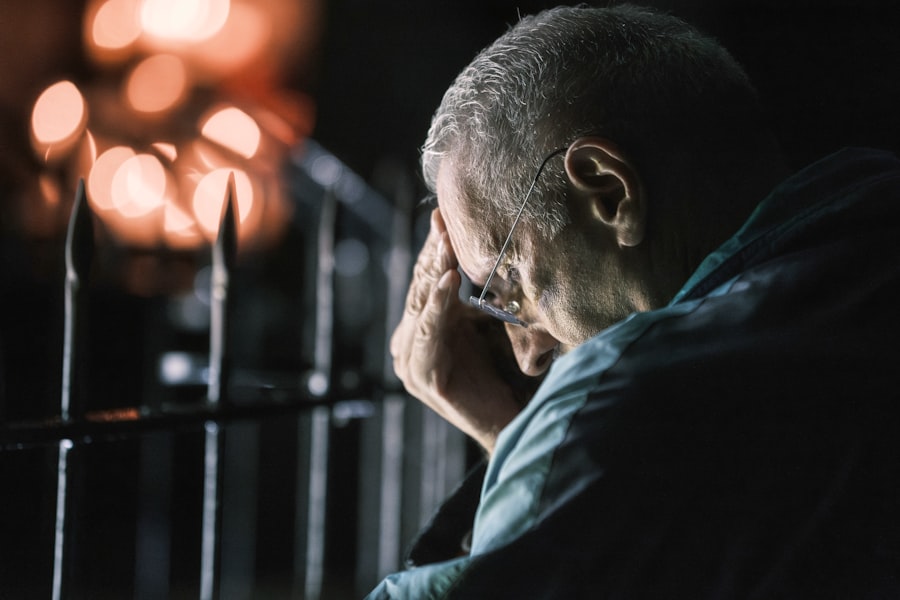
Cultivating self-awareness is a vital aspect of spiritual healing that allows you to delve deeper into your thoughts, emotions, and behaviors. By taking the time to reflect on your experiences and motivations, you can gain valuable insights into what drives you and what may be holding you back. This process often involves quiet introspection and honest self-examination, which can be facilitated through practices such as journaling or meditation.
As you become more attuned to your inner world, you may discover patterns that have long influenced your life choices. Mindfulness complements self-awareness by encouraging you to remain present in each moment. When you practice mindfulness, you learn to observe your thoughts and feelings without judgment, creating space for acceptance and understanding.
This practice can help you break free from negative thought cycles and cultivate a more compassionate relationship with yourself. By integrating mindfulness into your daily routine, you can enhance your spiritual journey, allowing for greater clarity and connection with your true essence.
Exploring Different Paths to Spiritual Healing
The journey of spiritual healing is deeply personal, and there are countless paths you can explore along the way. Each individual’s experience is unique, shaped by their beliefs, values, and life circumstances. You might find solace in traditional practices such as yoga or meditation, which have been used for centuries to promote inner peace and self-discovery.
Alternatively, you may be drawn to more contemporary approaches like energy healing or sound therapy, which offer innovative ways to restore balance and harmony within. As you explore different paths to spiritual healing, it’s essential to remain open-minded and curious. You may discover that certain practices resonate with you more than others, guiding you toward a deeper understanding of yourself and your spiritual needs.
Engaging with various modalities can also provide opportunities for growth and transformation, allowing you to experiment with what feels right for you. Ultimately, the key is to find a path that aligns with your values and supports your journey toward wholeness.
Embracing the Power of Forgiveness and Letting Go
| Stage | Duration | Key Activities | Emotional Focus | Support Resources | Expected Outcome |
|---|---|---|---|---|---|
| Recognition | 1-2 weeks | Identify spiritual crisis symptoms, acknowledge feelings | Awareness, acceptance | Journaling, trusted friends, spiritual mentors | Clear understanding of crisis onset |
| Exploration | 2-4 weeks | Reflect on beliefs, question assumptions, seek new perspectives | Curiosity, openness | Books, counseling, meditation, support groups | Expanded worldview and self-awareness |
| Processing | 4-8 weeks | Work through emotions, confront doubts, express feelings | Vulnerability, courage | Therapy, spiritual direction, creative outlets | Emotional clarity and reduced inner conflict |
| Integration | 6-12 weeks | Incorporate new insights, develop new practices | Commitment, hope | Community involvement, rituals, mindfulness practices | Renewed spiritual identity and purpose |
| Growth | Ongoing | Maintain practices, continue learning, support others | Resilience, compassion | Mentorship, ongoing education, service | Long-term spiritual well-being and fulfillment |
Forgiveness is a powerful tool in the realm of spiritual healing. It allows you to release the burdens of resentment and anger that can weigh heavily on your spirit. When you hold onto grudges or past hurts, they can create energetic blockages that hinder your growth and well-being.
By embracing forgiveness—whether it’s forgiving others or yourself—you create space for healing and renewal. This process may not always be easy; it often requires deep introspection and vulnerability. However, the rewards are profound as you liberate yourself from the chains of negativity.
Letting go is closely intertwined with forgiveness. It involves releasing attachments to past experiences that no longer serve you. This could mean letting go of toxic relationships, unhelpful beliefs, or even self-imposed limitations.
As you practice letting go, you may find that new opportunities arise in your life—opportunities that align more closely with your authentic self. Embracing this process can lead to a lighter heart and a clearer mind, allowing you to move forward on your spiritual journey with renewed energy and purpose.
Building a Supportive and Nurturing Community
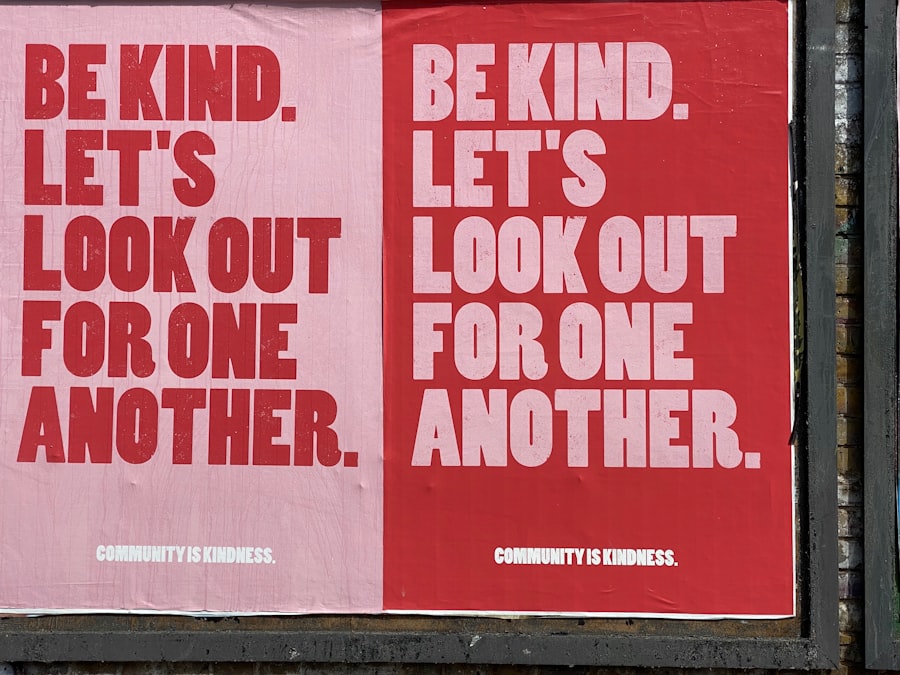
The importance of community in the realm of spiritual healing cannot be overstated. Surrounding yourself with like-minded individuals who share similar values can provide invaluable support as you navigate your journey. A nurturing community offers a safe space for sharing experiences, insights, and challenges without fear of judgment.
This sense of belonging fosters connection and encourages personal growth as you learn from one another’s journeys. In addition to emotional support, being part of a community can also provide opportunities for collective healing practices such as group meditations or workshops.
As you engage with others on similar paths, you may find inspiration and motivation that propels you further along your own journey. Building a supportive community is an essential step toward enhancing your spiritual well-being.
Practicing Self-Care and Self-Compassion
Self-care is an integral component of spiritual healing that often gets overlooked in our busy lives. Taking time for yourself—whether through relaxation techniques, hobbies, or simply enjoying nature—allows you to recharge and reconnect with your inner self. Prioritizing self-care sends a powerful message that your well-being matters, paving the way for deeper healing experiences.
You might consider creating a self-care routine that includes activities that nourish both your body and spirit. Self-compassion goes hand-in-hand with self-care; it involves treating yourself with kindness and understanding during difficult times. Instead of being overly critical or harsh on yourself when faced with challenges or setbacks, practice speaking to yourself as you would a dear friend.
This shift in perspective can foster resilience and promote emotional healing as you learn to embrace imperfections as part of the human experience. By cultivating self-care and self-compassion, you create a solid foundation for your spiritual journey.
Connecting with Higher Powers and Higher Self
Connecting with higher powers or your higher self can be a transformative aspect of spiritual healing. This connection often provides guidance, wisdom, and clarity as you navigate life’s complexities. You might explore various practices such as prayer, meditation, or visualization techniques to facilitate this connection.
These practices allow you to tap into a deeper source of knowledge that transcends everyday concerns. As you cultivate this relationship with higher powers or your higher self, trust becomes essential. Trusting in the process of life and surrendering control can lead to profound insights and revelations about your path.
This connection can also instill a sense of purpose and direction in your life, helping you align with your true calling. Embracing this aspect of spiritual healing opens doors to new possibilities and enriches your overall experience.
Honoring and Healing Past Traumas
Healing past traumas is often a crucial step in the journey toward spiritual wholeness. Traumatic experiences can leave deep emotional scars that affect how you perceive yourself and interact with others. Acknowledging these traumas is essential; it allows you to confront the pain rather than bury it beneath layers of denial or avoidance.
This process may involve seeking professional help or engaging in therapeutic practices that facilitate healing. As you honor your past traumas, it’s important to approach them with compassion rather than judgment. Allow yourself the space to feel emotions associated with these experiences without rushing toward resolution.
This gentle approach fosters an environment where true healing can occur—one where you learn from the past while releasing its hold on your present life. By honoring and healing past traumas, you pave the way for greater emotional freedom and spiritual growth.
Integrating Spiritual Practices into Daily Life
Integrating spiritual practices into your daily routine can significantly enhance your overall well-being. Simple rituals such as morning meditation or evening gratitude journaling can create anchors in your day that remind you of your spiritual journey. These practices help cultivate mindfulness and keep you connected to your inner self amidst life’s distractions.
Moreover, finding ways to incorporate spirituality into everyday activities—such as mindful eating or conscious breathing—can transform mundane moments into opportunities for connection and reflection. As you weave these practices into the fabric of your daily life, they become natural extensions of who you are rather than separate tasks on a checklist. This integration fosters a deeper sense of alignment between your daily actions and spiritual aspirations.
Embracing the Journey of Spiritual Healing
Embracing the journey of spiritual healing means recognizing that it is not a destination but an ongoing process filled with ups and downs. Each step along this path offers valuable lessons that contribute to your growth and understanding of yourself.
As you navigate this journey, remember that every experience—whether positive or negative—contributes to your overall evolution as a person. Embrace each moment as an opportunity for learning and growth; allow yourself the grace to stumble along the way without losing sight of your ultimate goal: achieving greater harmony within yourself and the universe around you. By embracing this journey wholeheartedly, you cultivate resilience and deepen your connection to both yourself and the world at large.
After experiencing a spiritual crisis, many individuals seek guidance on how to navigate their recovery journey. A valuable resource that outlines a comprehensive recovery roadmap is available on Unplugged Psych. This article provides insights and practical steps to help individuals regain their sense of self and purpose. For more information, you can read the article [here](https://www.unpluggedpsych.com/).
FAQs
What is a spiritual crisis?
A spiritual crisis, also known as a spiritual emergency, is a period of intense inner turmoil and questioning related to one’s spiritual beliefs, values, or sense of meaning. It can involve feelings of confusion, despair, or disconnection from previously held spiritual or religious frameworks.
What are common signs of a spiritual crisis?
Common signs include deep existential questioning, feelings of isolation, anxiety or depression, loss of faith or spiritual identity, altered states of consciousness, and a sense of disorientation or meaninglessness.
How long does a spiritual crisis typically last?
The duration varies widely depending on the individual and circumstances. It can last from a few weeks to several months or even years. Recovery is a gradual process that involves personal growth and integration.
What is a recovery roadmap after a spiritual crisis?
A recovery roadmap is a structured approach or plan to help individuals navigate and heal from a spiritual crisis. It often includes steps such as self-reflection, seeking support, developing new spiritual practices, and integrating new insights into daily life.
What are effective steps in recovering from a spiritual crisis?
Effective steps may include acknowledging the crisis, seeking guidance from trusted spiritual advisors or mental health professionals, practicing mindfulness or meditation, journaling, connecting with supportive communities, and allowing time for healing and transformation.
Can professional help assist in recovery from a spiritual crisis?
Yes, mental health professionals, especially those familiar with spiritual issues, can provide valuable support. Therapists, counselors, or spiritual directors can help individuals process their experiences and develop coping strategies.
Is a spiritual crisis always negative?
Not necessarily. While challenging, a spiritual crisis can lead to significant personal growth, deeper understanding, and a more authentic spiritual life once resolved.
How can one prevent a spiritual crisis?
Prevention is not always possible, but maintaining regular spiritual practices, seeking community support, staying open to new perspectives, and addressing emotional or psychological issues early can help reduce the risk.
Are there any recommended resources for recovery after a spiritual crisis?
Books on spiritual emergencies, support groups, workshops, and counseling services specializing in spiritual issues are commonly recommended. Resources vary depending on individual beliefs and needs.
Is it normal to feel isolated during a spiritual crisis?
Yes, feelings of isolation are common because the experience can be deeply personal and difficult to share. Connecting with others who understand or professional support can help alleviate this isolation.