Déjà vu is a psychological phenomenon characterized by the sensation that a current experience has been previously encountered, despite knowing it is new. The term originates from French, literally meaning “already seen.” This momentary feeling typically occurs suddenly and briefly, creating a sense of familiarity with an objectively new situation. Scientific research suggests several potential neurological explanations for déjà vu.
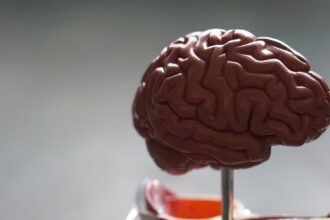
One prominent theory attributes it to a temporary neural misfiring in memory processing systems, where the brain incorrectly categorizes a new experience as a memory. Neuroimaging studies have implicated the temporal lobe, particularly the hippocampus and amygdala, which are critical structures for memory formation and emotional processing. Demographic studies indicate that déjà vu experiences are more prevalent among young adults and tend to decrease with age.
Factors potentially associated with higher incidence include fatigue, stress, and certain neurological conditions. Research also suggests correlations with travel frequency and exposure to diverse environments, possibly due to increased opportunities for memory encoding and retrieval processes to overlap or malfunction.
Key Takeaways
- Deja vu may be linked to environmental stagnation and lack of novelty.
- Maintaining environmental hygiene can reduce feelings of deja vu and improve mental well-being.
- Introducing new and stimulating elements into daily routines helps enhance cognitive function.
- Embracing change and novelty supports a healthier mind and body.
- Practical strategies for environmental change can overcome deja vu and promote mental clarity.
The Role of Environmental Hygiene in Deja Vu
As you delve deeper into the concept of déjà vu, you might begin to consider how your surroundings influence your mental state. Environmental hygiene, which encompasses cleanliness and organization in your living and working spaces, plays a significant role in shaping your cognitive experiences. A cluttered or chaotic environment can lead to feelings of stress and distraction, potentially heightening the chances of experiencing déjà vu.
When your mind is preoccupied with external stimuli, it may struggle to process new information effectively, leading to confusion and misinterpretation. Maintaining a clean and organized environment can help create a sense of calm and clarity.
Additionally, a clean space can enhance your overall well-being, allowing you to engage more fully with your experiences. By prioritizing environmental hygiene, you can create a foundation for better cognitive function and emotional stability, ultimately minimizing the chances of encountering that disorienting feeling of familiarity.
Embracing Novelty as a Solution

In your quest to understand and manage déjà vu, embracing novelty can be an effective strategy. Novelty refers to new experiences or changes in routine that stimulate your senses and challenge your brain. When you expose yourself to fresh ideas, activities, or environments, you create opportunities for growth and learning.
This influx of new stimuli can help prevent the stagnation that often leads to feelings of déjà vu. By actively seeking out novel experiences, you can keep your mind engaged and reduce the likelihood of confusion. You might consider incorporating novelty into various aspects of your life.
This could involve trying out new hobbies, exploring different cuisines, or even rearranging your living space. Each small change can have a significant impact on your mental state, fostering creativity and enhancing cognitive function. By embracing novelty, you not only combat the potential for déjà vu but also enrich your life with diverse experiences that contribute to personal growth and fulfillment.
Creating a Clean and Stimulating Environment
To effectively manage déjà vu and enhance your cognitive function, creating a clean and stimulating environment is essential. Start by decluttering your space; remove items that no longer serve a purpose or bring you joy. A tidy environment allows for clearer thinking and reduces distractions, enabling you to focus on the present moment.
You may find that a clean space fosters a sense of peace and order, which can be beneficial for mental clarity. In addition to cleanliness, consider how you can make your environment more stimulating. Incorporate elements that inspire creativity and curiosity—artwork that resonates with you, plants that bring life to your space, or even books that challenge your thinking.
By surrounding yourself with stimulating visuals and engaging materials, you create an atmosphere conducive to exploration and learning. This combination of cleanliness and stimulation can significantly enhance your cognitive function while reducing the chances of experiencing déjà vu.
The Impact of Novelty on Cognitive Function
| Metric | Description | Value | Unit | Notes |
|---|---|---|---|---|
| Deja Vu Frequency | Number of deja vu experiences reported per 1000 individuals | 68 | Occurrences/1000 people | Based on survey data from general population |
| Environmental Hygiene Index | Measure of cleanliness and sanitation in public spaces | 78 | Score (0-100) | Higher score indicates better hygiene |
| Novelty Perception Rate | Percentage of individuals reporting new or unique experiences daily | 35 | % | Reflects exposure to novel stimuli |
| Correlation: Deja Vu & Novelty | Statistical correlation coefficient between deja vu frequency and novelty perception | 0.42 | r-value | Moderate positive correlation |
| Impact of Environmental Hygiene on Novelty | Effect size of hygiene conditions on novelty perception | 0.28 | Cohen’s d | Small to moderate effect |
As you explore the relationship between novelty and cognitive function, it’s important to recognize how new experiences can invigorate your brain. Engaging in novel activities stimulates neural pathways, promoting brain plasticity—the ability of your brain to adapt and reorganize itself in response to new information. This adaptability is crucial for maintaining cognitive health as you age.
When you expose yourself to new challenges or experiences, you encourage your brain to form new connections, enhancing memory retention and problem-solving skills. Moreover, novelty can also boost your mood and overall mental well-being. Engaging in new activities releases dopamine, a neurotransmitter associated with pleasure and reward.
This chemical reaction not only makes you feel good but also reinforces positive behaviors, encouraging you to seek out more novel experiences in the future. By prioritizing novelty in your life, you not only combat feelings of déjà vu but also cultivate a more vibrant and fulfilling existence.
Incorporating Novelty into Daily Routines

Incorporating novelty into your daily routines doesn’t have to be overwhelming; small changes can make a significant difference in breaking the monotony of everyday life. Start by altering your daily habits—take a different route to work, try a new coffee shop, or experiment with a new recipe for dinner. These seemingly minor adjustments can provide fresh perspectives and stimulate your mind in unexpected ways.
You might also consider setting aside time each week for dedicated exploration—whether it’s visiting a museum, attending a workshop, or simply taking a walk in a new neighborhood. By intentionally seeking out novel experiences, you create opportunities for growth and learning while reducing the likelihood of encountering déjà vu. Embracing change in your daily routine not only enhances cognitive function but also enriches your life with diverse experiences that contribute to personal fulfillment.
Environmental Hygiene and Mental Well-being
The connection between environmental hygiene and mental well-being cannot be overstated. A clean and organized environment has been shown to reduce stress levels and promote feelings of calmness. When your surroundings are clutter-free, it becomes easier to focus on tasks at hand without being distracted by visual chaos.
This clarity can lead to improved productivity and overall satisfaction in both personal and professional endeavors. Moreover, maintaining good environmental hygiene can positively impact your emotional health. A clean space often reflects self-care and attention to detail, which can boost self-esteem and foster a sense of accomplishment.
When you take pride in your environment, it can translate into other areas of your life, encouraging healthier habits and more positive interactions with others. By prioritizing environmental hygiene, you create a foundation for mental well-being that supports cognitive function and reduces the likelihood of experiencing déjà vu.
Overcoming Deja Vu through Environmental Changes
If you’re seeking ways to overcome déjà vu, consider making intentional changes to your environment. As previously mentioned, clutter can contribute to feelings of confusion and disorientation; therefore, decluttering should be one of your first steps. By creating an organized space that reflects clarity and purpose, you may find it easier to engage with the present moment without being distracted by past memories or experiences.
Additionally, introducing new elements into your environment can help combat feelings of déjà vu. Rearranging furniture or adding decorative items can create a fresh perspective within familiar spaces.
These changes can help anchor you in the present while reducing the chances of experiencing that unsettling sense of familiarity.
Strategies for Introducing Novelty into Your Environment
To effectively introduce novelty into your environment, consider implementing specific strategies that align with your lifestyle and preferences. One approach is to designate certain days for exploration—whether it’s trying out new restaurants or visiting local attractions you’ve never seen before. By setting aside time for these activities, you create anticipation and excitement around novelty.
Another strategy involves engaging with different forms of media—reading books from genres you’re unfamiliar with or watching documentaries on topics outside your usual interests. This exposure not only broadens your knowledge but also stimulates critical thinking skills as you encounter new ideas and perspectives. By actively seeking out novelty in various forms, you enrich your environment while enhancing cognitive function.
The Connection Between Deja Vu and Environmental Stagnation
As you reflect on the connection between déjà vu and environmental stagnation, it becomes clear that our surroundings play a crucial role in shaping our mental experiences. When you find yourself stuck in repetitive routines or surrounded by familiar environments for extended periods, it can lead to feelings of monotony and confusion—often manifesting as déjà vu. This stagnation hinders cognitive growth and limits opportunities for new experiences.
To break free from this cycle, it’s essential to recognize when environmental stagnation occurs and take proactive steps toward change. Whether it’s rearranging furniture or exploring new hobbies, introducing variety into your life can help combat feelings of déjà vu while fostering personal growth. By embracing change as an opportunity for exploration rather than something to fear, you empower yourself to create a more dynamic existence.
Embracing Change for a Healthier Mind and Body
Ultimately, embracing change is key to cultivating a healthier mind and body. By prioritizing environmental hygiene and actively seeking out novel experiences, you create an environment conducive to cognitive function while reducing the likelihood of encountering déjà vu. Change may feel uncomfortable at times; however, it is through these moments of discomfort that growth occurs.
As you navigate through life’s challenges and opportunities for change arise, remember that each step taken toward novelty contributes not only to personal development but also enhances overall well-being. Embrace the unknown with open arms; allow yourself to explore new horizons while fostering an environment that supports mental clarity and emotional stability. In doing so, you’ll cultivate a richer existence filled with diverse experiences that nourish both mind and body.
In exploring the intriguing phenomenon of déjà vu, one can also consider the importance of environmental hygiene in shaping our experiences and perceptions. A related article that delves into the psychological aspects of our surroundings can be found at this link. It discusses how our environment can influence our mental state and potentially trigger feelings of familiarity, much like déjà vu itself.
FAQs
What is environmental hygiene?
Environmental hygiene refers to the practices and conditions that help maintain a clean and healthy environment. This includes proper waste management, sanitation, pollution control, and maintaining cleanliness in public and private spaces to prevent disease and promote well-being.
What does the term “deja vu” mean in the context of environmental hygiene?
In this context, “deja vu” may refer to the recurring challenges or familiar patterns observed in environmental hygiene efforts. It highlights how certain issues or solutions seem to repeat over time, emphasizing the need for innovative approaches to address persistent environmental health problems.
Why is novelty important in environmental hygiene?
Novelty in environmental hygiene involves introducing new methods, technologies, or strategies to improve cleanliness and reduce environmental health risks. Innovation is crucial for overcoming existing challenges, enhancing efficiency, and adapting to changing environmental conditions.
What are some examples of novel approaches in environmental hygiene?
Examples include the use of advanced air and water purification technologies, smart waste management systems, eco-friendly cleaning agents, and digital monitoring tools that track hygiene levels in real-time to ensure better environmental health outcomes.
How does environmental hygiene impact public health?
Good environmental hygiene reduces the spread of infectious diseases, minimizes exposure to harmful pollutants, and creates safer living conditions. This leads to lower healthcare costs, improved quality of life, and overall better public health.
Can environmental hygiene practices help combat climate change?
Yes, certain environmental hygiene practices, such as proper waste management and pollution control, can reduce greenhouse gas emissions and environmental degradation, thereby contributing to climate change mitigation efforts.
Who is responsible for maintaining environmental hygiene?
Maintaining environmental hygiene is a shared responsibility among individuals, communities, businesses, and government authorities. Effective collaboration ensures sustainable hygiene practices and healthier environments.
What challenges exist in implementing novel environmental hygiene solutions?
Challenges include financial constraints, lack of awareness or education, resistance to change, technological limitations, and the need for policy support to scale up innovative hygiene practices effectively.