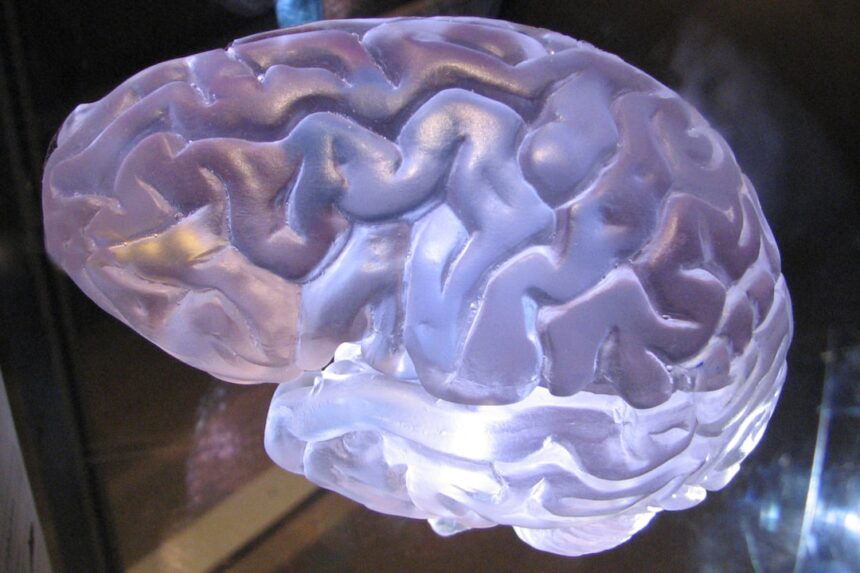
Temporal lobe epilepsy (TLE) is a neurological disorder affecting the temporal lobes of the brain, regions responsible for processing sensory information and memory formation. TLE represents one of the most prevalent forms of epilepsy in adults and is characterized by recurrent seizures originating from the temporal lobe structures. The temporal lobes contain critical areas for memory consolidation, emotional processing, and language comprehension.
When seizures occur in these regions, they can produce complex symptoms that significantly impact cognitive function and daily activities. TLE seizures typically manifest as focal seizures, which may remain localized to the temporal lobe or spread to other brain regions. Common manifestations of TLE include altered consciousness, automatisms (repetitive, purposeless movements), and various sensory phenomena.
Many patients experience auras—warning signs that precede seizures—which can include déjà vu sensations, unusual smells or tastes, rising epigastric sensations, or emotional changes such as fear or euphoria. The déjà vu aura, characterized by an intense feeling of familiarity with unfamiliar situations, occurs due to abnormal electrical activity in memory-related structures of the temporal lobe, particularly the hippocampus and surrounding areas.
Key Takeaways
- Temporal lobe epilepsy often includes a deja vu aura, a sensation of familiarity without actual memory.
- The deja vu aura is characterized by brief, intense feelings of having experienced a moment before.
- Causes of temporal lobe epilepsy include brain injury, infections, and genetic factors.
- Diagnosis involves EEG monitoring and brain imaging to identify seizure activity.
- Treatment options range from medication to surgery, with ongoing research improving management strategies.
What is the Deja Vu Aura?
The déjà vu aura is a fascinating phenomenon often experienced by individuals with temporal lobe epilepsy. If you have ever felt an overwhelming sense of familiarity in a situation that you know you have never encountered before, you may have experienced déjà vu. In the context of TLE, this sensation can serve as an aura—a warning sign that a seizure is imminent.
The déjà vu aura can be both intriguing and disconcerting, as it blurs the lines between reality and memory. When you experience a déjà vu aura, it may feel as though time has folded in on itself, creating a moment where past and present collide. This sensation can be accompanied by vivid memories or emotions that seem to arise from nowhere.
For many individuals with TLE, these experiences are not just fleeting moments; they can be intense and disorienting, often leading to confusion about what is real and what is imagined. Understanding this aura is crucial for recognizing the onset of a seizure and preparing for its potential impact.
Symptoms and Characteristics of the Deja Vu Aura
The symptoms associated with the déjà vu aura can vary significantly from person to person. You might find that your experience includes a strong sense of familiarity, often accompanied by specific sensory perceptions such as smells or sounds that seem oddly familiar. Some individuals report feeling an emotional connection to the moment, as if they are reliving a cherished memory or a significant event from their past.
This emotional component can amplify the intensity of the déjà vu experience, making it even more profound. In addition to these sensations, you may also notice physical symptoms accompanying the déjà vu aura. These can include changes in heart rate, feelings of anxiety, or even a sense of detachment from your surroundings.
The combination of these symptoms can create a unique experience that is both captivating and unsettling. Recognizing these characteristics can help you differentiate between a typical moment of déjà vu and one that signals an impending seizure, allowing for better management of your condition.
Causes and Triggers of Temporal Lobe Epilepsy
Understanding the causes and triggers of temporal lobe epilepsy is essential for managing your condition effectively. TLE can arise from various factors, including structural abnormalities in the brain, genetic predispositions, or previous head injuries. If you have experienced trauma to your head or have a family history of epilepsy, you may be at a higher risk for developing TLE.
Additionally, certain medical conditions such as infections or tumors can also contribute to the onset of this type of epilepsy. Triggers for seizures can vary widely among individuals with TLE. You might find that stress, lack of sleep, or even specific visual stimuli can provoke a seizure.
Identifying your personal triggers is crucial for developing effective coping strategies. Keeping a seizure diary can help you track patterns and recognize what factors may lead to an increase in seizure activity. By understanding these causes and triggers, you can take proactive steps to minimize their impact on your life.
Diagnosing Temporal Lobe Epilepsy
| Metric | Value | Details |
|---|---|---|
| Prevalence of Temporal Lobe Epilepsy (TLE) | 60-70% | Percentage of all epilepsy cases attributed to TLE |
| Incidence of Déjà Vu Aura in TLE Patients | 30-50% | Proportion of TLE patients experiencing déjà vu as an aura |
| Average Duration of Déjà Vu Aura | 5-30 seconds | Typical length of déjà vu aura episodes |
| Common Brain Region Involved | Mesial Temporal Lobe (Hippocampus, Amygdala) | Areas implicated in generating déjà vu aura |
| Percentage of TLE Patients with Aura Before Seizure | 70-80% | Patients who experience any aura prior to seizure onset |
| Typical Age of Onset for TLE with Déjà Vu Aura | 10-30 years | Most common age range for symptom onset |
| Electroencephalogram (EEG) Findings | Interictal spikes in temporal regions | EEG pattern associated with TLE and aura |
| Response to Antiepileptic Drugs (AEDs) | 60-70% seizure control | Effectiveness of AEDs in managing TLE symptoms |
Diagnosing temporal lobe epilepsy typically involves a comprehensive evaluation by a healthcare professional specializing in neurology. If you suspect that you may have TLE, your doctor will likely begin with a detailed medical history and physical examination. They may ask about your seizure experiences, including their frequency, duration, and any accompanying symptoms like the déjà vu aura.
This information is crucial for forming an accurate diagnosis. In addition to your medical history, your doctor may recommend several diagnostic tests to confirm the presence of TLE. Electroencephalography (EEG) is one of the most common tests used to measure electrical activity in the brain and identify abnormal patterns associated with seizures.
Imaging studies such as magnetic resonance imaging (MRI) may also be conducted to visualize any structural abnormalities in the temporal lobes. By combining these assessments, your healthcare provider can arrive at a definitive diagnosis and develop an appropriate treatment plan tailored to your needs.
Treatment Options for Temporal Lobe Epilepsy
Once diagnosed with temporal lobe epilepsy, various treatment options are available to help manage your condition effectively. Antiepileptic medications are often the first line of defense against seizures. These medications work by stabilizing electrical activity in the brain and reducing the frequency and severity of seizures.
Your doctor will work closely with you to find the right medication or combination of medications that best suits your individual needs. In some cases, if medications prove ineffective or cause intolerable side effects, surgical options may be considered. Surgical interventions aim to remove the area of the brain responsible for seizure activity, particularly if it is localized within the temporal lobe.
While surgery is not suitable for everyone, it can provide significant relief for those who qualify. Additionally, other treatments such as vagus nerve stimulation or responsive neurostimulation may be explored as alternative options for managing TLE.
Managing and Coping with the Deja Vu Aura
Coping with the déjà vu aura can be challenging, especially when it serves as a precursor to seizures. Developing effective management strategies is essential for maintaining your quality of life. One approach is to practice mindfulness techniques that help ground you in the present moment when you experience déjà vu sensations.
Techniques such as deep breathing or focusing on your surroundings can help alleviate anxiety and provide reassurance during these episodes. Additionally, educating yourself about your condition can empower you to take control of your experiences. Understanding that déjà vu can signal an impending seizure allows you to prepare mentally and physically for what may come next.
You might also consider joining support groups or connecting with others who share similar experiences; this sense of community can provide valuable insights and coping strategies that resonate with your journey.
The Connection Between Memory and the Deja Vu Aura
The déjà vu aura has intriguing connections to memory processes within the brain. When you experience this sensation, it often feels as though your brain is accessing memories in an unusual way. Research suggests that the temporal lobes play a critical role in memory formation and retrieval; thus, disruptions in this area can lead to altered perceptions of familiarity.
Understanding this connection can shed light on why déjà vu occurs so frequently in individuals with temporal lobe epilepsy. As you explore this relationship further, consider how memory itself is not just a static repository of past experiences but rather an active process influenced by various factors such as emotions and context. The déjà vu aura serves as a reminder of how complex our cognitive processes are and how they can be affected by neurological conditions like TLE.
By recognizing this interplay between memory and perception, you can gain deeper insights into your experiences and how they relate to your overall condition.
The Impact of Temporal Lobe Epilepsy on Daily Life
Living with temporal lobe epilepsy can significantly impact various aspects of daily life. You may find that managing seizures becomes a central focus, affecting your ability to engage in activities you once enjoyed or even altering your social interactions. The unpredictability of seizures can lead to anxiety about when they might occur, which may cause you to avoid certain situations or environments altogether.
Moreover, the cognitive effects associated with TLE—such as difficulties with memory or concentration—can further complicate daily tasks. You might notice challenges in maintaining focus at work or school or struggle with remembering important information. These challenges can lead to feelings of frustration or isolation; however, understanding that these experiences are part of living with TLE can help foster resilience and encourage proactive coping strategies.
Research and Advances in Understanding Temporal Lobe Epilepsy
Ongoing research into temporal lobe epilepsy continues to enhance our understanding of this complex condition. Scientists are exploring various aspects of TLE, including its underlying mechanisms, potential genetic factors, and innovative treatment approaches.
Additionally, studies are investigating new medications and therapies aimed at improving seizure control while minimizing side effects. As research progresses, there is hope for more personalized treatment options tailored to individual needs based on genetic profiles or specific seizure types. Staying informed about these advancements can empower you to engage actively in discussions with your healthcare provider about potential treatment options that may benefit you.
Conclusion and Resources for Further Information
In conclusion, understanding temporal lobe epilepsy and its associated phenomena like the déjà vu aura is essential for managing this condition effectively. By recognizing symptoms, identifying triggers, and exploring treatment options, you can take proactive steps toward improving your quality of life. Remember that you are not alone on this journey; support networks and resources are available to help guide you through the complexities of living with TLE.
For further information on temporal lobe epilepsy, consider reaching out to organizations such as the Epilepsy Foundation or local support groups dedicated to epilepsy awareness and education. These resources can provide valuable insights into managing your condition while connecting you with others who share similar experiences. Embracing knowledge about TLE will empower you to navigate its challenges while fostering resilience and hope for the future.
Temporal lobe epilepsy is often associated with unique experiences, such as déjà vu auras, which can provide insight into the neurological underpinnings of this condition. For a deeper understanding of the psychological aspects related to epilepsy and its manifestations, you can explore the article on Unplugged Psych, which discusses various psychological phenomena and their connections to neurological disorders. Check it out here: Unplugged Psych.
FAQs
What is temporal lobe epilepsy?
Temporal lobe epilepsy (TLE) is a type of epilepsy that originates in the temporal lobes of the brain. It is characterized by recurrent, unprovoked seizures that often involve sensory disturbances, emotional changes, and sometimes loss of consciousness.
What is an aura in the context of epilepsy?
An aura is a subjective sensation or experience that occurs at the beginning of a seizure. It serves as a warning sign and can include various sensory, emotional, or cognitive symptoms depending on the seizure focus.
What does “déjà vu aura” mean in temporal lobe epilepsy?
A déjà vu aura refers to the sensation of having already experienced a current situation, which occurs as an aura before a seizure in some people with temporal lobe epilepsy. It is a common type of aura linked to abnormal activity in the temporal lobe.
Why do people with temporal lobe epilepsy experience déjà vu auras?
Déjà vu auras in TLE are believed to result from abnormal electrical activity in the temporal lobe regions involved in memory and familiarity processing, such as the hippocampus and parahippocampal gyrus.
Is déjà vu always a sign of epilepsy?
No, déjà vu is a common experience in the general population and is not always related to epilepsy. However, when déjà vu occurs frequently, intensely, or as part of other seizure symptoms, it may indicate temporal lobe epilepsy.
Can déjà vu auras help in diagnosing temporal lobe epilepsy?
Yes, the presence of déjà vu auras can be a useful clinical clue in diagnosing temporal lobe epilepsy, especially when combined with other symptoms and diagnostic tests like EEG and MRI.
How is temporal lobe epilepsy with déjà vu aura treated?
Treatment typically involves antiepileptic medications to control seizures. In some cases, if medications are ineffective, surgical options may be considered. Managing triggers and lifestyle adjustments can also help reduce seizure frequency.
Are déjà vu auras harmful or dangerous?
Déjà vu auras themselves are not harmful, but they indicate the onset of a seizure. Seizures can vary in severity and may pose risks depending on their type and frequency, so medical evaluation is important.
Can people with temporal lobe epilepsy control or prevent déjà vu auras?
While it may not be possible to completely prevent auras, effective seizure management through medication and lifestyle changes can reduce their occurrence. Identifying and avoiding seizure triggers can also help.
When should someone seek medical advice about déjà vu experiences?
If déjà vu experiences are frequent, intense, accompanied by other neurological symptoms, or interfere with daily life, it is advisable to seek medical evaluation to rule out epilepsy or other neurological conditions.