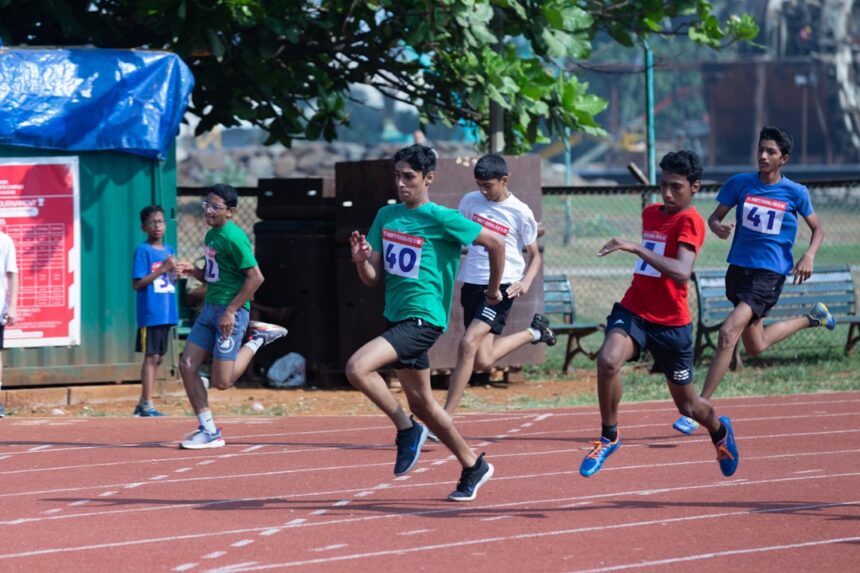
The runner-chaser dynamic is a common relationship pattern characterized by one partner withdrawing emotionally while the other pursues greater connection. In this dynamic, the “runner” creates distance when intimacy increases, while the “chaser” responds by intensifying efforts to maintain closeness. This creates a cyclical pattern of pursuit and avoidance that can persist throughout the relationship.
Research indicates this dynamic typically originates from distinct attachment styles and psychological factors. Runners often exhibit avoidant attachment patterns, experiencing discomfort with emotional vulnerability and intimacy. They may have learned to associate closeness with loss of autonomy or potential rejection.
Chasers frequently display anxious attachment behaviors, driven by fears of abandonment and needs for reassurance. They interpret the runner’s withdrawal as confirmation of their fears, which intensifies their pursuit behavior. The cycle perpetuates because each partner’s response reinforces the other’s core fears.
When the chaser pursues, it confirms the runner’s belief that relationships threaten independence, causing further withdrawal. When the runner distances themselves, it validates the chaser’s abandonment fears, leading to increased pursuit efforts. This pattern can continue indefinitely without intervention or awareness from both parties.
Key Takeaways
- The runner-chaser dynamic involves distinct roles where one partner pursues while the other withdraws, often creating a cycle of tension.
- Recognizing and understanding these roles and patterns is crucial for improving communication and relationship health.
- Setting clear boundaries and maintaining personal independence help both partners achieve balance within the dynamic.
- Effective communication and coping strategies are essential for managing rejection and healing past emotional wounds.
- Seeking professional support can provide guidance and tools to navigate and potentially transform the runner-chaser relationship.
Recognizing the Roles of the Runner and the Chaser
To navigate the runner-chaser dynamic effectively, it is essential to recognize the distinct roles each partner plays. As the chaser, you may find yourself constantly reaching out, seeking reassurance and connection. You might feel an intense desire to bridge the emotional gap created by the runner’s withdrawal.
This role can be exhausting, as it often involves a relentless pursuit of affection that may not always be reciprocated. Understanding this role allows you to reflect on your motivations and consider whether your actions are fostering a healthy relationship or perpetuating a cycle of anxiety and frustration. On the other hand, if you identify more with the runner role, you may experience a sense of overwhelm when faced with emotional intimacy.
The instinct to flee can be strong, driven by a fear of losing your independence or being hurt. Recognizing this tendency is vital for your personal growth, as it encourages you to confront your fears rather than avoid them. By acknowledging your role in the dynamic, you can begin to take steps toward healthier communication and emotional engagement.
Identifying Patterns in the Runner-Chaser Dynamic

As you explore the runner-chaser dynamic further, it becomes apparent that certain patterns often emerge within these relationships. One common pattern is the cyclical nature of pursuit and withdrawal. You may notice that during periods of closeness, everything feels perfect; however, as soon as vulnerability increases, the runner retreats, leaving you feeling abandoned and confused.
This cycle can create a sense of instability that makes it challenging to build a solid foundation for your relationship. Another pattern to consider is the emotional rollercoaster that often accompanies this dynamic. As a chaser, you might experience moments of intense hope followed by deep disappointment when your partner pulls away.
This emotional whiplash can lead to anxiety and insecurity, making it difficult for you to maintain a sense of self-worth. By identifying these patterns, you can begin to break free from the cycle and work toward healthier interactions that prioritize emotional safety and mutual respect.
Communicating Effectively in the Runner-Chaser Dynamic
Effective communication is paramount in navigating the complexities of the runner-chaser dynamic. As a chaser, it’s essential to express your feelings openly and honestly without placing blame on your partner. Instead of demanding answers or expressing frustration, consider approaching conversations with curiosity and empathy.
For instance, you might say something like, “I’ve noticed that when we get close, you tend to pull away. Can we talk about what’s going on?” This approach invites dialogue rather than defensiveness, creating a space for both partners to share their perspectives. For those in the runner role, communication can be equally challenging but is no less important.
It’s crucial to articulate your feelings and fears rather than simply withdrawing without explanation. By sharing your thoughts on why you feel overwhelmed or scared, you can help your partner understand your perspective better. This transparency fosters trust and encourages a more profound connection between both partners, allowing for a healthier dynamic overall.
Setting Boundaries in the Runner-Chaser Dynamic
| Metric | Description | Typical Values | Impact on Runner-Chaser Dynamic |
|---|---|---|---|
| Speed Differential (m/s) | Difference in speed between runner and chaser | 0.5 – 3.0 | Higher differential favors chaser’s ability to catch runner |
| Reaction Time (seconds) | Time taken by chaser to respond to runner’s movement | 0.2 – 0.5 | Lower reaction time improves chaser’s pursuit efficiency |
| Distance Gap (meters) | Initial distance between runner and chaser | 5 – 50 | Smaller gap increases likelihood of chaser catching runner |
| Endurance (minutes) | Duration runner or chaser can maintain speed | 5 – 30 | Greater endurance benefits sustained chase or escape |
| Agility (score 1-10) | Ability to change direction quickly | 4 – 9 | Higher agility helps runner evade and chaser pursue effectively |
| Environmental Complexity (scale 1-5) | Level of obstacles or terrain difficulty | 1 (open field) – 5 (dense forest) | Higher complexity favors runner’s evasion tactics |
Establishing boundaries is vital for both runners and chasers in order to create a healthier relationship environment. As a chaser, it’s important to recognize when your pursuit becomes excessive or detrimental to your well-being. Setting boundaries might involve limiting how much emotional energy you invest in someone who consistently withdraws or taking breaks from communication when you feel overwhelmed by anxiety.
By prioritizing your own needs, you empower yourself to engage in relationships that are more balanced and fulfilling. For runners, setting boundaries is equally essential. It’s important to communicate your limits regarding emotional intimacy and connection clearly.
If you need space or time alone to process your feelings, expressing this need can prevent misunderstandings and resentment from building up over time. By establishing clear boundaries, both partners can navigate their emotional landscapes more effectively while respecting each other’s needs.
Finding Balance in the Runner-Chaser Dynamic

Achieving balance within the runner-chaser dynamic requires conscious effort from both partners. As a chaser, it’s essential to cultivate self-awareness and recognize when your pursuit may be driven by fear rather than genuine connection. Engaging in self-care practices can help you build confidence and independence outside of the relationship, allowing you to approach interactions with a healthier mindset.
For runners, finding balance involves confronting fears of intimacy while also respecting their own need for space. It’s crucial to challenge any beliefs that equate vulnerability with weakness or loss of autonomy. By gradually allowing yourself to engage more deeply with your partner while maintaining healthy boundaries, you can foster a sense of security that benefits both individuals in the relationship.
Strategies for the Chaser to Maintain Independence
As a chaser in this dynamic, maintaining your independence is crucial for your emotional well-being. One effective strategy is to cultivate interests and hobbies outside of the relationship that bring you joy and fulfillment. Engaging in activities that resonate with you not only enhances your self-esteem but also provides a sense of purpose beyond seeking validation from your partner.
Additionally, surrounding yourself with supportive friends and family can help reinforce your sense of self-worth. Building a strong support network allows you to share your experiences and feelings without relying solely on your partner for emotional fulfillment. This independence fosters resilience and empowers you to approach the relationship from a place of strength rather than desperation.
Coping with Rejection in the Runner-Chaser Dynamic
Coping with rejection is an inevitable part of navigating the runner-chaser dynamic, especially for those in the chaser role. When faced with withdrawal or emotional distance from your partner, it’s essential to acknowledge your feelings without allowing them to define your self-worth. Remind yourself that rejection is not a reflection of your value as a person; rather, it often stems from your partner’s struggles with intimacy or commitment.
Developing healthy coping mechanisms can also aid in processing feelings of rejection. Journaling about your experiences or talking with trusted friends can provide an outlet for expressing emotions while gaining perspective on the situation. Engaging in mindfulness practices such as meditation or deep breathing exercises can help ground you during moments of distress, allowing you to navigate rejection with greater resilience.
Healing from Past Wounds in the Runner-Chaser Dynamic
Healing from past wounds is an essential step for both runners and chasers within this dynamic. As a chaser, it’s important to reflect on any past experiences that may influence your current behavior—such as previous relationships marked by abandonment or neglect. Acknowledging these wounds allows you to understand how they shape your reactions within the current relationship context.
For runners, healing often involves confronting fears rooted in past experiences that trigger their instinct to withdraw. Engaging in self-reflection or seeking therapy can provide valuable insights into these patterns and help facilitate personal growth. By addressing past wounds together as partners, both individuals can foster a deeper understanding of each other’s vulnerabilities and work toward building a more secure connection.
Seeking Professional Help for the Runner-Chaser Dynamic
In some cases, seeking professional help may be necessary for navigating the complexities of the runner-chaser dynamic effectively. A therapist or counselor can provide valuable guidance in unpacking underlying issues that contribute to this pattern while offering tools for healthier communication and emotional engagement. Therapy creates a safe space for both partners to explore their feelings without judgment.
A trained professional can facilitate discussions around fears and insecurities while helping both partners develop strategies for breaking free from unhealthy cycles. Seeking help demonstrates a commitment to personal growth and relationship improvement—an essential step toward fostering a more balanced connection.
Navigating the Future of the Runner-Chaser Relationship
As you navigate the future of a runner-chaser relationship, it’s essential to approach it with intention and awareness.
Establishing shared goals for emotional intimacy can help create a roadmap for growth while ensuring that both individuals feel heard and valued.
Ultimately, fostering a healthy relationship requires ongoing effort from both partners—whether they identify as runners or chasers. By prioritizing effective communication, setting boundaries, and engaging in self-reflection, you can work together toward building a more secure connection that transcends past patterns. Embracing vulnerability while respecting each other’s needs will pave the way for a future filled with love, understanding, and mutual support.
The runner-chaser dynamic is a fascinating aspect of relationships that often leads to a cycle of pursuit and withdrawal. For a deeper understanding of this phenomenon, you can explore the article on Unplugged Psych, which delves into the psychological underpinnings of these dynamics. Check it out here: Unplugged Psych.
FAQs
What is the runner chaser dynamic?
The runner chaser dynamic refers to a behavioral pattern often observed in relationships or social interactions where one person (the “runner”) tends to pull away or avoid closeness, while the other person (the “chaser”) pursues or seeks more connection. This dynamic can create a cycle of pursuit and withdrawal.
Why does the runner chaser dynamic occur?
This dynamic typically arises from differences in attachment styles, communication needs, or emotional comfort levels. The runner may fear intimacy or feel overwhelmed, while the chaser may desire reassurance and closeness, leading to a push-pull interaction.
Is the runner chaser dynamic unhealthy?
While common, the runner chaser dynamic can become unhealthy if it leads to persistent frustration, miscommunication, or emotional distress for either party. Awareness and open communication are key to addressing and balancing the dynamic.
How can couples manage the runner chaser dynamic?
Couples can manage this dynamic by fostering honest communication, setting boundaries, understanding each other’s needs, and possibly seeking therapy or counseling to develop healthier interaction patterns.
Can the runner chaser dynamic change over time?
Yes, with effort and mutual understanding, individuals can work to change their behaviors and attachment patterns, reducing the intensity of the runner chaser dynamic and building a more secure and balanced relationship.
Is the runner chaser dynamic only present in romantic relationships?
No, this dynamic can also appear in friendships, family relationships, and workplace interactions where one person seeks closeness and the other tends to withdraw.
What are some signs of the runner chaser dynamic?
Signs include one person frequently initiating contact or emotional discussions while the other avoids or withdraws, cycles of closeness followed by distance, and feelings of frustration or confusion about the relationship’s stability.