
Anxiety-induced depersonalization is a dissociative symptom characterized by feelings of detachment from one’s thoughts, emotions, and sense of identity. This condition typically occurs during episodes of heightened anxiety or panic attacks, resulting in sensations of observing oneself from an external perspective or feeling disconnected from one’s physical body. Individuals experiencing this phenomenon often report feeling unreal or as though they are living in a dreamlike state.
Research indicates that depersonalization is a relatively common symptom among individuals diagnosed with anxiety disorders, affecting approximately 26-74% of people with panic disorder. The symptom functions as a psychological defense mechanism, allowing the mind to create distance from overwhelming stress or emotional distress. Neurobiological studies suggest that depersonalization involves alterations in brain regions responsible for self-awareness and emotional processing, including the prefrontal cortex and limbic system.
When depersonalization occurs in conjunction with anxiety disorders, it can intensify existing symptoms and contribute to increased psychological distress. The condition may create a cycle where anxiety triggers depersonalization, which subsequently generates additional anxiety about the dissociative experience itself.
Key Takeaways
- Anxiety-induced depersonalization involves feeling detached from oneself, often triggered by intense anxiety.
- Common symptoms include feeling unreal, emotional numbness, and a distorted sense of time or body.
- Triggers can include stress, panic attacks, trauma, and prolonged anxiety.
- Coping strategies involve grounding techniques, mindfulness, and seeking professional therapy.
- Long-term effects may impact daily functioning, but proper management can reduce symptoms and improve quality of life.
Symptoms and Signs of Anxiety-Induced Depersonalization
The symptoms of anxiety-induced depersonalization can vary widely from person to person, but there are common signs that many individuals experience. You may notice a sense of unreality, as if the world around you is distorted or dreamlike. This can lead to feelings of detachment from your surroundings, making it difficult to engage fully with your environment.
You might also experience a diminished emotional response, where feelings seem muted or distant, leaving you feeling numb or disconnected from your own emotions. In addition to these emotional symptoms, physical sensations often accompany depersonalization. You may feel lightheaded, dizzy, or as if you are floating outside your body.
These sensations can be alarming and may trigger further anxiety, creating a vicious cycle that reinforces the feeling of depersonalization. Recognizing these symptoms is the first step toward understanding what you are experiencing and seeking appropriate support.
Causes and Triggers of Anxiety-Induced Depersonalization
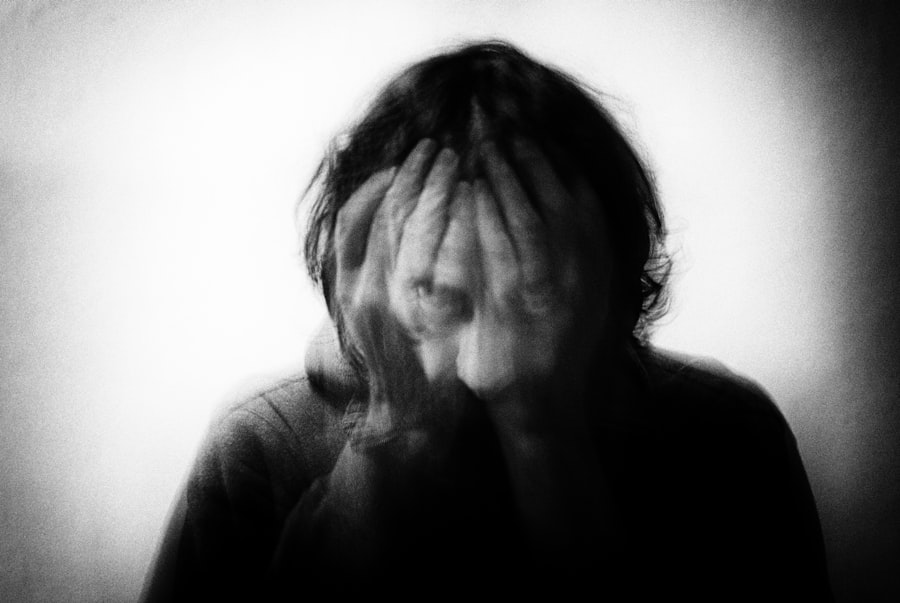
Anxiety-induced depersonalization can arise from various causes and triggers, often rooted in underlying anxiety disorders such as generalized anxiety disorder, panic disorder, or post-traumatic stress disorder (PTSD). High-stress situations, traumatic experiences, or prolonged periods of anxiety can act as catalysts for this phenomenon. You may find that certain environments or situations exacerbate your feelings of depersonalization, such as crowded places or high-pressure social interactions.
Additionally, lifestyle factors such as lack of sleep, substance use, or significant life changes can contribute to the onset of depersonalization. When your body and mind are under stress, they may react by dissociating from reality as a protective mechanism. Understanding these triggers can empower you to identify patterns in your experiences and take proactive steps to manage your anxiety more effectively.
How Anxiety-Induced Depersonalization Affects the Body and Mind
The effects of anxiety-induced depersonalization extend beyond mere feelings of detachment; they can significantly impact both your body and mind. On a physiological level, the stress response triggered by anxiety can lead to increased heart rate, muscle tension, and changes in breathing patterns. These physical symptoms can create a feedback loop that intensifies feelings of anxiety and depersonalization, making it challenging to regain a sense of control.
Mentally, the experience of depersonalization can lead to confusion and difficulty concentrating. You may struggle to focus on tasks or engage in conversations, feeling as though you are operating on autopilot. This cognitive dissonance can further fuel your anxiety, creating a cycle that feels difficult to break.
Recognizing how these effects manifest in your life is essential for developing strategies to cope with and manage your symptoms effectively.
The Relationship Between Anxiety and Depersonalization
| Metric | Description | Typical Range/Value | Notes |
|---|---|---|---|
| Prevalence Rate | Percentage of individuals experiencing anxiety-induced depersonalization | 26% – 74% (among anxiety disorder patients) | Varies by study and population |
| Duration of Episodes | Length of depersonalization episodes triggered by anxiety | Seconds to hours | Can be brief or prolonged depending on severity |
| Severity Score (Depersonalization Severity Scale) | Quantitative measure of depersonalization intensity | 0 (none) to 100 (severe) | Higher scores indicate more intense symptoms |
| Common Triggers | Situations or stimuli that induce depersonalization | Stress, panic attacks, trauma reminders | Often linked to acute anxiety episodes |
| Physiological Correlates | Biological markers associated with episodes | Increased heart rate, cortisol levels | Reflects stress response activation |
| Recovery Time | Time taken to return to baseline after episode | Minutes to days | Varies widely among individuals |
The relationship between anxiety and depersonalization is complex and multifaceted. Anxiety often serves as the precursor to depersonalization, with heightened levels of stress leading to feelings of disconnection from oneself. When faced with overwhelming emotions or situations, your mind may resort to depersonalization as a defense mechanism, allowing you to distance yourself from distressing thoughts or feelings.
This relationship can create a feedback loop where anxiety exacerbates feelings of depersonalization, which in turn increases anxiety levels. Understanding this dynamic is crucial for breaking the cycle. By addressing the root causes of your anxiety and implementing coping strategies, you can work toward reducing both anxiety and the associated feelings of depersonalization.
Coping Strategies for Dealing with Anxiety-Induced Depersonalization
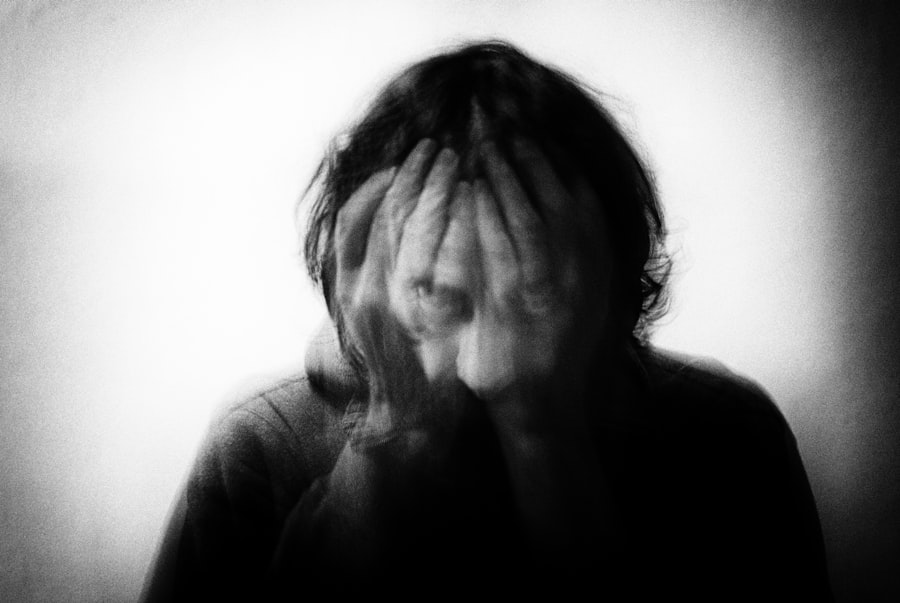
Coping with anxiety-induced depersonalization requires a multifaceted approach that addresses both the psychological and physiological aspects of your experience. One effective strategy is grounding techniques, which help anchor you in the present moment. Engaging in mindfulness practices such as deep breathing exercises or focusing on your senses can help you reconnect with your body and surroundings.
Another useful strategy is journaling about your experiences. Writing down your thoughts and feelings can provide clarity and help you process what you are going through. Additionally, seeking support from friends or family members who understand your struggles can create a sense of connection that counteracts feelings of isolation.
Remember that finding what works best for you may take time and experimentation.
Seeking Professional Help for Anxiety-Induced Depersonalization
If you find that anxiety-induced depersonalization significantly impacts your daily life, seeking professional help is an important step toward recovery. Mental health professionals can provide valuable insights into your experiences and offer tailored treatment options such as cognitive-behavioral therapy (CBT) or mindfulness-based therapies. These approaches can help you develop coping mechanisms and address the underlying anxiety contributing to your depersonalization.
Therapy can also provide a safe space for you to explore your feelings without judgment. A therapist can guide you through understanding the triggers of your anxiety and help you develop strategies to manage it effectively. Remember that seeking help is a sign of strength; it demonstrates your commitment to improving your mental health and well-being.
How Anxiety-Induced Depersonalization Can Impact Daily Life
The impact of anxiety-induced depersonalization on daily life can be profound. You may find it challenging to engage in social situations or perform tasks that once felt routine. This detachment can lead to avoidance behaviors, where you steer clear of situations that trigger feelings of anxiety or depersonalization.
Over time, this avoidance can limit your experiences and opportunities for connection with others. Moreover, the emotional toll of feeling disconnected from yourself can lead to increased frustration and sadness. You might struggle with feelings of loneliness or despair as you navigate the complexities of your mental health challenges.
Recognizing how these experiences affect your daily life is essential for fostering resilience and finding ways to reclaim a sense of normalcy.
Understanding the Connection Between Anxiety and Depersonalization
Understanding the connection between anxiety and depersonalization is crucial for managing both conditions effectively. Anxiety often manifests as a response to perceived threats or stressors in your environment. When these feelings become overwhelming, depersonalization may occur as a way for your mind to cope with the intensity of those emotions.
Developing skills to manage anxiety—such as relaxation techniques or cognitive restructuring—can help reduce the likelihood of experiencing depersonalization episodes. This holistic approach allows you to tackle the root causes of your distress while also addressing the symptoms that arise from it.
Long-Term Effects of Anxiety-Induced Depersonalization
The long-term effects of anxiety-induced depersonalization can vary depending on individual circumstances and coping strategies employed over time. For some individuals, persistent feelings of detachment may lead to chronic issues with self-identity or emotional regulation. You might find it increasingly difficult to connect with others or engage in meaningful relationships if feelings of depersonalization persist.
However, with appropriate support and coping mechanisms in place, many individuals can learn to manage their symptoms effectively over time. Engaging in therapy, practicing mindfulness techniques, and building a strong support network can all contribute to long-term recovery and improved mental health outcomes. It’s essential to remain hopeful and proactive in addressing these challenges.
Tips for Managing Anxiety and Reducing Depersonalization Symptoms
Managing anxiety and reducing symptoms of depersonalization requires a proactive approach that incorporates various strategies into your daily routine. One effective tip is to establish a regular practice of mindfulness meditation or yoga, which can help ground you in the present moment and reduce overall anxiety levels. These practices encourage self-awareness and promote relaxation, making it easier for you to cope with stressors.
Additionally, maintaining a healthy lifestyle through regular exercise, balanced nutrition, and adequate sleep can significantly impact your mental well-being. Physical activity releases endorphins that improve mood and reduce stress levels, while proper nutrition supports overall brain health. Finally, consider reaching out for support when needed; whether through friends, family, or professional help, connecting with others can provide comfort during challenging times.
In conclusion, understanding anxiety-induced depersonalization is essential for recognizing its impact on your life and finding effective coping strategies. By exploring the symptoms, causes, and relationships between anxiety and depersonalization, you empower yourself to take control of your mental health journey. Remember that seeking help is a vital step toward healing; with time and effort, it is possible to navigate these challenges successfully.
Anxiety-induced depersonalization can be a challenging experience for many individuals, often leading to feelings of disconnection from oneself and reality. For those seeking to understand this phenomenon better, a related article can be found on Unplugged Psych, which delves into the intricacies of anxiety and its effects on perception. You can read more about it in their insightful piece [here](https://www.unpluggedpsych.com/).
WATCH THIS 🛑 Depersonalization: Why 50% of People Feel ‘Unreal’ (And How to Fix It)
FAQs
What is anxiety-induced depersonalization?
Anxiety-induced depersonalization is a dissociative symptom where a person feels detached or disconnected from their own body or thoughts, often triggered by intense anxiety or panic attacks.
What are the common symptoms of depersonalization caused by anxiety?
Common symptoms include feeling like an outside observer of oneself, emotional numbness, a sense of unreality, distorted perception of time, and feeling disconnected from the environment.
How does anxiety lead to depersonalization?
During high anxiety or panic, the brain may trigger depersonalization as a coping mechanism to protect the individual from overwhelming stress, resulting in feelings of detachment or unreality.
Is anxiety-induced depersonalization a permanent condition?
No, anxiety-induced depersonalization is usually temporary and tends to resolve once the anxiety decreases or is effectively managed.
How is anxiety-induced depersonalization diagnosed?
Diagnosis is typically made through clinical evaluation by a mental health professional, who assesses symptoms, medical history, and rules out other causes such as neurological conditions.
What treatment options are available for anxiety-induced depersonalization?
Treatment often includes psychotherapy, such as cognitive-behavioral therapy (CBT), stress management techniques, and sometimes medication to address underlying anxiety.
Can lifestyle changes help reduce depersonalization symptoms?
Yes, lifestyle changes like regular exercise, adequate sleep, mindfulness practices, and avoiding substance use can help reduce anxiety and depersonalization symptoms.
When should someone seek professional help for depersonalization?
Professional help should be sought if depersonalization symptoms are persistent, distressing, interfere with daily life, or are accompanied by severe anxiety or other mental health concerns.
Is depersonalization the same as derealization?
No, depersonalization refers to feeling detached from oneself, while derealization involves feeling that the external world is unreal or distorted; both can occur together but are distinct experiences.
Can medication alone cure anxiety-induced depersonalization?
Medication can help manage anxiety symptoms but is usually most effective when combined with psychotherapy and lifestyle changes for treating depersonalization.