
The history of traditional chairs spans thousands of years, beginning with ancient civilizations where chairs functioned primarily as symbols of authority and status, reserved for rulers and elites. Early chairs were crafted from wood and stone, featuring detailed carvings that demonstrated the sophisticated craftsmanship of their era. Throughout history, chairs have transcended their utilitarian purpose to become significant cultural artifacts that reflect social hierarchies and artistic developments.
Traditional chair design has evolved considerably over time, responding to cultural shifts and technological innovations. During the medieval period in Europe, chairs became increasingly available to common people, transitioning from elaborate thrones to more practical designs suitable for wider production. The Renaissance brought renewed emphasis on craftsmanship, with artisans creating chairs that balanced functionality with aesthetic excellence.
This historical progression demonstrates how traditional chairs have continuously adapted to society’s changing requirements and preferences while maintaining their fundamental importance in daily life.
Key Takeaways
- Traditional chairs have a rich history rooted in classic design and craftsmanship.
- Modern chairs emphasize innovation, sleek design, and new materials.
- Comfort and functionality differ significantly between traditional and modern chair styles.
- Materials for traditional chairs often include wood and upholstery, while modern chairs use metal, plastic, and composites.
- Balancing tradition and modernism is key to achieving the perfect chair for home decor.
The Evolution of Modern Chairs
When you consider the evolution of modern chairs, it becomes clear that this journey is marked by innovation and a departure from traditional norms. The 20th century brought about a wave of design experimentation, fueled by movements such as Bauhaus and Mid-Century Modernism. These movements emphasized simplicity, functionality, and the use of new materials, leading to the creation of iconic chair designs that are still celebrated today.
As you explore this era, you will encounter names like Charles and Ray Eames, whose molded plywood chairs revolutionized the way we think about seating. Modern chairs are characterized by their clean lines and minimalist aesthetics, often prioritizing form over ornamentation.
This evolution has resulted in a diverse array of chair styles that cater to different tastes and preferences, making it easier for you to find a piece that resonates with your personal aesthetic.
Design Elements of Traditional Chairs
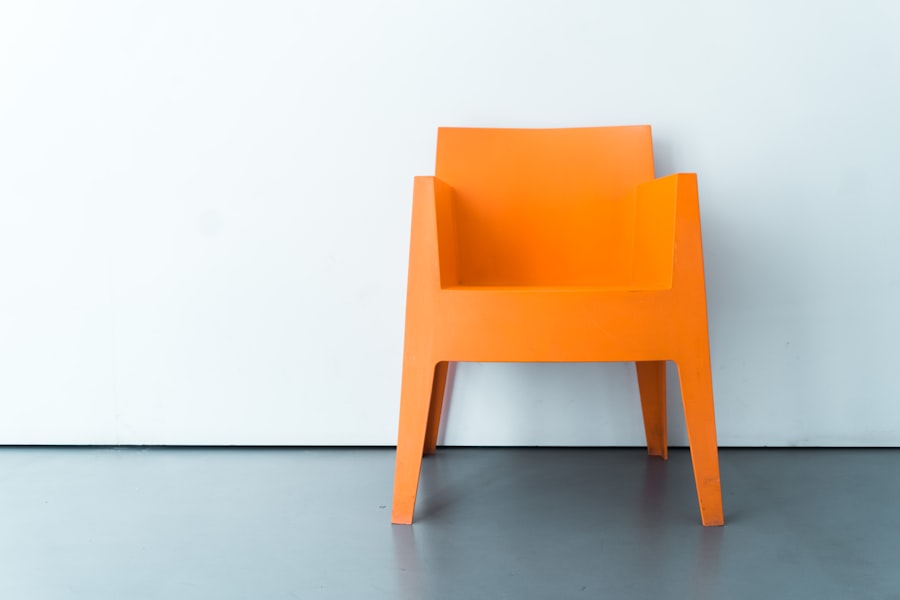
As you explore the design elements of traditional chairs, you will find that they are often rich in detail and craftsmanship. Traditional chairs frequently feature ornate carvings, intricate upholstery, and a variety of decorative elements that reflect the cultural heritage from which they originate. For instance, in Victorian-era England, chairs were often upholstered in luxurious fabrics like velvet or brocade, adorned with tassels and fringe that added to their opulence.
These design choices not only served an aesthetic purpose but also conveyed a sense of status and refinement. In addition to their decorative aspects, traditional chairs are often designed with specific functions in mind. For example, wingback chairs were created to provide warmth and comfort in drafty rooms, while rocking chairs offered a soothing motion for relaxation.
As you consider these design elements, it becomes evident that traditional chairs are not just about appearance; they are thoughtfully crafted pieces that serve practical purposes while also enhancing the beauty of a space.
Design Elements of Modern Chairs
When you turn your attention to modern chairs, you will notice a stark contrast in design philosophy compared to their traditional counterparts. Modern chairs often embrace minimalism, focusing on clean lines and functional forms. This approach allows for a greater emphasis on the materials used and the overall silhouette of the chair.
You may find that many modern designs utilize geometric shapes and asymmetrical forms to create visual interest without overwhelming the senses. Another key aspect of modern chair design is the integration of technology and innovation. Many contemporary chairs incorporate advanced materials such as molded plastics or metal alloys, allowing for unique shapes and structures that were previously unattainable.
As you explore these designs, you will see how they often prioritize comfort through ergonomic considerations, ensuring that they not only look good but also provide a pleasant seating experience. This blend of aesthetics and functionality is what sets modern chairs apart in today’s design landscape.
Comfort and Functionality in Traditional Chairs
| Metric | Description | Value | Unit |
|---|---|---|---|
| Argument Duration | Length of the two chairs representative argument | 15 | minutes |
| Number of Points Raised | Total distinct points made during the argument | 8 | points |
| Audience Engagement | Percentage of audience actively participating or responding | 65 | percent |
| Rebuttals Made | Number of counterarguments presented | 3 | count |
| Clarity Score | Rating of argument clarity by independent reviewers | 7.5 | out of 10 |
As you reflect on comfort and functionality in traditional chairs, it becomes clear that these elements have always been paramount in their design. Traditional chairs were crafted with an understanding of human anatomy and the need for support during long periods of sitting. You may find that many classic designs feature high backs and cushioned seats that provide both comfort and stability.
This attention to ergonomic principles ensures that traditional chairs can be enjoyed for hours without causing discomfort. Moreover, traditional chairs often serve specific functions within a home or public space. For instance, dining chairs are designed to complement dining tables while providing adequate support for meals shared with family and friends.
Similarly, armchairs are often placed in living rooms or reading nooks to create inviting spaces for relaxation. As you consider these functional aspects, it becomes evident that traditional chairs are not only beautiful but also serve essential roles in enhancing your daily life.
Comfort and Functionality in Modern Chairs
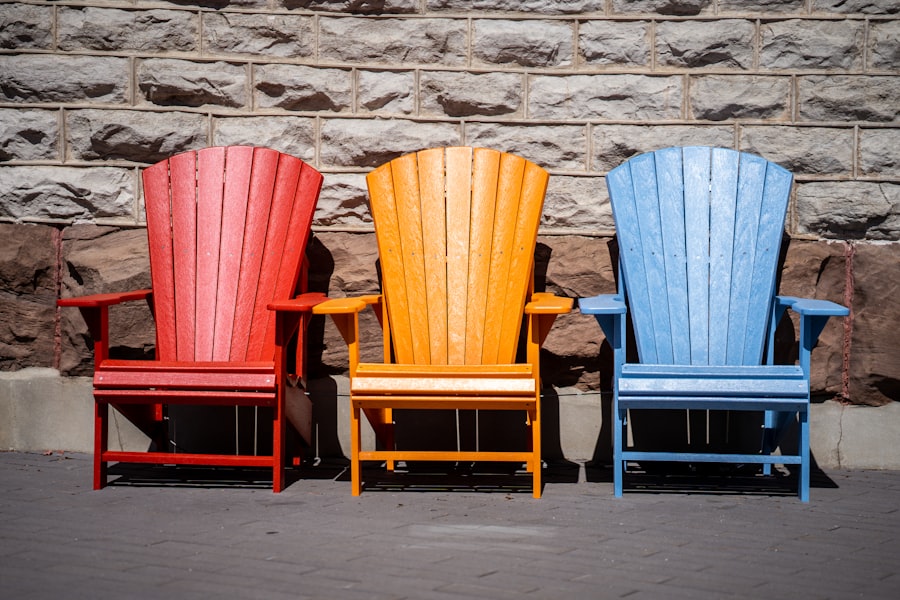
In modern chair design, comfort and functionality continue to play crucial roles but are approached with a contemporary twist. You will find that many modern chairs are designed with an emphasis on adaptability and versatility. For example, modular seating arrangements allow you to customize your space according to your needs, whether it’s for entertaining guests or creating a cozy reading corner.
This flexibility is a hallmark of modern design, catering to the dynamic lifestyles of today’s consumers. Additionally, modern chairs often incorporate innovative features aimed at enhancing comfort. You may encounter designs with adjustable components or built-in lumbar support that cater to individual preferences.
The use of breathable materials also contributes to a more comfortable seating experience, especially in warmer climates or during extended periods of use. As you explore these modern innovations, it becomes clear that comfort is no longer an afterthought but an integral part of contemporary chair design.
Materials Used in Traditional Chairs
When examining the materials used in traditional chairs, you will discover a rich tapestry of choices that reflect both availability and craftsmanship throughout history. Wood has long been the primary material for chair construction due to its durability and versatility. Different types of wood—such as oak, mahogany, or walnut—have been favored for their unique grain patterns and colors, adding character to each piece.
As you explore various traditional designs, you may notice how artisans skillfully carved intricate details into wooden frames, showcasing their expertise. In addition to wood, upholstery plays a significant role in traditional chair design. Fabrics such as silk, damask, or leather were commonly used to enhance both comfort and aesthetics.
The choice of upholstery often reflected the cultural context of the time; for instance, during the Baroque period, lavish fabrics adorned chairs to signify wealth and opulence. As you consider these materials, it becomes evident that traditional chairs are not only functional but also serve as works of art that tell stories about their origins.
Materials Used in Modern Chairs
As you shift your focus to modern chairs, you will find an exciting array of materials that reflect contemporary design sensibilities. While wood remains a popular choice for many modern designs, there is a notable shift towards innovative materials such as molded plastics, metal alloys, and even sustainable options like bamboo or recycled materials. These choices allow designers to experiment with form and function in ways that were previously unimaginable.
The use of synthetic fabrics has also become prevalent in modern upholstery. Materials like polyester or nylon offer durability and ease of maintenance while allowing for vibrant colors and patterns that can enliven any space. As you explore these modern materials, you will see how they contribute not only to the aesthetic appeal but also to the overall functionality of contemporary chairs.
This blend of innovation and practicality is what makes modern chair design so compelling.
The Role of Tradition in Home Decor
As you contemplate the role of tradition in home decor, it becomes clear that traditional chairs hold a special place within this context. They serve as anchors in a room’s design narrative, providing a sense of continuity and connection to the past. Incorporating traditional elements into your home can evoke feelings of nostalgia while also showcasing your appreciation for craftsmanship and history.
You may find that these pieces add warmth and character to your living spaces, creating an inviting atmosphere for family gatherings or quiet moments alone. Moreover, traditional chairs can serve as conversation starters within your home decor scheme. Their unique designs often reflect cultural heritage or artistic movements that can spark discussions among guests.
By thoughtfully integrating traditional elements into your decor, you create a harmonious balance between old-world charm and contemporary aesthetics—an approach that resonates with many homeowners seeking to create spaces that feel both timeless and relevant.
The Influence of Modernism in Home Decor
In contrast to tradition, modernism has significantly influenced home decor by promoting simplicity and functionality over ornate details. As you explore this influence, you will notice how modernist principles encourage open spaces filled with light and minimal clutter. Modern chairs play a crucial role in this aesthetic by offering sleek designs that complement clean lines and open layouts.
You may find that incorporating modern pieces into your home creates an atmosphere of sophistication while allowing for greater flexibility in how spaces are utilized. Additionally, modernism emphasizes the importance of personal expression through decor choices. By selecting contemporary furniture pieces that resonate with your style preferences, you can curate an environment that reflects your individuality while embracing current design trends.
This approach allows for creativity in home decor—encouraging you to mix and match styles while maintaining a cohesive look throughout your space.
The Great Chair Debate: Finding the Perfect Balance
As you navigate the great chair debate between traditional and modern designs, it’s essential to consider how each style can coexist harmoniously within your home decor scheme. Striking the perfect balance between these two aesthetics allows you to create spaces that feel both inviting and dynamic. You may find that blending traditional chairs with modern elements adds depth to your decor while showcasing your unique taste.
Ultimately, finding this balance requires thoughtful consideration of your lifestyle needs and personal preferences. Whether you lean towards the timeless elegance of traditional designs or the sleek simplicity of modern pieces—or perhaps a combination of both—your choices should reflect who you are as an individual. By embracing elements from both worlds, you can curate an environment that feels authentic while celebrating the rich history and innovation behind chair design throughout time.
In conclusion, whether you favor traditional or modern styles—or appreciate both—you have the opportunity to create spaces that resonate with your personal aesthetic while honoring the rich history behind chair design. Each piece tells a story; it’s up to you to decide which narrative best fits your home.
In discussing the two chairs representation argument, it’s essential to consider the psychological implications of how individuals perceive and interact with conflicting viewpoints. A related article that delves into these themes can be found on Unplugged Psych, which explores the dynamics of perspective-taking and empathy in conflict resolution. For more insights, you can read the article here: Unplugged Psych.
WATCH THIS 🛑 The Final Trap: Why ‘Healed’ People Are The Most Narcissistic
FAQs
What is the “two chairs” rep argument?
The “two chairs” rep argument is a debate technique or analogy used to illustrate differing perspectives or positions on a particular issue. It often involves imagining two chairs representing opposing viewpoints, helping participants understand and articulate each side’s reasoning.
Where does the “two chairs” rep argument originate from?
The concept of the “two chairs” argument is commonly used in educational and debate settings to encourage critical thinking and empathy by having individuals consider multiple sides of an argument. Its exact origin is unclear but it is a popular tool in rhetoric and communication training.
How is the “two chairs” rep argument used in discussions?
In discussions, participants may physically or metaphorically take a seat in one of two chairs, each representing a different stance. This helps clarify the strengths and weaknesses of each position and promotes understanding of opposing views.
What are the benefits of using the “two chairs” rep argument?
Using the “two chairs” rep argument encourages open-mindedness, improves critical thinking skills, and fosters respectful dialogue. It helps individuals recognize the complexity of issues and the validity of multiple perspectives.
Can the “two chairs” rep argument be applied in conflict resolution?
Yes, the “two chairs” rep argument can be an effective tool in conflict resolution by allowing parties to articulate and understand each other’s viewpoints, which can lead to more empathetic communication and potential compromise.
Is the “two chairs” rep argument suitable for all types of debates?
While it is useful for many discussions, the “two chairs” rep argument is most effective in debates where understanding opposing perspectives is crucial. It may be less applicable in situations requiring factual consensus or where one position is clearly supported by evidence.
How can one prepare to use the “two chairs” rep argument effectively?
To use the “two chairs” rep argument effectively, individuals should research both sides of the issue thoroughly, practice articulating each viewpoint clearly, and remain open to revising their own opinions based on new insights.