Social proof bias is a psychological phenomenon where individuals’ behavior is influenced by the actions and opinions of others. When faced with uncertainty, people typically observe those around them for guidance. This conformity tendency has evolutionary roots, as following the group historically enhanced survival chances.
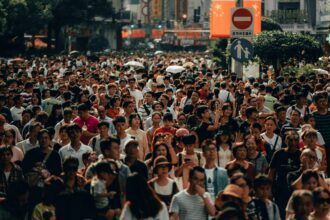
In contemporary society, this bias manifests in numerous ways, from selecting restaurants based on their popularity to making purchases influenced by customer reviews. Social proof bias shapes decision-making processes, often subconsciously. For instance, a crowded café might automatically be perceived as serving superior coffee.
This instinctive response stems from the assumption that widespread behavior indicates correctness. Recognizing this bias is important, as it can lead to decisions that may not reflect one’s genuine preferences or values.
Key Takeaways
- Social proof bias influences decisions by relying on others’ behaviors as a guide.
- Various types include expert, celebrity, and crowd social proof, each affecting choices differently.
- Awareness and critical thinking can help individuals overcome the sway of social proof bias.
- Marketers leverage social proof to shape consumer behavior, raising ethical considerations.
- Social media amplifies social proof effects, making ongoing research crucial for understanding its future impact.
The Psychology of Influence
The psychology behind social proof bias is deeply intertwined with the concept of influence. You are constantly bombarded with information and choices, and the opinions of others can serve as a shortcut to decision-making. This reliance on external validation can be both beneficial and detrimental.
On one hand, it helps you navigate complex social landscapes; on the other hand, it can lead to conformity and a lack of critical thinking. Your susceptibility to influence is heightened in situations where you feel uncertain or lack expertise. For instance, if you are shopping for a new gadget and see that a particular model has thousands of positive reviews, you may feel compelled to choose it over others, even if you haven’t researched its features thoroughly.
This psychological mechanism underscores the importance of understanding how social proof operates in your life and how it can sway your decisions.
Types of Social Proof Bias

Social proof bias can be categorized into several types, each reflecting different sources of influence. One common type is informational social proof, where you rely on the knowledge and experiences of others to guide your decisions. For example, if you are considering a new fitness program and see testimonials from satisfied participants, you may feel more inclined to join based on their positive experiences.
Another type is normative social proof, which involves conforming to the expectations of a group to gain acceptance or avoid rejection. You might find yourself dressing a certain way or adopting specific behaviors simply because they are popular among your peers. This type of social proof highlights the powerful role that social dynamics play in shaping your choices and behaviors.
The Impact of Social Proof Bias on Decision Making
The impact of social proof bias on your decision-making process can be profound. It can lead you to make choices that align with group norms rather than your personal preferences. For instance, if all your friends rave about a particular movie, you may feel pressured to watch it, even if it’s not your genre of interest.
This phenomenon can create a disconnect between your true desires and the choices you make. Moreover, social proof bias can also lead to herd behavior, where individuals collectively make decisions that may not be rational or beneficial. In financial markets, for example, investors often follow trends based on what others are doing rather than conducting their own analysis.
This can result in market bubbles or crashes, illustrating how powerful social proof can be in shaping collective behavior.
Examples of Social Proof Bias in Action
| Example | Description | Metric/Impact |
|---|---|---|
| Customer Reviews | Products with higher numbers of positive reviews tend to attract more buyers. | Products with 100+ positive reviews see a 30% increase in sales conversion. |
| Social Media Likes | Posts with more likes and shares are perceived as more trustworthy and popular. | Posts with 1,000+ likes have a 25% higher engagement rate. |
| Celebrity Endorsements | People are more likely to buy products endorsed by celebrities or influencers. | Endorsed products experience a 20% boost in brand recall. |
| Best Seller Tags | Items labeled as “Best Seller” encourage more purchases due to perceived popularity. | Best Seller tags increase purchase likelihood by 15%. |
| User Counts | Showing the number of users or subscribers builds trust and encourages sign-ups. | Displaying “Over 1 million users” increases sign-up rates by 18%. |
You encounter numerous examples of social proof bias in everyday life. Consider the realm of online shopping: when browsing products, you often see ratings and reviews prominently displayed. If a product has thousands of five-star reviews, you are likely to perceive it as high quality and trustworthy.
Conversely, a product with few reviews may raise red flags for you, regardless of its actual merits. Another vivid example is found in social media platforms. When you scroll through your feed and see posts that garner significant likes and shares, you may feel compelled to engage with that content or even adopt similar viewpoints.
Overcoming Social Proof Bias

Overcoming social proof bias requires conscious effort and self-awareness. One effective strategy is to cultivate critical thinking skills that allow you to evaluate information independently rather than relying solely on the opinions of others. When faced with a decision, take a moment to reflect on your values and preferences before succumbing to external influences.
Additionally, seeking diverse perspectives can help counteract the effects of social proof bias. Engaging with individuals who hold different viewpoints or experiences can broaden your understanding and encourage you to make more informed choices. By actively challenging the tendency to conform, you empower yourself to make decisions that resonate with your authentic self.
Leveraging Social Proof Bias for Positive Change
While social proof bias can lead to negative outcomes, it also holds potential for positive change. You can harness this bias to promote beneficial behaviors within your community or organization. For instance, if you’re passionate about environmental sustainability, showcasing individuals who have adopted eco-friendly practices can inspire others to follow suit.
Creating environments where positive behaviors are visible and celebrated can amplify their impact. Whether it’s through social media campaigns or community initiatives, leveraging social proof can motivate individuals to adopt healthier lifestyles or engage in socially responsible actions. By strategically highlighting positive examples, you can contribute to a culture of change that benefits everyone.
Social Proof Bias in Marketing and Advertising
In the realm of marketing and advertising, social proof bias is a powerful tool that brands leverage to influence consumer behavior. You may have noticed that many advertisements feature testimonials from satisfied customers or endorsements from celebrities. These strategies tap into your desire for validation and reassurance when making purchasing decisions.
Brands often use social proof in the form of user-generated content, showcasing real customers enjoying their products. This approach not only builds trust but also creates a sense of community around the brand. When you see others enjoying a product or service, it reinforces the idea that it is worth trying yourself, further driving sales and brand loyalty.
The Ethical Implications of Social Proof Bias
The use of social proof bias raises important ethical considerations. While it can be an effective marketing strategy, there is a fine line between persuasion and manipulation. Brands must navigate this landscape carefully to avoid misleading consumers or exploiting their biases for profit.
As a consumer, it’s essential to remain vigilant about the information presented to you. Recognizing when social proof is being used as a marketing tactic can empower you to make more informed choices rather than being swayed by superficial popularity. Ethical marketing practices should prioritize transparency and authenticity while still leveraging the power of social proof.
Social Proof Bias in the Age of Social Media
The rise of social media has amplified the effects of social proof bias in unprecedented ways. Platforms like Instagram and TikTok thrive on user engagement and validation through likes, shares, and comments. You may find yourself influenced by trending challenges or viral content simply because they are popular among your peers.
This phenomenon has created a culture where individuals often seek validation through their online presence, leading to a cycle of comparison and conformity. While social media can foster connection and community, it also poses challenges as users navigate the pressures of fitting in and gaining approval from others.
The Future of Social Proof Bias Research
As research into social proof bias continues to evolve, new insights will emerge regarding its implications for behavior and decision-making. Future studies may explore how technology influences social proof dynamics and how individuals can better navigate these influences in an increasingly interconnected world. Understanding the nuances of social proof bias will be crucial as society grapples with issues related to misinformation and groupthink.
By fostering awareness and critical thinking skills, individuals can learn to harness the power of social proof while remaining true to their values and beliefs. In conclusion, social proof bias is an intricate aspect of human psychology that shapes our decisions in profound ways. By understanding its mechanisms and implications, you can navigate your choices more consciously and leverage this powerful phenomenon for positive outcomes in both personal and societal contexts.
Social proof bias is a fascinating psychological phenomenon where individuals tend to conform to the actions of others, especially in uncertain situations. A great resource that delves deeper into this topic is an article on Unplugged Psych, which provides various examples and insights into how social proof influences our decision-making processes. You can read more about it in this article: Social Proof Bias Examples.
WATCH THIS 🧠 The Manifestation Lie: How It Makes You Toxic and Poor
FAQs
What is social proof bias?
Social proof bias is a psychological phenomenon where people copy the actions of others in an attempt to reflect correct behavior in a given situation. It occurs because individuals assume that the behavior of the majority is the correct way to act.
Can you provide examples of social proof bias?
Yes, common examples include following online reviews before purchasing a product, choosing a busy restaurant over an empty one, or joining a popular social media trend because many others are participating.
How does social proof bias affect decision-making?
Social proof bias can lead individuals to make decisions based on the behavior of others rather than their own independent judgment, sometimes resulting in better choices but also potentially causing herd behavior or poor decisions.
Is social proof bias always negative?
No, social proof bias can be positive by helping people make quick decisions in uncertain situations. However, it can also lead to negative outcomes like groupthink or the spread of misinformation.
Where is social proof bias commonly observed?
It is commonly observed in marketing, social media, consumer behavior, crowd dynamics, and everyday social interactions.
How can one avoid falling victim to social proof bias?
To avoid social proof bias, individuals should critically evaluate information, seek diverse perspectives, and rely on personal research rather than solely following the crowd.
Does social proof bias influence online behavior?
Yes, social proof bias strongly influences online behavior, such as liking, sharing, or purchasing products based on reviews, ratings, and the popularity of content.
What role does social proof bias play in marketing?
Marketers use social proof bias by showcasing testimonials, user reviews, influencer endorsements, and popularity metrics to encourage consumers to trust and buy their products.