Recognizing Negative Patterns in Spiritual Healing
When engaging in spiritual healing practices, it’s important to monitor your experiences for potential warning signs. A key indicator of a problematic situation is experiencing discomfort during sessions that previously felt positive. If you begin to feel depleted or disoriented after sessions instead of rejuvenated and clear-minded, this change merits attention.
These subtle shifts in your emotional response can be meaningful indicators that the healing approach may not be beneficial. Another concerning development is becoming overly dependent on a healer or specific practice. Healthy spiritual healing should foster personal autonomy and resilience.
If you find yourself unable to manage everyday challenges without consulting your healer, this suggests an unhealthy dynamic has developed. Effective spiritual practices should enhance your self-reliance rather than diminish it. Identifying these patterns early allows you to make informed decisions about continuing or modifying your approach to spiritual healing.
Key Takeaways
- Be aware of signs indicating a harmful shift in spiritual healing practices.
- Avoid excessive dependence on spiritual healing to prevent negative consequences.
- Recognize how manipulation can occur within spiritual healing environments.
- Understand the complex effects spiritual healing can have on mental health.
- Trust your intuition and maintain personal boundaries to ensure safe spiritual healing experiences.
The Dangers of Overreliance on Spiritual Healing
Overreliance on spiritual healing can lead to a myriad of issues that may hinder your personal growth and well-being. When you place too much emphasis on external sources for your healing, you risk neglecting your own inner resources and capabilities. This dependency can create a cycle where you continuously seek validation and support from others, rather than cultivating your own strength and resilience.
It is vital to remember that while spiritual healing can be beneficial, it should complement your personal development rather than replace it. Moreover, an overreliance on spiritual practices can lead to avoidance of necessary medical or psychological interventions. You might find yourself dismissing conventional treatments in favor of spiritual solutions, which can be detrimental to your overall health.
It is essential to strike a balance between spiritual healing and other forms of care, ensuring that you are addressing all aspects of your well-being. By recognizing the potential dangers of overreliance, you can create a more holistic approach to your healing journey.
Understanding the Potential for Manipulation in Spiritual Healing Practices

In the realm of spiritual healing, manipulation can occur in various forms, often disguised as guidance or support. You may encounter practitioners who exploit your vulnerabilities for their gain, whether financially or emotionally. It is crucial to remain discerning and question the intentions behind the advice or practices being offered.
If a healer seems more focused on their own agenda than on your well-being, it may be time to reconsider your involvement with them. Additionally, manipulation can manifest through emotional coercion, where you feel pressured to conform to certain beliefs or practices that do not resonate with you. This pressure can create an environment where you feel obligated to follow the healer’s directives, even if they conflict with your intuition or values.
Understanding this potential for manipulation allows you to approach spiritual healing with a critical eye, ensuring that your journey remains authentic and true to yourself.
Exploring the Impact of Spiritual Healing on Mental Health
Spiritual healing can have profound effects on mental health, both positive and negative. On one hand, engaging in spiritual practices can provide a sense of peace, purpose, and connection that enhances your overall well-being. You may find that meditation, energy work, or other forms of spiritual healing help alleviate anxiety and depression, fostering a greater sense of balance in your life.
These practices can serve as valuable tools for self-discovery and emotional regulation. However, it is essential to recognize that not all spiritual healing experiences are beneficial. In some cases, individuals may find themselves grappling with unresolved trauma or emotional pain that surfaces during their healing journey.
If these feelings are not adequately addressed or processed, they can lead to increased distress rather than relief. It is crucial to approach spiritual healing with an awareness of its potential impact on your mental health and to seek additional support when needed.
Addressing the Role of Power Dynamics in Spiritual Healing Relationships
| Incident | Location | Date | Type of Spiritual Healing | Outcome | Reported Cause |
|---|---|---|---|---|---|
| Fatal Exorcism | United States | 2019 | Exorcism Ritual | Death | Physical trauma during ritual |
| Burn Injuries from Firewalking | India | 2021 | Firewalking Ceremony | Severe burns | Improper safety measures |
| Dehydration and Heatstroke | Brazil | 2020 | Extended Fasting and Meditation | Hospitalization | Prolonged fasting without medical supervision |
| Psychological Breakdown | United Kingdom | 2018 | Intensive Spiritual Cleansing | Psychiatric admission | Extreme isolation and sensory deprivation |
| Infection from Ritual Cuts | South Africa | 2022 | Scarification Healing Ritual | Severe infection | Non-sterile instruments |
Power dynamics play a significant role in spiritual healing relationships, often influencing the effectiveness and safety of the experience. As a seeker, you may find yourself in a vulnerable position, placing trust in the healer’s expertise and guidance. This dynamic can create an imbalance where the healer holds significant influence over your thoughts and feelings.
It is essential to be aware of this power dynamic and ensure that it does not compromise your autonomy or decision-making. Healthy spiritual healing relationships should foster mutual respect and collaboration rather than hierarchy. You should feel empowered to voice your concerns and preferences without fear of judgment or retribution.
By addressing power dynamics openly, you can cultivate a more balanced relationship with your healer, allowing for a more authentic and supportive healing experience.
Navigating the Intersection of Spirituality and Personal Boundaries
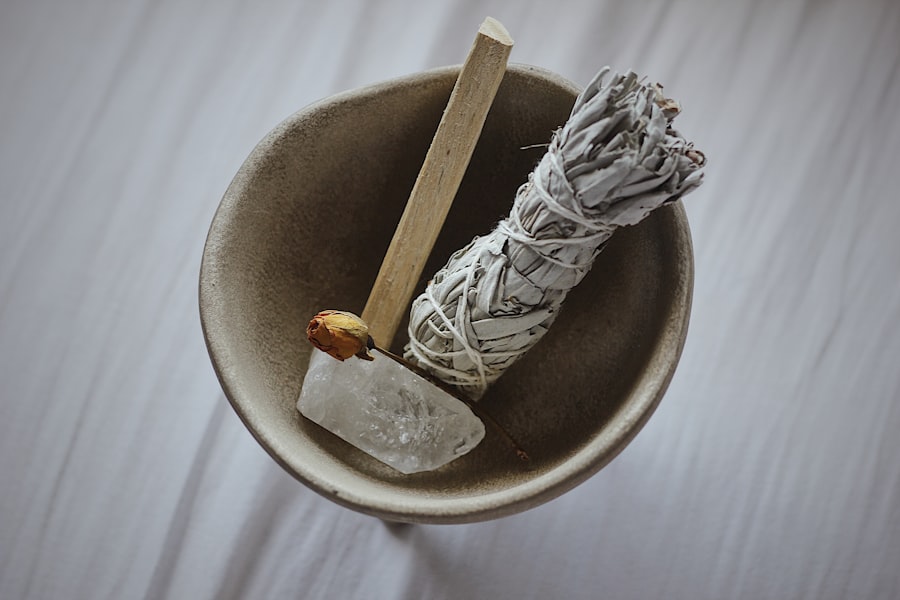
Establishing personal boundaries is crucial when engaging in spiritual healing practices. As you explore different modalities and connect with various practitioners, it is essential to define what feels comfortable and safe for you. This may involve setting limits on how much time you spend in sessions or being clear about what topics are off-limits for discussion.
By asserting your boundaries, you create a space where you can engage in healing without feeling overwhelmed or pressured. Navigating this intersection requires ongoing self-reflection and communication with your healer. You should feel empowered to express your needs and concerns openly, fostering an environment where both parties respect each other’s boundaries.
By prioritizing personal boundaries in your spiritual journey, you can enhance your overall experience and ensure that it aligns with your values and comfort levels.
Examining the Risks of Ignoring Red Flags in Spiritual Healing
Ignoring red flags in spiritual healing can lead to detrimental consequences for your well-being. When you dismiss warning signs—such as feeling uncomfortable during sessions or noticing manipulative behavior—you risk compromising your emotional and spiritual health. It is essential to trust your instincts and recognize when something feels off in your healing experience.
By acknowledging these red flags early on, you can take proactive steps to protect yourself from potential harm. Additionally, failing to address red flags may result in prolonged exposure to unhealthy dynamics within the healing relationship. This can lead to increased dependency on the healer or a distorted perception of what constitutes healthy support.
By remaining vigilant and responsive to red flags, you empower yourself to make informed decisions about your spiritual journey and prioritize your well-being.
Seeking Support and Guidance in Evaluating Spiritual Healing Experiences
As you navigate the complexities of spiritual healing, seeking support from trusted friends or professionals can provide valuable perspective and guidance. Engaging in open conversations about your experiences allows you to process your feelings and gain insights from others who may have faced similar challenges. This support network can help you evaluate whether your current healing practices align with your values and goals.
Additionally, consider seeking guidance from mental health professionals who understand the intersection of spirituality and psychological well-being. They can offer tools and strategies for assessing your experiences critically while ensuring that you prioritize your mental health throughout the process. By actively seeking support, you create a safety net that enhances your ability to navigate the sometimes murky waters of spiritual healing.
Cultivating a Healthy and Balanced Approach to Spiritual Healing
A healthy approach to spiritual healing involves integrating various modalities while maintaining a focus on self-care and personal growth. You might explore different practices—such as meditation, yoga, or energy work—while also prioritizing physical health through exercise and nutrition. Striking this balance allows you to create a holistic approach that nurtures all aspects of your being.
Not every practice will suit everyone; therefore, it is crucial to listen to your intuition when exploring new avenues for healing. By cultivating a balanced approach that honors both spiritual exploration and practical self-care, you empower yourself to thrive on your journey toward wholeness.
Learning to Trust Your Intuition in Spiritual Healing Settings
Trusting your intuition is paramount when engaging in spiritual healing practices. Your inner voice often provides valuable insights into what feels right or wrong for you in any given situation. As you navigate various modalities and practitioners, take time to tune into your feelings before making decisions about continuing or discontinuing certain practices.
This intuitive guidance can serve as a compass throughout your journey. Additionally, cultivating this trust requires practice and patience. You may need time to differentiate between genuine intuition and external influences or fears that cloud your judgment.
Engaging in mindfulness practices—such as meditation or journaling—can help strengthen this connection with yourself over time. By learning to trust your intuition, you empower yourself to make choices that align with your true self in the realm of spiritual healing.
Finding Healing and Recovery After a Negative Spiritual Healing Experience
If you’ve encountered a negative experience within the realm of spiritual healing, it is essential to prioritize your recovery process. Acknowledge any feelings of hurt or betrayal that may arise as part of this journey; these emotions are valid and deserve attention. Allow yourself the space to process these feelings fully before moving forward.
Seeking support from trusted friends or mental health professionals can be instrumental in navigating this recovery phase. They can provide guidance as you work through any lingering effects from the experience while helping you rebuild trust in yourself and others within the context of spirituality. Remember that healing takes time; be gentle with yourself as you embark on this path toward recovery and renewal.
In conclusion, navigating the world of spiritual healing requires awareness, discernment, and self-compassion.
Spiritual healing can be a powerful tool for many, but it can also lead to unintended consequences when not approached with caution. A related article that delves into the potential pitfalls of spiritual healing is available at this link. It explores various cases where individuals have experienced negative outcomes, highlighting the importance of seeking guidance from qualified professionals in the field.
WATCH THIS 🧠 Why Your ‘Healing’ Is Making You a Narcissist
FAQs
What is spiritual healing?
Spiritual healing is a practice that involves using spiritual or energy-based methods to promote physical, emotional, or mental well-being. It often includes techniques such as prayer, meditation, energy transfer, or the use of rituals.
Can spiritual healing cause harm?
Yes, spiritual healing can cause harm if performed incorrectly or by unqualified practitioners. Potential risks include physical injury, emotional distress, delayed medical treatment, or exacerbation of existing health conditions.
What are common signs that spiritual healing has gone wrong?
Signs may include worsening of symptoms, new physical or emotional issues, feelings of confusion or distress, or a lack of improvement despite ongoing sessions. In some cases, individuals may experience psychological trauma or financial exploitation.
Is spiritual healing a substitute for medical treatment?
No, spiritual healing should not be used as a substitute for professional medical care. It is important to consult healthcare providers for diagnosis and treatment of medical conditions.
How can one ensure safe spiritual healing practices?
To ensure safety, seek practitioners with proper credentials, verify their experience, avoid those who discourage conventional medical treatment, and maintain open communication with healthcare professionals.
What should I do if I experience negative effects from spiritual healing?
If negative effects occur, discontinue the sessions immediately and seek medical or psychological help. Reporting the incident to relevant authorities or professional bodies may also be necessary.
Are there regulations governing spiritual healing?
Regulations vary by country and region. Some places have licensing or certification requirements for spiritual healers, while others have minimal oversight. It is important to research local laws and guidelines.
Can spiritual healing be integrated with conventional medicine?
Yes, many healthcare providers support integrative approaches that combine spiritual healing with conventional treatments, provided that the spiritual practices are safe and do not interfere with medical care.