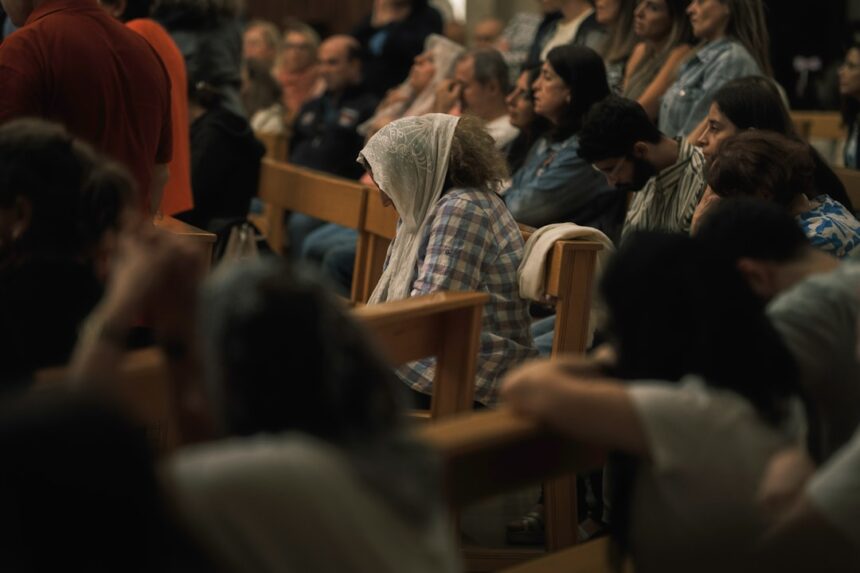
In the quest for spiritual growth and enlightenment, many individuals find themselves drawn to various spiritual communities. These groups often promise a sense of belonging, personal transformation, and a deeper connection to the divine. However, beneath the surface of these seemingly benevolent organizations, manipulative tactics can lurk, leading to emotional distress and disillusionment.
You may find yourself questioning the intentions of those who lead these communities, as well as your own motivations for being involved. Understanding the manipulative tactics employed in spiritual settings is crucial for safeguarding your well-being and ensuring that your spiritual journey remains authentic and fulfilling. As you navigate through these communities, it is essential to remain vigilant and aware of the subtle ways in which manipulation can manifest.
The allure of spiritual enlightenment can sometimes cloud your judgment, making it difficult to discern between genuine guidance and coercive control. By familiarizing yourself with the common tactics used by manipulative leaders and groups, you can better protect yourself from potential harm. This article aims to shed light on these tactics, empowering you to make informed decisions about your spiritual path and encouraging you to seek out healthy, supportive environments for your growth.
Key Takeaways
- Manipulative tactics in spiritual communities often involve gaslighting, emotional control, and power imbalances.
- Cult-like behaviors include fear, guilt, isolation, and exploitation led by charismatic leaders.
- Financial manipulation and groupthink are common tools used to maintain control over members.
- Setting personal boundaries and recognizing manipulation are crucial for protection and recovery.
- Seeking support and fostering awareness empower individuals to heal and move forward confidently.
Recognizing Gaslighting and Emotional Manipulation
Gaslighting is a form of psychological manipulation that seeks to make you doubt your own perceptions and feelings. In spiritual communities, this tactic can be particularly insidious, as it often masquerades as guidance or support. You may find yourself questioning your intuition or experiences when leaders dismiss your concerns or label them as negative energy.
This can create a cycle of confusion and self-doubt, making it increasingly difficult for you to trust your instincts. Recognizing gaslighting is the first step toward reclaiming your sense of self and ensuring that your spiritual journey is rooted in authenticity. Emotional manipulation can take many forms, from guilt-tripping to shaming.
You might encounter leaders who exploit your vulnerabilities, using your desire for acceptance and belonging against you. For instance, they may suggest that your struggles are a result of personal shortcomings or a lack of faith. This can lead you to internalize feelings of inadequacy, pushing you further into the group’s ideology in search of validation.
By understanding these tactics, you can begin to identify when emotional manipulation is at play and take steps to protect yourself from its damaging effects.
Understanding the Power Dynamics at Play
Power dynamics are an inherent aspect of any group setting, but they can become particularly pronounced in spiritual communities. You may find that certain individuals hold significant influence over the beliefs and behaviors of others, creating an environment where dissent is discouraged. This hierarchical structure can lead to an imbalance of power, where leaders wield authority over members’ lives, decisions, and even their spiritual experiences.
Recognizing these dynamics is essential for understanding how manipulation can occur within these groups. As you engage with spiritual communities, it’s important to reflect on how power is distributed and exercised. Are leaders open to feedback and criticism, or do they demand unquestioning loyalty?
You might notice that those who challenge the status quo are often marginalized or ostracized. This can create a culture of fear that stifles individual expression and critical thinking. By becoming aware of these power dynamics, you can better navigate your involvement in spiritual communities and advocate for a more equitable environment.
Identifying Cult-like Behaviors and Practices
Cult-like behaviors often manifest in spiritual communities that prioritize conformity over individuality. You may observe practices such as groupthink, where dissenting opinions are silenced in favor of a singular narrative. This can create an echo chamber that reinforces the group’s beliefs while discouraging independent thought.
Identifying these behaviors is crucial for recognizing when a community may be crossing the line into cult-like territory. Another hallmark of cult-like practices is the use of rituals or ceremonies designed to foster a sense of belonging while simultaneously reinforcing loyalty to the group. You might find yourself participating in activities that feel increasingly coercive or demanding, blurring the lines between genuine spiritual expression and manipulation.
By staying attuned to these behaviors, you can better assess whether a community aligns with your values and supports your personal growth.
Examining the Role of Charismatic Leaders
| Metric | Description | Example Data |
|---|---|---|
| Percentage of Members Reporting Manipulation | Proportion of community members who have experienced or witnessed manipulative tactics | 35% |
| Common Manipulative Tactics | Types of psychological or social control methods used | Guilt-tripping, isolation, fear induction, financial exploitation |
| Average Duration of Membership Before Leaving | Time members typically stay before exiting due to manipulation | 2.5 years |
| Reported Psychological Effects | Common mental health impacts on members | Anxiety (60%), Depression (45%), PTSD symptoms (20%) |
| Percentage of Communities with Formal Accountability | Communities that have transparent leadership and grievance procedures | 15% |
| Average Number of Manipulative Incidents per Year | Reported incidents of manipulation within a community annually | 12 |
Charismatic leaders often play a pivotal role in shaping the culture of spiritual communities. Their magnetic personalities can draw you in, creating an intense sense of connection and devotion. However, this charisma can also mask manipulative tendencies that may emerge over time.
As you engage with such leaders, it’s essential to remain aware of how their influence affects your beliefs and actions. You may find that charismatic leaders often position themselves as intermediaries between you and the divine, fostering dependency on their guidance. This can create an unhealthy dynamic where you feel compelled to seek their approval or validation before making decisions about your spiritual journey.
By critically examining the role of charismatic leaders in your community, you can better understand how their influence may impact your autonomy and well-being.
Exploring the Use of Fear and Guilt to Control Members

Fear and guilt are powerful tools that manipulative leaders often employ to maintain control over their followers. You may encounter teachings that emphasize punishment or negative consequences for those who stray from the group’s beliefs or practices. This can create an atmosphere of anxiety where you feel compelled to conform out of fear of rejection or condemnation.
Recognizing these tactics is vital for breaking free from their grip. Guilt can also be used as a means of manipulation, particularly when leaders frame personal struggles as failures in faith or commitment. You might find yourself feeling responsible for the group’s well-being or believing that your shortcomings reflect poorly on the community as a whole.
By understanding how fear and guilt are used to control members, you can begin to disentangle yourself from these harmful emotions and reclaim your sense of agency.
Uncovering Financial Manipulation and Exploitation
Financial manipulation is another common tactic employed by manipulative leaders in spiritual communities. You may encounter pressure to donate significant sums of money or participate in costly programs under the guise of spiritual growth or enlightenment. This exploitation can leave you feeling financially drained while simultaneously reinforcing your commitment to the group.
It’s essential to scrutinize any financial demands placed upon you by leaders or the community as a whole. Are these requests transparent and reasonable, or do they seem excessive? You might also consider whether financial contributions are being used for the benefit of the community or primarily for the enrichment of its leaders.
By uncovering financial manipulation, you can protect yourself from exploitation and ensure that your resources are being used wisely.
Addressing the Impact of Isolation and Groupthink
Isolation is a common tactic used by manipulative groups to maintain control over their members.
This isolation can lead to a diminished sense of self and an increased reliance on the group for validation and support.
Groupthink can stifle creativity and critical thinking, making it difficult for you to voice dissenting opinions or explore alternative perspectives. As you become more entrenched in the community’s ideology, you may find it increasingly challenging to question its teachings or practices. By addressing the impact of isolation and groupthink on your spiritual journey, you can begin to reclaim your individuality and foster healthier connections outside the group.
Discussing the Importance of Setting Boundaries
Setting boundaries is essential for maintaining your well-being within any community, especially those with manipulative tendencies. You may find it challenging to assert your needs or desires when faced with pressure from leaders or fellow members. However, establishing clear boundaries is crucial for protecting your emotional health and ensuring that your spiritual journey remains authentic.
As you navigate your involvement in spiritual communities, consider what boundaries are necessary for you to feel safe and respected. This might include limiting financial contributions, asserting your right to question teachings, or prioritizing self-care over group obligations. By communicating your boundaries clearly and consistently, you empower yourself to engage with these communities on your terms rather than succumbing to external pressures.
Seeking Support and Healing from Manipulative Experiences
If you’ve experienced manipulation within a spiritual community, seeking support is vital for healing and recovery. You may find it helpful to connect with others who have had similar experiences or seek guidance from mental health professionals who specialize in trauma recovery. Sharing your story can provide validation and help you process the emotions associated with manipulation.
Healing from manipulative experiences takes time and self-compassion. As you work through feelings of guilt, shame, or confusion, remember that it’s okay to prioritize your well-being above all else. Engaging in self-care practices such as journaling, meditation, or therapy can aid in your recovery process and help you regain a sense of agency over your spiritual journey.
Moving Forward with Empowerment and Awareness
As you move forward from manipulative experiences within spiritual communities, empowerment and awareness become essential tools for navigating future interactions. You may find it beneficial to cultivate a strong sense of self-awareness regarding your values, beliefs, and boundaries. This clarity will serve as a foundation for making informed decisions about which communities align with your authentic self.
Empowerment also involves recognizing that you have the right to question authority and seek out environments that foster healthy growth rather than manipulation. By remaining vigilant and informed about the tactics employed by manipulative groups, you can protect yourself from potential harm while continuing on your spiritual journey with confidence and resilience. Embrace this newfound awareness as a guiding light on your path toward genuine connection and personal transformation.
In exploring the dynamics of spiritual communities that employ manipulative tactics, it’s essential to consider the insights provided in the article on Unplugged Psych. This resource delves into the psychological mechanisms at play within these groups and offers a critical perspective on their influence. For more information, you can read the article [here](https://www.unpluggedpsych.com/).
WATCH THIS! Why You Are VULNERABLE to Manipulation (4 Key Triggers)
FAQs
What are spiritual communities with manipulative tactics?
Spiritual communities with manipulative tactics are groups or organizations that present themselves as focused on spiritual growth or enlightenment but use psychological manipulation, coercion, or control to influence members’ thoughts, behaviors, or decisions.
What are common manipulative tactics used in these spiritual communities?
Common tactics include emotional manipulation, isolation from outside influences, excessive control over personal choices, guilt-tripping, fear induction, financial exploitation, and discouraging critical thinking or questioning of leadership.
How can someone identify if a spiritual community is using manipulative tactics?
Signs include pressure to conform, lack of transparency, discouragement of dissent, demands for large financial contributions, leaders claiming absolute authority, isolation from friends and family, and feelings of fear or guilt when questioning the group.
Are all spiritual communities manipulative?
No, not all spiritual communities use manipulative tactics. Many are supportive environments focused on personal growth and well-being. Manipulation is specific to certain groups that misuse spiritual teachings for control or personal gain.
What should someone do if they suspect manipulation in their spiritual community?
They should seek information from trusted external sources, talk to friends or family outside the group, consider professional counseling, and if necessary, safely distance themselves from the community.
Can manipulative spiritual communities cause psychological harm?
Yes, prolonged exposure to manipulation can lead to emotional distress, anxiety, depression, loss of self-esteem, and difficulty reintegrating into regular social environments.
Is it possible to recover after leaving a manipulative spiritual community?
Yes, with appropriate support such as counseling, reconnecting with trusted social networks, and education about manipulation tactics, individuals can recover and rebuild their sense of autonomy and well-being.
Are there legal protections against manipulative practices in spiritual communities?
Legal protections vary by country and jurisdiction. While freedom of religion is protected, practices involving fraud, abuse, or coercion may be subject to legal action. Victims can seek help from law enforcement or legal professionals if abuse occurs.
How can one find trustworthy spiritual communities?
Look for communities with transparent leadership, encouragement of critical thinking, respect for individual autonomy, openness to questions, and positive testimonials from diverse members. Research and personal discernment are important before joining.