
The prefrontal cortex, often referred to as the brain’s executive center, plays a pivotal role in your cognitive functions. Located at the front of your brain, this area is responsible for higher-order processes such as reasoning, planning, and social behavior. It is here that you engage in complex thought processes, allowing you to navigate the intricacies of daily life.
Understanding the prefrontal cortex is essential, especially when considering its influence on how you manage stress and make decisions. As you delve deeper into the workings of the prefrontal cortex, you will discover its profound impact on your emotional regulation and decision-making abilities. This region of the brain is not only crucial for cognitive tasks but also for your overall mental health.
By exploring its functions and how it interacts with stress, you can gain valuable insights into improving your resilience and emotional well-being.
Key Takeaways
- The prefrontal cortex is crucial for regulating emotions, decision-making, memory, and learning, especially under stress.
- Chronic stress negatively affects the prefrontal cortex, impairing its ability to manage emotions and cognitive functions.
- Strengthening the prefrontal cortex through strategies like mindfulness and meditation can improve stress resilience.
- Dysfunction in the prefrontal cortex is linked to various stress-related disorders and conditions.
- Caring for the prefrontal cortex is essential for effective stress management and overall mental health.
Understanding Stress and its Impact on the Brain
Stress is a natural response to perceived threats or challenges, triggering a cascade of physiological changes in your body. When faced with stressors, your brain releases hormones like cortisol and adrenaline, preparing you for a fight-or-flight response. While this reaction can be beneficial in short bursts, chronic stress can lead to detrimental effects on your brain, particularly in the prefrontal cortex.
The impact of stress on your brain is multifaceted. It can impair your ability to think clearly, make decisions, and regulate emotions. When you experience prolonged stress, the prefrontal cortex may become less effective at managing these functions, leading to difficulties in concentration and increased emotional reactivity.
Understanding this relationship between stress and brain function is crucial for developing strategies to mitigate its effects.
The Role of the Prefrontal Cortex in Regulating Emotions
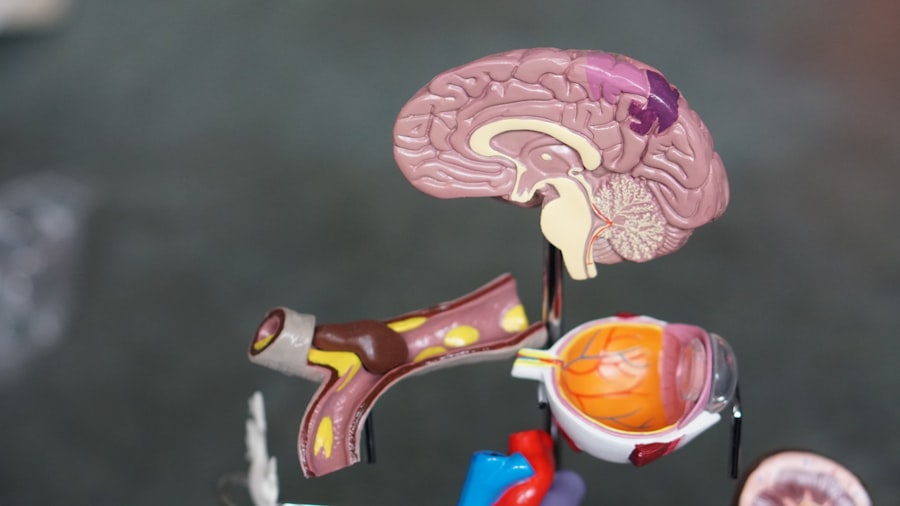
Your prefrontal cortex plays a significant role in how you regulate your emotions. It acts as a control center, helping you process feelings and respond appropriately to various situations. When functioning optimally, this area allows you to manage your emotional responses effectively, enabling you to remain calm under pressure and make rational decisions.
However, when stress levels rise, the prefrontal cortex can become overwhelmed. This can lead to difficulties in emotional regulation, causing you to react impulsively or become easily frustrated. By understanding how the prefrontal cortex influences your emotional responses, you can work towards enhancing its function through various techniques and practices that promote emotional intelligence and resilience.
How the Prefrontal Cortex Helps in Decision Making During Stressful Situations
| Metric | Description | Role of Prefrontal Cortex | Impact During Stress |
|---|---|---|---|
| Working Memory Capacity | Ability to hold and manipulate information temporarily | Supports evaluation of options and consequences | Reduced capacity leading to impaired decision-making |
| Emotional Regulation | Control over emotional responses | Inhibits impulsive reactions, promotes rational thinking | Decreased regulation causing heightened emotional bias |
| Attention Control | Focus on relevant stimuli and ignore distractions | Enhances concentration on decision-relevant information | Impaired focus, increased distractibility |
| Risk Assessment | Evaluation of potential negative outcomes | Enables weighing pros and cons effectively | Bias towards risk-averse or risk-seeking behavior |
| Neurotransmitter Activity | Levels of dopamine and norepinephrine | Modulates cognitive flexibility and alertness | Excessive or deficient levels disrupt decision processes |
In moments of stress, your ability to make sound decisions is heavily influenced by the prefrontal cortex. This region integrates information from various parts of your brain, allowing you to weigh options and consider potential outcomes before acting. When faced with high-pressure situations, the prefrontal cortex helps you assess risks and benefits, guiding you toward choices that align with your long-term goals.
However, under extreme stress, the prefrontal cortex may struggle to perform its functions effectively. You might find yourself making hasty decisions or succumbing to emotional impulses rather than relying on logical reasoning. Recognizing this tendency can empower you to develop strategies that enhance your decision-making abilities during stressful times, ensuring that you remain grounded and focused on what truly matters.
The Prefrontal Cortex’s Role in Memory and Learning Under Stress
Memory and learning are critical components of your cognitive functioning, and the prefrontal cortex plays a vital role in these processes. When you encounter new information or experiences, this area helps you encode and retrieve memories, allowing you to learn from past events. However, stress can significantly impact your ability to remember and learn effectively.
Under stress, the prefrontal cortex may struggle to function optimally, leading to difficulties in concentration and memory retention. You might find it challenging to absorb new information or recall details when needed. By understanding how stress affects memory and learning, you can implement strategies that support your cognitive abilities even in challenging circumstances.
The Impact of Chronic Stress on the Prefrontal Cortex

Chronic stress can have profound effects on the prefrontal cortex, leading to structural and functional changes that may hinder its performance. Prolonged exposure to stress hormones can result in a reduction in the volume of this brain region, impairing its ability to regulate emotions and make decisions effectively. This decline can manifest as increased anxiety, difficulty concentrating, and challenges in managing daily tasks.
Moreover, chronic stress can create a vicious cycle where impaired functioning of the prefrontal cortex leads to further stress and emotional dysregulation. Recognizing the impact of chronic stress on your brain is essential for taking proactive steps toward managing stress levels and protecting your mental health.
Strategies for Strengthening the Prefrontal Cortex’s Ability to Manage Stress
To enhance the prefrontal cortex’s ability to manage stress effectively, consider incorporating various strategies into your daily routine. Engaging in regular physical exercise has been shown to promote neuroplasticity and improve cognitive function. Activities such as yoga or tai chi can also help reduce stress while enhancing mindfulness and emotional regulation.
Additionally, practicing mindfulness meditation can significantly strengthen the prefrontal cortex’s capabilities. By focusing on the present moment and cultivating awareness of your thoughts and feelings, you can improve your emotional regulation and decision-making skills. These practices not only support brain health but also foster resilience in the face of life’s challenges.
The Link Between the Prefrontal Cortex and Resilience to Stress
Resilience is your ability to bounce back from adversity, and the prefrontal cortex plays a crucial role in fostering this trait. A well-functioning prefrontal cortex enables you to adapt to stressors more effectively by promoting flexible thinking and problem-solving skills. When faced with challenges, this area helps you assess situations objectively and develop constructive coping strategies.
Building resilience involves nurturing the prefrontal cortex through various practices that enhance its function. By prioritizing self-care activities such as adequate sleep, healthy nutrition, and social connections, you can create an environment that supports optimal brain health. As you strengthen your resilience, you’ll find it easier to navigate stressful situations with confidence and composure.
Disorders and Conditions Related to Prefrontal Cortex Dysfunction in Managing Stress
Dysfunction in the prefrontal cortex can lead to various disorders that impact your ability to manage stress effectively. Conditions such as anxiety disorders, depression, and attention deficit hyperactivity disorder (ADHD) are often linked to impairments in this brain region. These disorders can manifest as heightened emotional reactivity, difficulty concentrating, or challenges in decision-making.
Understanding these conditions is essential for seeking appropriate support and treatment options. By addressing underlying issues related to prefrontal cortex dysfunction, you can work towards improving your overall mental health and enhancing your ability to cope with stressors in daily life.
The Role of Mindfulness and Meditation in Enhancing Prefrontal Cortex Function
Mindfulness and meditation have gained recognition for their positive effects on mental health and cognitive function. Engaging in mindfulness practices can lead to structural changes in the prefrontal cortex, enhancing its ability to regulate emotions and make sound decisions under stress. These practices encourage a state of awareness that allows you to observe your thoughts without judgment, fostering a sense of calm amidst chaos.
Incorporating mindfulness into your daily routine doesn’t have to be time-consuming or complicated. Simple techniques such as deep breathing exercises or guided meditations can be effective tools for enhancing prefrontal cortex function. As you cultivate mindfulness, you’ll likely notice improvements in your emotional regulation and overall well-being.
The Importance of Caring for the Prefrontal Cortex in Stress Management
Caring for your prefrontal cortex is essential for effective stress management and overall mental health. By understanding its functions and how it interacts with stressors in your life, you can take proactive steps toward enhancing its capabilities. Implementing strategies such as regular exercise, mindfulness practices, and self-care routines will not only strengthen this vital brain region but also empower you to navigate life’s challenges with greater resilience.
As you prioritize the health of your prefrontal cortex, you’ll find yourself better equipped to manage stressors effectively while fostering emotional well-being. Remember that nurturing this part of your brain is an ongoing journey—one that requires patience, commitment, and self-compassion as you work towards achieving a balanced state of mind amidst life’s inevitable ups and downs.
Research has shown that the prefrontal cortex plays a crucial role in managing stress and regulating emotional responses. For a deeper understanding of how stress impacts cognitive functions and the prefrontal cortex, you can read more in this related article on the Unplugged Psych website.