When you think about pain management, your mind may immediately gravitate toward physical treatments or medications. However, spirituality plays a crucial role that often goes overlooked. Spirituality can provide a framework for understanding and coping with pain, offering you a sense of purpose and connection that transcends the physical experience.
It invites you to explore the deeper meanings behind your suffering, allowing you to find solace in the midst of turmoil. By embracing spirituality, you can cultivate resilience and foster a more holistic approach to managing pain. Moreover, spirituality can serve as a powerful tool for emotional healing.
When you are in pain, it is easy to feel isolated and disconnected from the world around you. Engaging with your spiritual beliefs can help bridge that gap, reminding you that you are part of something greater. This connection can alleviate feelings of loneliness and despair, providing comfort during difficult times.
By recognizing the interplay between your spiritual beliefs and your experience of pain, you can begin to harness this relationship to foster healing and well-being.
Key Takeaways
- Spirituality plays a vital role in managing pain by addressing the mind, body, and spirit connection.
- Meditation, mindfulness, prayer, and rituals can provide comfort, relief, and emotional healing.
- Connecting with a higher power and spiritual communities offers strength, support, and a sense of belonging.
- Practices like forgiveness, gratitude, and positivity help shift focus away from pain and promote inner peace.
- Integrating spiritual practices daily supports long-term pain management and overall well-being.
Exploring the Connection Between Mind, Body, and Spirit
The intricate relationship between mind, body, and spirit is fundamental to understanding how you experience pain. Your thoughts and emotions can significantly influence your physical sensations, creating a feedback loop that can either exacerbate or alleviate discomfort. When you acknowledge this connection, you empower yourself to take an active role in your healing journey.
By nurturing your mental and spiritual well-being, you can create a more balanced state that promotes physical health. Incorporating practices that address all three aspects—mind, body, and spirit—can lead to profound changes in how you perceive and manage pain. For instance, engaging in activities that stimulate your mind, such as reading or learning new skills, can distract you from discomfort while also enhancing your cognitive function.
Similarly, nurturing your spirit through meditation or prayer can foster a sense of peace that permeates your entire being. By recognizing and honoring this triad, you can cultivate a more integrated approach to pain management.
Utilizing Meditation and Mindfulness Practices for Pain Relief

Meditation and mindfulness practices have gained recognition for their effectiveness in pain relief. When you engage in these practices, you train your mind to focus on the present moment rather than dwelling on past experiences or future anxieties. This shift in focus can significantly reduce the perception of pain, allowing you to experience a greater sense of control over your body and emotions.
By incorporating meditation into your daily routine, you create a sanctuary where healing can occur. Mindfulness practices also encourage you to observe your thoughts and feelings without judgment. This non-reactive awareness can help you detach from the pain itself, allowing it to exist without defining your entire experience.
As you cultivate this skill, you may find that your relationship with pain transforms; it becomes just one aspect of your life rather than the central focus. By embracing meditation and mindfulness, you empower yourself to navigate pain with greater ease and grace.
Incorporating Prayer and Rituals to Find Comfort and Solace
| Aspect | Description | Common Practices | Reported Benefits | Frequency |
|---|---|---|---|---|
| Prayer | Communicating with a higher power or spiritual entity | Silent prayer, spoken prayer, meditation, chanting | Emotional relief, increased hope, reduced anxiety | Daily or as needed |
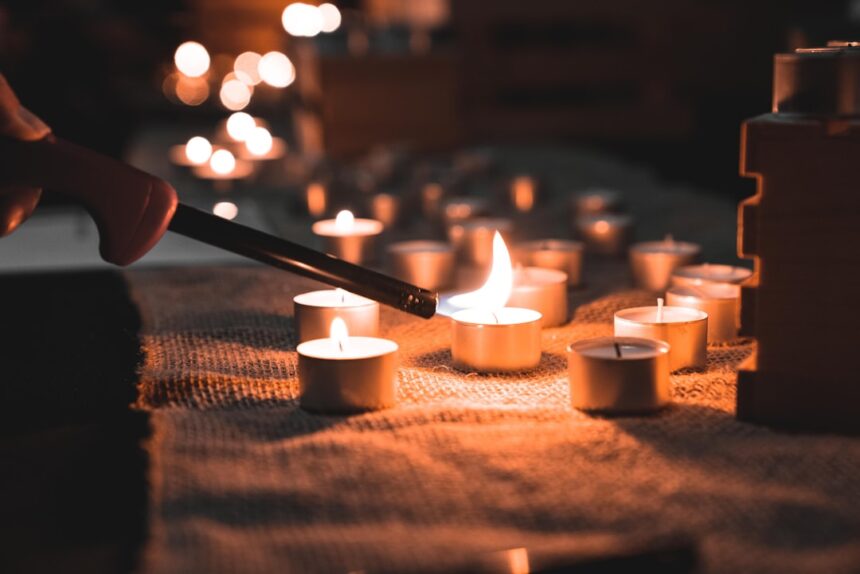
| Rituals | Structured actions performed for spiritual or emotional comfort | Lighting candles, incense, reciting mantras, attending services | Sense of control, grounding, community connection | Weekly or during significant events |
| Reflection | Contemplation and mindfulness during prayer or rituals | Journaling, silent meditation, guided reflection | Improved self-awareness, stress reduction | Daily or weekly |
| Community Support | Engagement with others sharing similar spiritual practices | Group prayers, religious gatherings, support groups | Social support, shared comfort, reduced feelings of isolation | Weekly or monthly |
| Personalization | Adapting prayers and rituals to individual beliefs and needs | Creating personal prayers, combining traditions | Greater relevance, enhanced emotional connection | Ongoing |
Prayer and rituals can serve as powerful anchors during times of distress. When you turn to prayer, whether it’s a formal recitation or a spontaneous conversation with a higher power, you invite a sense of peace into your life. This act of surrendering your pain to something greater than yourself can be incredibly liberating.
It allows you to release the burden of suffering while fostering hope and faith in the possibility of healing. Rituals also play a significant role in providing structure and meaning during challenging times.
They serve as reminders of your beliefs and values, reinforcing your connection to something larger than yourself. By incorporating prayer and rituals into your life, you create sacred spaces where comfort and solace can flourish amidst the chaos of pain.
Connecting with a Higher Power for Strength and Healing
The act of connecting with a higher power can be transformative when navigating pain. This connection often provides a sense of strength that transcends human limitations. When you reach out to a higher power—whether through prayer, meditation, or contemplation—you tap into an infinite source of love and support.
This relationship can instill hope during moments of despair, reminding you that you are never truly alone in your suffering. Moreover, this connection can inspire profound healing on multiple levels. Many individuals report experiencing emotional release or clarity when they engage with their spirituality in this way.
By surrendering your pain to a higher power, you may find that burdens become lighter and more manageable. This spiritual alliance not only fosters resilience but also encourages personal growth as you navigate the complexities of pain.
Finding Support and Community Through Spiritual Practices

Spirituality often thrives within community settings where individuals come together to share their experiences and support one another. Engaging with like-minded individuals who share similar beliefs can provide a sense of belonging that is invaluable during times of pain. Whether through church groups, meditation circles, or online forums, these communities offer spaces for connection and understanding.
In these supportive environments, you can share your struggles and triumphs while receiving encouragement from others who have walked similar paths. The collective energy of a community can amplify healing experiences, creating an atmosphere where hope flourishes. By actively seeking out spiritual communities, you not only enhance your own journey but also contribute to the healing of others.
Embracing Forgiveness and Letting Go of Resentment for Inner Peace
Forgiveness is often touted as a pathway to inner peace, especially when dealing with pain—both physical and emotional. Holding onto resentment or anger can create additional layers of suffering that complicate your healing journey. By embracing forgiveness—whether towards yourself or others—you create space for healing to occur.
This act is not about condoning past actions but rather about liberating yourself from the emotional weight they carry. Letting go of resentment allows you to reclaim your power and focus on what truly matters: your well-being. As you practice forgiveness, you may find that emotional burdens begin to lift, making room for joy and peace to enter your life once again.
This transformative process is deeply spiritual; it connects you with the essence of compassion and understanding that lies within us all.
Cultivating Gratitude and Positivity to Shift Focus from Pain
Gratitude is a powerful antidote to suffering; it shifts your focus from what is lacking or painful to what is abundant and fulfilling in your life. When faced with chronic pain or emotional distress, it may seem challenging to find reasons for gratitude.
Practicing gratitude involves recognizing even the smallest blessings—whether it’s a warm cup of tea or a kind word from a friend—and allowing those moments to fill your heart with appreciation. This shift in focus not only uplifts your spirit but also alters how you perceive pain. As gratitude becomes a regular part of your life, it fosters resilience and encourages a more optimistic perspective on challenges.
Seeking Guidance and Wisdom from Spiritual Leaders and Mentors
Engaging with spiritual leaders or mentors can provide invaluable insights as you navigate the complexities of pain management. These individuals often possess wisdom gained through years of experience and study, offering guidance tailored to your unique circumstances. Whether through one-on-one conversations or group teachings, their perspectives can illuminate paths toward healing that you may not have considered.
Additionally, spiritual leaders often serve as sources of inspiration during difficult times. Their stories of overcoming adversity can instill hope within you as they demonstrate the power of faith and resilience. By seeking out these mentors, you not only gain knowledge but also foster connections that enrich your spiritual journey.
Engaging in Creative and Expressive Spiritual Practices for Emotional Release
Creative expression is an essential aspect of spirituality that allows for emotional release and healing. Engaging in artistic endeavors—such as painting, writing, or music—can serve as powerful outlets for processing pain and emotions. These practices enable you to channel feelings into tangible forms, providing clarity and relief from internal struggles.
Moreover, creative expression often fosters a deeper connection with your spiritual self. As you immerse yourself in artistic activities, you may find moments of inspiration or insight that resonate with your journey toward healing. By embracing creativity as a spiritual practice, you open doors to emotional release while nurturing your soul.
Integrating Spiritual Practices into Daily Life for Long-Term Pain Management
To truly benefit from spirituality in pain management, it’s essential to integrate these practices into your daily life consistently. This doesn’t mean overwhelming yourself with rituals but rather finding small ways to incorporate spirituality into your routine. Whether it’s starting each day with gratitude journaling or dedicating time for meditation before bed, these practices can create lasting shifts in how you experience pain.
As you weave spirituality into the fabric of your daily existence, it becomes a natural source of strength and comfort during challenging times. Over time, these practices will not only enhance your ability to manage pain but also enrich your overall quality of life. By committing to this journey of integration, you empower yourself to navigate life’s challenges with grace and resilience while fostering a deeper connection with yourself and the world around you.
Many individuals seek ways to cope with pain, and one effective approach is through spirituality. Engaging in spiritual practices can provide comfort and a sense of purpose, helping to alleviate emotional and physical suffering. For more insights on this topic, you can read the article on Unplugged Psych that explores the intersection of spirituality and pain management. Check it out here: Unplugged Psych.
WATCH THIS! The Enlightenment Trap: Why Spiritual Grandiosity Is Just Narcissism
FAQs
What does it mean to use spirituality to avoid pain?
Using spirituality to avoid pain involves adopting spiritual beliefs, practices, or perspectives to cope with or reduce physical, emotional, or psychological suffering. This can include meditation, prayer, mindfulness, or seeking meaning and purpose through spiritual teachings.
Can spirituality actually reduce physical pain?
Research suggests that spiritual practices like meditation and prayer can help reduce the perception of physical pain by promoting relaxation, reducing stress, and altering pain processing in the brain. However, spirituality is typically used as a complementary approach alongside medical treatment.
Is using spirituality to avoid pain the same as ignoring or suppressing pain?
No. Using spirituality to avoid pain generally means managing or reframing the experience of pain rather than ignoring or suppressing it. Spirituality can help individuals find meaning or acceptance, which may lessen the emotional impact of pain without denying its existence.
What are common spiritual practices used to cope with pain?
Common spiritual practices include meditation, prayer, mindfulness, yoga, chanting, and engaging in rituals or community worship. These practices can promote emotional balance, reduce stress, and enhance a sense of connection and support.
Are there any risks associated with relying solely on spirituality to avoid pain?
Yes. While spirituality can be a valuable coping tool, relying exclusively on it without seeking appropriate medical or psychological care may delay diagnosis or treatment of underlying conditions. It is important to use spirituality as a complementary approach rather than a substitute for professional care.
How does spirituality help with emotional or psychological pain?
Spirituality can provide a sense of purpose, hope, and connection, which may alleviate feelings of loneliness, anxiety, or depression. It can also encourage acceptance and forgiveness, helping individuals process emotional pain more effectively.
Is spirituality effective for everyone in managing pain?
Effectiveness varies among individuals depending on personal beliefs, cultural background, and openness to spiritual practices. Some people find great relief through spirituality, while others may prefer different coping strategies.
Can healthcare providers incorporate spirituality into pain management?
Yes. Many healthcare providers recognize the benefits of integrating spirituality into holistic pain management plans. This may involve referring patients to chaplains, encouraging mindfulness practices, or supporting patients’ spiritual needs as part of overall care.