
In recent years, the intricate relationship between spirituality and mental health has garnered increasing attention. You may find that spirituality often serves as a source of strength and resilience during challenging times. When faced with a mental health crisis, many individuals turn to their spiritual beliefs and practices for comfort and guidance.
This connection is not merely anecdotal; research has shown that spiritual engagement can lead to improved mental well-being, providing a sense of purpose and belonging that is crucial during difficult periods. You might consider how spirituality can offer a framework for understanding your experiences and emotions. It can help you make sense of suffering, loss, and uncertainty, which are often prevalent during a mental health crisis.
By fostering a deeper connection with your inner self or a higher power, you may find solace and clarity that can aid in navigating the complexities of mental health challenges. This exploration of spirituality can be a powerful tool in your journey toward healing and recovery.
Key Takeaways
- Spirituality can play a significant role in understanding and coping with mental health crises.
- Recognizing early signs of mental health issues is crucial for timely intervention.
- Combining professional mental health treatment with spiritual practices fosters holistic healing.
- Mindfulness, meditation, and supportive spiritual communities enhance resilience and well-being.
- Addressing stigma within spiritual groups and embracing self-compassion are key to mental wellness.
Recognizing the Signs of a Mental Health Crisis
Recognizing the signs of a mental health crisis is essential for timely intervention and support. You may notice changes in your mood, behavior, or thought patterns that signal distress. Symptoms such as overwhelming sadness, anxiety, or irritability can manifest in various ways, affecting your daily life and relationships.
It’s crucial to pay attention to these signs, as they can indicate that you are in need of help. You might also experience physical symptoms, such as fatigue, changes in appetite, or sleep disturbances. These manifestations can be your body’s way of signaling that something is amiss.
If you find yourself withdrawing from social interactions or losing interest in activities you once enjoyed, it may be time to reflect on your mental health. Acknowledging these signs is the first step toward seeking support and addressing the underlying issues contributing to your crisis.
The Role of Spirituality in Coping with Mental Health Challenges
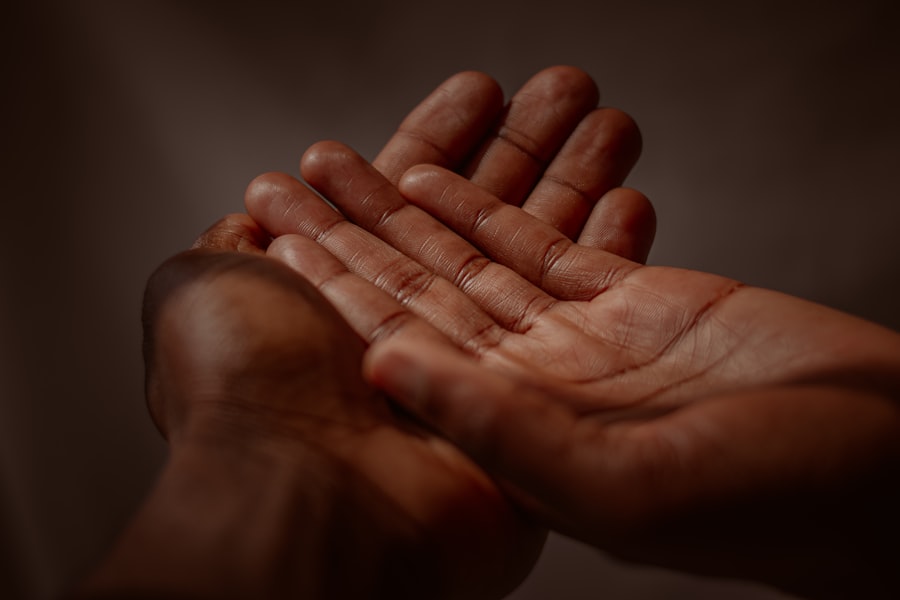
Spirituality can play a significant role in coping with mental health challenges. When you engage with your spiritual beliefs, you may find comfort in rituals, prayers, or meditative practices that provide a sense of peace amidst turmoil. These practices can help ground you, offering a refuge from the chaos of your thoughts and emotions.
By connecting with something greater than yourself, you may experience a renewed sense of hope and purpose. Moreover, spirituality often encourages self-reflection and introspection, allowing you to explore the deeper aspects of your psyche. This exploration can lead to greater self-awareness and understanding of your mental health struggles.
You might discover that your spiritual beliefs provide a framework for interpreting your experiences, helping you to reframe negative thoughts and cultivate a more positive outlook on life. Embracing spirituality during challenging times can be a transformative experience that fosters resilience and healing.
Seeking Professional Help while Nurturing Spiritual Well-being
| Aspect | Metric | Description | Typical Range/Value | Notes |
|---|---|---|---|---|
| Frequency of Professional Help | Sessions per Month | Number of counseling or therapy sessions attended monthly | 1-4 | Varies based on individual needs and treatment plan |
| Spiritual Practice Frequency | Days per Week | Number of days engaged in spiritual activities (meditation, prayer, etc.) | 3-7 | Consistent practice supports well-being |
| Perceived Stress Level | Scale 1-10 | Self-reported stress level before and after seeking help | Before: 6-9; After: 2-5 | Improvement indicates effective support |
| Emotional Well-being Score | Scale 0-100 | Assessment of emotional health combining professional and spiritual support | 50-85 | Higher scores reflect better emotional balance |
| Sense of Purpose | Scale 1-7 | Degree to which individuals feel their life has meaning and direction | 4-7 | Often enhanced by spiritual nurturing |
| Social Support | Number of Supportive Contacts | Count of friends, family, or community members providing emotional support | 3-10+ | Important for holistic well-being |
| Integration of Spirituality in Therapy | Percentage of Sessions | Proportion of therapy sessions incorporating spiritual discussions or practices | 20%-60% | Depends on client preference and therapist approach |
While spirituality can be a powerful ally in your mental health journey, it is essential to recognize the importance of professional help. You may find that therapy or counseling provides valuable tools and strategies for managing your mental health challenges. A trained professional can help you navigate the complexities of your emotions and thoughts, offering support tailored to your unique needs.
Integrating spirituality into your therapeutic process can enhance your overall well-being. You might discuss your spiritual beliefs with your therapist, exploring how they intersect with your mental health journey. This holistic approach allows you to nurture both your psychological and spiritual well-being simultaneously.
By seeking professional help while honoring your spiritual practices, you create a comprehensive support system that addresses all facets of your experience.
Finding Balance between Spiritual Practices and Mental Health Treatment
Finding balance between spiritual practices and mental health treatment is crucial for holistic healing. You may feel drawn to engage in spiritual rituals or practices that resonate with you, but it’s important to ensure that these activities complement rather than replace professional treatment. Striking this balance allows you to benefit from both realms, enhancing your overall well-being.
You might consider setting aside dedicated time for both spiritual practices and therapy sessions. This intentional approach can help you maintain focus on your healing journey while allowing space for spiritual exploration. By integrating these aspects of your life, you create a harmonious environment where both your mental health and spiritual needs are met.
This balance fosters resilience and empowers you to navigate the challenges ahead.
Integrating Mindfulness and Meditation into Mental Health Care

Mindfulness and meditation are powerful tools that can enhance your mental health care regimen. These practices encourage present-moment awareness, helping you cultivate a sense of calm amidst the chaos of daily life. You may find that incorporating mindfulness techniques into your routine allows you to manage stress and anxiety more effectively.
As you engage in meditation, you create an opportunity for self-reflection and introspection. This practice can help you develop a deeper understanding of your thoughts and emotions, enabling you to respond rather than react to challenging situations. By integrating mindfulness into your mental health care, you empower yourself to navigate difficulties with greater ease and clarity.
Nurturing a Supportive Spiritual Community during Mental Health Crisis
During a mental health crisis, having a supportive spiritual community can be invaluable. You may find comfort in connecting with others who share similar beliefs and values, creating a sense of belonging that is essential for healing. Engaging with a community allows you to share your experiences, receive encouragement, and gain insights from others who have faced similar challenges.
You might consider participating in group activities such as prayer circles, meditation sessions, or spiritual retreats. These gatherings provide opportunities for connection and support while fostering an environment of understanding and compassion. By nurturing relationships within your spiritual community, you create a network of support that can help you navigate the complexities of your mental health journey.
Addressing Stigma and Misconceptions about Mental Health within Spiritual Communities
Addressing stigma and misconceptions about mental health within spiritual communities is crucial for fostering understanding and support. You may encounter beliefs that equate mental health struggles with a lack of faith or spiritual weakness. It’s important to challenge these misconceptions by promoting open dialogue about mental health issues within your community.
By sharing your experiences and encouraging others to do the same, you contribute to breaking down barriers surrounding mental health discussions. You might consider organizing workshops or discussions focused on the intersection of spirituality and mental health, creating a safe space for individuals to express their concerns without fear of judgment. This proactive approach can help cultivate an environment where individuals feel empowered to seek help without stigma.
Cultivating Resilience through Spiritual Practices during Mental Health Crisis
Cultivating resilience through spiritual practices can be transformative during a mental health crisis. You may find that engaging in activities such as prayer, journaling, or nature walks allows you to connect with your inner strength and foster a sense of hope. These practices can serve as anchors during turbulent times, reminding you of the greater purpose behind your struggles.
As you explore different spiritual practices, consider what resonates most with you personally. You might discover that certain rituals or affirmations provide comfort and encouragement when facing adversity. By intentionally incorporating these practices into your daily routine, you cultivate resilience that empowers you to navigate challenges with grace and determination.
Embracing Self-compassion and Forgiveness in the Journey towards Mental Wellness
Embracing self-compassion and forgiveness is essential on the journey toward mental wellness. You may find it easy to be critical of yourself during difficult times, but practicing self-compassion allows you to treat yourself with kindness and understanding. Acknowledging that everyone faces challenges can help alleviate feelings of isolation and shame.
Forgiveness plays a vital role in this process as well—both forgiving yourself for perceived shortcomings and extending forgiveness to others who may have contributed to your pain. By letting go of resentment and embracing compassion, you create space for healing and growth. This journey toward self-acceptance is integral to achieving lasting mental wellness.
Creating a Holistic Approach to Mental Health Care through Spiritual Integration
Creating a holistic approach to mental health care through spiritual integration involves recognizing the interconnectedness of mind, body, and spirit. You may find that addressing all aspects of your being leads to more profound healing experiences. By incorporating spiritual practices into your mental health care regimen, you create a comprehensive framework for well-being.
Consider exploring various modalities such as yoga, art therapy, or nature immersion alongside traditional therapeutic approaches. These practices allow you to engage with your spirituality while addressing mental health concerns holistically.
In conclusion, the connection between spirituality and mental health is profound and multifaceted. By recognizing the signs of a mental health crisis, seeking professional help while nurturing spiritual well-being, and integrating mindfulness practices into your care regimen, you create a supportive environment for healing. Embracing self-compassion, addressing stigma within spiritual communities, and cultivating resilience through spiritual practices further enhance this journey toward mental wellness.
Ultimately, by creating a holistic approach that honors both your mental health needs and spiritual beliefs, you empower yourself to navigate life’s challenges with grace and strength.
In times of mental health crises, it’s essential to strike a balance between seeking spiritual guidance and addressing psychological needs.
For a deeper understanding of this topic, you can read the insightful article on avoiding over-spiritualization in mental health crises at Unplugged Psych. This resource offers valuable perspectives on integrating spirituality with mental health care without losing sight of the importance of evidence-based practices.
WATCH THIS! The Dark Night of the Soul Is a Predictable Psychological Collapse
FAQs
What does it mean to over spiritualize a mental health crisis?
Over spiritualizing a mental health crisis involves interpreting or addressing mental health issues solely through a spiritual or religious lens, often neglecting medical, psychological, or social factors that require professional attention.
Why is over spiritualizing mental health crises problematic?
Over spiritualizing can delay or prevent individuals from seeking appropriate medical or psychological treatment, potentially worsening their condition. It may also lead to feelings of guilt or inadequacy if the person believes their crisis is due to a lack of faith or spiritual weakness.
How can one avoid over spiritualizing a mental health crisis?
To avoid over spiritualizing, it is important to recognize mental health issues as complex conditions that may require professional help, including therapy and medication. Spiritual support can be complementary but should not replace evidence-based treatment.
Can spirituality play a role in mental health recovery?
Yes, spirituality can provide comfort, meaning, and community support during recovery. However, it should be integrated with professional mental health care rather than used as the sole approach.
What are signs that someone might be over spiritualizing their mental health crisis?
Signs include refusing medical or psychological treatment in favor of only spiritual practices, attributing symptoms solely to spiritual causes, or feeling shame and self-blame for their condition based on spiritual beliefs.
Who should be involved in addressing a mental health crisis?
A multidisciplinary approach is best, involving mental health professionals such as psychiatrists, psychologists, counselors, and, if desired, spiritual advisors or faith leaders who respect and support medical treatment.
Is it important to respect a person’s spiritual beliefs during mental health treatment?
Yes, respecting a person’s spiritual beliefs can enhance trust and cooperation in treatment. Mental health providers often incorporate or acknowledge spirituality as part of holistic care when appropriate.
Where can someone seek help if they are experiencing a mental health crisis?
Individuals can seek help from mental health professionals, crisis hotlines, emergency services, community health centers, and support groups. Spiritual leaders can also provide support but should encourage professional care when needed.