
To truly grasp the complexities of the human experience, you must first understand the nervous system, a remarkable network that governs every aspect of your being. This intricate system is divided into two main parts: the central nervous system (CNS) and the peripheral nervous system (PNS). The CNS, which consists of the brain and spinal cord, serves as the command center, processing information and coordinating responses.
Meanwhile, the PNS extends throughout your body, connecting the CNS to limbs and organs, allowing for communication between your brain and the rest of your body. The nervous system is responsible for a myriad of functions, from regulating your heartbeat to enabling you to feel emotions. It plays a crucial role in how you respond to stimuli in your environment, influencing your thoughts, behaviors, and overall well-being.
Understanding this system is essential for recognizing how various factors, such as stress or lifestyle choices, can impact your health. By becoming more aware of how your nervous system operates, you can take proactive steps to maintain its balance and promote a sense of calm in your life.
Key Takeaways
- The nervous system plays a crucial role in managing stress and overall well-being.
- Stress negatively affects the nervous system, but various techniques can help regulate it.
- Practices like deep breathing, mindfulness, yoga, and Tai Chi effectively support nervous system balance.
- Biofeedback, neurofeedback, and progressive muscle relaxation are valuable tools for nervous system regulation.
- Creating a supportive environment and seeking professional help are important for managing nervous system dysregulation.
The Impact of Stress on the Nervous System
Stress is an inevitable part of life, but its effects on your nervous system can be profound and far-reaching. When you encounter a stressful situation, your body activates the fight-or-flight response, a survival mechanism that prepares you to either confront or flee from danger. This response triggers the release of stress hormones like cortisol and adrenaline, which can lead to increased heart rate, heightened alertness, and a surge of energy.
While this reaction can be beneficial in short bursts, chronic stress can wreak havoc on your nervous system. Over time, prolonged exposure to stress can lead to dysregulation of the nervous system. You may find yourself feeling anxious, irritable, or overwhelmed as your body remains in a constant state of alertness.
This heightened state can disrupt your sleep patterns, impair cognitive function, and even contribute to physical health issues such as hypertension or digestive problems. Recognizing the impact of stress on your nervous system is the first step toward reclaiming your sense of balance and well-being.
Techniques for Regulating the Nervous System
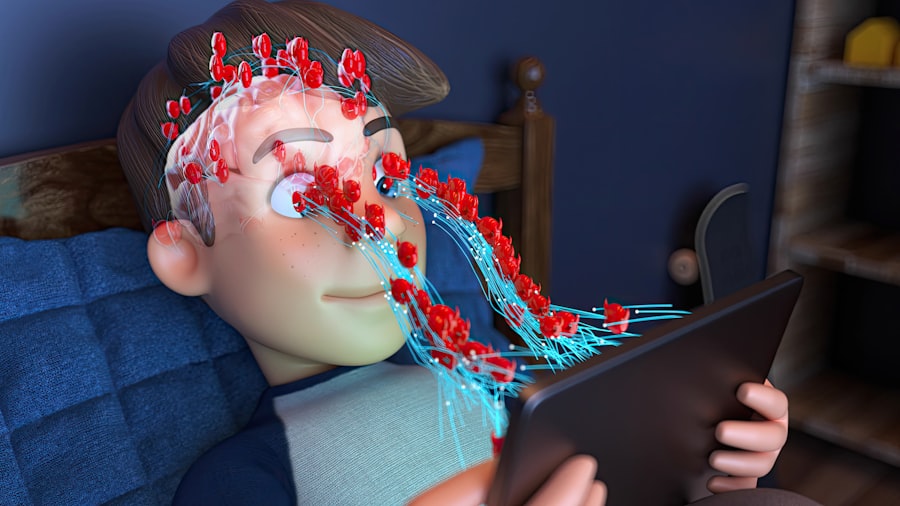
To counteract the effects of stress and promote a healthier nervous system, you can explore various techniques designed to help regulate your body’s responses. These methods focus on calming the mind and body, allowing you to return to a state of equilibrium. By incorporating these practices into your daily routine, you can cultivate resilience against stressors and enhance your overall quality of life.
One effective approach is to engage in activities that promote relaxation and mindfulness. Whether through deep breathing exercises, meditation, or gentle movement practices like yoga or tai chi, these techniques can help you reconnect with your body and mind. By prioritizing self-care and making time for these practices, you empower yourself to navigate life’s challenges with greater ease and grace.
Deep Breathing Exercises
| Metric | Value | Unit | Description |
|---|---|---|---|
| Average breaths per minute (resting) | 12-20 | breaths/min | Normal resting breathing rate |
| Breaths per minute during deep breathing | 4-6 | breaths/min | Recommended rate for deep breathing exercises |
| Duration per deep breath | 10-15 | seconds | Time taken for one full deep breath cycle (inhale + exhale) |
| Recommended session length | 5-20 | minutes | Typical duration for a deep breathing exercise session |
| Heart rate reduction | 5-10 | beats per minute | Average decrease in heart rate after deep breathing |
| Oxygen saturation improvement | 1-3 | % SpO2 | Increase in blood oxygen levels after deep breathing |
| Stress hormone (cortisol) reduction | 10-20 | % decrease | Reduction in cortisol levels after regular deep breathing practice |
| Improvement in lung capacity | 5-15 | % increase | Increase in lung capacity after consistent deep breathing exercises |
Deep breathing exercises are a simple yet powerful tool for regulating your nervous system. When you consciously focus on your breath, you activate the parasympathetic nervous system—the part responsible for relaxation and recovery. This shift helps counteract the effects of stress by lowering heart rate and promoting a sense of calm.
To practice deep breathing, find a comfortable position—whether sitting or lying down—and close your eyes if it feels right. Inhale deeply through your nose for a count of four, allowing your abdomen to expand fully. Hold that breath for a moment before exhaling slowly through your mouth for a count of six or eight.
Repeat this cycle several times, focusing on the sensation of your breath entering and leaving your body. As you engage in this practice regularly, you may notice an increased ability to manage stress and anxiety in your daily life.
Mindfulness and Meditation Practices
Mindfulness and meditation are powerful practices that can significantly enhance your ability to regulate your nervous system. Mindfulness involves bringing your attention to the present moment without judgment, allowing you to observe your thoughts and feelings as they arise. This practice fosters greater self-awareness and helps you develop a more compassionate relationship with yourself.
Meditation takes mindfulness a step further by providing structured techniques for quieting the mind. You might choose to focus on your breath, repeat a mantra, or visualize a peaceful scene. Regular meditation practice has been shown to reduce symptoms of anxiety and depression while promoting emotional resilience.
By dedicating just a few minutes each day to mindfulness or meditation, you can cultivate a greater sense of inner peace and stability.
Yoga and Tai Chi for Nervous System Regulation

Yoga and tai chi are ancient practices that combine movement with breath awareness, making them excellent tools for regulating the nervous system. Both disciplines emphasize slow, deliberate movements that promote relaxation while enhancing flexibility and strength. As you flow through various poses in yoga or perform gentle sequences in tai chi, you create a harmonious connection between body and mind.
These practices not only help reduce stress but also improve overall physical health by promoting better circulation and reducing muscle tension. Engaging in yoga or tai chi regularly can lead to increased body awareness, allowing you to recognize when stress is building up and take proactive steps to address it. Whether you attend classes or practice at home, incorporating these mindful movements into your routine can significantly enhance your ability to manage stress.
Biofeedback and Neurofeedback Training
Biofeedback and neurofeedback training are innovative techniques that utilize technology to help you gain greater control over your physiological responses. Biofeedback involves monitoring bodily functions such as heart rate or muscle tension through sensors connected to a computer. By receiving real-time feedback on these metrics, you can learn how to consciously alter them through relaxation techniques or breathing exercises.
Neurofeedback takes this concept further by focusing specifically on brain activity.
With guidance from a trained professional, you can learn strategies to promote healthier brain function and emotional regulation.
Both biofeedback and neurofeedback offer valuable tools for enhancing self-awareness and fostering resilience against stressors.
Progressive Muscle Relaxation Techniques
Progressive muscle relaxation (PMR) is another effective technique for regulating the nervous system by systematically relaxing different muscle groups throughout your body. This method involves tensing each muscle group for a few seconds before releasing the tension, allowing you to experience the contrast between tension and relaxation. To practice PMR, find a quiet space where you can sit or lie down comfortably.
Start with your feet—tense the muscles for five seconds while inhaling deeply, then release as you exhale. Gradually work your way up through each muscle group—calves, thighs, abdomen, arms, shoulders, neck, and face—taking time to notice how each area feels as you relax it. By incorporating PMR into your routine, you can cultivate greater awareness of physical tension in your body and develop effective strategies for releasing it.
Self-Regulation and Self-Compassion Practices
Self-regulation is an essential skill that allows you to manage your emotions and reactions effectively. Cultivating self-compassion is equally important; it involves treating yourself with kindness during difficult times rather than resorting to self-criticism or judgment. By practicing self-regulation alongside self-compassion, you create a nurturing environment within yourself that promotes healing and growth.
You might begin by acknowledging your feelings without judgment—recognizing when you’re feeling stressed or overwhelmed is crucial for self-regulation. From there, practice self-compassion by speaking kindly to yourself as you would to a friend facing similar challenges. This combination of awareness and kindness fosters resilience against stressors while enhancing overall emotional well-being.
Creating a Supportive Environment for Nervous System Regulation
Your environment plays a significant role in how well you can regulate your nervous system. Creating a supportive space involves minimizing external stressors while promoting tranquility and comfort. Consider decluttering your living area or incorporating elements that bring you joy—such as plants, soothing colors, or calming scents.
Additionally, surrounding yourself with supportive relationships can greatly enhance your ability to manage stress. Engage with friends or family members who uplift you and encourage open communication about feelings and experiences.
Seeking Professional Help for Nervous System Dysregulation
While self-help techniques can be incredibly beneficial for regulating the nervous system, there may be times when seeking professional assistance is necessary. If you’re experiencing persistent symptoms of anxiety or dysregulation that interfere with daily life, consider reaching out to a mental health professional who specializes in these areas. Therapists can provide valuable insights into coping strategies tailored specifically to your needs while offering support as you navigate challenges related to stress or emotional regulation.
Whether through talk therapy or specialized approaches like cognitive-behavioral therapy (CBT), professional guidance can empower you on your journey toward greater balance and well-being. In conclusion, understanding the intricacies of the nervous system is vital for recognizing how stress impacts your life. By exploring various techniques for regulation—such as deep breathing exercises, mindfulness practices, yoga, biofeedback training, progressive muscle relaxation techniques, self-regulation strategies, creating supportive environments, and seeking professional help—you can cultivate resilience against stressors while enhancing overall well-being.
Embrace these practices as tools for nurturing both body and mind on your journey toward balance and harmony.
Nervous system regulation techniques are essential for managing stress and enhancing overall well-being. One insightful resource on this topic can be found in the article on the Unplugged Psych website, which discusses various methods to help individuals achieve a balanced state of mind. For more information, you can read the article here: Nervous System Regulation Techniques.
WATCH THIS! The Dark Night of the Soul: A Psychological Roadmap to Spiritual Awakening
FAQs
What is nervous system regulation?
Nervous system regulation refers to techniques and practices aimed at balancing and stabilizing the autonomic nervous system, which controls involuntary bodily functions such as heart rate, digestion, and respiratory rate.
Why is nervous system regulation important?
Regulating the nervous system helps reduce stress, improve emotional resilience, enhance focus, and promote overall physical and mental well-being by maintaining a healthy balance between the sympathetic (fight or flight) and parasympathetic (rest and digest) nervous systems.
What are common techniques used for nervous system regulation?
Common techniques include deep breathing exercises, mindfulness meditation, progressive muscle relaxation, yoga, biofeedback, grounding exercises, and physical activities like walking or stretching.
How does deep breathing help regulate the nervous system?
Deep breathing activates the parasympathetic nervous system, which slows the heart rate and promotes relaxation, helping to counteract the stress response triggered by the sympathetic nervous system.
Can nervous system regulation techniques help with anxiety?
Yes, many nervous system regulation techniques are effective in reducing symptoms of anxiety by calming the nervous system and promoting a state of relaxation.
How often should one practice nervous system regulation techniques?
Regular practice is recommended for optimal benefits. This can range from daily short sessions to longer sessions several times a week, depending on individual needs and the specific technique used.
Are nervous system regulation techniques safe for everyone?
Generally, these techniques are safe for most people. However, individuals with certain medical conditions or mental health concerns should consult a healthcare professional before starting new practices.
Can nervous system regulation improve sleep quality?
Yes, by promoting relaxation and reducing stress, nervous system regulation techniques can help improve sleep quality and reduce insomnia.
Is professional guidance necessary for learning nervous system regulation techniques?
While many techniques can be learned and practiced independently, professional guidance from therapists, coaches, or instructors can enhance effectiveness and ensure proper practice.
How quickly can one expect results from nervous system regulation techniques?
Some techniques, like deep breathing, can provide immediate calming effects, while others may require consistent practice over weeks or months to experience significant benefits.