
You may find yourself in a state of confusion or disillusionment, feeling disconnected from your beliefs or the world around you. This sense of spiritual crisis can manifest in various ways, such as persistent feelings of emptiness, anxiety, or a lack of purpose. You might notice that the things that once brought you joy no longer resonate with you, leaving you questioning your values and the meaning of your existence.
These signs can be subtle at first, but they often grow more pronounced, urging you to pay attention to your inner turmoil. As you navigate through this challenging period, you may experience a profound sense of isolation. It’s not uncommon to feel as though no one understands what you’re going through, leading to a deepened sense of loneliness.
You might also find yourself grappling with existential questions that seem to have no clear answers. This internal struggle can be overwhelming, but recognizing these signs is the first step toward healing. Acknowledging your feelings and experiences allows you to confront the crisis head-on, paving the way for personal growth and transformation.
Key Takeaways
- Spiritual crises often manifest through emotional turmoil and questioning of beliefs.
- Support from trusted individuals and exploring various spiritual practices can aid healing.
- Self-compassion, mindfulness, and acceptance are crucial for navigating spiritual challenges.
- Connecting with nature and reflecting on personal values help restore inner balance.
- Engaging in gratitude, forgiveness, creativity, and service fosters peace and growth.
Understanding the Causes of Spiritual Crisis
To truly address your spiritual crisis, it’s essential to delve into its underlying causes. Often, these crises arise from significant life changes or traumatic events that shake the foundation of your beliefs. You may have experienced a loss, such as the death of a loved one or the end of a meaningful relationship, which can lead to questioning the very essence of life and your place within it.
Alternatively, you might be facing a major transition, such as a career change or relocation, that disrupts your sense of stability and belonging. Cultural and societal pressures can also contribute to your spiritual crisis. In a world that often prioritizes material success and external validation, you may feel compelled to conform to expectations that don’t align with your true self.
This dissonance can create an internal conflict, leaving you feeling lost and unfulfilled. By understanding these causes, you can begin to untangle the complexities of your situation and identify the specific factors that have led you to this point. This awareness is crucial for moving forward and finding a path that resonates with your authentic self.
Seeking Support and Guidance
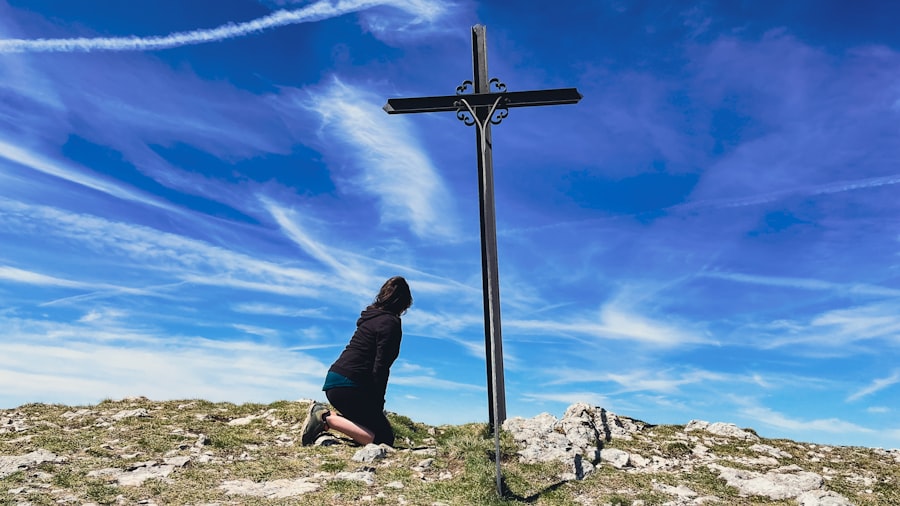
During a spiritual crisis, seeking support can be a vital step in your healing journey.
Sharing your thoughts and feelings with someone who listens without judgment can help alleviate some of the burdens you carry.
You may find that simply expressing your struggles allows for a release of pent-up emotions and fosters a sense of connection. In addition to personal relationships, consider seeking guidance from professionals who specialize in spiritual counseling or therapy. These individuals can offer valuable insights and tools tailored to your unique situation.
They can help you explore your beliefs and values in a safe environment, guiding you toward clarity and understanding. Whether through one-on-one sessions or group workshops, engaging with others who are on similar journeys can foster a sense of community and support that is essential during this time.
Exploring Different Spiritual Practices
| Spiritual Practice | Origin | Primary Focus | Common Techniques | Reported Benefits | Typical Duration |
|---|---|---|---|---|---|
| Meditation | Ancient India | Mindfulness and inner peace | Breath awareness, mantra repetition | Reduced stress, improved concentration | 10-60 minutes daily |
| Yoga | India | Union of body, mind, and spirit | Postures (asanas), breathing (pranayama) | Flexibility, mental clarity, relaxation | 30-90 minutes per session |
| Prayer | Various religious traditions | Communication with a higher power | Verbal or silent petitions, gratitude | Emotional comfort, hope, spiritual connection | Varies widely |
| Chanting | Hinduism, Buddhism, others | Focus and spiritual vibration | Repetition of sacred sounds or phrases | Calmness, enhanced focus, spiritual uplift | 5-30 minutes |
| Mindfulness | Buddhism | Present moment awareness | Observing thoughts and sensations | Reduced anxiety, improved emotional regulation | 5-20 minutes daily |
| Energy Healing (Reiki) | Japan | Balancing energy fields | Hand placements, energy channeling | Relaxation, pain relief, emotional balance | 20-60 minutes per session |
| Journaling | Modern spiritual practice | Self-reflection and insight | Writing thoughts, feelings, and experiences | Clarity, emotional release, personal growth | 10-30 minutes daily |
As you seek to navigate your spiritual crisis, exploring various spiritual practices can be incredibly beneficial. You might find solace in meditation, which encourages mindfulness and self-reflection. By dedicating time each day to quiet your mind and connect with your inner self, you may uncover insights that help illuminate your path forward.
Experimenting with different forms of meditation—such as guided imagery or loving-kindness meditation—can provide you with tools to cultivate peace and clarity. Another practice worth exploring is journaling. Writing down your thoughts and feelings can serve as a powerful outlet for self-expression.
You may find that putting pen to paper helps you articulate emotions that are difficult to voice aloud. Journaling can also serve as a means of tracking your progress over time, allowing you to reflect on how your understanding of yourself evolves throughout this journey. By engaging with these practices, you open yourself up to new perspectives and possibilities for growth.
Embracing Self-Compassion and Acceptance
In times of spiritual crisis, it’s crucial to embrace self-compassion and acceptance. You may be inclined to criticize yourself for feeling lost or confused, but it’s important to recognize that these feelings are part of the human experience. Allow yourself the grace to feel what you’re feeling without judgment.
Acknowledging your struggles is not a sign of weakness; rather, it’s an essential step toward healing and growth. Practicing self-compassion involves treating yourself with the same kindness and understanding that you would offer a friend in distress. When negative thoughts arise, challenge them by reframing your perspective.
Instead of berating yourself for being in this place, remind yourself that it’s okay to seek help and take time for self-discovery. By cultivating an attitude of acceptance toward your current state, you create space for healing and transformation.
Cultivating Mindfulness and Presence

Cultivating mindfulness is another powerful tool in navigating a spiritual crisis. By focusing on the present moment, you can reduce anxiety about the future or regrets about the past. Mindfulness encourages you to observe your thoughts and feelings without attachment or judgment, allowing you to gain clarity about your experiences.
You might start by incorporating simple mindfulness exercises into your daily routine—such as mindful breathing or body scans—to ground yourself in the here and now. As you practice mindfulness, you may discover that it enhances your overall well-being. By becoming more aware of your thoughts and emotions, you can respond to them with greater intention rather than reacting impulsively.
This heightened awareness can lead to deeper insights about yourself and your spiritual journey, helping you navigate through the complexities of your crisis with greater ease.
Connecting with Nature and the Outdoors
Nature has an incredible ability to heal and restore balance in our lives. During a spiritual crisis, consider spending time outdoors as a way to reconnect with yourself and the world around you. Whether it’s taking a walk in the park, hiking in the mountains, or simply sitting by a body of water, immersing yourself in nature can provide a sense of peace and clarity.
As you engage with nature, allow yourself to be fully present in the experience. Notice the sights, sounds, and smells around you; let them wash over you like a gentle wave.
This connection can foster a sense of grounding and belonging that may have felt elusive during your crisis. Nature has a way of reminding us of our place in the universe, helping us gain perspective on our struggles while encouraging us to embrace the journey ahead.
Reflecting on Personal Values and Beliefs
A spiritual crisis often prompts deep reflection on personal values and beliefs. Take time to explore what truly matters to you—what principles guide your life? You might find it helpful to create a list of core values that resonate with your authentic self.
This exercise can serve as a compass during times of uncertainty, guiding your decisions and actions as you navigate through this challenging period. As you reflect on your beliefs, consider how they align with your current experiences. Are there aspects that no longer serve you?
Are there new beliefs emerging that resonate more deeply? Engaging in this introspective process allows you to redefine what spirituality means to you personally, creating a more authentic connection with yourself and the world around you.
Practicing Gratitude and Forgiveness
Incorporating gratitude into your daily life can significantly shift your perspective during a spiritual crisis. By focusing on what you appreciate—no matter how small—you cultivate a mindset that acknowledges the positive aspects of life amidst challenges. Consider keeping a gratitude journal where you jot down three things each day that bring you joy or gratitude.
This practice can help reframe your mindset from one of scarcity to one of abundance. Forgiveness is another powerful tool for healing during this time. Whether it’s forgiving yourself for perceived shortcomings or letting go of resentment toward others, this act can free up emotional energy that may be holding you back from moving forward.
Reflect on who or what needs forgiveness in your life; this process can be liberating and transformative as it allows you to release burdens that no longer serve you.
Engaging in Creative Expression and Art
Creative expression can be an invaluable outlet during a spiritual crisis. Engaging in artistic activities—whether it’s painting, writing poetry, dancing, or playing music—allows you to channel your emotions into something tangible. This form of expression can serve as both a release and a means of exploration; through creativity, you may uncover insights about yourself that were previously hidden.
You don’t need to be an expert artist to benefit from creative expression; it’s about the process rather than the end result. Allow yourself the freedom to create without judgment or expectation. Embrace spontaneity and playfulness as you explore different mediums; this journey can lead to profound self-discovery while providing an avenue for healing.
Finding Peace Through Service and Contribution
Finally, consider finding peace through service and contribution during your spiritual crisis. Engaging in acts of kindness—whether volunteering at a local organization or simply helping a neighbor—can foster a sense of connection and purpose. When you contribute positively to others’ lives, it often brings fulfillment that transcends personal struggles.
Service allows you to step outside yourself while reminding you of the interconnectedness we share as human beings. As you give back to others, you may find that it helps shift your focus away from internal turmoil toward something greater than yourself—a powerful antidote during times of crisis. In conclusion, navigating through a spiritual crisis is undoubtedly challenging but also offers opportunities for profound growth and transformation.
By recognizing signs of distress, understanding underlying causes, seeking support, exploring practices like mindfulness and gratitude, connecting with nature, reflecting on values, engaging creatively, and serving others—you pave the way toward healing and renewal on your spiritual journey.
Navigating a spiritual crisis can be a challenging journey, but understanding the underlying emotions and experiences can provide clarity and direction. For those seeking guidance, an insightful article on this topic can be found at Unplugged Psych, which offers valuable perspectives and strategies for coping with spiritual turmoil.
WATCH THIS! The Dark Night of the Soul: A Psychological Roadmap to Spiritual Awakening
FAQs
What is a spiritual crisis?
A spiritual crisis is a period of intense questioning, doubt, or confusion about one’s spiritual beliefs, values, or sense of meaning. It often involves feelings of disorientation, loss, or existential angst related to spirituality or faith.
What are common signs of a spiritual crisis?
Common signs include feelings of emptiness, loss of faith, questioning previously held beliefs, emotional distress, a sense of isolation, and a deep search for meaning or purpose.
What causes a spiritual crisis?
A spiritual crisis can be triggered by life events such as trauma, loss, major life changes, or exposure to new ideas. It may also arise spontaneously as part of personal growth or transformation.
How long does a spiritual crisis typically last?
The duration varies widely depending on the individual and circumstances. It can last from a few weeks to several years, often requiring time for reflection, healing, and integration.
Can a spiritual crisis be beneficial?
Yes, although challenging, a spiritual crisis can lead to personal growth, deeper understanding, and a more authentic spiritual life once resolved.
What strategies can help navigate a spiritual crisis?
Helpful strategies include seeking support from trusted friends or spiritual advisors, engaging in reflective practices like meditation or journaling, maintaining self-care, and being open to new perspectives.
Should professional help be sought during a spiritual crisis?
If the crisis leads to severe emotional distress, depression, or anxiety, consulting mental health professionals or spiritual counselors can provide valuable support.
Is a spiritual crisis the same as a mental health crisis?
No, a spiritual crisis specifically relates to challenges in spiritual beliefs or meaning, though it can overlap with mental health issues. Distinguishing between the two is important for appropriate support.
Can spiritual crises occur in all religions or belief systems?
Yes, individuals from any religious or spiritual background can experience a spiritual crisis, as it relates to personal meaning and belief systems.
How can one prevent a spiritual crisis?
While not always preventable, maintaining regular spiritual practices, fostering community connections, and being open to questioning and growth can help reduce the intensity of a spiritual crisis.