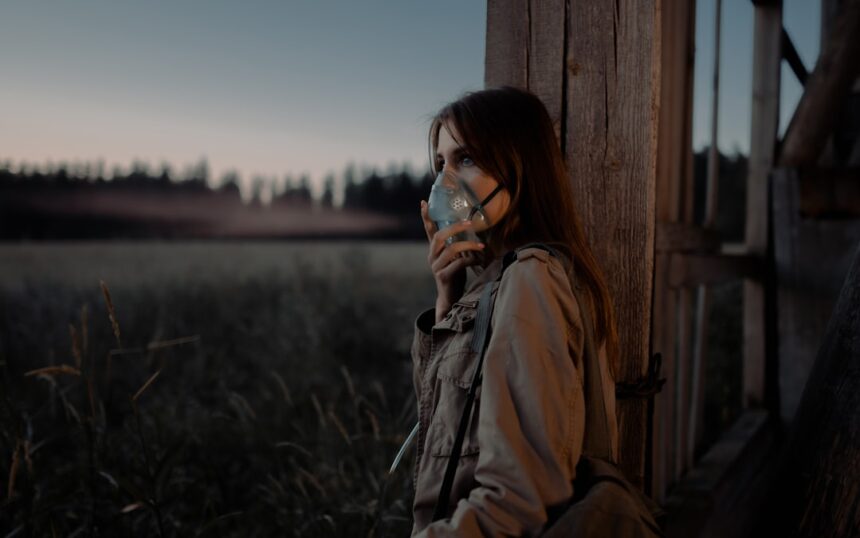
The concept of the Dark Night of the Soul is often shrouded in mystery and misunderstanding. It refers to a profound period of spiritual desolation, existential crisis, or emotional turmoil that many people experience at some point in their lives. You may find yourself grappling with feelings of emptiness, confusion, or despair, questioning your beliefs, values, and purpose.
This experience can feel isolating, as if you are wandering through a dense fog with no clear path ahead. However, it is essential to recognize that this journey, while painful, can also be a catalyst for profound personal growth and transformation. As you navigate through this dark night, it is crucial to understand that you are not alone.
Many individuals have traversed similar paths and emerged with newfound clarity and strength. The Dark Night of the Soul often serves as a wake-up call, prompting you to reassess your life and priorities. It can be an opportunity to shed old beliefs and patterns that no longer serve you, allowing for the emergence of a more authentic self.
Embracing this process can lead to a deeper understanding of your true nature and a more meaningful connection to the world around you.
Key Takeaways
- The Dark Night of the Soul involves deep emotional and spiritual challenges that require understanding and patience.
- Recognizing symptoms early and seeking support from loved ones and professionals is crucial for healing.
- Practicing self-care, self-compassion, mindfulness, and meditation can aid in managing difficult emotions.
- Engaging in creative outlets and cultivating a supportive environment foster resilience and growth.
- Embracing the healing process helps find meaning and purpose even in the darkest times.
Recognizing the Signs and Symptoms
Recognizing the signs and symptoms of the Dark Night of the Soul is the first step toward navigating this challenging experience. You may notice a pervasive sense of sadness or hopelessness that seems to linger despite your best efforts to shake it off. This emotional heaviness can manifest in various ways, including fatigue, irritability, or a general disinterest in activities that once brought you joy.
It’s important to pay attention to these feelings, as they can serve as indicators that you are in the midst of a significant internal struggle. In addition to emotional symptoms, you might also experience physical manifestations of this turmoil. Sleep disturbances, changes in appetite, or unexplained aches and pains can all be signs that your mind and body are responding to the stress of your situation.
You may find yourself withdrawing from social interactions or feeling disconnected from those around you.
Seeking Support from Loved Ones

During times of deep emotional distress, reaching out to loved ones can be a vital step in your healing journey. You may feel hesitant to share your struggles, fearing judgment or misunderstanding. However, opening up to trusted friends or family members can provide you with a sense of connection and validation.
These conversations can help alleviate feelings of isolation and remind you that you are not alone in your struggles. When you share your experiences with loved ones, it can also foster deeper relationships built on empathy and understanding. You may find that those around you have faced similar challenges and can offer valuable insights or simply a listening ear.
It’s important to remember that vulnerability is a strength; by allowing others to support you, you create an opportunity for healing and growth. Embrace the power of community as you navigate this difficult time.
Finding Professional Help
| Metric | Description | Typical Range | Importance |
|---|---|---|---|
| Response Time | Average time taken to get a response from a professional | 24-72 hours | High |
| Success Rate | Percentage of cases where professional help led to a positive outcome | 70%-90% | High |
| Cost Range | Typical cost for initial consultation or session | Varies widely by profession and location | Medium |
| Availability | Number of professionals available per 10,000 people | 5-20 | High |
| Credentials Verified | Percentage of professionals with verified credentials | 90%-100% | High |
| Client Satisfaction | Average satisfaction rating from clients (out of 5) | 3.5-5.0 | High |
| Referral Rate | Percentage of clients referred by other professionals or clients | 30%-60% | Medium |
While seeking support from loved ones is invaluable, there may come a time when professional help becomes necessary. A therapist or counselor can provide you with tools and strategies tailored to your unique situation. They can help you explore the underlying causes of your distress and guide you through the process of healing.
You might feel apprehensive about seeking professional help, but it’s essential to recognize that mental health professionals are trained to assist individuals in navigating their darkest moments. Finding the right therapist for you is crucial; it’s important to feel comfortable and safe in this space. You may want to consider factors such as their approach, experience, and areas of expertise when making your choice.
Therapy can be a transformative experience, offering you a structured environment in which to process your emotions and develop coping strategies. Embrace this opportunity for growth as you work toward healing and self-discovery.
Practicing Self-Care and Self-Compassion
In the midst of emotional turmoil, practicing self-care becomes essential for your well-being. You may find it challenging to prioritize your needs during difficult times, but self-care is not a luxury; it is a necessity. Simple acts such as taking a warm bath, going for a walk in nature, or indulging in a favorite hobby can provide moments of respite from the chaos within.
By nurturing yourself physically, emotionally, and spiritually, you create a foundation for healing. Equally important is cultivating self-compassion during this challenging period. You may be prone to harsh self-criticism or feelings of inadequacy as you navigate your struggles.
It’s vital to treat yourself with kindness and understanding, recognizing that everyone experiences difficult times. Allow yourself to feel your emotions without judgment; acknowledge that it’s okay to struggle and that healing takes time. By fostering self-compassion, you create an environment where growth and healing can flourish.
Engaging in Mindfulness and Meditation

Mindfulness and meditation practices can be powerful tools for navigating the Dark Night of the Soul. These techniques encourage you to cultivate awareness of your thoughts and feelings without judgment, allowing you to observe your internal landscape with curiosity rather than fear. You may find that dedicating even a few minutes each day to mindfulness can help ground you amidst the chaos of your emotions.
Meditation offers a sanctuary where you can connect with your inner self and find moments of peace amidst turmoil. As you engage in these practices, you may discover that they help reduce anxiety and promote emotional regulation. Over time, mindfulness can enhance your ability to respond to challenges with greater clarity and resilience.
Embrace these practices as part of your healing journey; they can serve as anchors during turbulent times.
Exploring Creative Outlets
Creativity can be a powerful means of expression during periods of emotional distress. Engaging in creative outlets such as writing, painting, or music allows you to channel your feelings into something tangible. You may find that expressing yourself artistically provides an avenue for processing complex emotions that are difficult to articulate verbally.
This creative exploration can serve as both a release and a source of insight into your inner world. Moreover, creativity fosters a sense of accomplishment and joy, even amidst darkness. You might discover new passions or rekindle old ones as you explore different forms of artistic expression.
Allow yourself the freedom to create without judgment; there are no right or wrong ways to express yourself creatively. Embrace this opportunity for exploration as a means of healing and self-discovery.
Cultivating a Supportive Environment
Creating a supportive environment is essential for navigating the challenges of the Dark Night of the Soul. Surrounding yourself with positive influences—whether through friends, family, or community—can significantly impact your emotional well-being. You may want to evaluate your current relationships and consider whether they uplift or drain you.
By intentionally cultivating connections with those who inspire and support you, you create an atmosphere conducive to healing. Additionally, consider how your physical environment affects your mental state. A cluttered or chaotic space can contribute to feelings of overwhelm, while a serene and organized environment can promote calmness and clarity.
Take small steps to create a space that feels nurturing and safe; this could involve decluttering, adding plants, or incorporating soothing colors into your surroundings. By fostering a supportive environment both socially and physically, you enhance your capacity for healing.
Setting Realistic Expectations
As you navigate the complexities of the Dark Night of the Soul, it’s essential to set realistic expectations for yourself. Healing is not linear; there will be ups and downs along the way. You may have days when you feel hopeful and empowered, followed by moments when despair resurfaces unexpectedly.
Acknowledging this ebb and flow allows you to approach your journey with patience and understanding. It’s also important to recognize that healing takes time; there is no quick fix or timeline for recovery. Be gentle with yourself as you navigate this process; celebrate small victories along the way rather than focusing solely on the end goal.
By setting realistic expectations, you create space for growth without adding unnecessary pressure on yourself.
Embracing the Process of Healing
Embracing the process of healing requires courage and vulnerability. You may feel tempted to rush through this phase in search of relief from pain; however, true healing often involves sitting with discomfort and allowing it to unfold naturally. This journey is not about erasing pain but rather integrating it into your life story in a way that fosters growth.
As you embrace this process, remind yourself that healing is not about perfection but rather about progress. Each step forward—no matter how small—is significant in your journey toward wholeness. Allow yourself to feel all emotions without judgment; they are valid parts of your experience.
By embracing the process wholeheartedly, you open yourself up to transformation and renewal.
Finding Meaning and Purpose in the Darkness
Ultimately, the Dark Night of the Soul can lead you toward profound insights about meaning and purpose in your life. As you navigate through this challenging period, take time to reflect on what truly matters to you—what brings you joy, fulfillment, and connection? You may discover new passions or revisit old dreams that had been overshadowed by life’s demands.
Finding meaning in darkness often involves reframing your experiences; instead of viewing them solely as suffering, consider how they have shaped your character and resilience. This perspective shift can empower you to emerge from this period with greater clarity about who you are and what you want from life moving forward. Embrace this opportunity for growth; even amidst darkness lies the potential for light and renewal.
In conclusion, while the Dark Night of the Soul can be an arduous journey filled with uncertainty and pain, it also holds immense potential for transformation and self-discovery. By understanding its nature, recognizing signs within yourself, seeking support from loved ones or professionals when needed, practicing self-care alongside mindfulness techniques while exploring creative outlets—all contribute towards cultivating an environment conducive towards healing—ultimately leading towards finding meaning amidst darkness itself!
To effectively navigate the challenges of a dark night, it’s essential to equip yourself with practical strategies and insights. A related article that delves into this topic is available at Unplugged Psych, where you can find valuable resources on mental well-being and coping mechanisms. This article offers guidance on how to manage anxiety and fear during difficult times, helping you to emerge stronger and more resilient.
WATCH THIS! The Dark Night of the Soul: A Psychological Roadmap to Spiritual Awakening
FAQs
What is the “dark night” in a spiritual or psychological context?
The “dark night” refers to a period of intense inner struggle, confusion, or spiritual desolation. It is often described as a phase where an individual feels disconnected from their usual sources of comfort, meaning, or faith, leading to feelings of emptiness or despair.
What are common signs that someone is experiencing the dark night?
Common signs include feelings of loneliness, doubt, loss of purpose, emotional numbness, and a sense of spiritual dryness. Individuals may also experience anxiety, depression, or a questioning of previously held beliefs.
How can one prepare for or cope with the dark night?
Coping strategies include practicing patience, seeking support from trusted friends or mentors, maintaining regular self-care routines, engaging in reflective practices like meditation or journaling, and allowing oneself to experience emotions without judgment.
Is the dark night a permanent state?
No, the dark night is typically a temporary phase. While it can be challenging, it often leads to personal growth, deeper understanding, and renewed clarity once navigated successfully.
Can professional help be beneficial during the dark night?
Yes, consulting mental health professionals, spiritual counselors, or therapists can provide valuable guidance and support during this difficult period.
Are there any historical or literary references to the dark night?
Yes, the term “dark night of the soul” was popularized by the 16th-century Spanish mystic St. John of the Cross, who described it as a necessary stage in spiritual development.
What role does self-reflection play in surviving the dark night?
Self-reflection helps individuals understand their feelings, identify underlying issues, and foster personal growth. It encourages acceptance and can lead to transformative insights.
Can the dark night occur outside of spiritual contexts?
Yes, similar experiences can occur in psychological or emotional contexts, such as during major life transitions, grief, or mental health challenges, even without a spiritual framework.
How long does the dark night typically last?
The duration varies widely depending on the individual and circumstances. It can last from weeks to months or even longer, but it generally resolves as the person works through their challenges.
What are some practical steps to take during the dark night?
Practical steps include maintaining routines, seeking community or support groups, practicing mindfulness, avoiding isolation, and focusing on small, manageable goals to foster a sense of progress.