
Telepathy, often regarded as a mystical or science fiction concept, refers to the direct transmission of thoughts or feelings between individuals without the use of traditional sensory channels. Imagine being able to communicate your innermost thoughts to someone else without uttering a single word. This fascinating idea has captivated human imagination for centuries, leading to countless stories, films, and theories about the potential of mind-to-mind communication.
In recent years, however, the concept of telepathy has begun to intersect with scientific advancements, particularly in the realm of brain-computer interfaces (BCIs). Brain-computer interfaces are systems that facilitate direct communication between the brain and external devices. They work by interpreting neural signals and translating them into commands that can control computers or other machines.
As you delve deeper into this field, you may find that BCIs hold the key to unlocking the potential of telepathic communication. By harnessing the power of technology to read and transmit brain activity, researchers are inching closer to making telepathy a tangible reality. The convergence of these two domains—telepathy and BCIs—opens up a world of possibilities that could redefine how you interact with others and the world around you.
Key Takeaways
- Telepathy and brain computer interface technology are closely related, as they both involve the direct communication between the brain and external devices.
- The evolution of brain computer interface technology has seen significant advancements, from invasive to non-invasive methods, making telepathic communication more feasible.
- Telepathy has the potential to revolutionize everyday life, with applications in communication, entertainment, and even remote control of devices.
- Ethical and privacy concerns surrounding telepathy must be addressed, including issues of consent, data security, and the potential for misuse.
- Neuroscience plays a crucial role in advancing telepathic communication, as understanding the brain is essential for developing effective and safe telepathic technology.
The Evolution of Brain Computer Interface Technology
The journey of brain-computer interface technology has been nothing short of remarkable. It began in the late 20th century when scientists first explored the idea of connecting human brains to computers.
As you explore this evolution, you’ll discover that significant milestones have paved the way for today’s advanced BCIs. In the early 2000s, researchers made significant strides in developing invasive BCIs, which involve implanting electrodes directly into the brain. These systems demonstrated impressive capabilities, allowing individuals with paralysis to control robotic limbs or computer cursors using their thoughts alone.
However, as you consider the implications of such technology, you may also recognize the challenges it presents, including surgical risks and ethical concerns. Over time, non-invasive methods have emerged, utilizing techniques like electroencephalography (EEG) to capture brain activity without the need for surgery. This evolution reflects a growing understanding of the brain’s complexities and a commitment to making BCIs more accessible and safer for users.
The Potential Applications of Telepathy in Everyday Life

As you contemplate the potential applications of telepathy in everyday life, your imagination may run wild with possibilities. Picture a world where misunderstandings are a thing of the past, where you can share your thoughts and emotions directly with others without the barriers of language or miscommunication. Telepathy could revolutionize personal relationships, allowing for deeper connections and empathy between individuals.
Imagine being able to sense your partner’s feelings or thoughts in real-time, fostering a level of intimacy that transcends verbal communication. Beyond personal relationships, telepathy could also transform professional environments. In workplaces where collaboration is key, imagine teams working seamlessly together by sharing ideas and feedback instantaneously through thought alone.
This could lead to increased productivity and innovation, as individuals tap into a collective consciousness that enhances creativity and problem-solving abilities. The implications for education are equally profound; students could learn from one another in ways that traditional teaching methods cannot replicate, fostering a more inclusive and engaging learning environment.
Overcoming the Ethical and Privacy Concerns of Telepathy
| Concerns | Metrics |
|---|---|
| Privacy | Percentage of users concerned about privacy breaches |
| Security | Number of security protocols in place to protect telepathic communication |
| Consent | Percentage of users who have given explicit consent for telepathic communication |
| Regulation | Number of regulatory guidelines governing telepathic technology |
| Ethical Use | Instances of ethical violations in telepathic communication |
While the potential benefits of telepathy are enticing, it is crucial to address the ethical and privacy concerns that accompany such advancements. As you consider the implications of mind-to-mind communication, questions about consent and autonomy arise. How do you ensure that individuals have control over their thoughts and feelings when technology can potentially access them without permission?
The idea of someone being able to read your mind raises significant concerns about personal privacy and security. To navigate these challenges, it is essential to establish clear ethical guidelines and regulations surrounding telepathic technology. You may envision a future where individuals have the ability to opt-in or opt-out of telepathic communication, ensuring that consent is always prioritized.
Additionally, developing robust security measures to protect individuals’ thoughts from unauthorized access will be paramount in fostering trust in this new form of communication. As society grapples with these ethical dilemmas, it will be crucial to engage in open dialogues about the implications of telepathy and work collaboratively to create frameworks that prioritize individual rights.
The Role of Neuroscience in Advancing Telepathic Communication
Neuroscience plays a pivotal role in advancing our understanding of telepathic communication and its feasibility. As you delve into this field, you’ll discover that researchers are continually uncovering new insights into how the brain processes thoughts and emotions. By studying neural pathways and brain activity patterns, scientists are gaining valuable knowledge that can inform the development of BCIs capable of facilitating telepathic communication.
One exciting area of research involves decoding brain signals associated with specific thoughts or intentions. As you explore this frontier, you may find that advancements in machine learning and artificial intelligence are enhancing our ability to interpret complex neural data. By training algorithms to recognize patterns in brain activity, researchers are inching closer to creating systems that can translate thoughts into communicable signals.
This intersection of neuroscience and technology holds immense promise for realizing the dream of telepathy, as it allows for a deeper understanding of how our minds work and how we can harness that knowledge for communication.
The Impact of Telepathy on Communication and Relationships
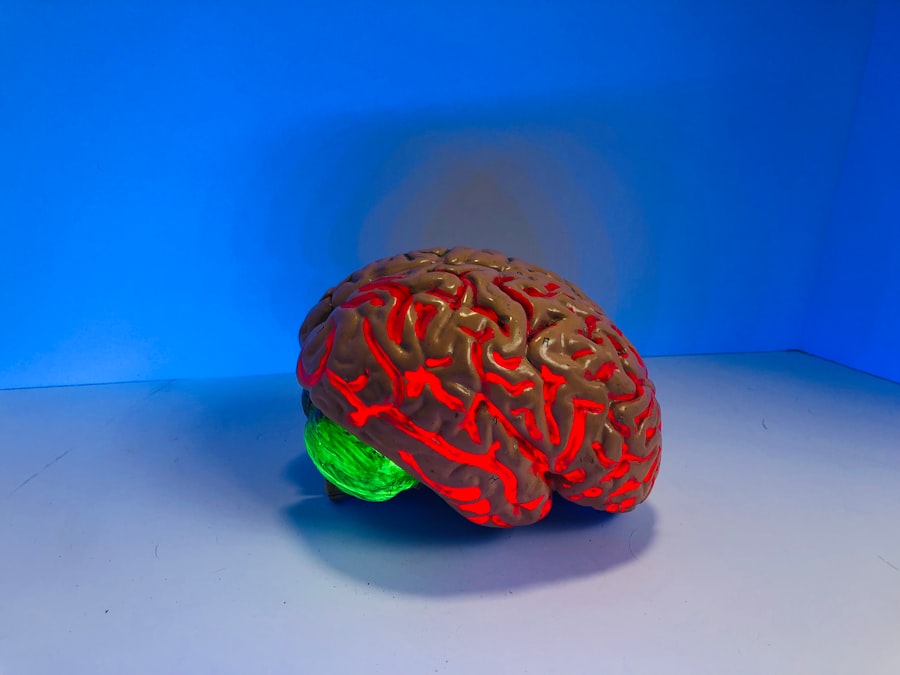
The advent of telepathy has the potential to profoundly impact communication and relationships in ways you may not have imagined. As traditional barriers such as language and cultural differences fade away, interpersonal connections could deepen significantly. You might find yourself engaging in conversations that transcend words, where emotions and intentions are conveyed directly through thought.
This shift could lead to greater empathy and understanding among individuals, fostering a sense of unity that transcends geographical boundaries. However, this new form of communication may also present challenges. As you navigate this landscape, consider how telepathy could alter power dynamics within relationships.
The ability to access someone’s thoughts could lead to vulnerabilities that may be exploited if not handled with care. Trust will become an even more critical component in relationships as individuals grapple with the implications of sharing their innermost thoughts. Balancing openness with respect for personal boundaries will be essential as society adapts to this new mode of communication.
The Future of Telepathy in Healthcare and Medicine
The potential applications of telepathy extend far beyond personal relationships; they also hold promise for healthcare and medicine. Imagine a world where doctors can communicate directly with their patients’ minds, gaining insights into their symptoms and emotions without relying solely on verbal communication. This could lead to more accurate diagnoses and personalized treatment plans tailored to individual needs.
Moreover, telepathic communication could revolutionize mental health care by enabling therapists to connect with their clients on a deeper level. You might envision a scenario where therapists can sense their clients’ emotional states in real-time, allowing for more effective interventions and support. This level of understanding could foster a therapeutic alliance built on trust and empathy, ultimately leading to improved mental health outcomes.
The Challenges of Developing Telepathic Technology
Despite the exciting possibilities that telepathy presents, significant challenges remain in developing this technology. As you consider these obstacles, you’ll find that one major hurdle is the complexity of decoding brain signals accurately. The human brain is an intricate organ with billions of neurons firing simultaneously; deciphering which signals correspond to specific thoughts or emotions is no small feat.
Additionally, there are technical limitations associated with current BCI technology that must be addressed before telepathy can become a reality. Non-invasive methods like EEG have made strides but still face challenges related to signal noise and resolution. You may also ponder the ethical implications surrounding data collection and storage as researchers work towards creating systems capable of facilitating telepathic communication.
Balancing innovation with ethical considerations will be crucial as society navigates this uncharted territory.
The Integration of Telepathy with Artificial Intelligence
The integration of telepathy with artificial intelligence (AI) presents an exciting frontier for enhancing communication capabilities. As you explore this intersection, consider how AI can play a role in interpreting complex neural data and facilitating seamless communication between minds. By leveraging machine learning algorithms, AI could help decode thoughts more accurately and translate them into comprehensible signals for others.
Imagine a future where AI acts as an intermediary in telepathic exchanges, ensuring that messages are conveyed clearly while respecting individual privacy preferences. This collaboration between human cognition and artificial intelligence could lead to unprecedented advancements in communication efficiency and effectiveness. However, as you contemplate this integration, it’s essential to remain vigilant about potential biases embedded within AI systems and ensure that they operate ethically within the realm of telepathic communication.
The Cultural and Societal Implications of Telepathic Communication
The emergence of telepathic communication would undoubtedly have profound cultural and societal implications that warrant careful consideration. As you reflect on this potential shift, think about how different cultures might adapt to or resist such changes in communication norms. Language has long been a cornerstone of cultural identity; how would societies redefine themselves if thoughts could be shared directly without words?
Moreover, consider how telepathy might influence social structures and hierarchies. In a world where everyone can access each other’s thoughts, traditional power dynamics may shift dramatically. You might envision scenarios where transparency becomes paramount, leading to greater accountability among leaders and institutions but also raising concerns about privacy invasion and manipulation.
The Steps Towards Making Telepathy a Reality
As you contemplate the journey toward making telepathy a reality, it’s essential to recognize that progress will require collaboration across multiple disciplines—neuroscience, engineering, ethics, psychology, and more. Researchers must continue exploring innovative approaches to decoding brain signals while addressing ethical concerns surrounding privacy and consent. Public engagement will also play a crucial role in shaping the future of telepathic technology.
By working together—scientists, ethicists, policymakers, and the public—you can contribute to creating a future where telepathy enhances human connection while respecting individual rights. In conclusion, while the dream of telepathy may seem distant today, ongoing advancements in brain-computer interface technology offer hope for its realization in the future.
By understanding its implications across various domains—communication, healthcare, ethics—you can actively participate in shaping a world where mind-to-mind communication becomes an integral part of human experience.
Recent advancements in brain-computer interface technology have sparked intriguing discussions about the potential for telepathy-like communication between individuals. A related article that delves into the implications and future possibilities of this technology can be found on Unplugged Psych. For more insights, you can read the article here: Unplugged Psych.
WATCH THIS! The Secret Science of Telepathy: Why Your Brain is Already Connected to Others
FAQs
What is a brain-computer interface (BCI)?
A brain-computer interface (BCI) is a technology that allows for direct communication between the brain and an external device, such as a computer or prosthetic limb, without the need for physical movement.
How does a brain-computer interface work?
BCIs work by detecting and interpreting brain signals, such as electrical activity or blood flow, and translating them into commands that can be used to control external devices.
What is telepathy in the context of brain-computer interface?
In the context of brain-computer interface, telepathy refers to the ability to communicate directly from one person’s brain to another person’s brain using technology, bypassing the need for verbal or physical communication.
Is telepathy using brain-computer interface technology currently possible?
While the concept of telepathy using brain-computer interface technology is still largely theoretical, there have been some advancements in the field that suggest the potential for future developments in this area.
What are the potential applications of telepathy using brain-computer interface technology?
Potential applications of telepathy using brain-computer interface technology could include enhanced communication for individuals with disabilities, improved collaboration in team settings, and new forms of entertainment and social interaction.