You may not realize it, but anxiety and intuition are intricately connected. Both are responses to your environment, shaped by your experiences and emotions. When you feel anxious, it often stems from a deep-seated instinct that something is amiss.
This instinct can be a form of intuition, alerting you to potential dangers or opportunities that your conscious mind may not yet recognize. Understanding this link can empower you to harness your anxiety as a tool for better decision-making. As you navigate through life, your intuition acts as a compass, guiding you toward choices that align with your true self.
However, anxiety can cloud this intuitive voice, making it difficult to discern what is genuine guidance versus what is merely a product of fear. By acknowledging the connection between these two phenomena, you can begin to unravel the complexities of your emotional landscape and learn to trust your instincts more fully.
Key Takeaways
- Anxiety can be linked to intuition, serving as a tool for self-awareness and decision making.
- Understanding the role of anxiety in decision making is crucial for harnessing it as intuition.
- Recognizing the difference between anxiety and fear is essential in distinguishing intuitive signals from anxious thoughts.
- Cultivating mindfulness is important for tuning into intuitive signals and overcoming the stigma of anxiety.
- Embracing self-trust and seeking support are key in navigating anxiety as intuition and embracing the power of intuition in overcoming anxiety.
Understanding the Role of Anxiety in Decision Making
Anxiety plays a significant role in how you make decisions. It can serve as a warning system, alerting you to potential risks and encouraging you to weigh your options carefully. When faced with uncertainty, your mind may race with “what if” scenarios, prompting you to consider various outcomes before committing to a choice.
This heightened state of awareness can be beneficial, as it encourages you to think critically about the consequences of your actions. However, anxiety can also lead to paralysis by analysis. You might find yourself overthinking every possible outcome, which can hinder your ability to make timely decisions.
In these moments, it’s essential to recognize that while anxiety can provide valuable insights, it can also become a barrier to clarity. By learning to balance the insights gained from anxiety with a more intuitive approach, you can enhance your decision-making process and move forward with confidence.
Recognizing the Difference Between Anxiety and Fear

To effectively navigate the interplay between anxiety and intuition, it’s crucial to distinguish between anxiety and fear. While both emotions are natural responses to perceived threats, they manifest differently within you. Fear is typically a reaction to an immediate danger; it’s a visceral response that prompts you to take action—whether that means fleeing from a threat or confronting it head-on.
In contrast, anxiety often arises from uncertainty about the future or concerns about situations that may never materialize. Understanding this distinction allows you to approach your feelings with greater clarity. When you experience fear, it’s often straightforward: you know what you’re afraid of and can respond accordingly.
Anxiety, on the other hand, may leave you feeling overwhelmed and unsure of its source. By recognizing when you’re experiencing anxiety rather than fear, you can begin to explore the underlying thoughts and beliefs that contribute to your emotional state.
How to Distinguish Between Intuitive Signals and Anxious Thoughts
| Signal/Thought | Description |
|---|---|
| Intuitive Signal | Often comes as a gut feeling or inner knowing |
| Anxious Thought | Usually accompanied by fear or worry |
| Intuitive Signal | Feels calm and centered |
| Anxious Thought | Causes physical tension and discomfort |
| Intuitive Signal | Leads to clarity and understanding |
| Anxious Thought | Leads to confusion and doubt |
Distinguishing between intuitive signals and anxious thoughts is essential for harnessing the power of both emotions effectively. Intuition often presents itself as a quiet whisper or a gut feeling—an inner knowing that guides you toward a particular choice or direction. In contrast, anxious thoughts tend to be loud and chaotic, filled with doubts and worst-case scenarios that can lead you down a rabbit hole of negativity.
To differentiate between these two experiences, take a moment to pause and reflect on what you’re feeling. Ask yourself whether the thoughts you’re experiencing are rooted in fear or if they resonate with a deeper sense of knowing. Intuitive signals often feel calm and centered, while anxious thoughts may create tension and unease within you.
By practicing this discernment regularly, you can cultivate a stronger connection with your intuition and learn to navigate your anxiety more effectively.
Embracing Anxiety as a Tool for Self-Awareness
Rather than viewing anxiety solely as a hindrance, consider embracing it as a valuable tool for self-awareness. Your anxiety can reveal important insights about your values, desires, and fears. When you experience anxiety, it often highlights areas in your life that require attention or change.
By leaning into these feelings instead of resisting them, you can gain a deeper understanding of yourself and what truly matters to you. This process of self-discovery can be transformative. As you explore the roots of your anxiety, you may uncover patterns or beliefs that no longer serve you.
This awareness allows you to make conscious choices about how to respond to your feelings rather than being driven by them. Embracing anxiety as a tool for self-awareness empowers you to take charge of your emotional landscape and fosters personal growth.
Strategies for Harnessing Anxiety as Intuition
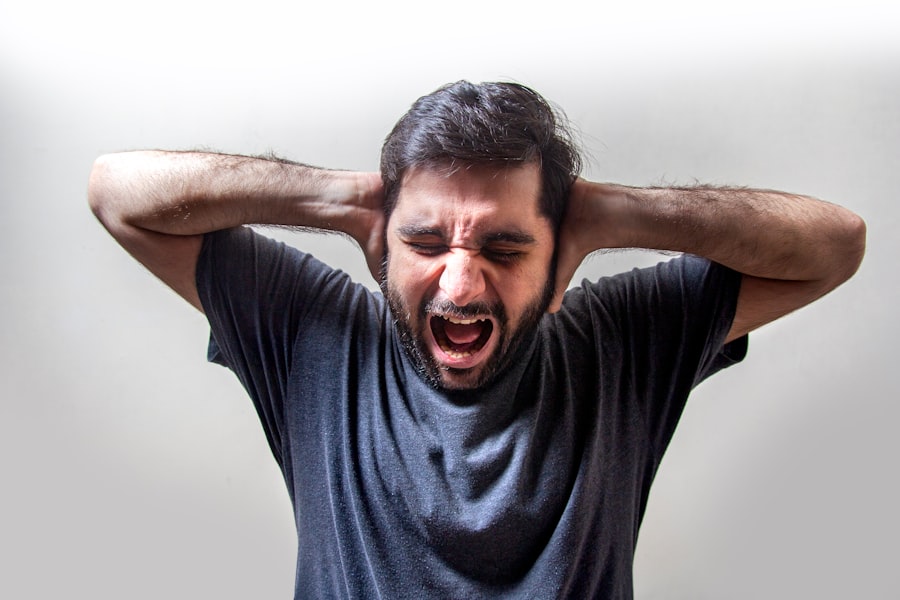
To harness anxiety as a form of intuition, consider implementing specific strategies that allow you to channel this energy constructively. One effective approach is journaling. By writing down your thoughts and feelings when anxiety arises, you create space for reflection and clarity.
This practice can help you identify patterns in your anxious thoughts and discern whether they stem from genuine concerns or unfounded fears.
Engaging in mindfulness practices allows you to observe your thoughts without judgment, creating distance between yourself and your anxiety.
As you cultivate this awareness, you’ll find it easier to recognize intuitive signals amidst the noise of anxious thoughts. Over time, these practices can help you develop a more harmonious relationship with both anxiety and intuition.
Cultivating Mindfulness to Tune into Intuitive Signals
Mindfulness is an invaluable tool for tuning into your intuitive signals while managing anxiety effectively. By cultivating mindfulness in your daily life, you create an environment where intuition can flourish. This practice encourages you to be present in the moment, allowing you to notice subtle shifts in your thoughts and feelings without becoming overwhelmed by them.
To cultivate mindfulness, start by incorporating simple practices into your routine—such as deep breathing exercises or mindful walking. These activities help ground you in the present moment and create space for intuitive insights to emerge. As you become more attuned to your inner landscape through mindfulness, you’ll find it easier to differentiate between anxious thoughts and genuine intuitive guidance.
The Importance of Self-Trust in Differentiating Anxiety and Intuition
Self-trust is paramount when it comes to differentiating between anxiety and intuition. You must cultivate confidence in your ability to discern what feels right for you amidst the chaos of anxious thoughts. Building self-trust involves acknowledging your feelings without judgment and recognizing that both anxiety and intuition have valuable lessons to offer.
Treat yourself with kindness when faced with anxiety or uncertainty, reminding yourself that it’s okay to feel vulnerable at times. As you nurture this compassionate relationship with yourself, you’ll find it easier to trust your instincts and make decisions that align with your true self.
Overcoming the Stigma of Anxiety and Embracing it as a Source of Wisdom
In society, there is often a stigma surrounding anxiety that can make it challenging for individuals like yourself to embrace this emotion fully. Many people view anxiety as a weakness or something to be ashamed of; however, it’s essential to recognize that anxiety is a natural human experience that can offer profound insights when approached with an open mind. By reframing your perspective on anxiety as a source of wisdom rather than a burden, you empower yourself to learn from it.
Embrace the idea that experiencing anxiety does not diminish your strength; instead, it highlights your capacity for growth and resilience. This shift in mindset allows you to approach anxiety with curiosity rather than fear, opening the door for deeper self-discovery.
Seeking Support and Guidance in Navigating Anxiety as Intuition
Navigating the complexities of anxiety and intuition can be challenging on your own; seeking support from others can provide valuable insights and perspectives. Whether through therapy, support groups, or trusted friends and family members, sharing your experiences can help normalize feelings of anxiety while also offering new strategies for understanding it. When seeking support, look for individuals who resonate with your experiences and who encourage open dialogue about mental health.
Engaging in conversations about anxiety can help demystify it and foster connections with others who share similar struggles. This sense of community can be incredibly empowering as you learn to navigate the interplay between anxiety and intuition together.
Embracing the Power of Intuition in Overcoming Anxiety
Ultimately, embracing the power of intuition is key to overcoming anxiety in your life. By recognizing that both emotions have valuable roles to play in guiding your decisions, you can cultivate a more harmonious relationship with them. Trusting your intuition allows you to move forward with confidence while acknowledging the presence of anxiety without letting it dictate your choices.
As you continue on this journey of self-discovery, remember that both intuition and anxiety are part of being human. By embracing their complexities and learning from them, you’ll find greater clarity in navigating life’s challenges while fostering personal growth along the way. Embrace this journey with an open heart and mind; you’ll discover that both intuition and anxiety can coexist harmoniously within you.
Anxiety can often masquerade as intuition, leading individuals to misinterpret their feelings and instincts. This phenomenon is explored in greater depth in the article available at Unplugged Psych, where the nuances between genuine intuition and anxiety-driven thoughts are discussed. Understanding this distinction can empower individuals to make more informed decisions and cultivate a healthier mindset.
WATCH THIS! Your Intuition Is Lying: How Anxiety Fakes Spiritual Wisdom
FAQs
What is anxiety masquerading as intuition?
Anxiety masquerading as intuition refers to the experience of feeling anxious or worried about a situation, but interpreting those feelings as a sign that something is wrong or dangerous. This can lead individuals to make decisions based on their anxiety rather than rational thinking.
How can anxiety masquerade as intuition?
Anxiety can masquerade as intuition when individuals misinterpret their anxious feelings as a gut instinct or a warning sign from their intuition. This can lead to overestimating potential risks and underestimating their ability to cope with a situation.
What are the signs that anxiety may be masquerading as intuition?
Signs that anxiety may be masquerading as intuition include persistent worry or fear, physical symptoms such as rapid heartbeat or sweating, difficulty concentrating, and a sense of impending doom or danger.
How can one differentiate between anxiety and intuition?
Differentiating between anxiety and intuition involves taking a step back to assess the situation objectively, seeking input from trusted individuals, and considering whether the feelings are based on actual evidence or irrational fears. It may also be helpful to practice mindfulness and self-awareness to better understand one’s emotions.
What are the potential consequences of mistaking anxiety for intuition?
Mistaking anxiety for intuition can lead to making decisions based on irrational fears, avoiding potentially beneficial opportunities, and experiencing increased stress and negative impact on mental health. It can also hinder personal growth and lead to missed experiences.