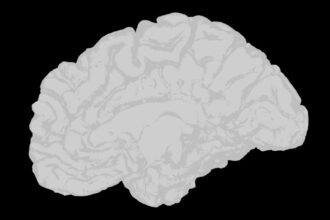
Detachment is a multifaceted concept that often eludes a straightforward definition. At its core, it refers to the ability to separate oneself from emotional involvement or attachment to people, situations, or outcomes. You might find that detachment can manifest in various forms, from a healthy emotional distance that allows for objective decision-making to a more extreme form where you feel disconnected from your own feelings and those of others.
This emotional state can be both a protective mechanism and a barrier, depending on how it is applied in your life. In many ways, detachment can be seen as a double-edged sword. On one hand, it can provide you with the clarity needed to navigate complex situations without being clouded by emotional turmoil.
On the other hand, it can lead to a sense of isolation and disconnection from the world around you. Understanding this balance is crucial, as it allows you to harness the positive aspects of detachment while being mindful of its potential pitfalls. As you explore this concept further, you may begin to recognize how detachment plays a role in your own life and relationships. Here is the sentence with the link:
You can watch a video about Cotard Delusion explained at https://youtu.be/k_yz2ZsPAHk.
Key Takeaways
- Detachment is the ability to let go of emotional attachment to outcomes and expectations.
- Embracing detachment can lead to reduced stress, increased mental clarity, and improved decision-making.
- Detachment may lead to emotional distance and a lack of empathy in relationships.
- Detachment can result in loneliness and a sense of disconnection from others.
- Finding a healthy balance between detachment and emotional connection is crucial for overall well-being and personal growth.
The benefits of embracing detachment
Embracing detachment can offer numerous benefits that enhance your emotional well-being and decision-making capabilities. One of the most significant advantages is the ability to maintain perspective during challenging times. When you practice detachment, you can step back from emotionally charged situations and assess them with a clearer mind.
This clarity can lead to better choices, as you are less likely to act impulsively based on fleeting emotions. You may find that this approach allows you to navigate conflicts more effectively, leading to resolutions that are fair and balanced. Moreover, detachment can foster resilience.
By learning to separate your self-worth from external validation or outcomes, you cultivate a sense of inner strength. This resilience enables you to face setbacks without being overwhelmed by disappointment or despair. You might discover that when you detach from the need for approval or success, you become more open to new experiences and opportunities.
This newfound freedom can lead to personal growth and a deeper understanding of yourself and your desires.
Recognizing the potential downsides of detachment

While detachment can be beneficial, it is essential to recognize its potential downsides. One significant risk is the possibility of becoming emotionally numb. When you consistently detach from your feelings, you may find it challenging to connect with your emotions or those of others.
This emotional numbness can create barriers in your relationships, making it difficult for you to empathize with loved ones or fully engage in meaningful interactions. Over time, this disconnection can lead to feelings of isolation and loneliness. Additionally, excessive detachment can hinder your ability to experience joy and fulfillment.
When you distance yourself from emotional experiences, both positive and negative, you may miss out on the richness of life. The highs and lows that come with deep emotional engagement are what make life vibrant and meaningful. By avoiding these experiences through detachment, you risk living a life that feels flat or unfulfilling.
It’s crucial to strike a balance between maintaining emotional distance and allowing yourself to feel deeply.
How detachment can lead to emotional distance
| Factors | Effects |
|---|---|
| Lack of communication | Leads to misunderstandings and feelings of isolation |
| Avoidance of intimacy | Results in decreased emotional connection |
| Emotional neglect | Causes feelings of abandonment and loneliness |
| Loss of trust | Creates barriers to forming deep emotional bonds |
Emotional distance is often a byproduct of detachment, and it can manifest in various ways in your relationships. When you practice detachment excessively, you may find yourself withdrawing from those around you, creating an invisible barrier that separates you from meaningful connections. This distance can be particularly pronounced in romantic relationships, where emotional intimacy is vital for fostering closeness and trust.
You might notice that your partner feels shut out or unimportant when you prioritize detachment over connection. Furthermore, emotional distance can lead to misunderstandings and conflict. When you detach from your feelings, it becomes challenging to communicate openly with others about your needs and desires.
This lack of communication can breed resentment and frustration, as those around you may feel neglected or unappreciated. As you navigate your relationships, it’s essential to be aware of how your detachment may impact those closest to you and consider ways to bridge the gap between emotional distance and connection.
The impact of detachment on relationships
The impact of detachment on relationships cannot be overstated. While some level of emotional distance can be healthy, excessive detachment often leads to strained connections with friends, family, and romantic partners. You may find that your loved ones struggle to understand your behavior or feel rejected by your unwillingness to engage emotionally.
This disconnect can create a cycle of misunderstanding and hurt feelings that erodes trust over time. Moreover, detachment can hinder your ability to form new relationships. If you approach new connections with an air of emotional distance, others may perceive you as aloof or uninterested.
This perception can make it challenging for you to build rapport and establish meaningful bonds with others. As a result, you might find yourself feeling increasingly isolated, longing for connection while simultaneously pushing people away. Recognizing the impact of your detachment on relationships is crucial for fostering healthier connections moving forward.
The connection between detachment and loneliness

Loneliness is often intertwined with the experience of detachment. When you detach from your emotions and relationships, you may inadvertently create an environment where loneliness thrives. This feeling can be particularly acute if you find yourself surrounded by people yet still feel disconnected from them.
You might notice that despite being in social settings or engaging in activities with others, there’s an underlying sense of isolation that persists.
As you withdraw emotionally from others, the connections that once brought joy and fulfillment begin to fade away.
To combat this loneliness, it’s essential to recognize the role that detachment plays in your life and actively seek ways to reconnect with both yourself and those around you.
Exploring the link between detachment and apathy
Apathy often arises as a consequence of prolonged detachment. When you consistently detach from your emotions and experiences, it becomes increasingly difficult to care about what happens around you. This apathy can manifest in various aspects of your life—whether it’s a lack of interest in hobbies, relationships, or even personal goals.
You might find yourself going through the motions without feeling truly engaged or invested in what you’re doing.
Apathy can lead to stagnation in personal growth and development, as you may become indifferent toward opportunities for self-improvement or exploration.
Recognizing this link between detachment and apathy is crucial for reclaiming your passion for life. By addressing the underlying reasons for your detachment, you can begin to rekindle your interest in the world around you and foster a sense of purpose.
The role of detachment in avoiding responsibility
Detachment can sometimes serve as a means of avoiding responsibility for your actions or emotions. When you detach from situations or relationships, it becomes easier to sidestep accountability for how your choices affect others. You might find yourself rationalizing your behavior by claiming that emotional distance protects both yourself and those around you from potential hurt or conflict.
However, this avoidance can lead to significant consequences in both personal and professional realms. By refusing to engage fully with your responsibilities, you risk damaging relationships and undermining trust with those who depend on you. Acknowledging the role that detachment plays in avoiding responsibility is essential for fostering healthier interactions and ensuring that you take ownership of your actions moving forward.
How detachment can hinder personal growth
Personal growth often requires vulnerability and emotional engagement—two aspects that are inherently at odds with excessive detachment. When you detach from your feelings or experiences, you may miss out on valuable lessons that come from facing challenges head-on. Growth often occurs when you confront discomfort or uncertainty; however, if you’re consistently avoiding these situations through detachment, you’re likely stunting your development.
Moreover, personal growth involves building connections with others who challenge and inspire you. If you’re emotionally distant, it becomes difficult to form these meaningful relationships that facilitate growth. You might find yourself stuck in familiar patterns without the motivation or support needed to push beyond them.
Recognizing how detachment hinders personal growth is crucial for fostering an environment where self-discovery and development can thrive.
Addressing the fear of vulnerability through detachment
Fear of vulnerability often drives individuals toward detachment as a means of self-protection. You may believe that by keeping others at arm’s length emotionally, you’re safeguarding yourself from potential hurt or rejection. However, this approach ultimately limits your ability to form deep connections and experience genuine intimacy with others.
To address this fear effectively, it’s essential to confront the underlying beliefs that fuel your desire for detachment. Acknowledging that vulnerability is not synonymous with weakness can empower you to embrace emotional openness instead of shying away from it. By gradually allowing yourself to be vulnerable with trusted individuals in your life, you may discover that true strength lies in authenticity rather than emotional distance.
Finding a healthy balance between detachment and emotional connection
Striking a balance between detachment and emotional connection is vital for fostering healthy relationships while maintaining personal well-being. It’s important to recognize when emotional distance serves a purpose—such as providing clarity during difficult situations—while also allowing yourself the freedom to engage deeply with those around you. To achieve this balance, consider setting boundaries that protect your emotional health without completely shutting others out.
Engage in self-reflection to identify areas where excessive detachment may be hindering your connections or personal growth. By cultivating awareness around your emotional responses and practicing vulnerability in safe spaces, you’ll be better equipped to navigate the complexities of human relationships while still honoring your need for self-protection. In conclusion, understanding the nuances of detachment is essential for navigating both personal well-being and interpersonal relationships effectively.
By recognizing its benefits while also acknowledging its potential downsides, you can work toward finding a healthy balance that fosters connection without sacrificing emotional safety.
In exploring the complexities of emotional detachment, it’s essential to consider the broader implications of this phenomenon on mental health and relationships. A related article that delves into these themes is available on Unplugged Psych, which discusses various aspects of emotional well-being and the impact of detachment on personal connections. You can read more about it in their insightful piece here.
WATCH THIS! Cotard Delusion: When Your Brain Deletes Your Soul
FAQs
What is detachment?
Detachment is the state of being emotionally disengaged or disconnected from a situation or relationship. It involves a sense of distance and objectivity towards one’s own thoughts and feelings.
What are the potential negative effects of detachment?
The dark side of detachment can include feelings of isolation, disconnection from others, and a lack of empathy or emotional responsiveness. It can also lead to difficulties in forming and maintaining close relationships.
How does detachment impact mental health?
Detachment can contribute to mental health issues such as depression, anxiety, and feelings of emptiness. It can also hinder the ability to seek support and connection, which are important for overall well-being.
Can detachment be a coping mechanism?
Yes, detachment can be a coping mechanism in response to stress, trauma, or overwhelming emotions. However, relying on detachment as a primary coping strategy can have negative consequences for mental and emotional health.
What are some signs of unhealthy detachment?
Signs of unhealthy detachment can include a lack of emotional responsiveness, difficulty forming close relationships, and a tendency to avoid or dismiss one’s own emotions or the emotions of others. It can also manifest as a sense of numbness or apathy towards life experiences.