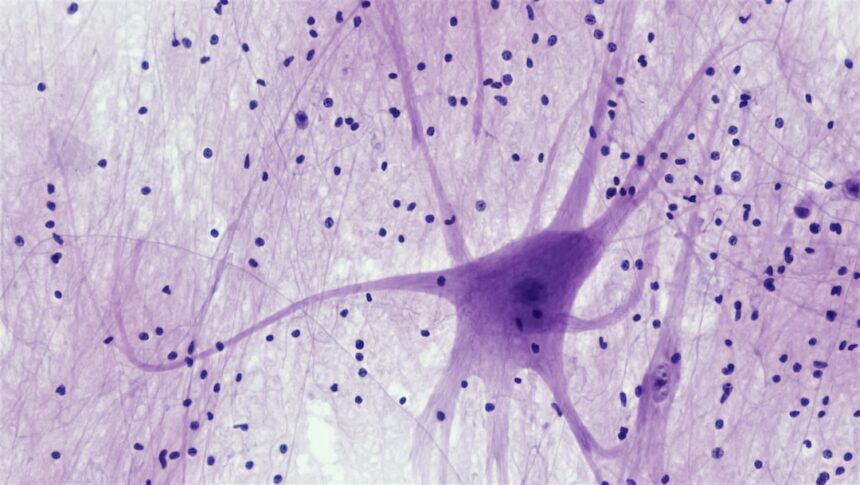
The concept of non-existence is a profound and often perplexing topic that invites you to ponder the nature of reality itself. At its core, non-existence refers to the absence of something, whether it be an object, a thought, or even a feeling. This idea challenges your understanding of what it means to perceive and interact with the world around you.
In a universe filled with tangible entities and experiences, the notion of non-existence can seem counterintuitive, yet it plays a crucial role in shaping your perceptions and cognitive processes. As you delve deeper into this concept, you may find that non-existence is not merely a philosophical abstraction but a fundamental aspect of human cognition. It influences how you interpret your surroundings and how you relate to the world.
By exploring the intricacies of non-existence, you can gain insights into the workings of your mind and the neurological underpinnings that govern your perceptions. This exploration can lead to a richer understanding of both your internal landscape and the external world. Here is the sentence with the link:
You can watch a video about Cotard Delusion explained at https://youtu.be/k_yz2ZsPAHk.
Key Takeaways
- Non-existence is a concept that plays a significant role in cognitive science and mental health.
- The brain plays a crucial role in perceiving absence and processing non-existence.
- Neurological mechanisms involved in non-existence impact brain function and emotional responses.
- Understanding non-existence has implications for memory, emotions, and behavior.
- The study of non-existence offers insights into cognitive science and future research directions.
The Role of the Brain in Perceiving Absence
Your brain is an intricate organ that constantly processes information, allowing you to navigate through life. When it comes to perceiving absence, your brain employs a variety of mechanisms to interpret what is not present. This process is not simply about recognizing what is missing; it involves complex cognitive functions that help you make sense of your environment.
For instance, when you enter a room and notice that a familiar object is absent, your brain quickly assesses the situation, drawing on past experiences and contextual clues to fill in the gaps. This ability to perceive absence is essential for survival. It enables you to identify potential threats or changes in your environment that could impact your well-being.
Your brain’s capacity to recognize what is not there allows you to make informed decisions and adapt to new situations. In this way, the perception of non-existence becomes a vital component of your cognitive toolkit, helping you navigate the complexities of daily life.
Neurological Mechanisms of Non-Existence
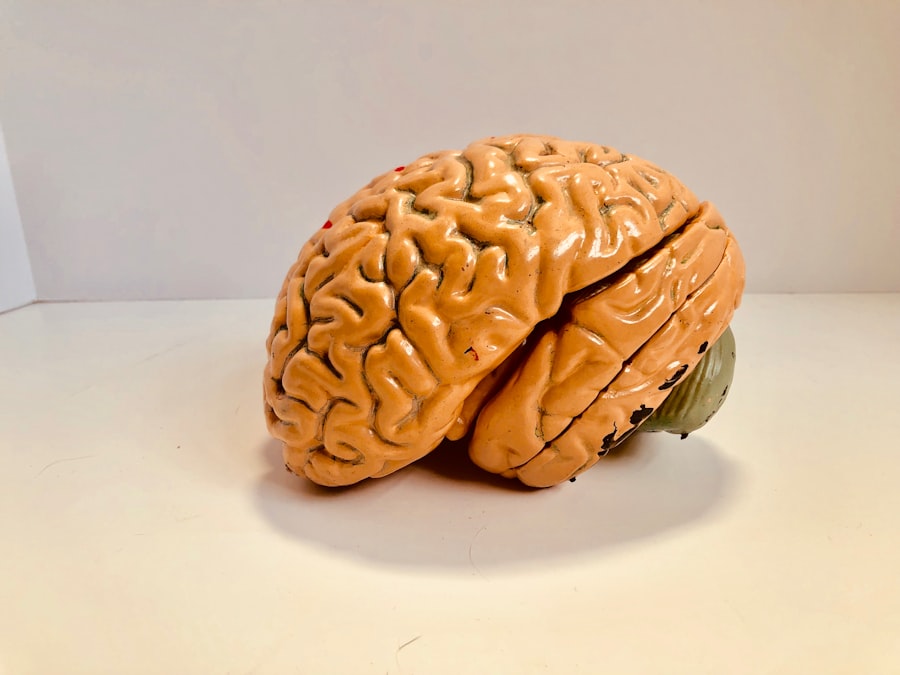
The neurological mechanisms that underpin your perception of non-existence are both fascinating and intricate.
For example, the prefrontal cortex plays a significant role in higher-order thinking and decision-making, allowing you to evaluate situations where something is missing.
Meanwhile, the parietal lobe helps integrate sensory information, contributing to your understanding of spatial relationships and the absence of objects within that space. Neuroimaging studies have revealed that specific neural pathways are activated when you encounter situations involving non-existence. These pathways facilitate communication between different brain regions, enabling you to form a coherent understanding of what is absent.
This neural orchestration highlights the complexity of your cognitive processes and underscores the importance of non-existence in shaping your perceptions and experiences.
The Impact of Non-Existence on Brain Function
| Impact of Non-Existence on Brain Function |
|---|
| Decreased cognitive function |
| Impaired memory retention |
| Difficulty in decision making |
| Reduced problem-solving abilities |
| Impacted emotional regulation |
The impact of non-existence on brain function extends beyond mere perception; it also influences cognitive processes such as memory and attention. When you recognize that something is missing, your brain engages in a form of cognitive appraisal that can affect how you allocate your mental resources. For instance, if you realize that a crucial piece of information is absent during a conversation, your attention may shift to compensating for that lack by recalling related knowledge or seeking clarification from others.
Moreover, the experience of non-existence can evoke emotional responses that further shape your cognitive landscape.
These emotional reactions can, in turn, influence how you process information and make decisions moving forward.
Thus, non-existence serves as a catalyst for both cognitive and emotional responses, highlighting its multifaceted impact on brain function.
The Connection Between Non-Existence and Mental Health
Your mental health can be significantly influenced by how you perceive non-existence in various aspects of your life. For instance, feelings of emptiness or lack can manifest in conditions such as depression or anxiety. When you grapple with the absence of meaningful connections or experiences, it can lead to a pervasive sense of dissatisfaction or disconnection from reality.
Understanding this connection between non-existence and mental health is crucial for developing effective therapeutic interventions. Therapeutic approaches often focus on helping individuals confront and process feelings related to absence. By addressing these feelings head-on, you can begin to reframe your understanding of non-existence and its role in your life.
This process may involve exploring past experiences, identifying patterns of thought, and cultivating mindfulness practices that encourage acceptance of what is absent rather than fixating on it. In doing so, you can foster resilience and improve your overall mental well-being.
Neural Pathways Involved in Processing Absence
The neural pathways involved in processing absence are complex and interconnected, reflecting the multifaceted nature of human cognition. When you encounter a situation where something is missing, various brain regions collaborate to create a comprehensive understanding of that absence. The anterior cingulate cortex, for example, plays a role in error detection and conflict monitoring, helping you recognize discrepancies between what you expect to find and what is actually present.
Additionally, the hippocampus is crucial for memory formation and retrieval, allowing you to draw on past experiences when assessing absence. This interplay between different brain regions highlights the dynamic nature of cognitive processing related to non-existence. As you navigate through life, these neural pathways continuously adapt and evolve based on your experiences, shaping how you perceive and respond to absence in both familiar and novel situations.
The Influence of Non-Existence on Emotions and Behavior
Non-existence has a profound influence on your emotions and behavior, often serving as a catalyst for introspection and change. When faced with the absence of something significant—be it a relationship, an opportunity, or even a personal goal—you may experience a range of emotions from sadness to motivation for growth. This emotional response can drive you to seek out new experiences or connections as a way to fill the void left by what is missing.
Moreover, the way you respond to non-existence can shape your behavior in meaningful ways. For instance, if you recognize an absence in your social life, it may prompt you to reach out to friends or engage in new social activities. Conversely, feelings of loss may lead some individuals to withdraw or isolate themselves further.
Understanding these emotional dynamics can empower you to make conscious choices about how to navigate the complexities of absence in your life.
The Evolutionary Significance of Perceiving Absence
From an evolutionary perspective, the ability to perceive absence has significant implications for survival and adaptation. Your ancestors relied on their capacity to recognize what was missing in their environment—be it food sources, potential threats, or social connections—to make informed decisions that would enhance their chances of survival. This innate ability has been honed over generations, underscoring its importance in human evolution.
The evolutionary significance of perceiving absence extends beyond mere survival; it also plays a role in social bonding and cooperation. Recognizing when something is lacking within a group dynamic can prompt individuals to work together to address those deficiencies. This collaborative effort fosters stronger social ties and enhances group cohesion, ultimately contributing to the success of human communities throughout history.
The Intersection of Non-Existence and Memory
The relationship between non-existence and memory is intricate and multifaceted. Your memories are often shaped by what is absent as much as by what is present. For instance, when recalling a past event, the absence of certain details can influence how you reconstruct that memory.
This phenomenon highlights the role of non-existence in shaping your narrative identity—how you perceive yourself based on past experiences. Furthermore, the interplay between memory and non-existence can have implications for how you cope with loss or change. When faced with the absence of someone or something significant in your life, your memories may become more vivid or poignant as you grapple with that loss.
Understanding this intersection can provide valuable insights into how you process grief and navigate transitions in life.
The Potential Implications of Understanding Non-Existence for Cognitive Science
Understanding non-existence holds significant potential for advancing cognitive science as a field. By exploring how your brain perceives absence and its implications for cognition and behavior, researchers can gain valuable insights into fundamental aspects of human thought processes. This knowledge could inform therapeutic approaches for mental health conditions related to feelings of emptiness or loss.
Moreover, studying non-existence can shed light on broader questions about consciousness and perception. As cognitive scientists continue to unravel the complexities of human cognition, insights gained from examining non-existence may contribute to our understanding of how we construct meaning in our lives. This exploration could pave the way for innovative research directions that deepen our comprehension of the mind.
Insights and Future Directions in the Study of Non-Existence
In conclusion, the study of non-existence offers rich insights into the workings of your mind and its impact on perception, emotion, and behavior. By examining how your brain processes absence and its implications for mental health, memory, and social dynamics, you can gain a deeper understanding of yourself and your interactions with the world around you. As researchers continue to explore this complex concept, future directions may lead to innovative approaches in cognitive science that enhance our understanding of human cognition.
Ultimately, embracing the concept of non-existence invites you to reflect on the nature of reality itself—challenging you to consider not only what is present but also what is absent in shaping your experiences. As you navigate through life’s complexities, recognizing the significance of non-existence can empower you to cultivate resilience and foster meaningful connections with yourself and others.
In exploring the intriguing concept of the neurobiology of non-existence, one can gain further insights by examining related discussions on the topic. A particularly relevant article can be found on Unplugged Psych, which delves into the complexities of consciousness and perception. For more information, you can read the article here: Neurobiology Insights.
WATCH THIS! Cotard Delusion: When Your Brain Deletes Your Soul
FAQs
What is the neurobiology of non-existence?
The neurobiology of non-existence refers to the study of the brain and nervous system in relation to the concept of non-existence, including the neural processes involved in perceiving, understanding, and experiencing the absence or lack of something.
How does the brain process the concept of non-existence?
The brain processes the concept of non-existence through various neural mechanisms, including the activation of specific brain regions involved in memory, imagination, and conceptual thinking. These processes allow individuals to perceive and understand the absence or lack of something.
What are the neural correlates of non-existence?
Neural correlates of non-existence refer to the specific brain regions and neural activity associated with perceiving and processing the concept of non-existence. These may include areas involved in memory retrieval, mental imagery, and conceptualization.
Can the brain distinguish between existence and non-existence?
Yes, the brain is capable of distinguishing between existence and non-existence through neural processes that allow individuals to perceive and understand the presence or absence of something. This ability is essential for cognitive functions such as memory, imagination, and problem-solving.
How does the study of neurobiology of non-existence contribute to our understanding of cognition and consciousness?
Studying the neurobiology of non-existence provides insights into how the brain processes abstract concepts and constructs mental representations of absence or lack. This contributes to our understanding of cognition and consciousness by revealing the neural mechanisms underlying these fundamental aspects of human experience.