
The late 20th century saw a pivotal shift in our understanding of early childhood development, moving away from purely behavioral explanations to embrace the profound importance of emotional bonds. At the forefront of this intellectual revolution was the work of Harry Harlow, an American psychologist whose experiments, though ethically controversial, yielded indelible insights into the nature of attachment. His most famous and enduring contribution, often referred to as “The Monkey Mother Experiment,” was not a single event but a series of studies conducted with rhesus monkeys that fundamentally reshaped developmental psychology, offering a compelling counterpoint to the prevailing emphasis on mere nutritional provision in infant care.
Harlow’s research sought to disentangle the complex factors that contribute to the formation of a bond between an infant and its caregiver, particularly the mother. Before his work, prevalent theories, heavily influenced by behaviorism, suggested that infants primarily bonded with their mothers due to the association of food and sustenance. The mother, in this view, was essentially a “drive-reduction machine,” fulfilling the infant’s basic hunger need. Harlow, however, posited that comfort, touch, and a sense of security were equally, if not more, critical components of attachment. His experiments were designed to rigorously test this hypothesis by isolating the variables of nourishment and comfort.
The ethical considerations surrounding Harlow’s research are undeniable and have been subject to extensive scrutiny. The deprivation and distress experienced by the infant monkeys are stark reminders of the ethical tightrope walked by researchers in pursuit of knowledge. However, the profound impact of these findings on child-rearing practices, therapeutic interventions, and our understanding of social and emotional development is equally undeniable. The “Monkey Mother Experiment” stands as a landmark in the history of psychology, prompting crucial ethical debates while simultaneously illuminating the deep-seated human (and primate) need for love and connection.
The Genesis of a Question: Beyond the Bottle
The prevailing psychological paradigms of the mid-20th century, particularly behaviorism, offered a starkly utilitarian view of infant-mother bonding. The core tenet was that the primary caregiver’s role was to satisfy the infant’s physiological needs, primarily hunger. This perspective, heavily rooted in learning theory, suggested that the infant would develop a strong attachment to the source of this gratification – the mother who provided the milk. While this explained a functional aspect of care, it failed to adequately account for the nuanced emotional landscape of infant development and the seemingly irrational behaviors of infants that suggested a deeper, more profound connection.
Early Theories and the Nutritional Imperative
Before Harlow’s groundbreaking work, the scientific community largely subscribed to the idea that the bond between an infant and its mother was primarily an instrumental one. The mother was seen as a dispenser of food, and the infant’s attachment was a learned response to the satisfaction of hunger. This view was supported by the “drive-reduction theory,” which proposed that an organism learns to associate a specific behavior (seeking out the mother) with the reduction of a primary drive (hunger). Consequently, the mother became a conditioned reinforcer. The mother’s role was thus reduced to a functional necessity, devoid of the emotional richness that parents intuitively understood and infants seemed to crave. This perspective, while offering a parsimonious explanation, lacked the capacity to explain phenomena such as infants preferring to be held and comforted even when not hungry, or the intense distress exhibited by infants when separated from their mothers even if their nutritional needs were met by other means.
Harlow’s Dissatisfaction with Existing Explanations
Harry Harlow, observing the behavior of infant monkeys, felt a growing unease with the purely nutritional explanation for attachment. He noticed that the young monkeys exhibited behaviors that seemed to go beyond the mere satisfaction of hunger. They sought proximity and contact with their mothers not just when they were hungry, but also for comfort and security. The idea that the bond was solely about the bottle simply didn’t align with the observable emotional responses of the young primates. Harlow was driven by a scientific curiosity to empirically test whether comfort and tactile stimulation played a more significant role in fostering attachment than the provision of nourishment. He recognized that to truly understand the nature of this crucial early bond, he needed to create controlled experimental conditions that could isolate and manipulate the factors believed to contribute to attachment.
The famous monkey mother experiment, conducted by Harry Harlow in the 1950s, revealed the profound impact of maternal attachment on the psychological development of primates. This groundbreaking research highlighted the importance of comfort and emotional support over mere physical sustenance in nurturing healthy relationships. For further insights into related psychological studies and their implications, you can explore this article on the subject at Unplugged Psychology.
The Surrogate Mothers: A Bold Experimental Design
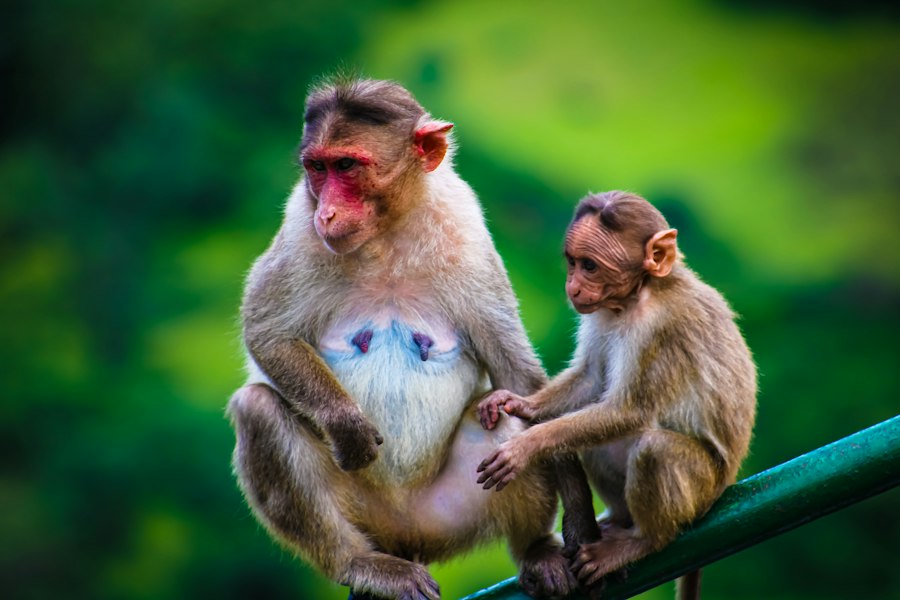
Harlow’s most famous experiments involved the creation of artificial “surrogate mothers” for infant rhesus monkeys. These surrogates were designed to isolate the variables of nourishment and comfort, allowing Harlow to directly compare their impact on the development of attachment. The ingenuity of the experimental design lay in its simplicity and its ability to create distinct conditions that would reveal the relative importance of different maternal attributes. The monkeys were separated from their biological mothers shortly after birth, a practice that, in itself, raises significant ethical concerns, but was deemed necessary for the experimental design.
Constructing the Comforting and the Convenient
The core of Harlow’s experimental setup revolved around two distinct types of surrogate mothers. The first, termed the “wire mother,” was a simple wire mesh cylinder with a bottle nipple attached, providing the essential nourishment. This surrogate represented the traditional view of the mother as primarily a source of food. The second surrogate, the “cloth mother,” was also made of wire but was covered in a soft, terrycloth fabric. This surrogate provided no nourishment but offered the crucial element of tactile comfort and warmth, mimicking the softness and warmth of a real mother. The infant monkeys were then placed in cages with these two surrogate mothers, and their behavior was meticulously observed and recorded.
The Critical Variables: Nourishment vs. Comfort
The experimental manipulation was straightforward: one group of infant monkeys had access to both the wire mother (providing food) and the cloth mother (providing comfort). Another group had access to only the wire mother, and a third group had access to only the cloth mother (though this configuration was less common in initial studies, the implication was clear that the wire mother would provide nourishment). The critical question was which surrogate the infant monkeys would spend more time with, and which they would turn to in times of distress. This allowed Harlow to directly test the hypothesis that tactile comfort and a sense of security, rather than just food, were the primary drivers of attachment. The setup was designed to pit the pragmatic necessity of sustenance against the innate, seemingly emotional need for gentle contact and warmth.
Observing the Bonds: What the Monkeys Chose

The results of Harlow’s experiments were nothing short of revolutionary. The observations of the infant monkeys’ behavior unequivocally demonstrated a preference for the cloth mother, even when the wire mother was the sole source of nourishment. This finding directly challenged the prevailing nutritional theory of attachment and highlighted the paramount importance of comfort and emotional connection. The experiments provided compelling behavioral evidence that attachment was not simply a learned response to hunger but a more complex, innate drive for security and solace.
The Predominance of the Cloth Mother
In trials where both surrogate mothers were present, the infant monkeys overwhelmingly preferred to spend their time with the cloth mother. They would only leave the comforting embrace of the cloth mother to briefly visit the wire mother for feeding and then quickly return to the softness and warmth of the cloth surrogate. This preference was consistent and pronounced, regardless of which mother provided the milk. The visual data was striking: monkeys clinging to the cloth mother, nestling against it, and seeking it out for comfort during moments of fear or stress. This behavior starkly contradicted the notion that food was the primary motivator for attachment. The monkeys were not simply associating the mother with hunger reduction; they were actively seeking out a source of emotional security and comfort.
Reactions to Fear and Stress: The Ultimate Test
Harlow further investigated the strength of these bonds by introducing fear-inducing stimuli into the monkeys’ environment. When faced with novel objects, loud noises, or other perceived threats, the infant monkeys consistently sought refuge with the cloth mother. They would cling to its soft surface, burrowing into it as if for protection. In contrast, the wire mother, despite providing sustenance, offered no such solace. This observation was crucial. It demonstrated that in times of vulnerability and anxiety, the monkeys’ primary instinct was to seek comfort and security from the surrogate that offered tactile reassurance, not simply the one that provided food. This revealed a fundamental aspect of attachment – its role in providing a secure base from which to explore the world and a safe haven in times of distress.
Beyond Comfort: The Lasting Impact of Isolation
While the immediate findings regarding the preference for the cloth mother were significant, Harlow’s subsequent research delved into the devastating consequences of prolonged isolation from both real and surrogate mothers. These later experiments, often referred to as the “isolation studies,” revealed the profound and enduring damage that early deprivation could inflict on social and emotional development. The monkeys that were deprived of maternal contact, even if provided with adequate nutrition, exhibited severe behavioral deficits and an inability to form healthy social bonds later in life.
The “Motherless Mothers” and Their Difficulties
A particularly poignant and disturbing aspect of Harlow’s work involved raising monkeys in complete isolation from any maternal figure. These monkeys were deprived of all social interaction during their critical developmental period. When introduced to other monkeys, even those of similar age, they displayed abnormal and maladaptive behaviors. They were often aggressive, fearful, and unable to engage in normal social play. Most disturbingly, when these isolated females eventually became mothers themselves, they often proved to be neglectful, abusive, or indifferent to their own offspring. They lacked the fundamental skills and understanding of maternal behavior that would have been acquired through normal early interaction. This led to the tragic moniker of “motherless mothers,” a testament to the irreversible damage of early social and emotional deprivation.
The Long-Term Consequences of Deprivation
The isolation studies extended beyond the immediate post-isolation period, demonstrating that the damage inflicted by early deprivation was not easily reversible. Even attempts to “rehabilitate” these monkeys by introducing them to younger, more socially adept monkeys proved largely unsuccessful in fully restoring their social capacities. The deficits in social cognition, emotional regulation, and the ability to form meaningful relationships were deeply ingrained. These findings underscored the critical importance of a secure and nurturing early environment for the healthy development of social and emotional competence throughout the lifespan. The experiments highlighted that attachment is not merely a transient phase but a foundational element for lifelong psychological well-being.
The famous monkey mother experiment, conducted by Harry Harlow, revealed profound insights into the importance of maternal attachment and emotional development in primates. This groundbreaking research has sparked numerous discussions in the field of psychology, particularly regarding the implications for human relationships and child development. For a deeper understanding of the psychological principles at play, you can explore a related article that delves into these themes further by visiting this link.
Repercussions and Reflections: Ethical Debates and Evolving Practices
| Experiment | Researcher | Year | Subject | Key Findings | Implications |
|---|---|---|---|---|---|
| Monkey Mother Experiment | Harry Harlow | 1958 | Rhesus Monkeys | Infant monkeys preferred cloth surrogate mothers over wire mothers even when wire mothers provided food. | Demonstrated the importance of contact comfort in attachment and emotional development. |
| Separation Anxiety Study | Harry Harlow | 1960 | Rhesus Monkeys | Monkeys separated from surrogate mothers showed signs of distress and social withdrawal. | Showed effects of maternal deprivation on psychological well-being. |
| Social Isolation Experiment | Harry Harlow | 1962 | Rhesus Monkeys | Monkeys isolated for extended periods exhibited severe behavioral abnormalities. | Highlighted critical periods for social development and the consequences of isolation. |
Harlow’s experiments, while undeniably illuminating, have been a source of intense ethical debate and introspection within the scientific community. The suffering inflicted upon the infant monkeys raised profound questions about the moral boundaries of research and the value placed on animal welfare. However, the insights gleaned from these controversial studies have also had a transformative impact on our understanding of human attachment and have led to significant shifts in childcare practices and therapeutic approaches.
The Ethical Minefield of Harlow’s Research
The use of infant monkeys, their separation from biological mothers, and the deliberate infliction of social deprivation are aspects of Harlow’s research that are deeply troubling by today’s ethical standards. The experiments, though conducted at a time when animal research ethics were less stringent, have served as a stark reminder of the responsibilities researchers have to minimize harm and maximize the welfare of their subjects. The debate surrounding these studies continues, prompting psychologists and ethicists to constantly re-evaluate the balance between the pursuit of knowledge and the moral imperative to protect vulnerable beings. The controversy has undoubtedly contributed to the development of stricter ethical guidelines for animal research, emphasizing the need for humane treatment and the justification of any potential harm against the significant scientific gains.
Shaping Modern Attachment Theory and Practice
Despite the ethical concerns, the influence of Harlow’s work on attachment theory is undeniable. His experiments provided the empirical foundation for John Bowlby’s psychoanalytic theory of attachment and Mary Ainsworth’s “Strange Situation” procedure, which further elucidated the different patterns of infant attachment. The emphasis on comfort, security, and the importance of a sensitive and responsive caregiver has become a cornerstone of modern developmental psychology. This understanding has led to significant changes in parenting advice, the development of early intervention programs for at-risk children, and therapeutic approaches for individuals struggling with attachment issues. The recognition that a secure base is crucial for healthy emotional development has permeated the fields of pediatrics, social work, and psychotherapy, ultimately benefiting countless children and families by promoting more nurturing and responsive caregiving environments. The legacy of the Monkey Mother Experiment, therefore, is a complex one, marked by controversy but ultimately leading to a more compassionate and informed understanding of the fundamental human need for connection.
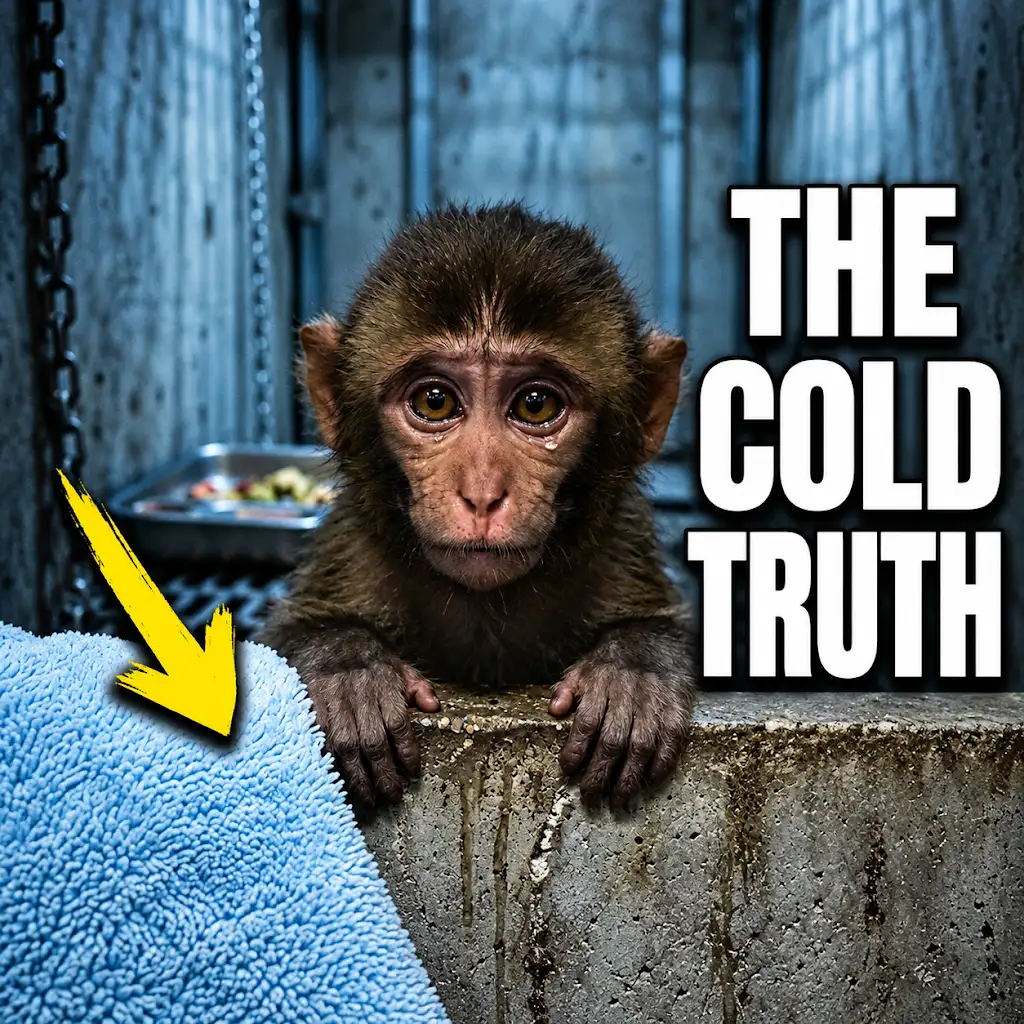
The Dark Reality of the Monkey Comfort Experiment
FAQs
What was the monkey mother experiment in psychology?
The monkey mother experiment was a study conducted by psychologist Harry Harlow in the 1950s and 1960s to investigate the importance of contact comfort in the development of infant monkeys.
What were the key findings of the monkey mother experiment?
The key findings of the monkey mother experiment were that infant monkeys preferred a surrogate mother that provided comfort and warmth over a surrogate mother that provided food. This highlighted the importance of emotional bonding and attachment in early development.
How did the monkey mother experiment impact the field of psychology?
The monkey mother experiment had a significant impact on the field of psychology by challenging the prevailing belief that feeding was the primary factor in mother-infant bonding. It emphasized the importance of emotional connection and social interaction in development.
What ethical concerns were raised by the monkey mother experiment?
The monkey mother experiment raised ethical concerns regarding the treatment of animals in research, particularly in terms of the psychological distress caused to the infant monkeys who were deprived of maternal care and subjected to isolation and social deprivation.
What are some criticisms of the monkey mother experiment?
Some criticisms of the monkey mother experiment include concerns about the generalizability of the findings to human behavior, as well as ethical considerations regarding the treatment of the monkeys involved in the study. Additionally, some argue that the experiment oversimplified the complexities of human attachment and bonding.